 ZOOMRY

Both electric stackers and forklifts move palletized goods — but they serve different operational needs. As a professional bulk material handling solution provider, ZOOMRY supplies mobile stackers and conveyor system stackers for bulk material applications, complementing traditional warehouse equipment. This guide compares stackers and forklifts to help you choose the right equipment for your operation.
What is a Forklift?
Forklifts are the most commonly used material handling equipment in industrial spaces. Available in diesel, electric, and LPG types — each with distinct advantages depending on business operations. Forklifts are designed and built to transport heavy loads over longer distances. The operator sits inside the vehicle while operating it. Forklifts are ideal when space is not a primary constraint and heavy lifting capacity is the priority.
What is a Stacker?
Stackers are the simplest storage solution for warehouses. A stacker crane is a machine used to stack, load, or unload goods in storage areas — featuring the same chassis and mast as a pallet truck with dual functionality: transporting, lifting, and lowering goods in and out of racks. Stackers also handle bulk materials, making them ideal for large warehouses, manufacturing units, retail facilities, and factories with high-volume storage needs.
There are three types of stackers: manual stackers, semi-electric stackers, and electric stackers. Electric stackers are completely battery-powered — requiring no physical exertion. For bulk material outdoor applications, ZOOMRY's wheel radial stackers and tracked radial stackers handle stockpile management at mining, quarry, and port operations.
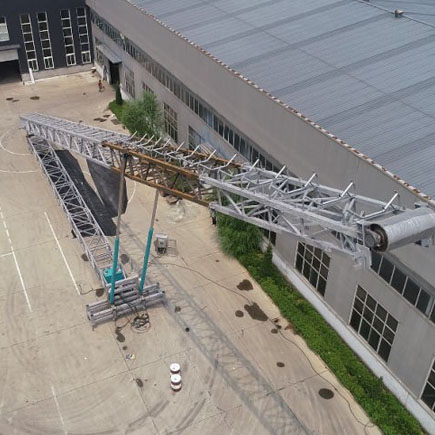
Mobile Stacker — bulk material stockpiling equipment
Stacker vs Forklift – Comparison at a Glance
| Feature | Electric Stacker | Forklift |
|---|---|---|
| Size | Compact — ideal for narrow aisles | Larger — requires wider operating space |
| Maneuverability | Excellent — tight turning radius | Good — larger turning radius |
| Load Capacity | Light to medium loads | Heavy loads — higher capacity |
| Charging | Standard mains electricity | Dedicated power outlet required |
| Operator License | Not required (training recommended) | Required in most jurisdictions |
| Purchase Cost | Lower — cost-effective | Higher — significant investment |
| Best For | Small-medium warehouses, tight spaces, light loads | Large industrial applications, heavy loads, outdoor use |
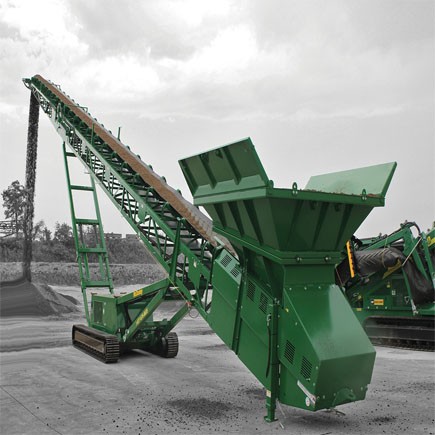
Tracked Stacker — heavy-duty bulk material stacking
Why Choose an Electric Stacker?
Easier to Recharge
Electric stackers connect to standard mains electricity for charging — unlike forklifts that require dedicated power outlets, which can cost extra to install.
Compact Size
Electric stackers are significantly smaller than forklifts — ideal for smaller warehouses and limited-space areas. Their superior maneuverability allows easy movement and turning in tight spaces.
No License Required
Operators do not need a permit to operate electric stackers — though prior training is strongly recommended to ensure workplace safety.
Cost-Effective
The purchase cost of an electric stacker is significantly lower than a forklift — making it the perfect cost-effective alternative for budget-conscious operations.
Electric Stacker vs Forklift: Which is Better?
Electric stackers are easier to use and less labor-intensive — especially in tight spaces — while forklifts are better suited to large industrial applications with heavy loads. For bulk material stockpiling, ZOOMRY's stacker conveyors and mobile telescopic stackers handle high-volume outdoor material management at mining sites, quarries, and ports. The right choice depends on your specific operation and load requirements.
Related Equipment
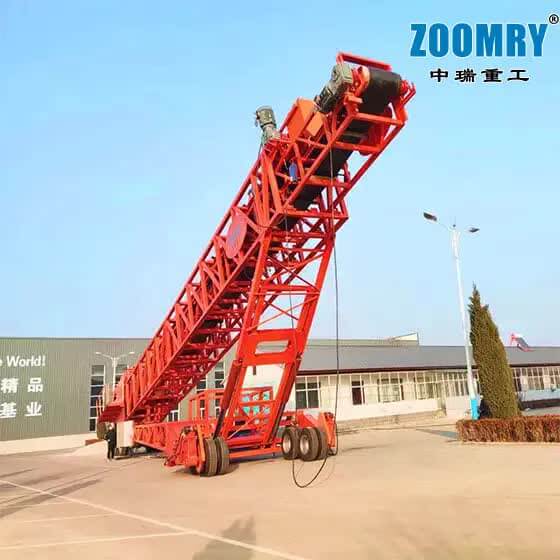
Self-propelled wheeled telescopic stacker for bulk material stockpile management.
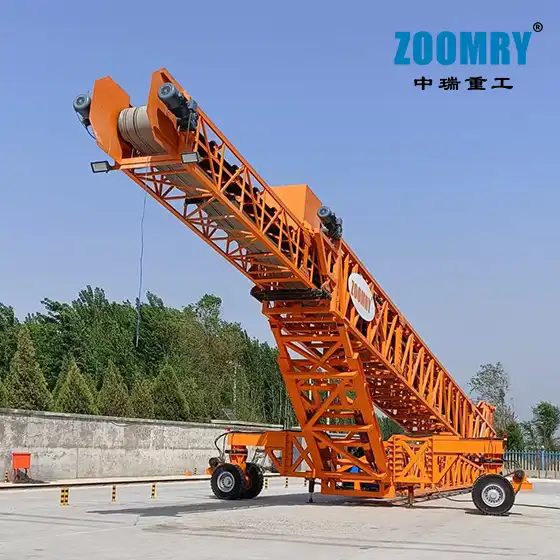
Diesel-powered radial stacking conveyor for high-volume quarry and port stockpiles.
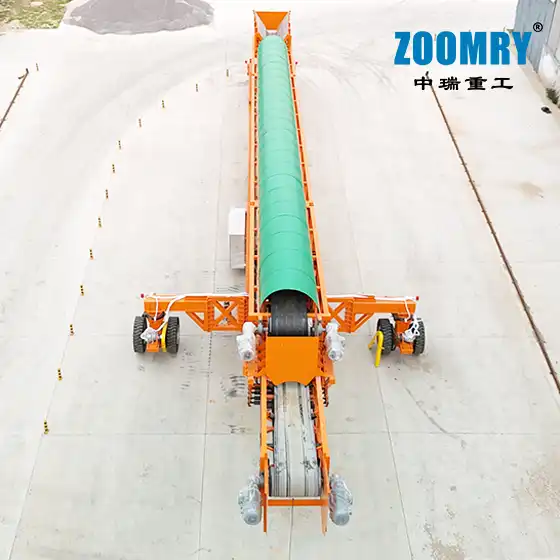
Heavy-duty tracked stacker — enhanced automation for quarry and construction sites.
Need a Stacker for Your Operation?
Contact ZOOMRY for stacker specifications, configuration options, and expert material handling recommendations.
Contact Us →