 ZOOMRY

Quick answer: Choosing a mobile ship loader depends on your quay surface, berth layout, and vessel mix. Wheeled units are best for paved quays serving multiple berths. Tracked units excel on unpaved, soft, or temporary dock sites. All-travel units maximize multi-berth efficiency by traveling along the entire quay without rails. ZOOMRY’s ZRSL series covers 100–3,500 t/h and vessels from barges to Capesize.
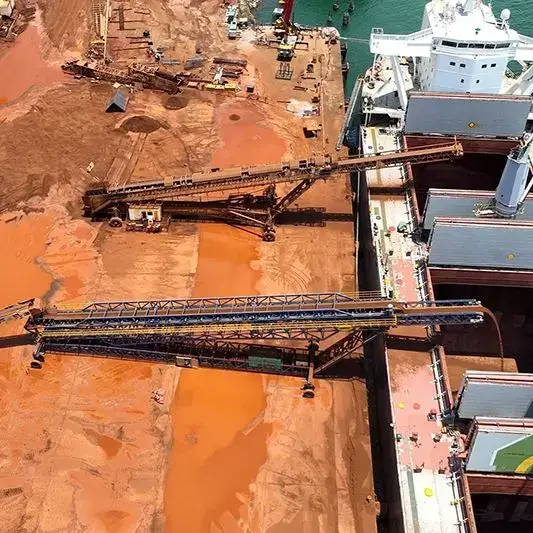
Why Choose a Mobile Ship Loader?
Traditional fixed shiploaders require substantial civil works, dedicated rails, and years of construction. A mobile ship loader is self-propelled or towable, allowing terminal operators to serve multiple berths, adapt to different vessel sizes, and deploy the system in months rather than years.
Recent project data shows that a single mobile shiploader can replace two fixed loading points, reducing total equipment investment by up to 35% and cutting deployment time by 18 months.
Configuration 1: Wheeled Mobile Ship Loader
Wheeled shiploaders use rubber tires to travel along the quay. They are the standard choice for paved, well-maintained concrete docks.
- Best for: Multi-berth container or bulk terminals with prepared concrete surfaces.
- Mobility: High. Can be towed or self-propelled to different berths.
- Capacity: Typically 100–3,500 t/h (model-dependent).
Configuration 2: Tracked (Crawler) Ship Loader
Tracked ship loaders use crawler undercarriages, similar to excavators. This design provides low ground pressure and high maneuverability on unpaved or uneven surfaces.
- Best for: Unpaved quaysides, soft ground, temporary river ports, and mining ports where civil works are not feasible.
- Mobility: Excellent. Can traverse mud, sand, and rough terrain.
- Capacity: 100–3,500 t/h.
Project data: ZOOMRY deployed tracked ship loaders in temporary African port sites, where the quay could not support heavy wheel loads. The tracked configuration prevented ground failure while maintaining 1,500 t/h loading rates.
Configuration 3: All-Travel Mobile Shiploader
An all-travel shiploader is designed to move along the entire length of the quay, serving multiple holds and multiple berths without repositioning the vessel. It combines the mobility of a mobile unit with the reach and stability of a rail-mounted system.
- Best for: Large multi-berth terminals that need to serve Panamax and Capesize vessels.
- Vessel size: Up to 180,000 DWT (Capesize).
- Boom length: Up to 65 m.
Comparison Table: Which Mobile Shiploader Fits Your Port?
| Feature | Wheeled | Tracked | All-Travel |
|---|---|---|---|
| Quay Surface | Paved / Concrete | Unpaved / Soft | Paved / Rails |
| Berths Served | Multiple | Multiple | Multiple |
| Vessel Range | Barge – Capesize | Barge – Capesize | Panamax – Capesize |
| Deployment Time | Months | Months | Months (no civil works) |
| Best Scenario | Standard multi-berth port | Temporary / mining port | High-capacity export terminal |
Key Selection Factors
- Quay condition: Paved surfaces favor wheeled units; soft or unpaved ground requires tracked configurations.
- Vessel mix: Mixed vessel sizes (barges to Capesize) favor a telescopic boom design.
- Berth count: Multiple berths favor all-travel or wheeled configurations.
- Budget and timeline: Mobile units require significantly lower CAPEX and faster deployment than fixed installations.
Frequently Asked Questions
What is the difference between a wheeled and a tracked ship loader?
Wheeled ship loaders use rubber tires and require a paved, stable quay. Tracked ship loaders use crawler tracks for low ground pressure, making them suitable for unpaved, soft, or temporary port sites.
Can a mobile ship loader handle Capesize vessels?
Yes. With a telescopic boom length of 58–67 m, a mobile ship loader can reach all hatches of a Capesize vessel (up to 180,000 DWT) from a single feed position.
What capacity range does the ZOOMRY ZRSL series cover?
The ZRSL series covers capacities from 100 to 3,500 t/h, with boom lengths from 33 to 67 meters, serving vessel classes from barges to Capesize.
How much does a mobile ship loader cost compared to a fixed one?
A mobile ship loader typically requires 40–60% lower upfront investment than a fixed installation, and avoids the multi-year civil works required for rails and foundations.
Related Products
Quay-traveling loader for multi-berth operations
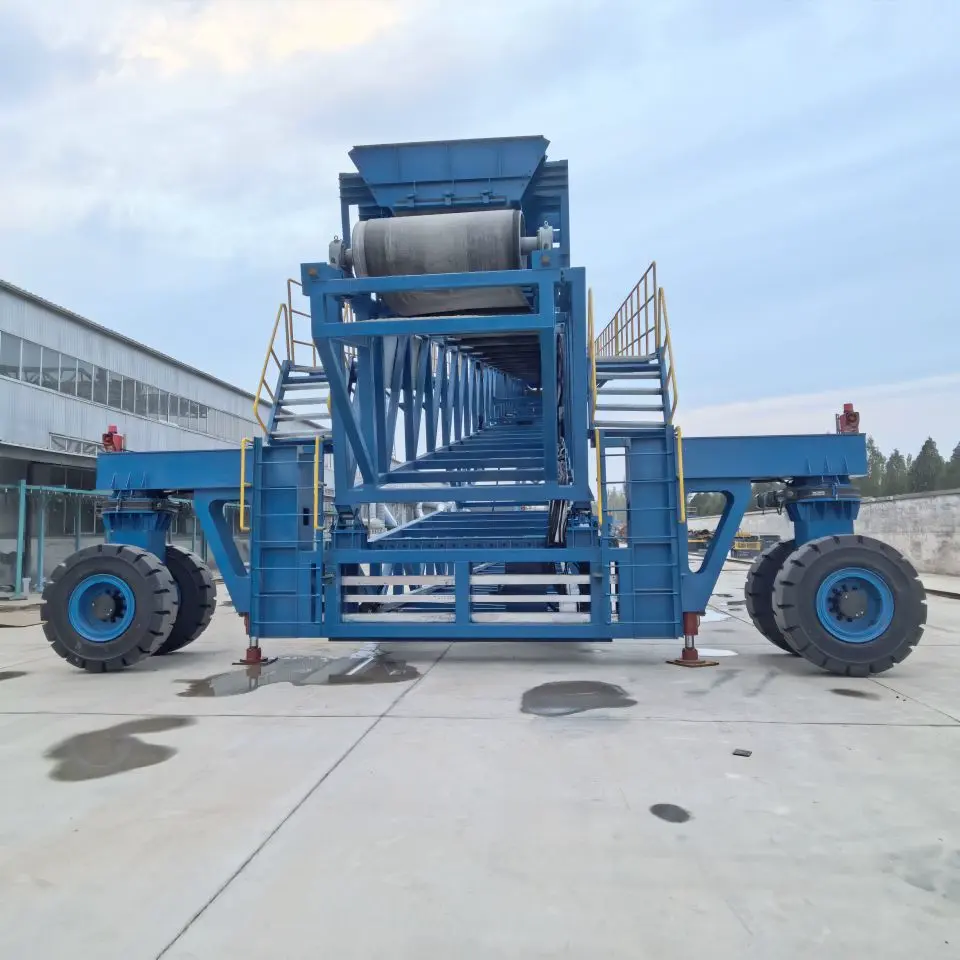
Crawler mobility for unpaved quaysides
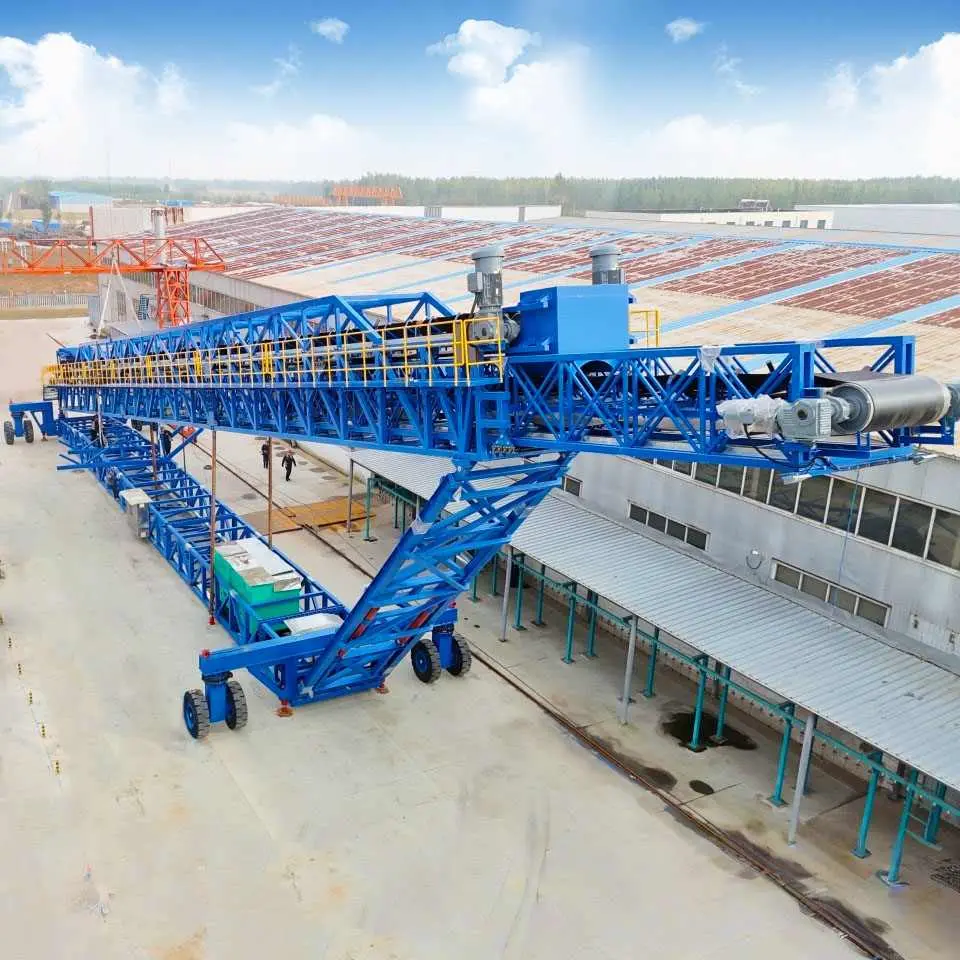
Dust-suppressed loading for coal terminals
Industry Applications
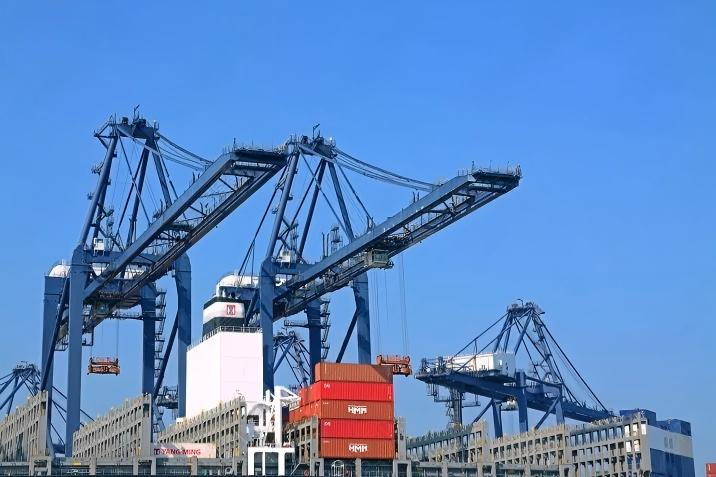
Mobile and fixed ship loading solutions
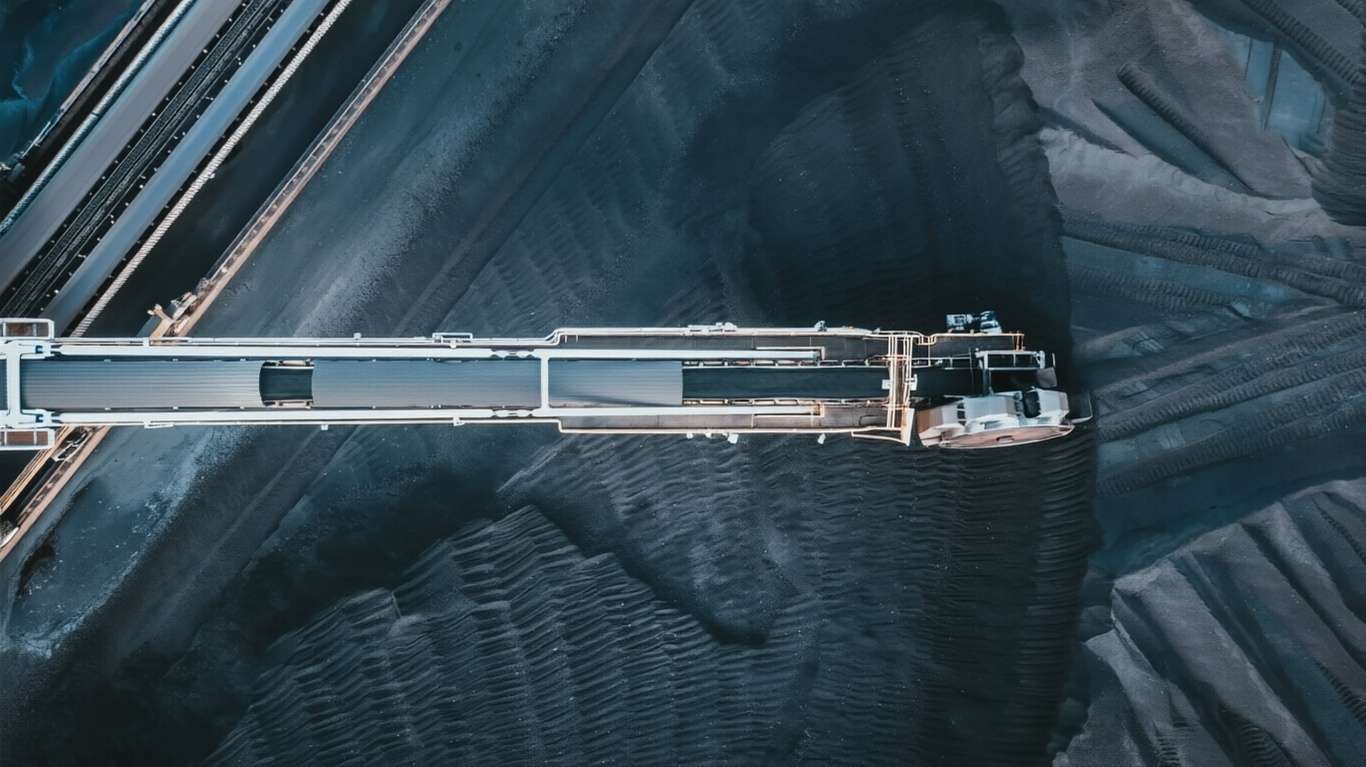
Coal export terminal loading systems
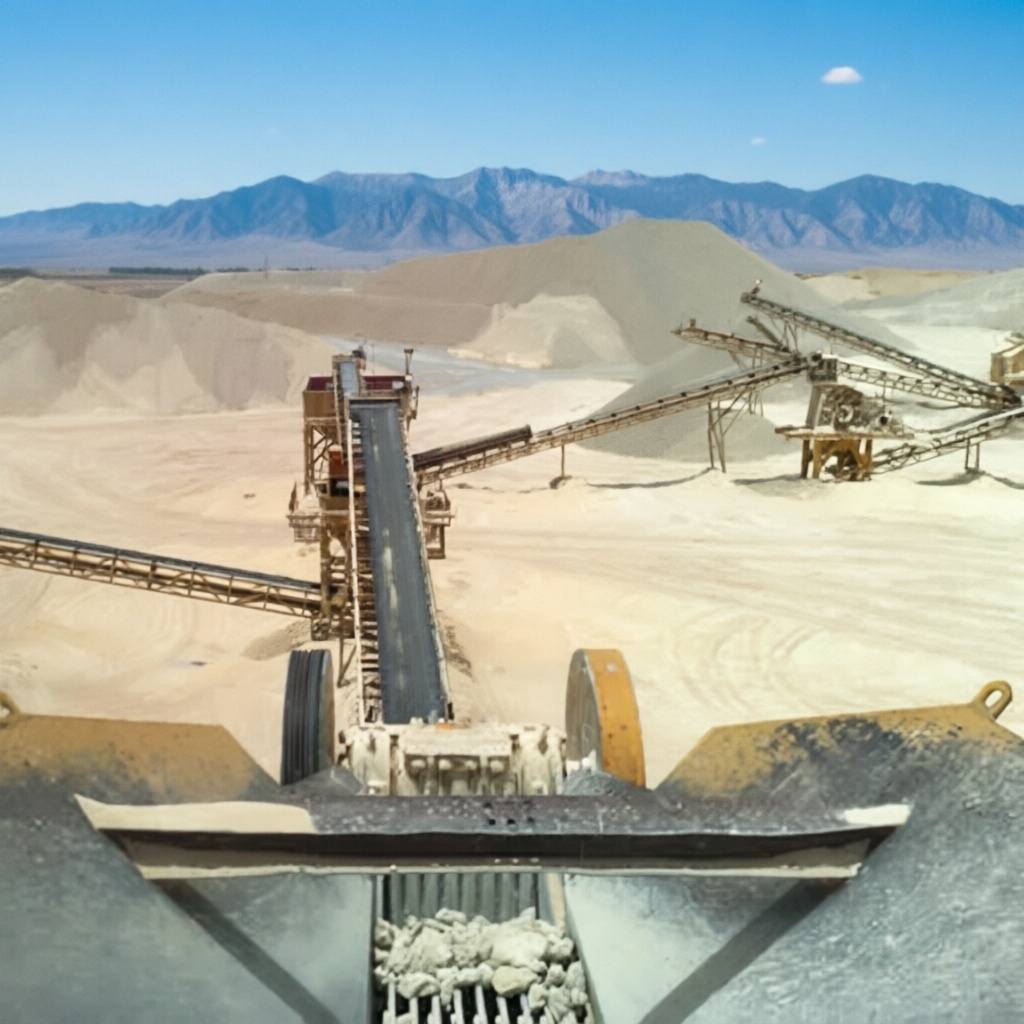
Aggregate loading for river and sea ports
Choosing Between Wheeled, Tracked, or All-Travel?
Share your berth count, vessel sizes, quay conditions, and required loading rate. ZOOMRY can determine the right mobile shiploader configuration for your terminal.
Contact Us →