 ZOOMRY

The difference between a shiploader and a ship unloader lies in the direction of material flow between the shore and the vessel. A shiploader receives bulk material from a quayside feed system and discharges it into the cargo holds of a ship, moving material from land to vessel. A ship unloader performs the opposite function — it removes bulk material from a vessel's cargo holds and transfers it to a shore-based conveyor system, moving material from vessel to land. Both are port bulk handling machines, but they are designed with fundamentally different mechanisms to handle their respective flow directions.
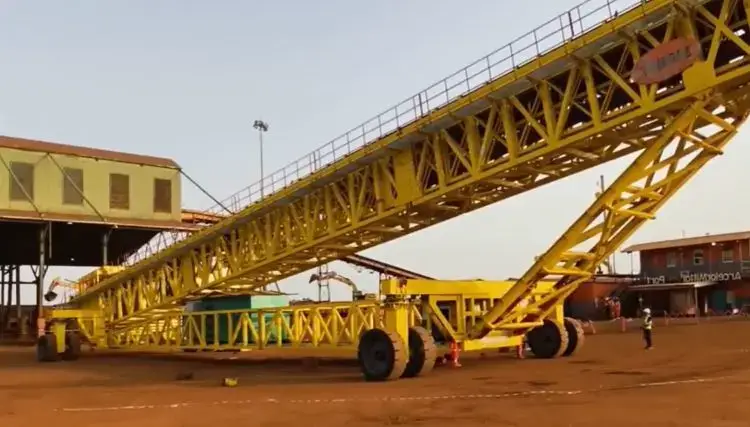
Core Functional Difference
A shiploader is positioned at the receiving end of a port's export or loading operation. It accepts material from a quayside conveyor, hopper feeder, or truck unloader and elevates it through a boom conveyor to the discharge point above the vessel's hatch. The material falls through a telescopic chute into the cargo hold. Shiploaders handle dry bulk commodities such as coal, grain, iron ore, fertilizers, and aggregates.
A ship unloader is positioned at the receiving end of a port's import or discharge operation. It uses a vertical lifting mechanism — typically a continuous chain bucket system, pneumatic suction, or grab crane — to extract material from inside the vessel's holds and transfer it to a shore conveyor. Ship unloaders are commonly used at power plants, cement terminals, and industrial facilities that receive raw materials by sea.
Key Differences at a Glance
| Comparison Factor | Shiploader | Ship Unloader |
|---|---|---|
| Material flow direction | From shore to vessel | From vessel to shore |
| Primary mechanism | Boom conveyor with telescopic chute | Chain bucket, pneumatic suction, or grab |
| Typical installation | Mobile, rail-mounted, or fixed boom | Rail-mounted gantry, portal crane, or pneumatic tower |
| Vessel interaction | Discharges into holds from above | Extracts from holds from above via lifting mechanism |
| Mobility | High — wheeled and tracked mobile options available | Low — typically fixed or rail-mounted |
| Dust control | Telescopic chute + spray systems | Enclosed conveying + dust extraction at transfer points |
| Typical user | Export terminals, mines, grain elevators | Power plants, cement plants, import terminals |
Shiploader Configurations
Shiploaders are available in several configurations to match different port conditions and vessel sizes:
- Mobile shiploaders: Wheeled or tracked units that travel along the quay to serve multiple berths and loading positions. A mobile shiploader eliminates the need for fixed rail infrastructure at each berth.
- Radial telescopic shiploaders: Slewing boom with telescopic extension covering multiple hatches from a single feed position.
- Rail-mounted shiploaders: Travel along quay rails at dedicated export berths, supporting high sustained loading rates.
Ship Unloader Configurations
Ship unloaders are classified by their extraction mechanism:
- Chain bucket unloaders: Continuous vertical chain with buckets digging into the cargo, providing steady material extraction.
- Pneumatic unloaders: Vacuum systems that suction fine materials such as cement, fly ash, and grain from the hold through enclosed piping.
- Grab unloaders: Crane-mounted clamshell grabs that lift material in discrete cycles, suitable for coarse and lumpy materials.
When a Shiploader Makes Sense
Shiploaders are specified when a terminal's primary function is loading bulk material onto vessels for export or outbound transport.
- Export terminals: Coal, iron ore, grain, and fertilizer export facilities where material flows from mine or production site to vessel.
- Mine-to-port operations: When mining operations ship product directly from the mine site to a port for loading.
- Inland waterway loading: Barge loading at river ports where truck-to-vessel transfer is the primary operation.
- Flexible berth operations: Terminals serving multiple vessel sizes and types benefit from mobile shiploader flexibility.
When a Ship Unloader Makes Sense
Ship unloaders are specified when a facility receives bulk material by vessel and must transfer it to shore-based storage or processing.
- Power plants: Coal-fired power stations receiving fuel shipments by sea require continuous ship unloading capability.
- Cement terminals: Import terminals receiving cement clinker or raw materials for local processing.
- Steel mills: Facilities importing iron ore and coking coal for blast furnace operations.
- Grain import terminals: Ports receiving grain shipments for local distribution and processing.
Project Applications
ZOOMRY has delivered port bulk handling systems for both loading and unloading applications. A representative shiploading project involved a specialized mobile shiploader for a Southeast Asian port handling palm kernel expeller and palm kernel shells, where the system was designed for dust suppression and adapted to the terminal's tidal and space constraints. On the unloading side, ZOOMRY supplied a ship unloading conveyor system for a major river port, where the installation reduced vessel turnaround time by approximately 35% compared with the previous handling method.
Key Selection Factors
- Material flow direction: Export loading requires a shiploader; import discharge requires a ship unloader.
- Vessel sizes calling at the terminal: Shiploader boom length and capacity must match the largest expected vessel class.
- Material characteristics: Abrasive, dusty, or free-flowing materials affect chute design, dust suppression, and wear protection for both equipment types.
- Quay infrastructure: Mobile shiploaders require less fixed infrastructure than rail-mounted systems. Ship unloaders generally require substantial quay structures.
- Environmental requirements: Dust control, spillage prevention, and noise limits affect configuration choices for both loading and unloading.
Frequently Asked Questions
Can a shiploader also unload ships?
No. A shiploader is designed only for loading material from shore to vessel. Its boom conveyor and telescopic chute are configured for gravity discharge into cargo holds, not for extracting material from inside a vessel. Ship unloading requires a different mechanism — chain buckets, pneumatic suction, or grab cranes — designed to lift material out of the hold.
Which is more expensive: a shiploader or a ship unloader?
Ship unloaders are generally more expensive than shiploaders of comparable capacity. The lifting mechanism — chain bucket, pneumatic, or grab — requires more complex engineering than a boom conveyor. Additionally, ship unloaders typically require heavier quay structures to support their weight and operating loads.
Can a mobile shiploader serve multiple berths?
Yes. Mobile shiploaders with wheeled or tracked undercarriages can travel along the quay to serve multiple loading positions. This flexibility reduces total equipment investment compared with installing fixed shiploaders at each berth, and it allows a single machine to handle vessels of different sizes at different quay positions.
What types of bulk materials can shiploaders and ship unloaders handle?
Shiploaders handle free-flowing dry bulk materials including coal, grain, iron ore, fertilizers, aggregates, and palm kernel products. Ship unloaders handle the same general category of materials, but the specific mechanism — chain bucket, pneumatic, or grab — is selected based on material density, particle size, and flow characteristics. Fine powders are typically unloaded with pneumatic systems, while coarse and lumpy materials favor grab or chain bucket systems.
Related Products
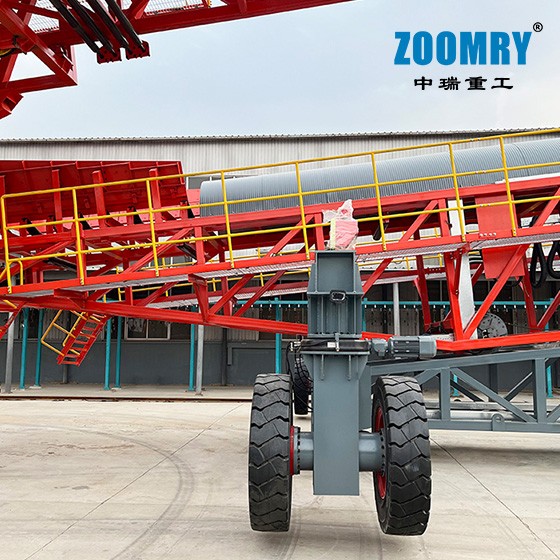
Quay-traveling loader for multi-berth export operations
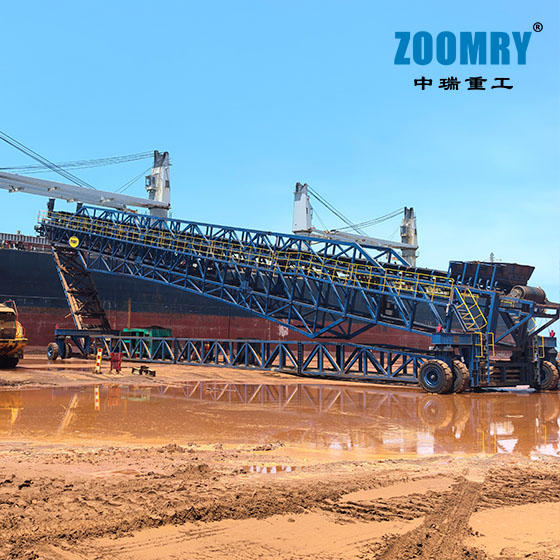
Multi-hatch loading from a single feed position
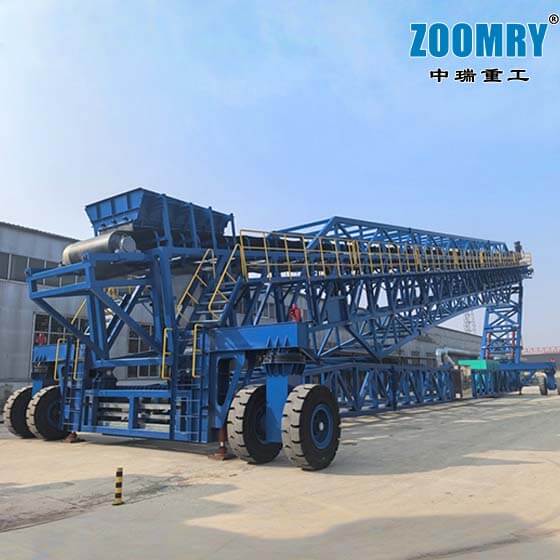
Crawler mobility for unpaved quaysides and soft ground
Industry Applications
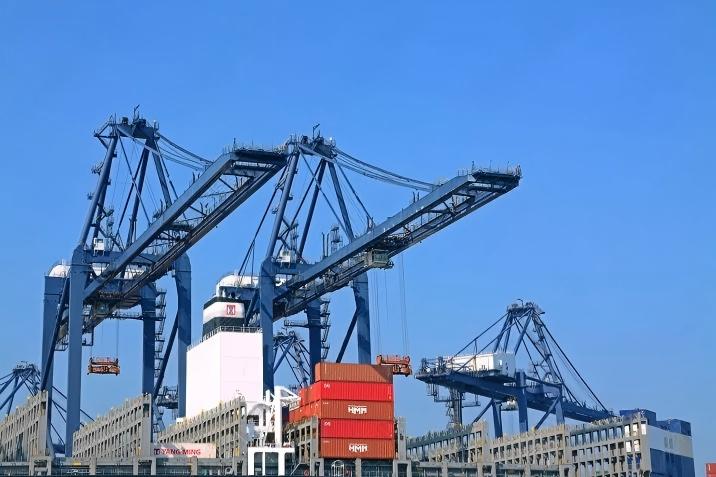
Ship loading and unloading solutions for bulk terminals
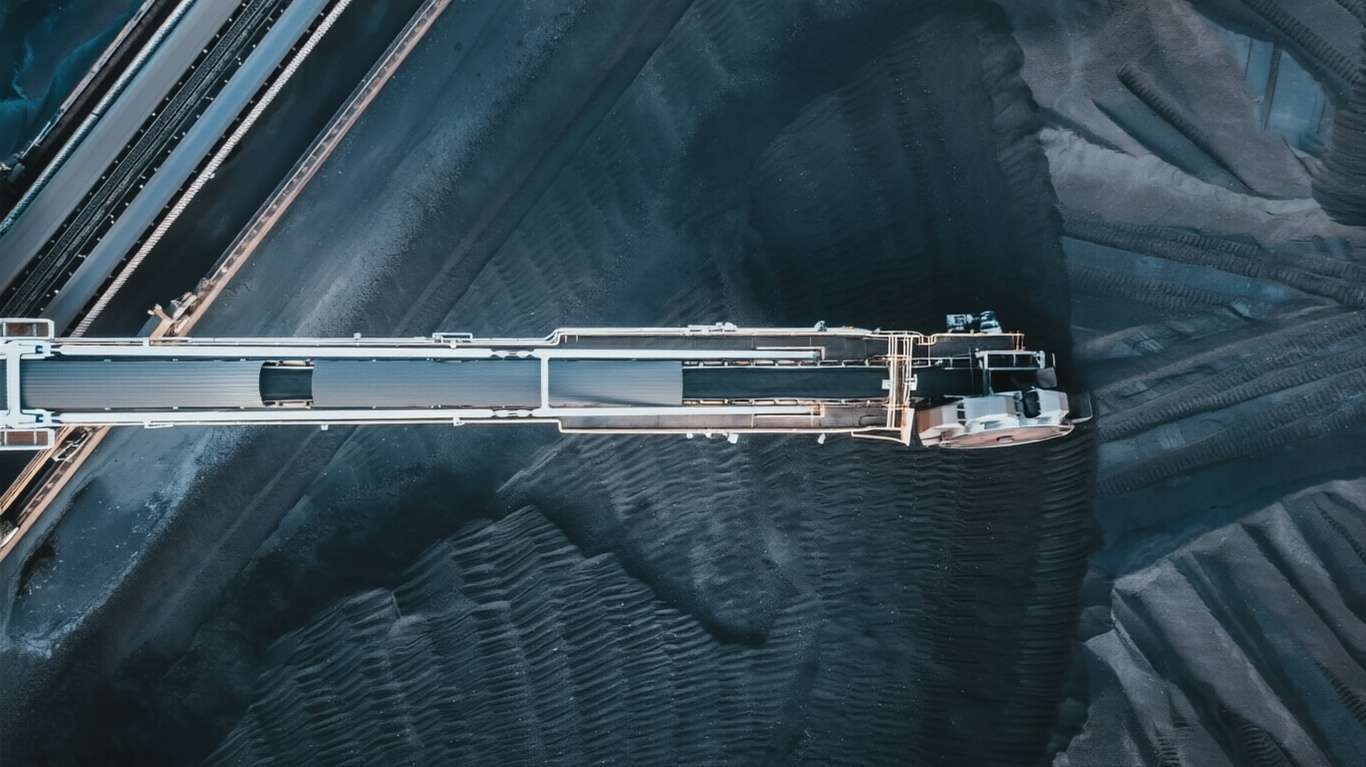
Coal export loading and import receiving solutions
Planning a Ship Loading or Unloading System?
Share your material type, vessel sizes, and terminal layout. ZOOMRY can help determine whether a shiploader, ship unloader, or combined port handling system fits your operation.
Contact Us →