 ZOOMRY

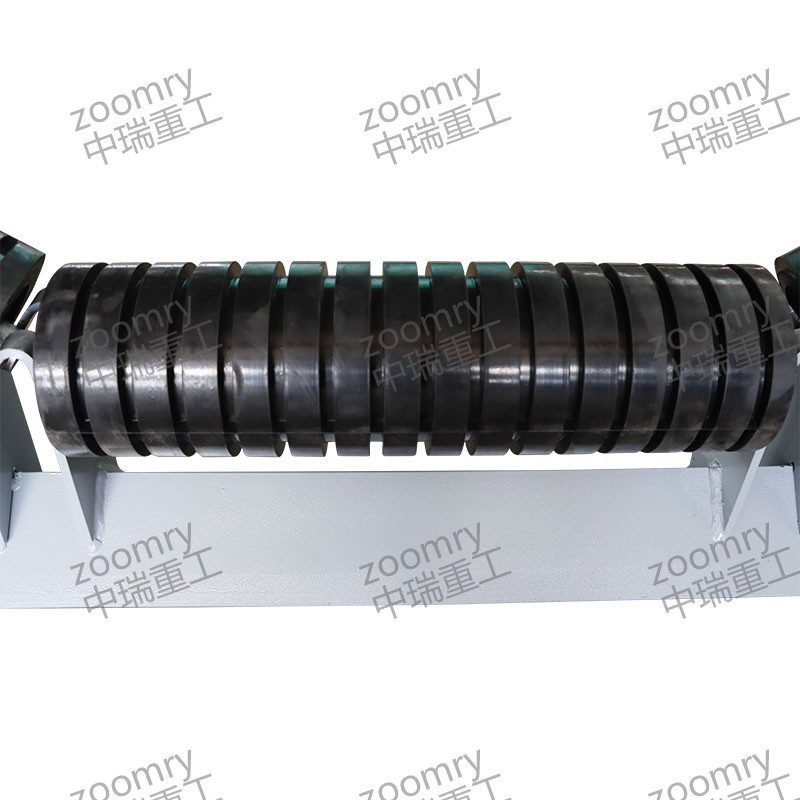
Impact Roller Overview
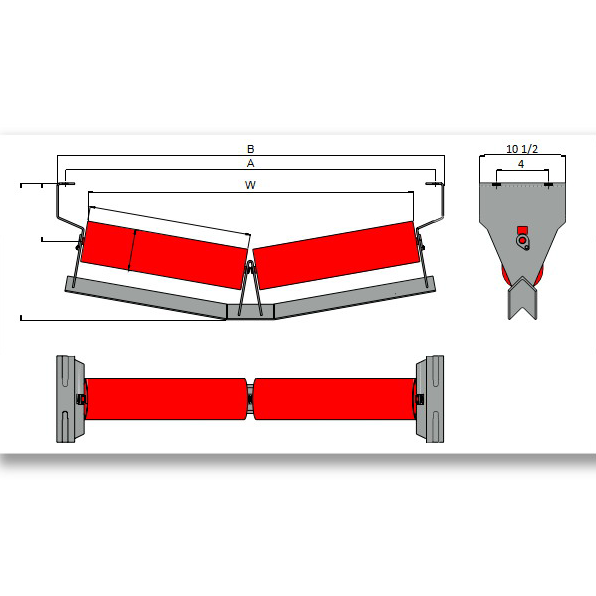
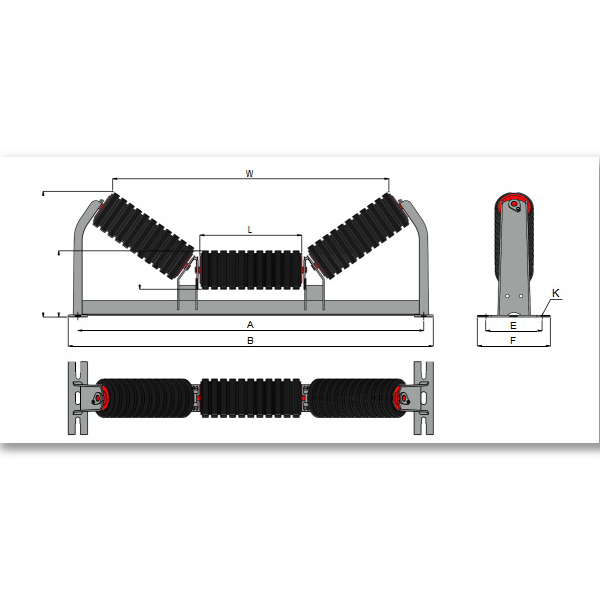
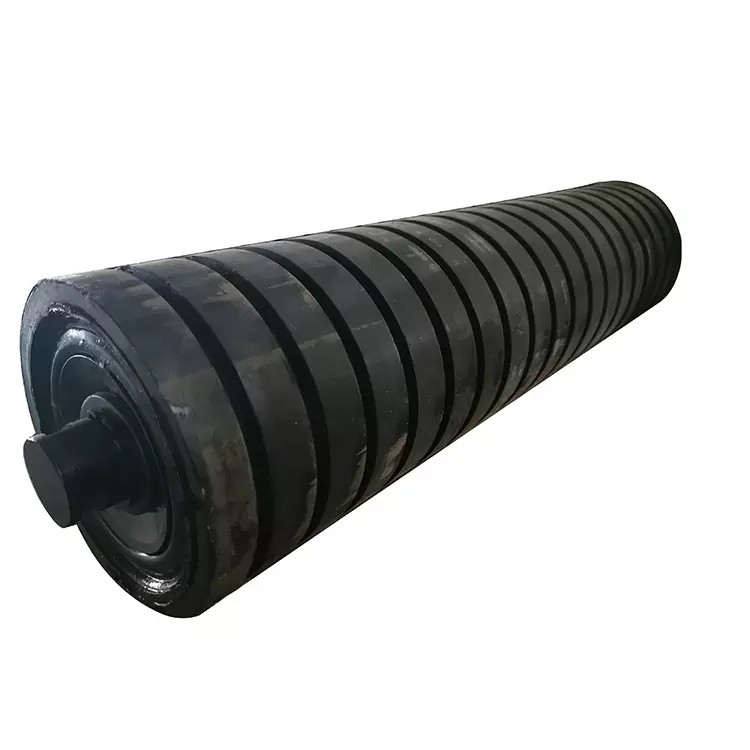
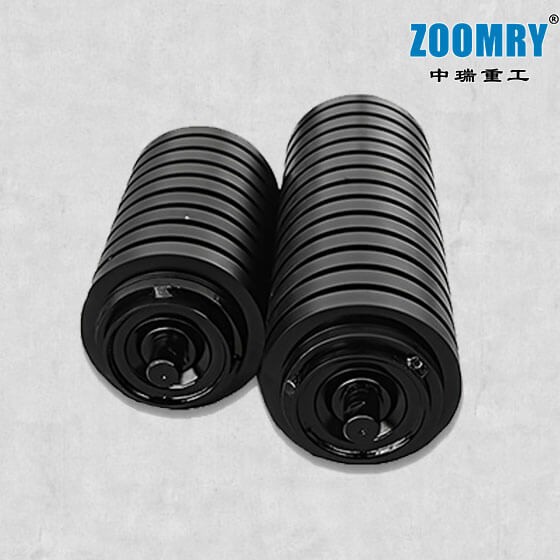
ZOOMRY impact rollers — also known as impact idlers — are rubber-ring idlers designed for conveyor loading and transfer zones where falling material creates repeated impact on the belt. Compared with standard steel rollers, the resilient rubber-ring surface provides localized cushioning at the belt contact area, helping reduce impact-related stress on the belt and idler assembly. These impact roller conveyor components are commonly used below crusher discharge points, transfer chutes, and feed zones in mining, quarry, and bulk-material handling systems.
Available in diameters from 89 mm to 219 mm, configured for belt widths from 500 mm to 2,400 mm. For high drop heights or heavy impact energy, impact rollers are often combined with conveyor impact beds and skirtboard sealing for comprehensive belt protection.
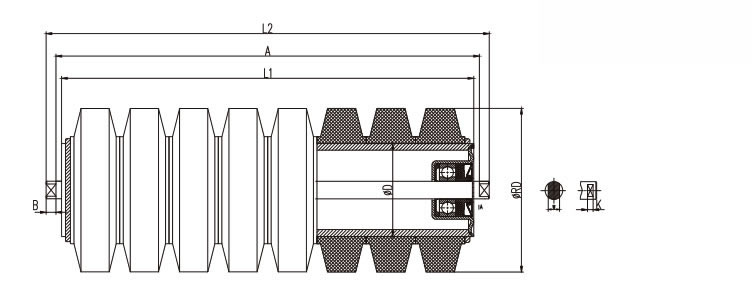
How Rubber-Ring Cushioning Works
At a conveyor loading zone, material drops from a crusher, feeder, or preceding conveyor onto the belt surface. Each impact creates a localized stress concentration at the contact point. A standard steel roller has minimal deformation capacity — impact force is transmitted almost directly to the belt carcass and roller bearings.
The impact roller addresses this through rubber rings bonded to the steel roller shell. When material strikes the belt above the roller, the rubber rings compress slightly, spreading the impact force over a larger contact area and a longer time interval. This helps reduce peak stress on the belt and idler assembly.
Key Features
- Rubber-Ring Cushioning Surface: Resilient rubber rings provide localized belt cushioning at impact points.
- Wear and Impact Resistance: Rubber rings heat-cured to steel shell for adhesion under repeated impact loading.
- High Loading Capacity: Steel shell and bearing configuration designed for transfer point duty.
- Labyrinth Sealing: Multi-stage seals protect bearings from dust and moisture.
- Sealed Ball Bearings: Maintenance-friendly design reduces lubrication requirements.
Impact Roller vs Standard Steel Roller
| Feature | Impact Roller | Standard Steel Roller |
|---|---|---|
| Roller Surface | Rubber rings bonded to steel shell | Smooth steel shell |
| Impact Cushioning | Localized rubber-ring compression | Minimal — rigid steel surface |
| Best For | Loading zones, crusher discharge, transfer points | Standard carrying and return sections |
Impact Roller Specifications
| Diameter (mm) | Diameter (Inch) | Length Range (mm) | Bearing Type | Shell Wall |
|---|---|---|---|---|
| 89 | 3 1/2 | 150–3,500 | 204, 205 | 3.0–4.5 mm |
| 102 | 4 | 204, 205, 206, 305 | 3.2–4.5 mm | |
| 108 | 4 1/4 | 204, 205, 206, 305, 306 | 3.5–4.5 mm | |
| 114 | 4 1/2 | 204, 205, 206, 305, 306 | 3.5–4.5 mm | |
| 127 | 5 | 204, 205, 206, 305, 306 | 3.5–5.0 mm | |
| 133 | 5 1/4 | 204, 205, 206, 207, 305, 306 | 3.5–5.0 mm | |
| 152 | 6 | 205, 206, 207, 305, 306, 307, 308 | 4.0–5.0 mm | |
| 159 | 6 1/4 | 205, 206, 207, 305, 306, 307, 308 | 4.0–5.0 mm | |
| 194 | 7 5/8 | Project-specific | 207, 306, 307, 308, 309, 310 | 4.5–8.0 mm |
| 219 | 8 5/8 | 308, 309, 310, 312 | 4.5–8.0 mm |
Standard configuration diameters: 89 mm, 108 mm, 133 mm, 159 mm, 194 mm, 219 mm. Other diameters may be evaluated according to project requirements. Exact roller length and bearing confirmed during quotation.
Related Products
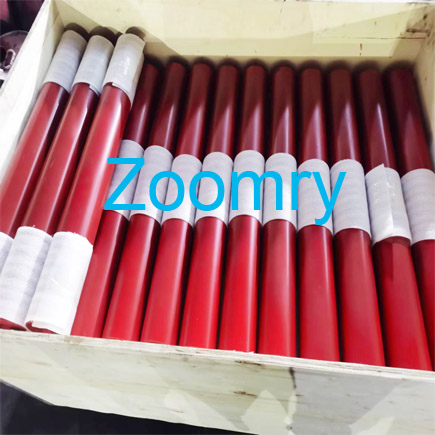
High-load steel rollers for abrasive mining applications.
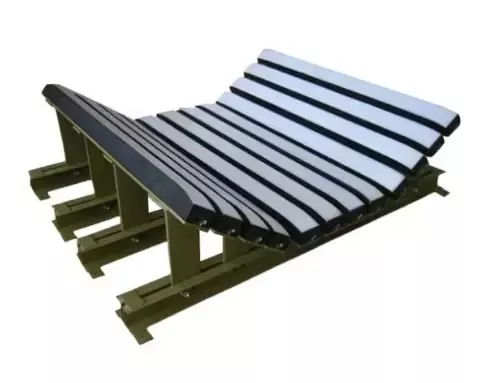
Continuous belt support for extreme impact conditions.
Industry Solutions
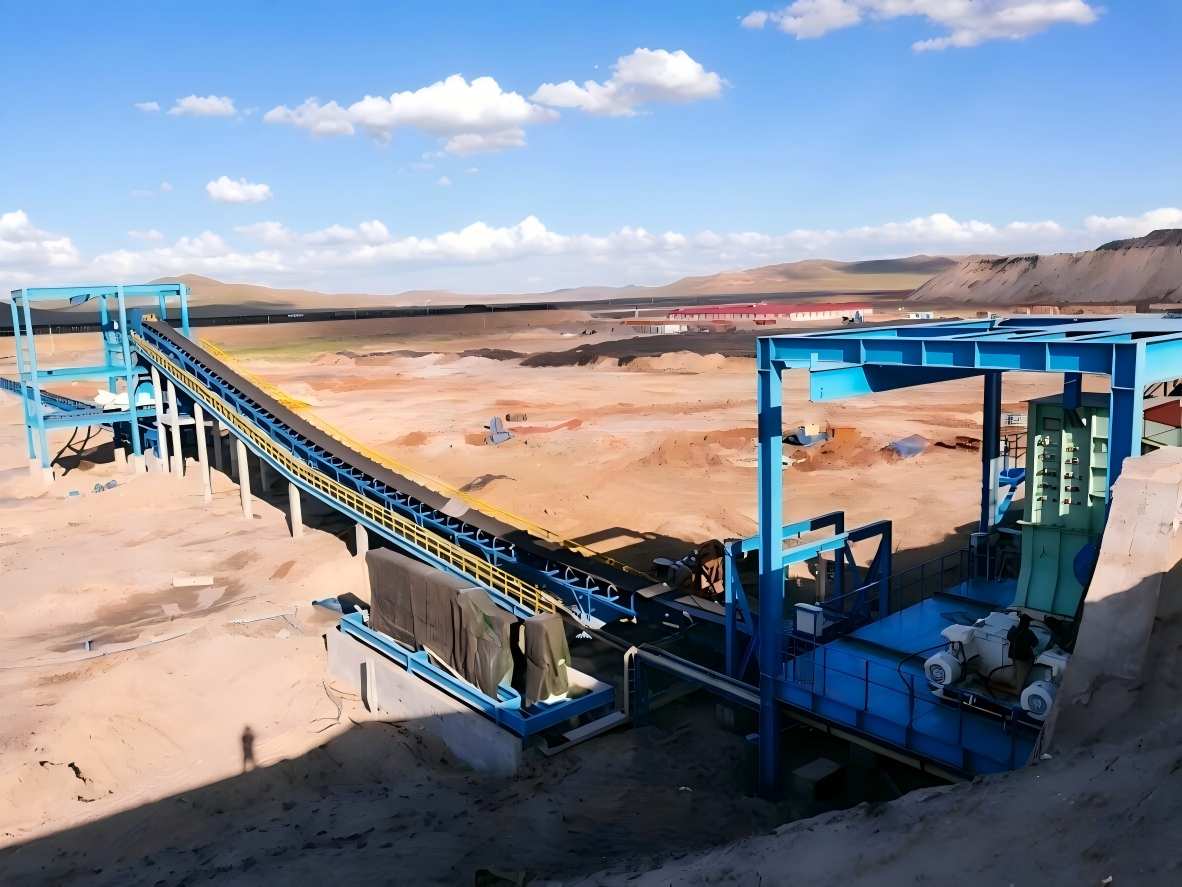
Impact rollers for crusher discharge and ore loading zones.
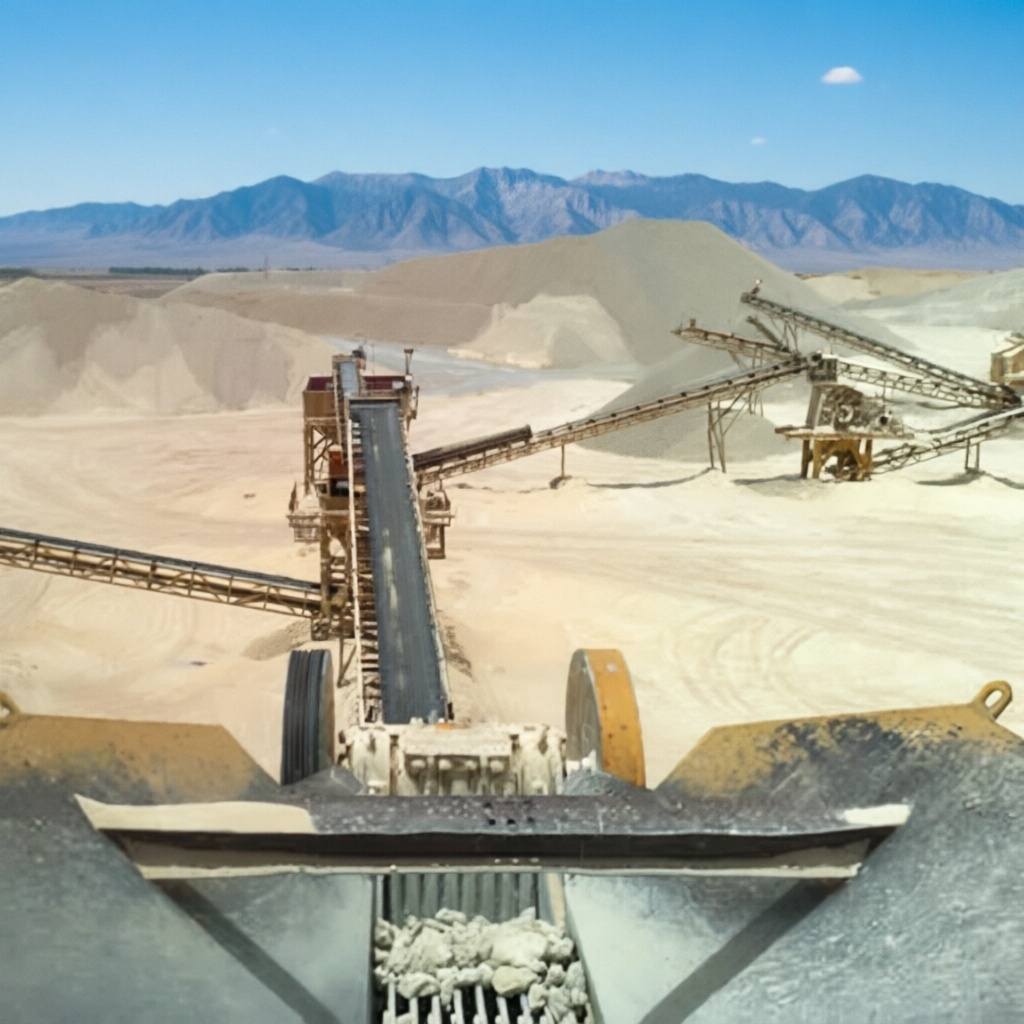
Impact protection for quarry conveyor loading points.
Need Impact Rollers for Your Loading Zone?
Tell us your material lump size, drop height, and belt width — our engineers will recommend the right impact roller configuration.
Request Impact Roller Recommendation →