 ZOOMRY

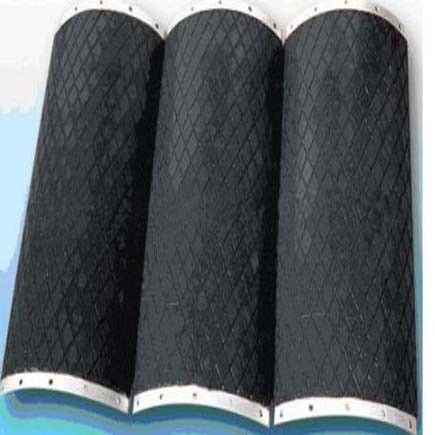
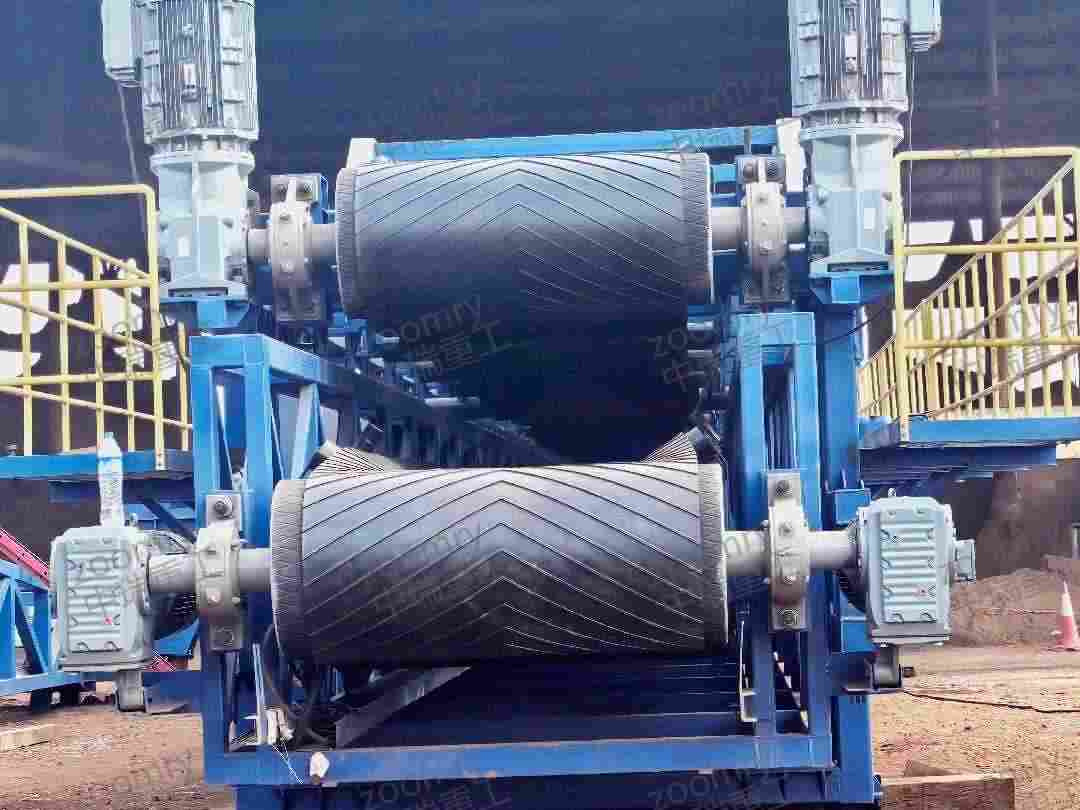
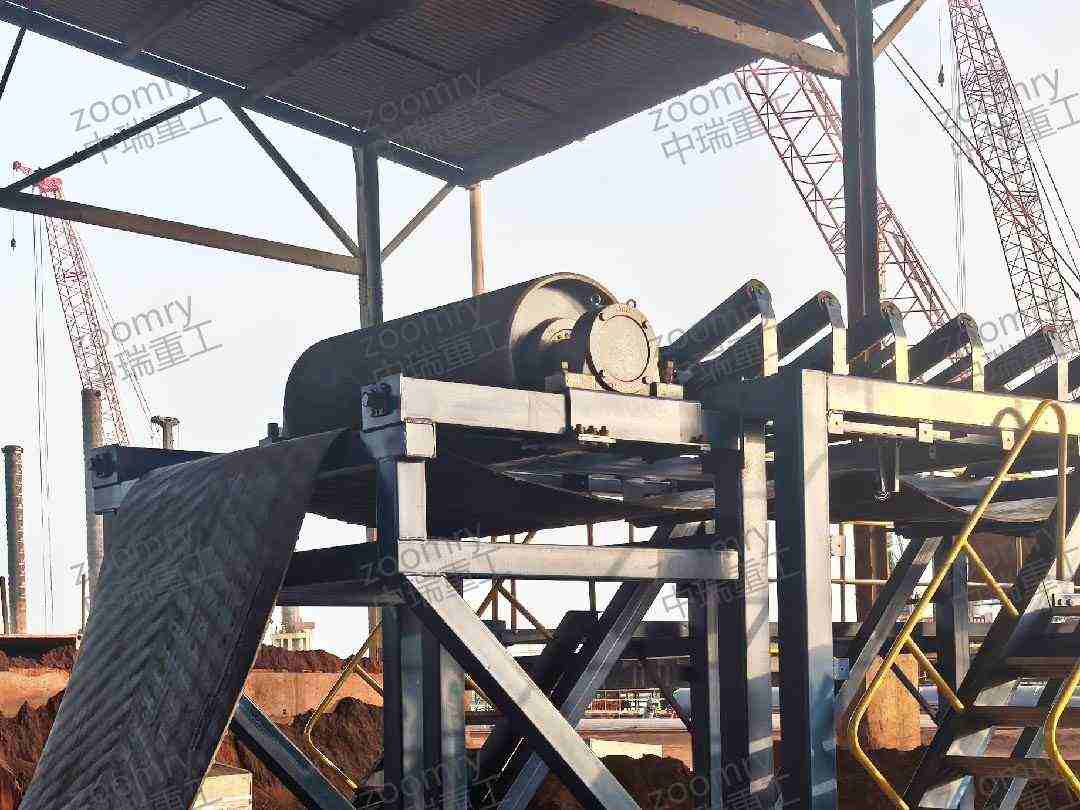
ZOOMRY replaceable pulley lagging is a modular pulley protection and maintenance solution for recovering suitable worn pulleys and protecting new pulley shells. Each system is engineered around the specific pulley dimensions and is designed to cover the pulley face with replaceable steel-backed rubber or ceramic lagging plates. For suitable applications, the lagging can be installed and replaced on-site without removing the pulley from the conveyor, helping reduce maintenance disruption compared with conventional full pulley re-lagging.
The system is designed for demanding mining, cement, and quarry operations where pulley maintenance windows are limited and conveyor availability is important. Rubber and ceramic lagging options can be selected according to belt tension, conveyed material, moisture, abrasiveness, and operating conditions. Final installation methods depend on pulley condition, site access, lockout procedures, and approved maintenance requirements.
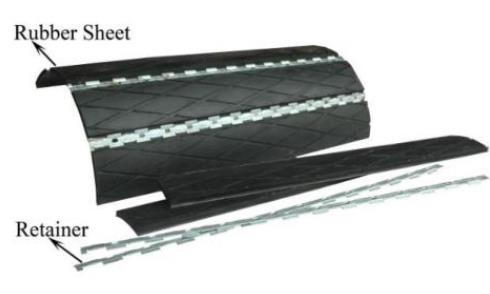
ZOOMRY Replaceable Pulley Lagging — Modular lagging plates designed for on-site maintenance without removing the pulley from the conveyor in suitable applications
Why Choose Replaceable Lagging Over Traditional Lagging?
Conventional pulley lagging maintenance may require the pulley to be removed from the conveyor, transported for re-lagging, and reinstalled. Depending on pulley size, site access, lifting arrangements, and maintenance procedures, this can require a longer shutdown window and additional logistics. For critical drive pulleys in continuous mining, cement, aggregate, and bulk material handling operations, maintenance planning is therefore an important part of overall conveyor availability.
Replaceable lagging provides an alternative maintenance approach for suitable pulleys. The system uses an engineered retainer arrangement and pre-manufactured lagging plates that are installed sequentially around the pulley face. When the wear surface reaches its replacement condition, the lagging plates can be removed and renewed during a planned maintenance procedure while the pulley remains in the conveyor structure. This approach can help reduce field labor, lifting requirements, and maintenance disruption compared with conventional full pulley re-lagging.
Design Features
- Reduced maintenance disruption — The modular design is intended to reduce field labor and maintenance scope compared with conventional full pulley removal and re-lagging, subject to site access and approved work procedures.
- Broad lagging coverage — The plate arrangement is designed to provide extensive pulley-face coverage and stable belt-to-pulley contact with fewer exposed gaps than some conventional strip-lagging arrangements.
- 3/16" solid steel backing plate — Provides a rigid foundation for the lagging plate and helps protect the pulley shell from abrasive operating conditions.
- Controlled vulcanization process — Rubber-to-steel bonding is completed through a controlled vulcanization process to support consistent plate quality and service performance.
- 1/2" SBR rubber compound — A 60–65 durometer SBR compound is available for a range of bulk material handling applications; final rubber selection should be confirmed against the material, belt, and environmental conditions.
- Field-replaceable wear plates — Worn lagging plates can be removed and replaced as part of a planned maintenance procedure without removing the pulley from the conveyor in suitable applications.
- Engineered pulley-face profile — A rolled crown or project-specific pulley-face profile can be incorporated to support belt tracking requirements when appropriate for the conveyor design.
- Diamond-grooved rubber surface — The standard grooved surface is designed to assist water drainage and maintain contact in wet or dusty conveying conditions.
- Rubber and ceramic options — Lagging material can be selected according to required traction, abrasion resistance, moisture exposure, and conveyed material characteristics.
How Does On-Site Replacement Work?
The replaceable slide lagging system is engineered around the dimensions and operating duty of the individual pulley. During initial installation, the retainer arrangement is installed according to the approved engineering, welding, and maintenance procedure. Pre-manufactured lagging plates, consisting of steel backing with vulcanized rubber or ceramic wear surfaces, are then fitted sequentially into the retainer system to cover the pulley face.
When the lagging wear surface reaches its replacement condition, maintenance personnel can remove the worn plates and install replacement plates during a scheduled shutdown. The pulley remains in the conveyor structure, while the final work scope is determined by pulley size, belt tension, available access, lifting requirements, lockout procedures, and site safety rules. This maintenance approach can be particularly valuable for suitable quarry duty pulleys and other critical Conveyor Pulleys where reducing maintenance duration is a priority.
Replaceable Lagging vs Conventional Re-Lagging
| Feature | Replaceable Pulley Lagging | Conventional Full Re-Lagging |
|---|---|---|
| Maintenance Method | Modular wear plates are replaced through the engineered retainer system | Existing lagging is stripped and the pulley is re-lagged as a complete unit |
| Pulley Removal | Designed to retain the pulley in the conveyor structure for suitable applications | May require pulley removal depending on the selected re-lagging method |
| Maintenance Planning | Supports scheduled replacement of the wear surface | Usually requires broader planning for pulley access, removal, transport, and reinstallation |
| Best Application | Critical pulleys where on-site maintenance access and planned replacement are important | Pulley refurbishment, major repairs, or applications not suited to modular lagging |
| Lagging Selection | Rubber, ceramic, or project-specific wear-surface options | Rubber, ceramic, cold-bonded, hot-vulcanized, or other conventional options |
Typical Applications
Replaceable pulley lagging is suited to conveyor operations where pulley availability, planned maintenance, and field access are important considerations. It can be considered for drive pulleys on long-distance belt conveyors, mine trunk conveyors, quarry conveying lines, cement raw-material handling systems, and other bulk material applications with abrasive, wet, or high-duty operating conditions.
The retainer system and lagging plates are engineered for the specific pulley rather than supplied as a universal replacement part. This allows the lagging configuration to account for pulley diameter, face width, shell condition, crown profile, belt width, belt tension, material characteristics, and the available maintenance space. For remote sites, maintaining an inventory of compatible replacement plates may also support faster planned maintenance response.
What Information Is Needed for Replaceable Lagging Selection?
- Pulley diameter, face width, shell thickness, and pulley drawing if available
- Belt width, belt speed, belt tension, and drive power
- Current lagging type, wear condition, and maintenance history
- Material abrasiveness, moisture content, and operating environment
- Existing pulley crown profile, belt tracking condition, and lagging surface requirements
- Available maintenance access, lifting arrangement, safety requirements, and planned shutdown window
Related Industry Solutions
Need Replaceable Pulley Lagging for Your Conveyor?
Send us your pulley dimensions, belt data, operating conditions, and maintenance requirements. ZOOMRY engineers will evaluate a replaceable lagging configuration for your application.
Request a Lagging Recommendation →