 ZOOMRY

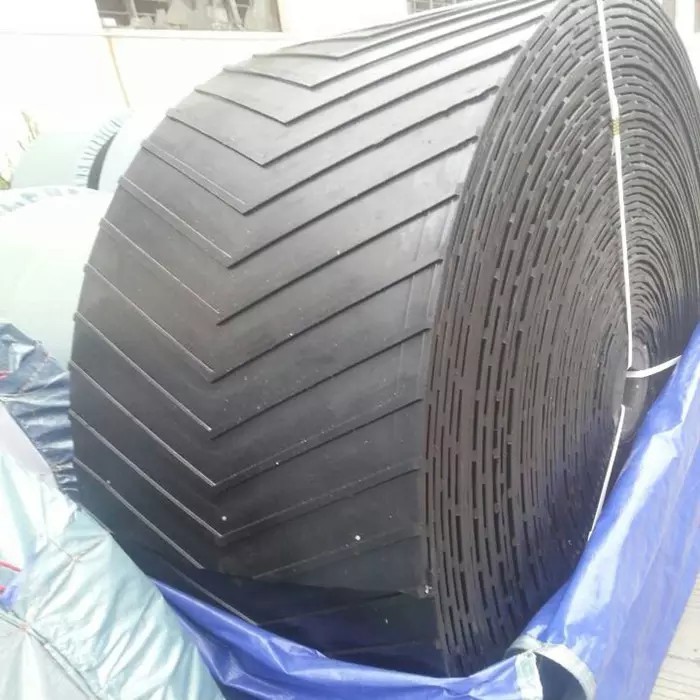
ZOOMRY patterned Conveyor Belts consist of a belt carcass with a molded surface pattern — the pattern shape, angle, pitch, and height varying to match different conveyor gradients and material characteristics. Available in chevron, herringbone, rough top, diamond, and other profiles, these belts prevent material rollback and spillage on inclined conveyors up to 45°. With integral vulcanization of cover rubber and cleats, there are no joints in the belt carcass — ensuring long service life and reliable performance in mining, quarry, construction, and recycling applications where standard flat conveyor belts cannot maintain grip on steep inclines.
Why Choose Patterned Belts for Inclined Conveying?
Standard flat conveyor belts rely on friction alone to prevent material from sliding backward on an incline. As the angle increases, material begins to roll or slide down the belt surface — reducing effective throughput and creating spillage at the loading point. A patterned belt solves this by providing raised cleats or profiles that physically prevent material movement, allowing conveyors to operate at steeper angles without material rollback.
This means shorter conveyor lengths for the same elevation gain — reducing capital cost, footprint, and energy consumption. For quarry and mining operations where space is limited or where a shorter conveyor reduces civil engineering requirements, patterned belts offer a cost-effective alternative to multiple transfer points or large inclination conveyor systems.
Specification
| Patterned Conveyor Belt Specifications | ||
|---|---|---|
| Type | Wear-Resistant, Impact-Resistant | Flame-Retardant, Ripstop Steel Cord |
| High Temperature-Resistant, Cold-Resistant | Tube, Bucket Elevator | |
| Chemical-Resistant, Oil-Resistant | Chevron, Corrugated Sidewall | |
| Width | 300 – 3200 mm | |
| Belt Material | Polyester, Cotton, Nylon, Steel Cord | |
| Tensile Strength | 8 – 25 MPa | |
| Standard | DIN, JIS, AS, GB, RMA | |
How to Select the Right Pattern Type?
The pattern shape, angle, pitch, and height are intricately designed for specific applications. Two main types are available:
- Open Type: Cleats are spaced apart, allowing material to sit between patterns. Best for bulk materials such as powders, granules, and aggregates with slopes up to 45°.
- Closed Type: Continuous pattern with minimal gaps. Ideal for packaged products and materials that require maximum surface contact to prevent sliding.
The choice of pattern height and pitch depends on material particle size, conveyor angle, and throughput requirements. ZOOMRY's engineering team can recommend the optimal cleat configuration based on your specific material and incline angle.
Advantages
- Long service life: The integral vulcanization of cover rubber and cleats eliminates weak points — no separate cleat bonding that can peel or delaminate under load.
- No joints in the belt carcass: The continuous carcass construction with molded patterns eliminates the need for mechanical fasteners or separate cleat attachments.
- Integral vulcanization of top cover and cleats: The pattern and belt cover are a single vulcanized unit — ensuring maximum bond strength and uniform wear characteristics.
- Precision pattern design: Cleat pattern, angle, and pitch are intricately created to match specific material and incline requirements — not generic one-size-fits-all profiles.
- Open and closed types available: Both types are appropriate for bulk or packaged products such as powder and granules with slopes less than 45° — providing flexibility for different material handling needs.
Related Industry Solutions
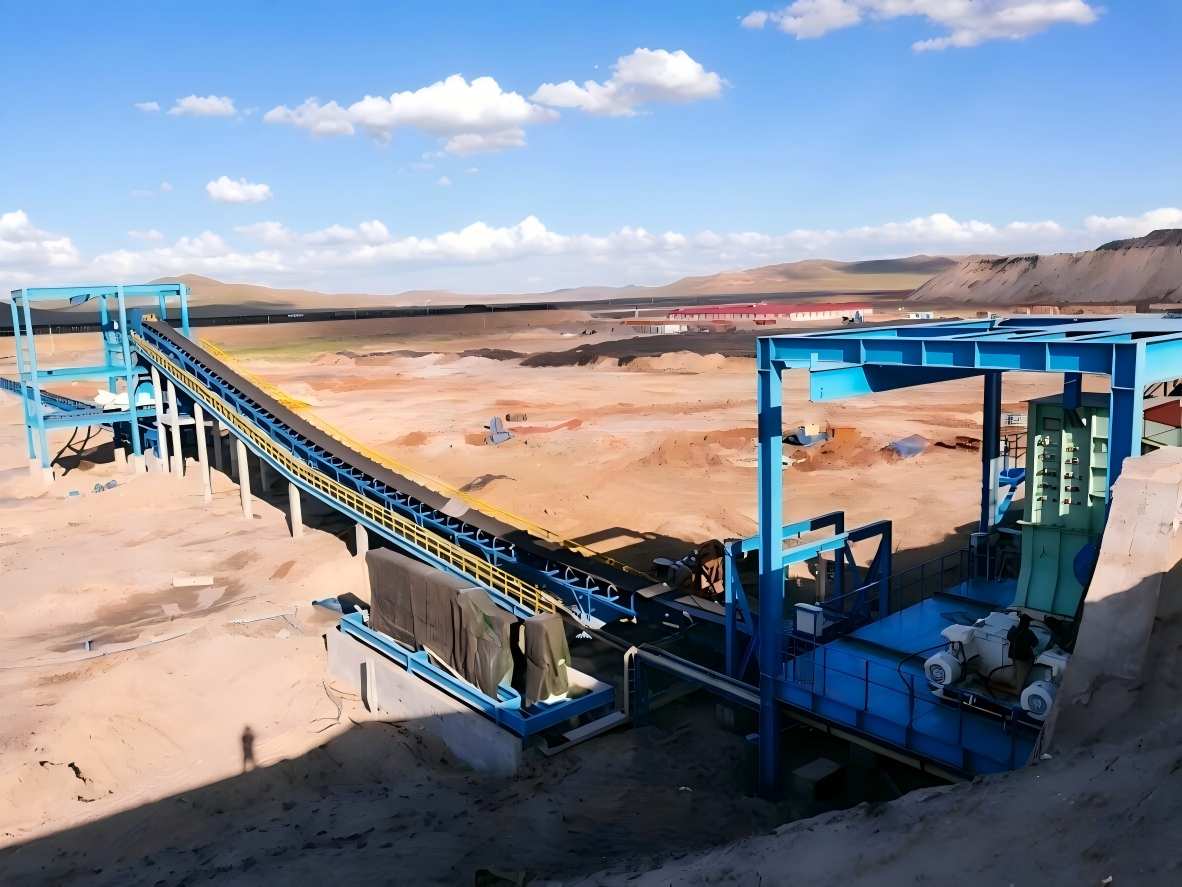
Need Custom Patterned Conveyor Belts?
Contact ZOOMRY for chevron, herringbone, and custom patterned conveyor belts engineered to your specific incline angle and material requirements.
Contact Us Today