 ZOOMRY

Maintenance of conveyor rollers – Bearing, Seal & Service Life Guide
Conveyor rollers are the most numerous wearing components in any belt conveyor system — a single long-distance conveyor may contain thousands of rollers. Proper maintenance directly impacts system reliability, energy consumption, and belt life. ZOOMRY conveyor rollers are engineered for 50,000+ hour service life in mining, cement, and port operations. This guide covers the five key maintenance practices that maximize roller lifespan and prevent premature failure.
1. Establish a Regular Maintenance Schedule
The normal service life of quality conveyor rollers exceeds 20,000 hours under proper operating conditions. While ZOOMRY rollers require minimal routine maintenance due to sealed bearings, the operating environment and load conditions determine the appropriate maintenance interval. Establish a documented maintenance schedule based on your site conditions:
| Operating Environment | Inspection Frequency | Key Focus Areas |
|---|---|---|
| Clean, indoor — packaging, manufacturing | Quarterly | Visual inspection, noise check |
| Moderate dust — quarry, aggregate | Monthly | Cleaning, rotation check, bearing listen |
| Heavy dust/abrasive — mining, cement | Bi-weekly | Clean material buildup, full rotation inspection |
| Corrosive/marine — port, salt, fertilizer | Weekly | Corrosion check, seal inspection — use HDPE rollers |
During each inspection, clean accumulated material (floating coal, ore dust, aggregate fines) from the roller surface and bearing area. Replace any idlers that show abnormal noise, rough rotation, or complete seizure immediately — a single seized roller can damage the Conveyor Belt within hours.
2. Bearing Replacement — Correct Installation Procedure
When bearing replacement is necessary, follow these critical steps to avoid premature failure:
- Bearing cage orientation: The opening of the bearing cage must face outward. Incorrect orientation prevents proper grease distribution and causes early bearing seizure.
- Clearance maintenance: After installation, maintain appropriate internal clearance. The bearing must not be crushed or preloaded — this generates excessive heat and accelerates wear.
- Use original ZOOMRY bearings specified for the roller model. Generic substitutes may not meet the load rating or dimensional tolerances required.
3. Labyrinth Seal Assembly — Correct Procedure
The labyrinth seal is the primary defense against dust and moisture ingress. During assembly:
- Always use original labyrinth seal components — aftermarket seals may not maintain the correct tortuous gap dimensions
- Insert inner and outer seal rings separately into the roller housing — do not pre-assemble them together before insertion
- Verify the seal gap is uniform around the entire circumference after assembly
Improper seal assembly is the leading cause of premature roller failure in dusty environments. The labyrinth design relies on precise dimensional tolerances — even minor assembly errors compromise dust protection.
4. Handling and Impact Protection
During installation and maintenance, the roller tube must be protected from impact damage:
- Never strike the roller tube with heavy objects — dents create uneven belt contact, causing vibration and accelerated belt wear
- For loading zone rollers, install impact rollers or impact beds to absorb material drop shock
- Use proper lifting equipment when handling larger garland rollers or CEMA E series idlers
5. Seal Integrity — Do Not Disassemble Unnecessarily
To maintain sealing performance and overall roller reliability:
- Do not disassemble rollers arbitrarily. The factory-assembled seal and bearing assembly is precisely set. Field disassembly often compromises seal integrity unless performed by trained technicians with proper tools.
- If a roller shows signs of seal damage (visible grease leakage, rough rotation), replace the entire roller assembly rather than attempting field repair. The cost of a replacement roller is minimal compared to the cost of belt damage from a failed roller.
- For HDPE rollers in corrosive environments, inspect seals monthly — chemical attack can degrade seal materials even if the roller body remains intact.
Related Equipment
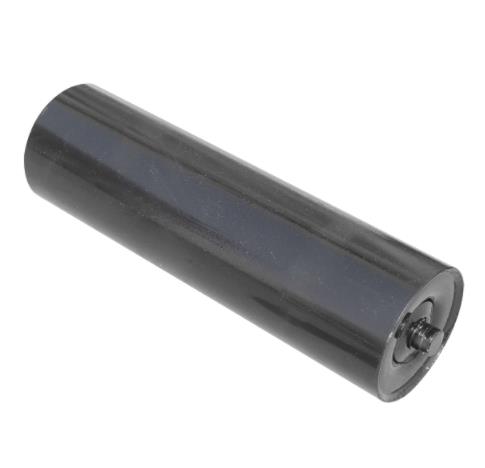
Heavy-duty steel rollers with 50,000+ hour service life and IP66 sealing.
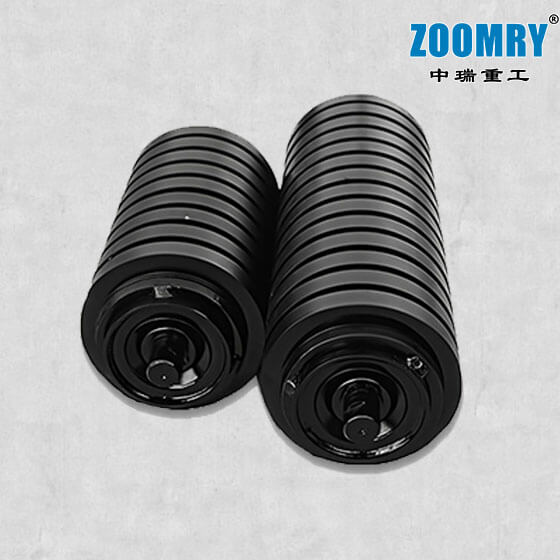
Absorbs loading zone impact — protects standard rollers from premature damage.
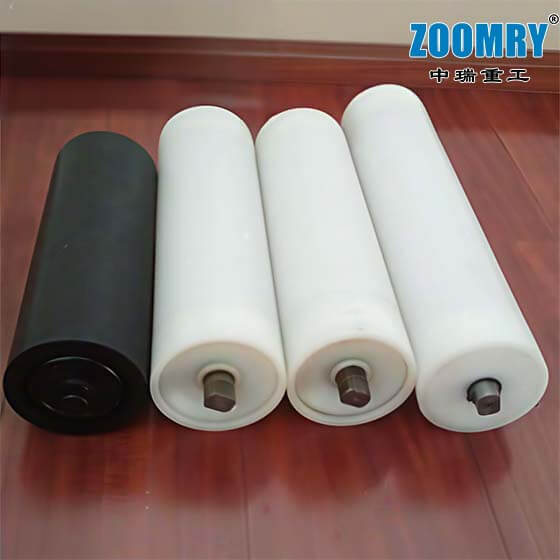
Corrosion-resistant rollers for salt, fertilizer, and chemical processing environments.
Industry Solutions
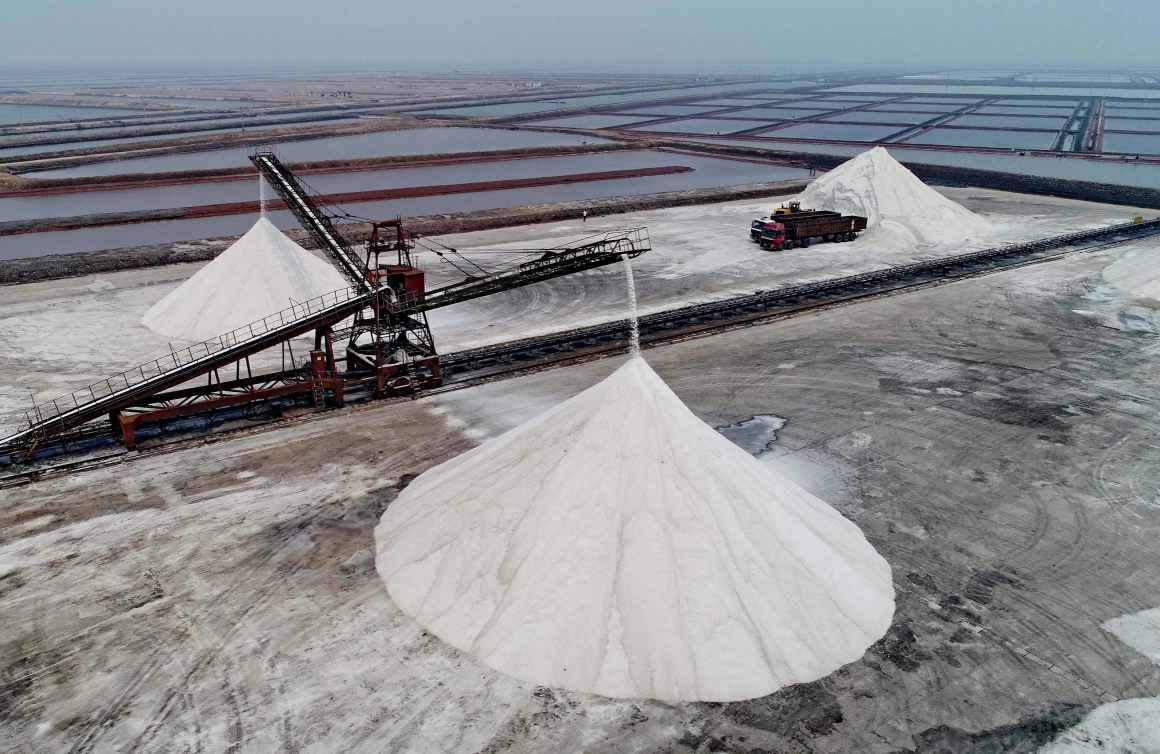
Corrosion-resistant HDPE roller maintenance for salt handling environments.
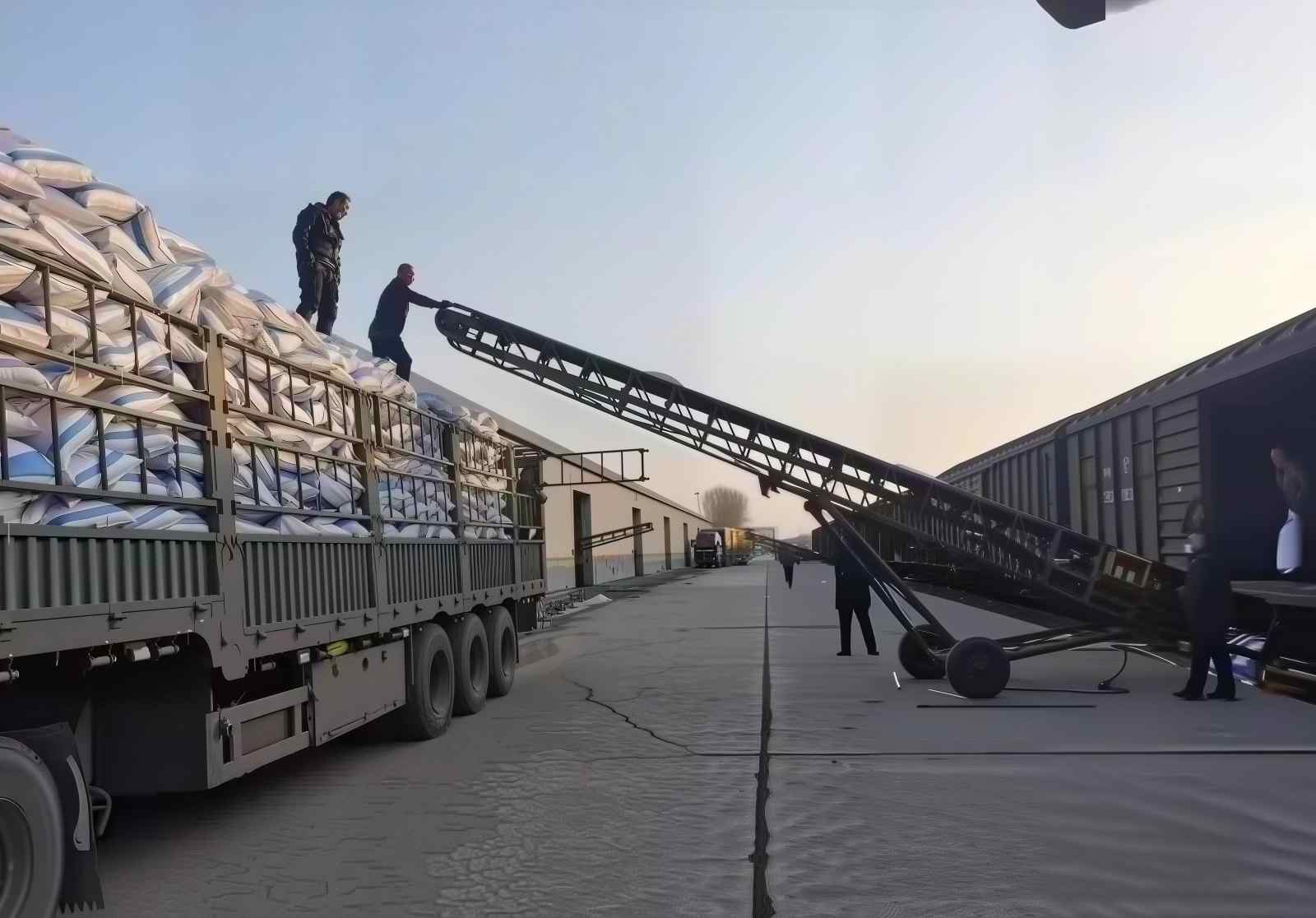
Chemical-resistant roller maintenance for urea, DAP, and NPK fertilizer conveying.
Need Replacement Conveyor Rollers or Maintenance Support?
Contact ZOOMRY for conveyor roller specifications, replacement parts, and maintenance recommendations tailored to your operating conditions.
Contact Us →