 ZOOMRY

In the design of Pipe conveyor systems, the most significant factor is the inclination angle. This is primarily defined by the Conveyor Belt material, properties of the conveyed material, and the overall equipment design. Some sources state that pipe conveyor maximum angles for coal conveying can reach up to 30 degrees — though this is rarely achieved in real-world conditions. According to the DLT 5187.1-2016 Coal Handling System Design Code for Thermal Power Plants, the inclination angle of the pipe section of a conveyor must not exceed 27°. For head and tail transition sections, the angle must be designed in accordance with general belt conveyor rules.
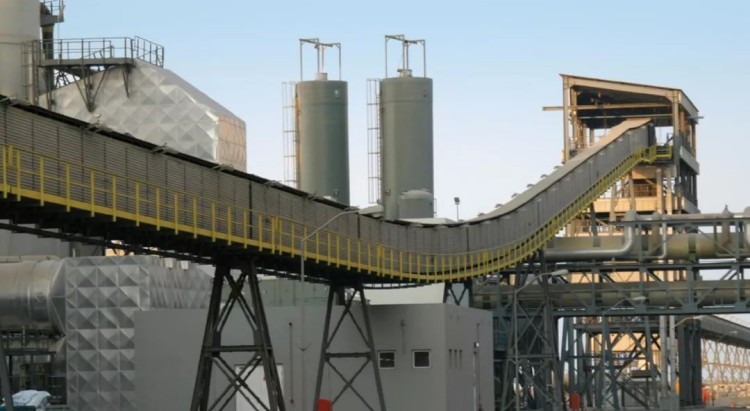
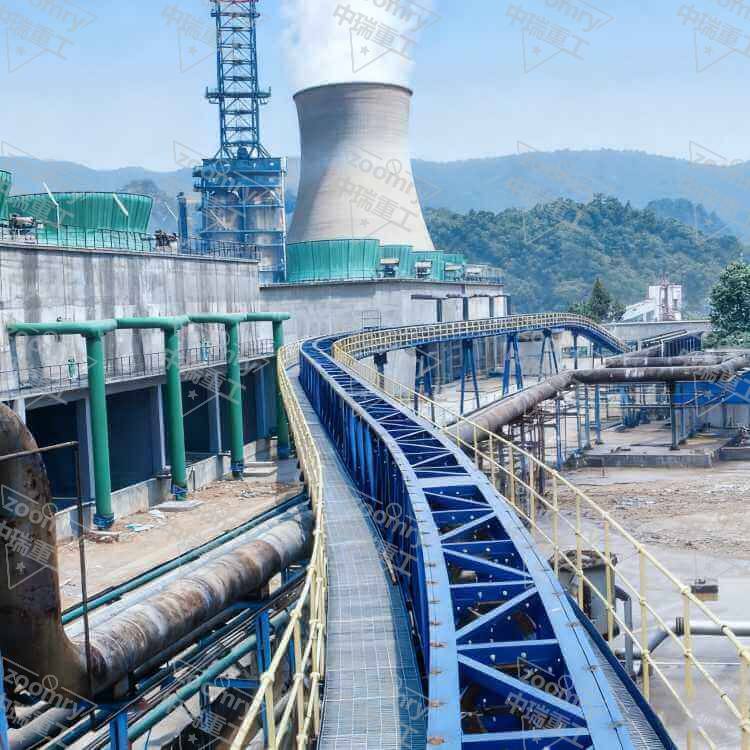
ZOOMRY Pipe Conveyor — Enclosed dust-free coal transport with steep angle capability up to 30°
Pipe conveyors, due to their enclosed tubular structure, can handle steeper slopes than conventional belt conveyors. However, if the angle is too steep, material may slip or accumulate during transit — leading to inefficiency and increased safety risks. In practical design, engineers aim to maximize the angle while ensuring reliable material transport, balancing site constraints and cost specifications.
Correlation of Conveyor Belt Material and the Angle
The type of material used in the belt largely determines the maximum angle at which the pipe conveyor can operate. The most frequently used conveyor belt types — rubber, PVC, and steel cord — each have distinct characteristics in terms of friction coefficient, wear resistance, and durability that determine how well they handle different inclination angles.
Rubber conveyor belts are commonly used in steeper-angle applications due to their high friction coefficient. For handling fine particle or powdery coal, PVC belts may be more effective as they reduce material spillage and slippage. Steel cord belts, with their high tensile load-bearing capacity and wear resistance, are suitable for long-span, high-duty conveying applications in mining and power plant environments.
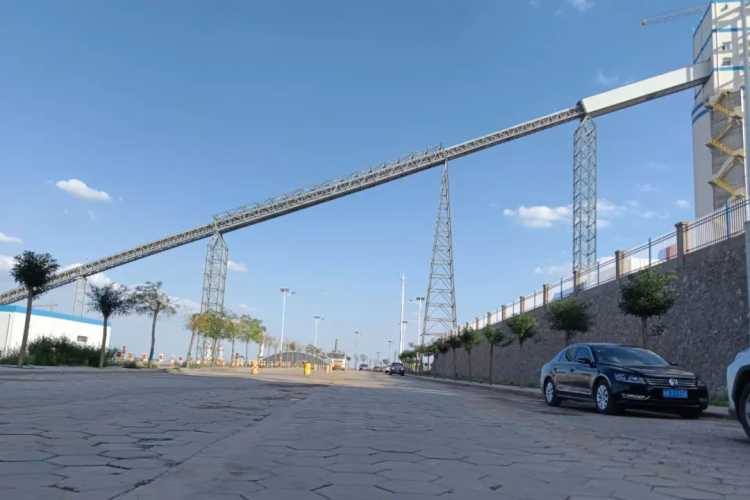
Pipe Conveyor Belt Material Selection — Rubber, PVC, and Steel Cord Options for Different Angle Requirements
The Dependence of Conveying Efficiency on the Angle
The inclination angle of a coal pipe conveyor impacts not only material stability but also conveying throughput. Generally, a higher belt inclination increases the probability of material slipping, which reduces efficiency. This raises the critical design question: how much can the angle be increased while maintaining an optimal fill factor to maximize conveying efficiency without compromising stability?
When the trough angle of the conveyor rollers is increased, the inclination angle can be raised with less concern for material stability. Additionally, conveying efficiency can be improved by adjusting belt tension, using wider belts, or adding intermediate drive stages. For operations requiring both steep angles and high capacity, ZOOMRY's large inclination conveyor systems offer an alternative solution with specialized pocket belts or corrugated sidewalls capable of angles up to 90°.
Practical Application of Coal Pipe Conveyors
Pipe conveyors have been successfully deployed in coal transport projects across mines, ports, and power plants worldwide. In several of ZOOMRY's coal pipe conveyor projects, 13 out of 20 installations achieved maximum angles of 23° to 30° — with the steepest at 30° successfully installed and operating smoothly, exceeding the traditional code recommendation of 27°.
These successful applications demonstrate that through proper design and technology optimization, pipe conveyors can achieve greater angles than conventional standards suggest — providing valuable reference data for future pipe conveyor angle designs.
Other Methods for Increasing Conveyor Angles
To enhance the angle capability of pipe conveyors, ZOOMRY engineers have explored several approaches. By raising the fill factor of the conveyor belt or incorporating dividers into the belt, operators have successfully increased the maximum conveying angle without sacrificing material stability.
In one notable industry project, a "large-angle variable-diameter pipe conveyor" achieved continuous sealed conveyance at a horizontal course of 24m with a maximum inclination of 76.5° — solving spatial constraints while significantly enhancing conveying efficiency.
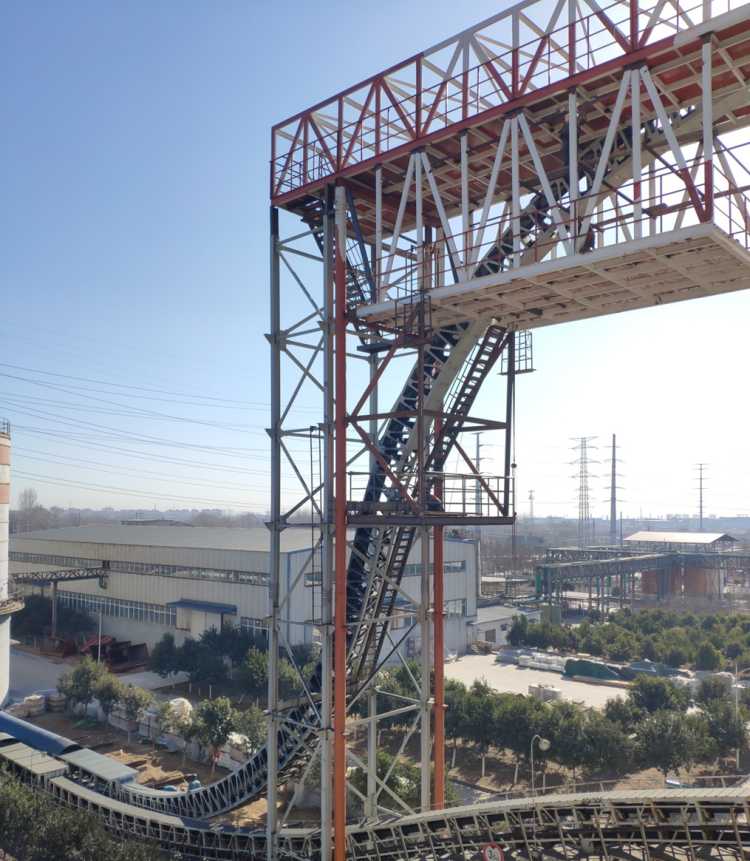
Steep Angle Pipe Conveyor — Large-Diameter, High-Capacity Design for Extreme Inclination Applications
However, achieving higher pipe conveyor angles — particularly for large-diameter, high-capacity materials — places significant demands on belts and internal partitions. This remains a challenge in heavy industrial material transport and calls for continued technological advancement in conveying equipment design.
Related Industry Solutions
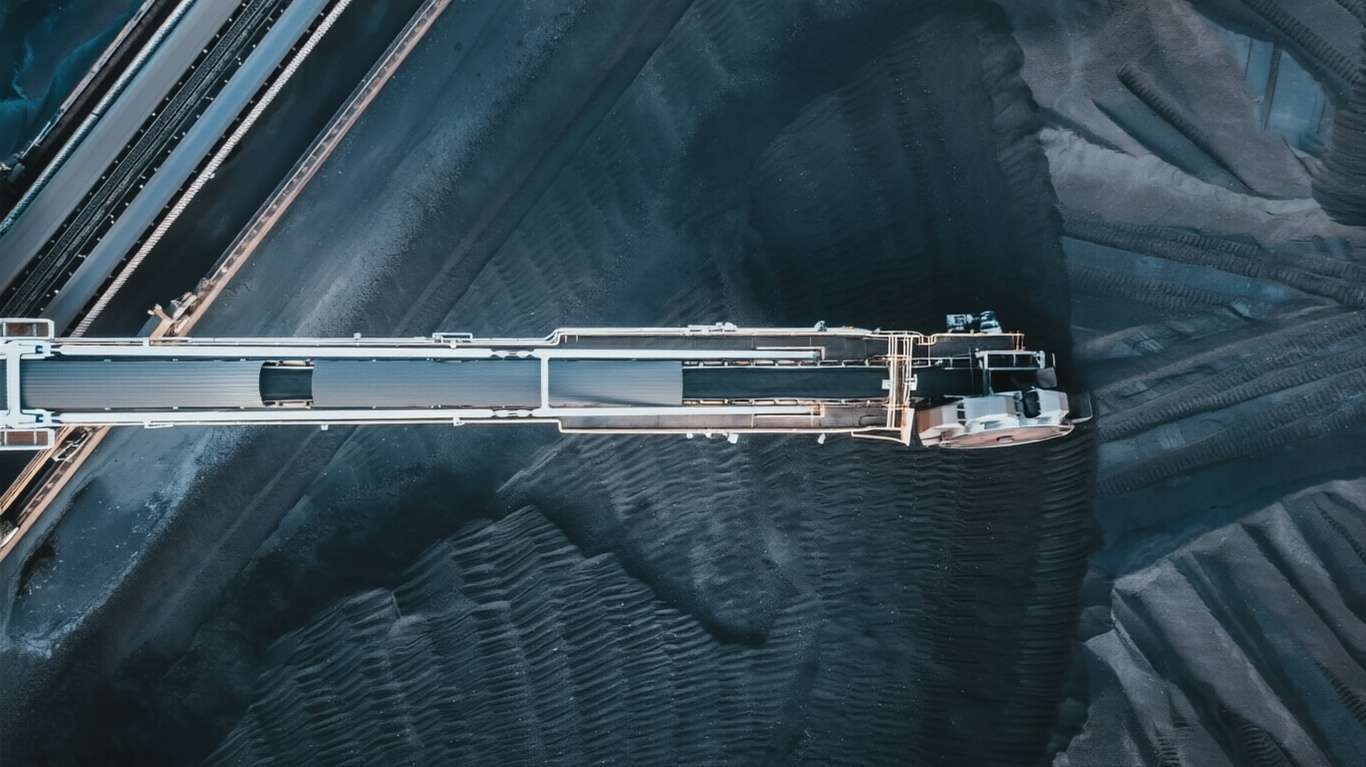
Need a Custom Pipe Conveyor Solution?
Contact ZOOMRY for a pipe conveyor engineered to your specific angle, capacity, and material requirements — backed by proven coal transport projects worldwide.
Contact Us Today