 ZOOMRY

Dust is one of the most visible operating problems at bulk ports. Coal, ore, grain, fertilizer, and biomass all generate dust during truck unloading, conveying, stockpiling, and ship loading. Good dust control is not only about compliance. It also protects equipment, improves visibility, and reduces material loss across the terminal.
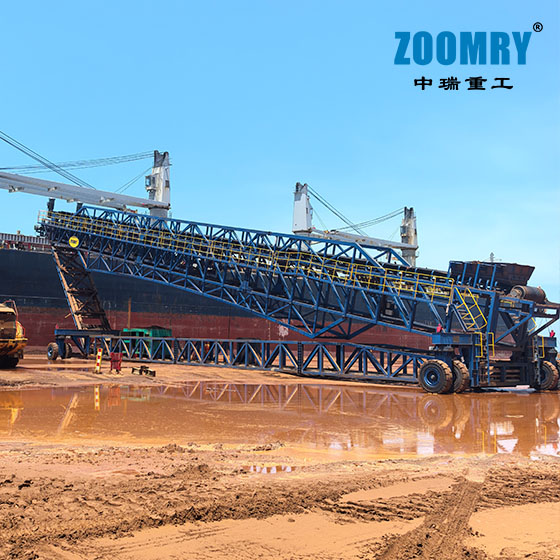
Where Dust Is Generated in a Port
Most terminal dust comes from a few repeat points in the material flow:
- Truck dumping into hoppers or feeders
- Transfer points between conveyors
- Open stockpile stacking and reclaiming
- Ship loader discharge into vessel hatches
- Belt return strands and chute leakage
If dust control is applied only at the shiploader chute while truck unloading and transfer points remain open, emissions simply move to another part of the terminal.
1. Control Dust at Truck Unloading
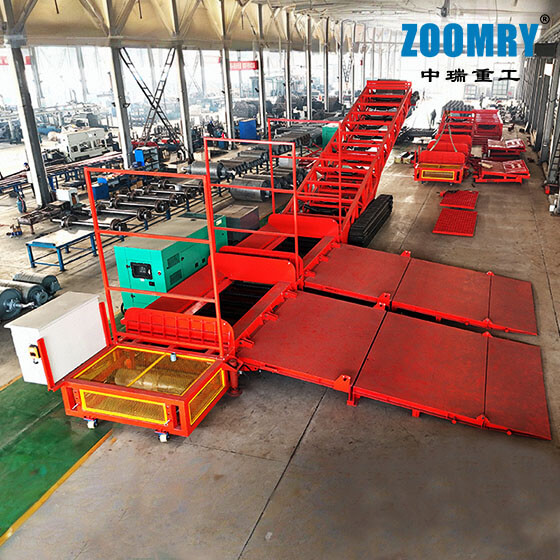
Truck unloading is often the first major release point. Practical measures include:
- Enclosed or partially enclosed receiving hoppers
- Rubber seals and flexible curtains at the dump pocket
- Water spray or dry-fog systems timed with dumping
- Belt feeders that avoid uncontrolled free fall
A well-designed truck unloader reduces open dumping and shortens the time material is exposed to wind.
2. Reduce Transfer Point Emissions
Every conveyor transfer can create dust if the chute is poorly sealed or the drop height is too high. Better practice includes:
- Sealed chute work with practical inspection access
- Skirt boards and sealing at loading zones
- Correct chute angles to limit impact and turbulence
- Belt Cleaners to reduce carryback on the return side
Carryback is easy to underestimate. Material that sticks to the belt and later drops off becomes yard dust, cleanup labor, and a secondary emission source.
3. Improve Ship Loader Discharge
At the hatch, dust control depends largely on how material enters the hold:
- Telescopic or cascade chutes to reduce free-fall height
- Sealed chute connections where practical
- Controlled trim instead of high open discharge
- Spray systems for cargoes that tolerate moisture
For ports handling multiple cargoes, chute design should allow cleaning between products so dust control does not create contamination problems. More on flexible loading systems: mobile ship loader.
4. Choose the Right Suppression Method
| Method | Best For | Notes |
|---|---|---|
| Water spray | Coal, aggregate, ore | Simple and common; avoid excess moisture |
| Dry fog / mist | Finer dust, sensitive areas | Less wetting of product |
| Enclosure and sealing | Transfer points, hoppers | Often the most reliable first step |
| Extraction / filtration | Indoor or semi-enclosed terminals | Higher CAPEX, strong containment |
| Pipe or enclosed conveyors | Long dusty routes | Reduces emissions along the corridor |
5. Match Controls to Cargo Type
- Coal and ore: abrasion-resistant chutes, spray at dump and transfer points
- Grain: sealing and gentle handling; moisture control is critical
- Fertilizer: corrosion-resistant materials and easy cleaning access
- PKE/PKS and biomass: containment plus careful spray use to avoid product issues
Practical Checklist for Ports
- Map every dump, transfer, stack, and load point
- Fix open chute leaks before adding more spray systems
- Set spray interlocks so nozzles run only during material flow
- Maintain belt cleaners and skirts as part of dust control, not optional extras
- Review wind direction and stockpile layout
- Train operators to avoid high free-fall discharge into hatches
Frequently Asked Questions
Is water spray enough for port dust control?
Water spray helps, but it is rarely enough on its own. Sealing transfer points, controlling free fall, and reducing carryback usually deliver a larger and more stable improvement.
Which point should be upgraded first?
Start with the largest open release point. At many terminals that is truck dumping or a major conveyor transfer, not only the ship loader discharge.
Do enclosed conveyors eliminate the need for sprays?
Enclosed or Pipe conveyors greatly reduce corridor emissions, but loading zones, hoppers, and final hatch discharge may still need local sealing or suppression.
Can one system handle multiple cargoes?
Yes, if chute access, cleaning procedures, and suppression settings are designed for product changeovers. This is especially important for fertilizer, grain, and biomass terminals.
Related Products
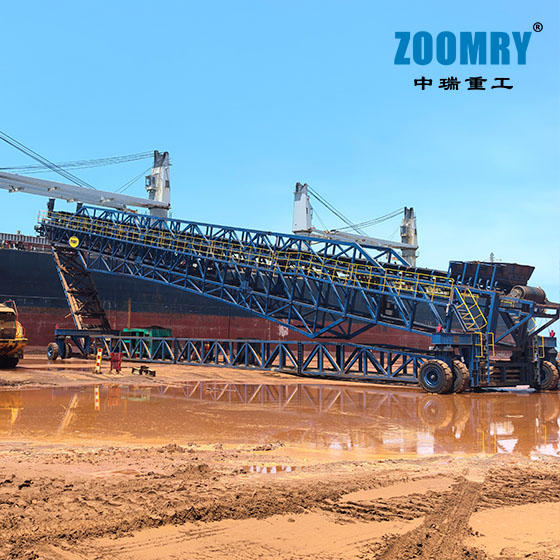
Port loading with controlled discharge options
Enclosed receiving to reduce dump-point dust

Industry Applications
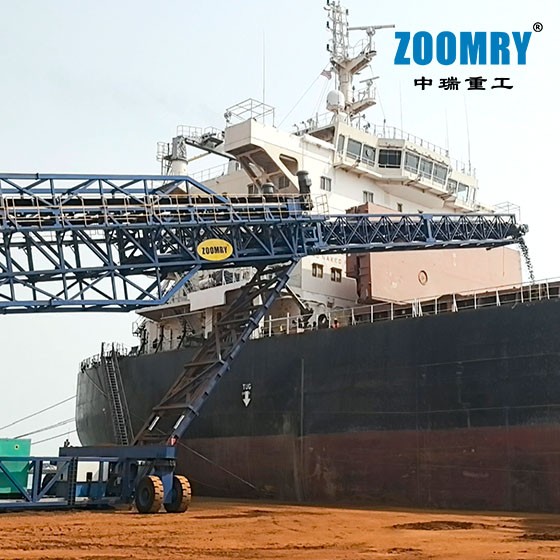
Dust-aware loading and receiving systems for bulk export
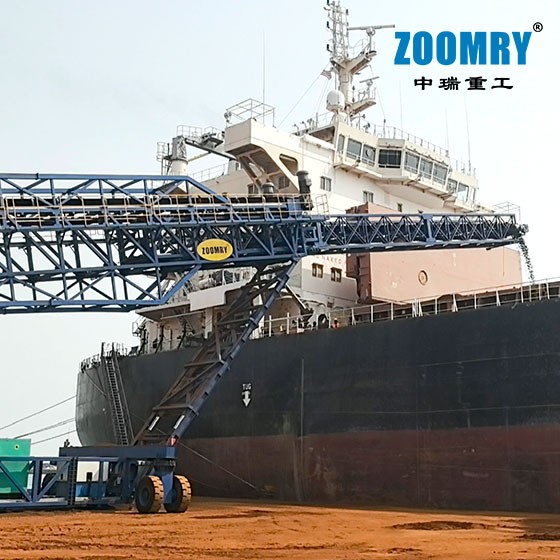
Coal and ore handling with abrasion and dust control
Need a Dust-Aware Port Handling Layout?
Share your cargo types, unloading method, and loading rate. ZOOMRY can help align truck unloaders, conveyors, and ship loaders with practical dust-control measures.
Contact Us →