 ZOOMRY

A telescopic stacker is a mobile bulk material handling machine that receives material from a feed conveyor and discharges it onto a stockpile through an extendable boom. The telescopic boom allows the discharge point to move along the length of the stockpile without repositioning the entire machine, helping operators build higher, more uniform stockpiles with less segregation and less loader dependency. Representative configurations cover belt widths from 800 to 1,600 mm and stacking capacities up to 3,500 m³/h.
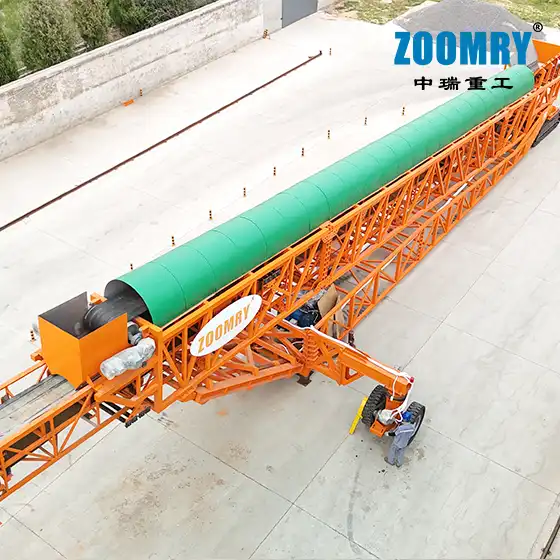
How a Telescopic Stacker Works
A telescopic stacker receives bulk material at its tail end from a feed source — typically a fixed belt conveyor, mobile crusher, screening plant, or hopper feeder — and transfers it along an inclined boom conveyor to the discharge point. The telescopic boom extends and retracts hydraulically, moving the discharge point along the stockpile length without moving the entire machine.
The key operating functions include:
- Radial slewing: The boom rotates horizontally around the tail pivot, allowing the operator to build fan-shaped or circular stockpiles without relocating the machine.
- Luffing: The boom raises and lowers to control discharge height, reducing free-fall distance and helping limit dust and material degradation.
- Telescopic extension: The inner boom section slides within the outer section, extending reach across the stockpile area.
- Controlled discharge: The material stream is directed through a chute at the boom tip, with the discharge height adjusted to match the stockpile profile.
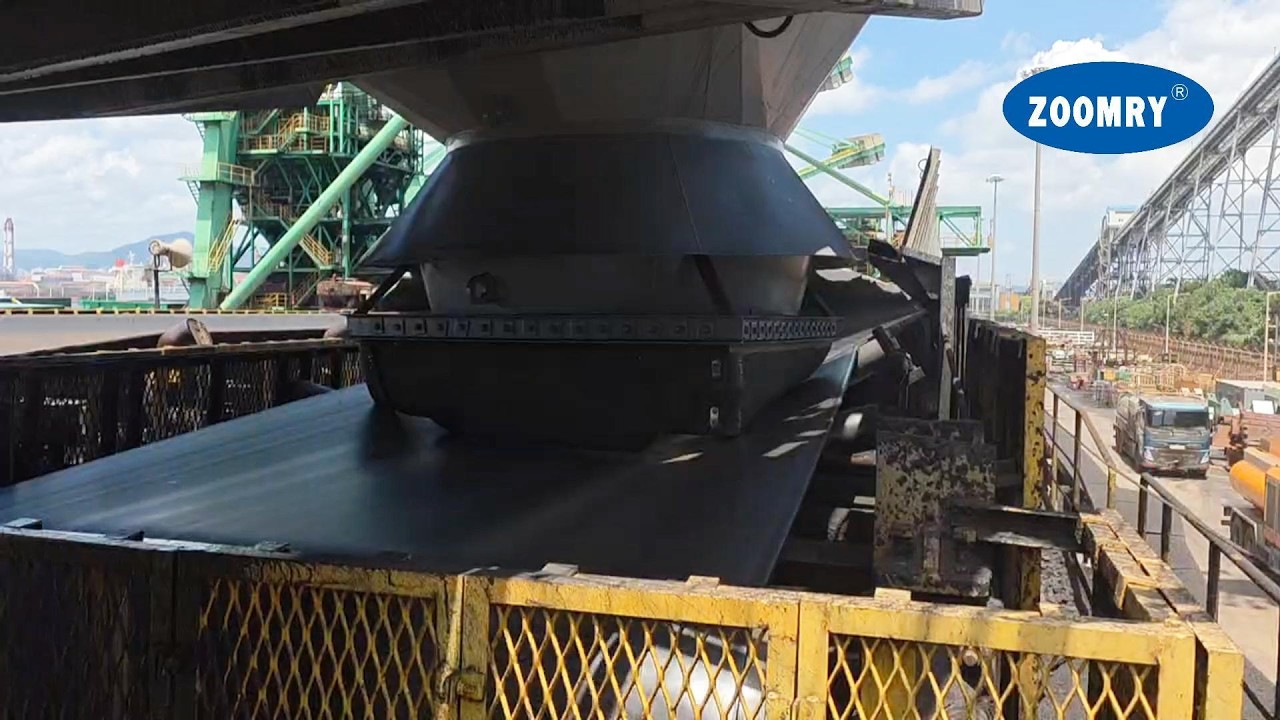
The following video shows a telescopic stacker in operation, including boom extension and discharge control:
Telescopic Stacker Configurations
Telescopic stackers are built in several configurations to match different site conditions, mobility requirements, and stockpile layouts.
Wheel-Mounted Mobile Telescopic Stackers
Wheel-mounted units are the most common configuration for mining, quarry, and port stockyard operations. They travel on rubber-tired undercarriages and are towed or self-propelled between work areas. The mobile telescopic stacker combines radial slewing with telescopic extension, allowing a single machine to serve multiple stockpile zones.
Tracked Radial Stackers
Tracked configurations use crawler undercarriages for mobility on soft ground, unpaved stockyards, and sites where wheeled units may lose traction. The tracked radial stacker provides low ground pressure and in-situ maneuverability, making it suitable for heap leaching pads, temporary stockpiles, and quarry operations on uneven terrain.
Fixed Radial Telescopic Stackers
Fixed radial configurations are anchored at a central pivot point and serve a defined stockpile radius. These units are specified for permanent stockyard installations where the feed source and stockpile layout are stable. The fixed radial telescopic stacking conveyor offers high-capacity layered stacking with less ground maneuvering than mobile units.
Capacity Range and Belt Widths
Telescopic stackers are sized by belt width, boom length, and drive power. The table below shows representative ZR-SF series configurations for bulk material stockpiling.
| Model | Belt Width | Capacity | Boom Length | Telescopic Extension |
|---|---|---|---|---|
| ZR80SF | 800 mm | 500 m³/h | 40 / 52 / 60 / 67 m | 10–22 m |
| ZR914SF | 914 mm (36 in.) | 700 m³/h | 40 / 52 / 60 / 67 m | 10–22 m |
| ZR100SF | 1,000 mm | 850 m³/h | 40 / 52 / 60 / 67 m | 10–22 m |
| ZR120SF | 1,200 mm | 1,500 m³/h | 40 / 52 / 60 / 67 m | 10–22 m |
| ZR140SF | 1,400 mm | 2,100 m³/h | 40 / 52 / 60 / 67 m | 10–22 m |
| ZR160SF | 1,600 mm | 3,500 m³/h | 40 / 52 / 60 / 67 m | 10–22 m |
Capacity values are indicative and depend on material bulk density, particle size, moisture content, belt speed, conveyor inclination, and final equipment configuration. Units expressed in t/h and m³/h are not directly interchangeable without confirmed material bulk density.
Common Applications
Telescopic stackers are used across industries where bulk materials must be stockpiled efficiently and reclaimed with minimal re-handling.
- Mining and quarrying: Stockpiling crushed ore, aggregates, and overburden near crushers, screening plants, and loadout areas. Telescopic booms help build layered stockpiles that reduce material segregation compared with single-point dumping.
- Ports and terminals: Building stockpiles for export commodities such as coal, iron ore, and fertilizers before ship loading operations.
- Cement plants: Managing limestone, clinker, and additive stockpiles between quarry delivery and kiln feed systems.
- Heap leaching: Stacking crushed ore on leach pads in controlled lifts, where precise placement and low ground pressure are critical.
- Power plants: Stockpiling coal and biomass fuels in plant yards where space is constrained and stockpile turnover is continuous.
When a Telescopic Stacker Makes Sense
Telescopic stackers are selected over fixed conveyors or wheel loader stacking under several operational conditions:
- Large stockpile areas: When material must be spread across a wide yard, telescopic and radial functions cover more ground from a single feed point than fixed discharge conveyors.
- Segregation control: Layered stacking with adjustable discharge height helps distribute fine and coarse particles more evenly through the stockpile profile.
- Loader dependency reduction: Direct conveyor-to-stockpile placement reduces wheel loader re-handling, lowering fuel and labor costs.
- Space-constrained yards: The compact tail section and radial pivot allow large stockpiles to be built in areas where long straight conveyors are impractical.
- Frequent relocation: Mobile configurations can be moved between stockpile zones as production shifts or as stockpiles are reclaimed.
Key Selection Factors
When evaluating a telescopic stacker for a stockpile operation, the following factors should be confirmed with the equipment manufacturer:
- Required capacity: Belt width and drive power are sized to the material flow rate from the upstream process.
- Stockpile dimensions: Boom length and telescopic extension must cover the intended stockpile width and height.
- Material characteristics: Bulk density, particle size, moisture content, and abrasiveness affect belt selection and chute design.
- Ground conditions: Wheeled, tracked, or fixed configurations are matched to site bearing capacity and mobility requirements.
- Power source: Diesel, electric, or dual-power arrangements are available depending on site infrastructure.
- Dust and environmental requirements: Discharge chute design and optional dust suppression systems are matched to local regulations.
Frequently Asked Questions
What is the difference between a telescopic stacker and a fixed stacker?
A telescopic stacker has an extendable boom that changes the discharge point along the stockpile length without moving the entire machine. A fixed stacker discharges material from a stationary point, building a conical pile. The telescopic function allows operators to build longer, more uniform stockpiles from one feed position.
How high can a telescopic stacker stack material?
Stacking height depends on boom length, luffing angle, and stockpile configuration. Representative telescopic stacker configurations support stacking heights up to 20 meters. Final stacking height must be confirmed for the specific boom length, material repose angle, and site layout.
Can a telescopic stacker handle abrasive materials like iron ore?
Yes. For abrasive materials, belt selection, chute liners, and impact protection are specified to match the material characteristics. The equipment manufacturer should confirm wear protection requirements based on the specific ore type and particle size.
What power options are available for telescopic stackers?
Telescopic stackers can be configured with diesel engine drive, electric motor drive, or dual-power arrangements. Diesel configurations offer mobility without site power infrastructure, while electric configurations are preferred for fixed installations with shore power available.
Related Products
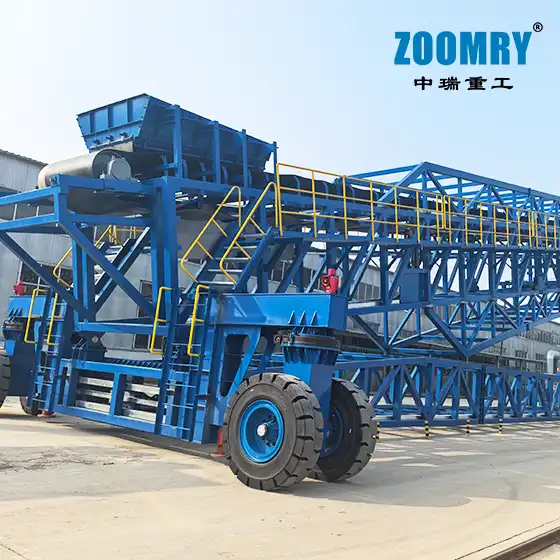
Self-propelled wheeled stacking with 360° slewing
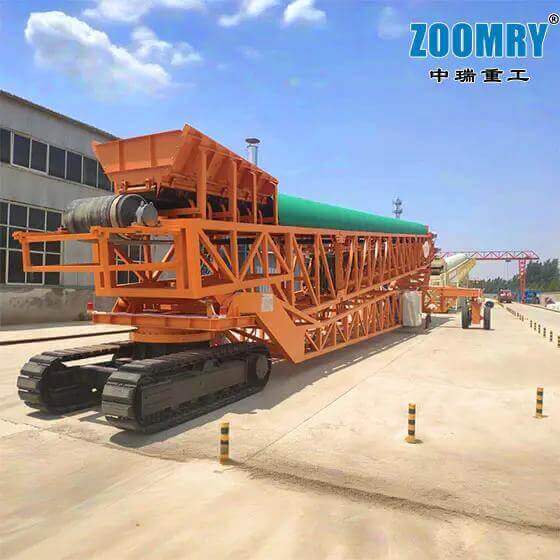
Crawler mobility for soft ground and heap leaching
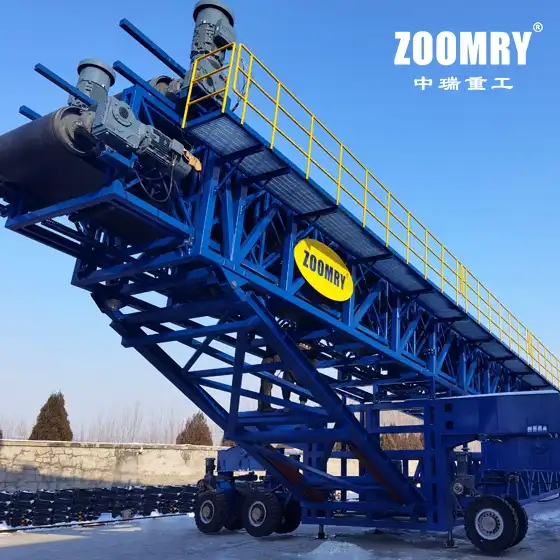
Permanent stockyard stacking from a central pivot
Industry Applications
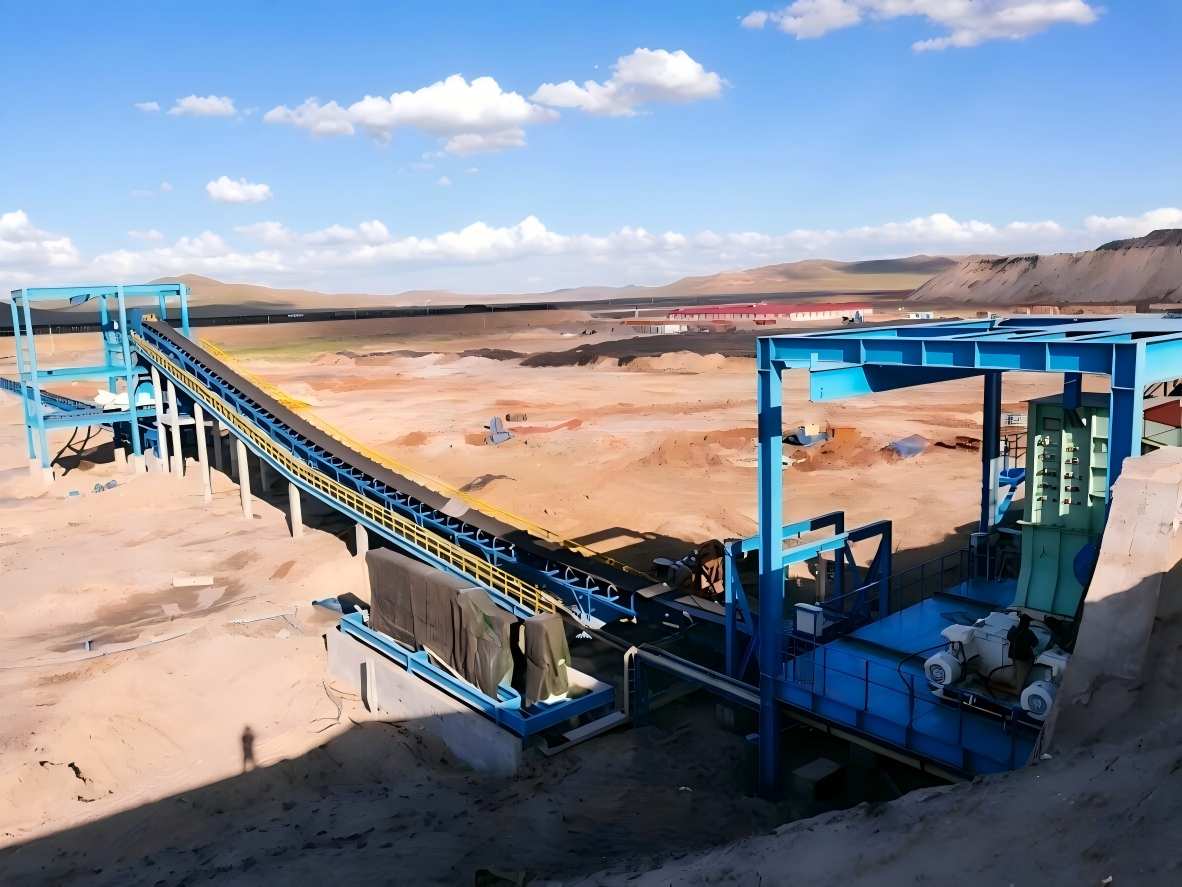
Stockpiling solutions for surface and underground mines
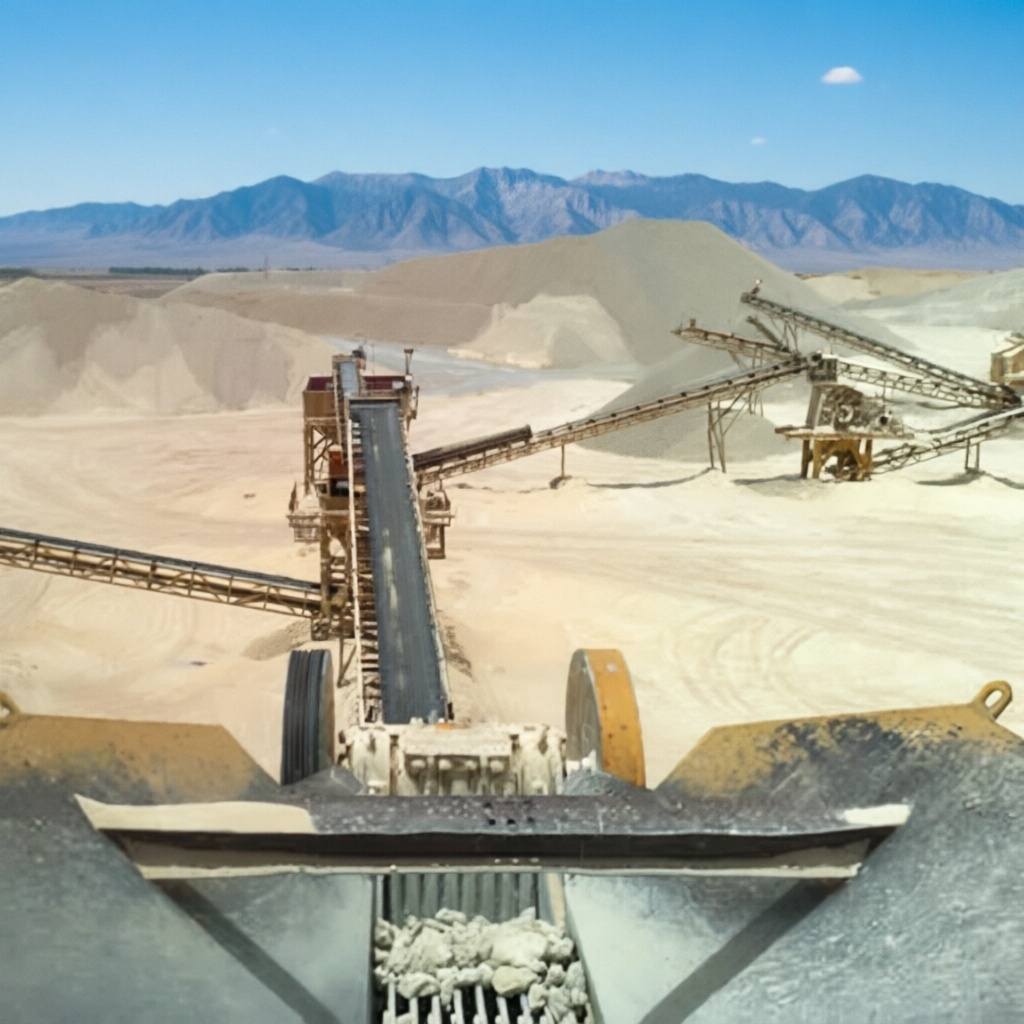
Quarry stockpile management with radial and tracked stackers
Evaluating a Telescopic Stacker for Your Stockpile Operation?
Share your material type, feed rate, stockpile dimensions, and site conditions. ZOOMRY can help match a telescopic stacker configuration to your operation.
Contact Us →