 ZOOMRY

Choosing the right CEMA idler class — B, C, D, or E — is one of the most consequential decisions in conveyor system design. Underspecify, and you face premature bearing failures, belt tracking issues, and costly unplanned downtime. Overspecify, and you waste capital on components far heavier than your application requires. For mining, cement, and port operators, the difference between CEMA D and CEMA E can mean hundreds of thousands of dollars in lifecycle costs over a conveyor's 20-year service life.
This guide explains how CEMA classes differ across four critical dimensions — load capacity, roller diameter, belt width range, and application environment — and provides a practical framework for matching the right Conveyor idler class to your specific operating conditions.
CEMA Class Quick Comparison
| CEMA Class | Load Rating | Roller Diameter | Max Belt Width | Typical Bearing |
|---|---|---|---|---|
| CEMA B | Light-duty | 4" – 5" | ≤ 48" | 6204 – 6205 |
| CEMA C | Medium-duty | 4" – 5" | ≤ 60" | 6205 – 6306 |
| CEMA D | Heavy-duty | 5" – 6" | ≤ 72" | 6305 – 6308 |
| CEMA E | Extra heavy-duty | 6" – 7" | ≤ 96" | 6310 – 6314 |
When to Choose CEMA B Idlers
CEMA B idlers are light-duty components designed for small conveyors with belt widths up to 48 inches. They use 4-inch and 5-inch diameter rollers with 6204-6205 bearings — suitable for applications where material loads are light and belt speeds are moderate. If you operate a small aggregate screening plant, a grain handling conveyor under 36 inches wide, or a light industrial transfer belt, CEMA B is typically the correct specification.
The key limitation is bearing size: 6204-6205 bearings cannot sustain the loads that CEMA D or E idlers handle. Installing CEMA B idlers on a 60-inch mining conveyor will result in bearing failure within weeks. For light-duty applications, explore CEMA B equal troughing and return idler options.
When to Choose CEMA C Idlers
CEMA C idlers bridge the gap between light and heavy-duty applications — the most commonly specified class for medium-sized conveyors in aggregate, sand, and gravel operations. With belt widths up to 60 inches and 6205-6306 bearings, they handle higher loads than CEMA B while remaining cost-competitive. The CEMA C equal troughing idler is the workhorse of the quarry industry.
CEMA C also includes a unique variant not found in other classes — the low profile channel troughing idler designed for installations with limited vertical clearance. If your conveyor must fit beneath existing structures, crushers, or screens, the CEMA C low profile design provides the carrying capacity you need in a space-saving frame.
When to Choose CEMA D Idlers
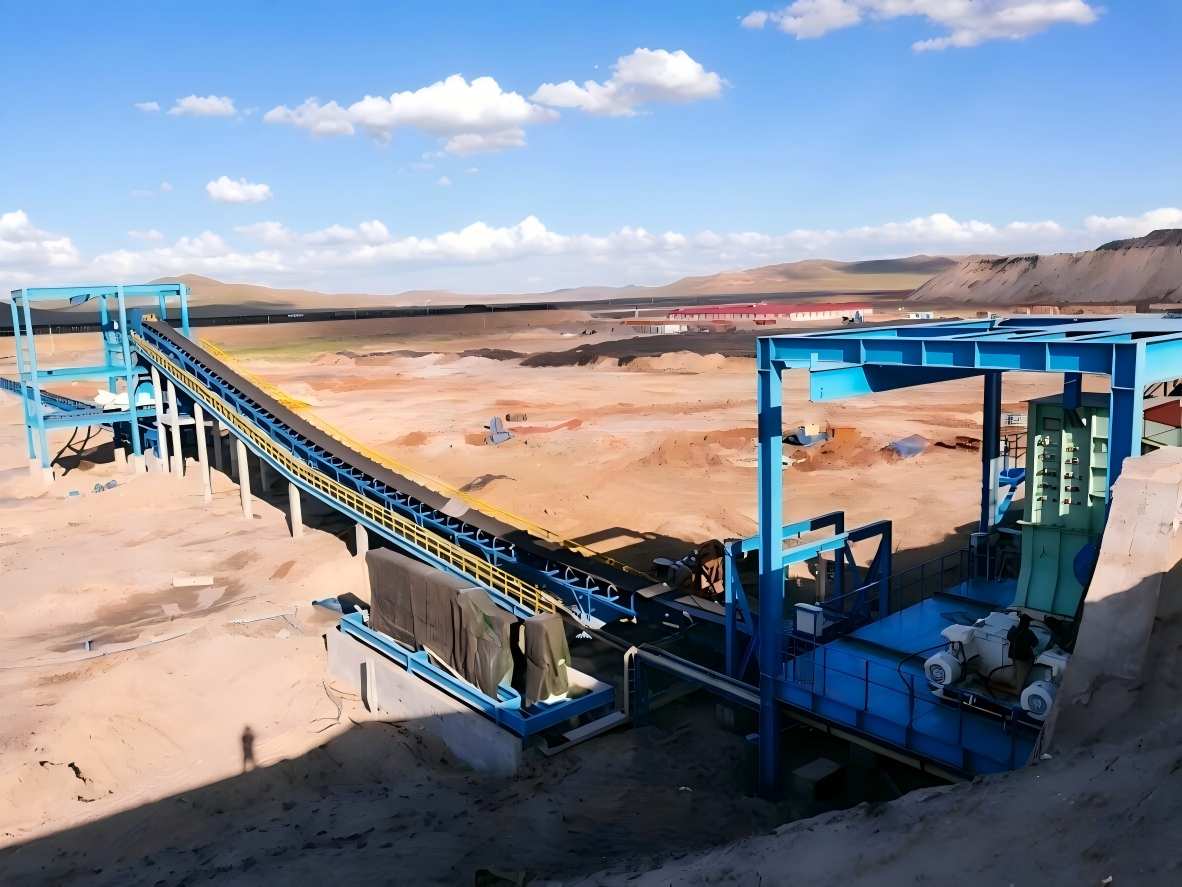
CEMA D idlers are heavy-duty workhorses for mining, aggregate, and cement conveyors with belt widths up to 72 inches. With 5-6 inch diameter rollers and 6305-6308 bearings, they handle abrasive materials and continuous operation cycles. This is the minimum specification for conveyors transporting iron ore, copper concentrate, limestone, and clinker at throughputs exceeding 1,000 tons per hour.
For loading zones, CEMA D unequal impact troughing idlers absorb up to 80% of falling material energy — critical at crusher discharge points and transfer chutes. For long overland conveyors, CEMA D self-aligning troughing idlers provide automatic belt tracking correction every 30-50 meters, preventing the progressive mistracking that causes edge damage and spillage.
When to Choose CEMA E Idlers
CEMA E idlers are extra heavy-duty components for the largest, highest-capacity conveyors — belt widths up to 96 inches, roller diameters up to 7 inches, and 6310-6314 bearings. These are specified for high-volume mining conveyors moving run-of-mine ore, overburden, and coarse aggregate at rates exceeding 5,000 tons per hour, operating 24/7 with minimal maintenance windows.
The CEMA E idler family covers every conveyor position: V-return idlers for return side self-centering, equal impact troughing idlers for loading zone protection, and rubber disc return idlers for sticky material applications. The larger bearings (6310-6314) are the key differentiator — they handle the radial and thrust loads that would destroy smaller CEMA C or D bearings within months.
How to Choose: A Practical Framework
Follow this decision sequence to narrow your CEMA class selection:
Step 1 — Belt Width: Measure your Conveyor Belt width. If ≤48", start at CEMA B or C. If 48-72", start at CEMA D. If >72", CEMA E is required.
Step 2 — Material Density: What are you conveying? Sand and grain (≤1.6 t/m³) may work with CEMA C. Iron ore and copper (≥2.5 t/m³) demand CEMA D or E regardless of belt width.
Step 3 — Operating Hours: If your conveyor runs 8 hours daily, CEMA C may suffice. If it runs 24/7, step up one class to handle the cumulative fatigue loading on bearings and frames.
Step 4 — Environment: Wet, dusty, or corrosive environments accelerate bearing wear. Labyrinth seals protect across all classes, but consider HDPE rollers for highly corrosive applications like salt and fertilizer handling.
Related Solutions
How to Choose the Right CEMA Idler Class for Your Conveyor?
Tell us your belt width, material type, and operating conditions — our engineers will recommend the optimal CEMA idler specification.
CEMA Idler Selection Guide →