 ZOOMRY

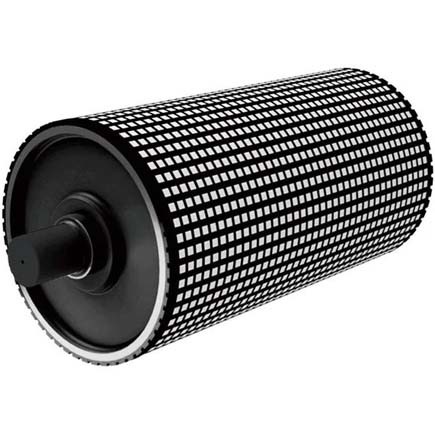
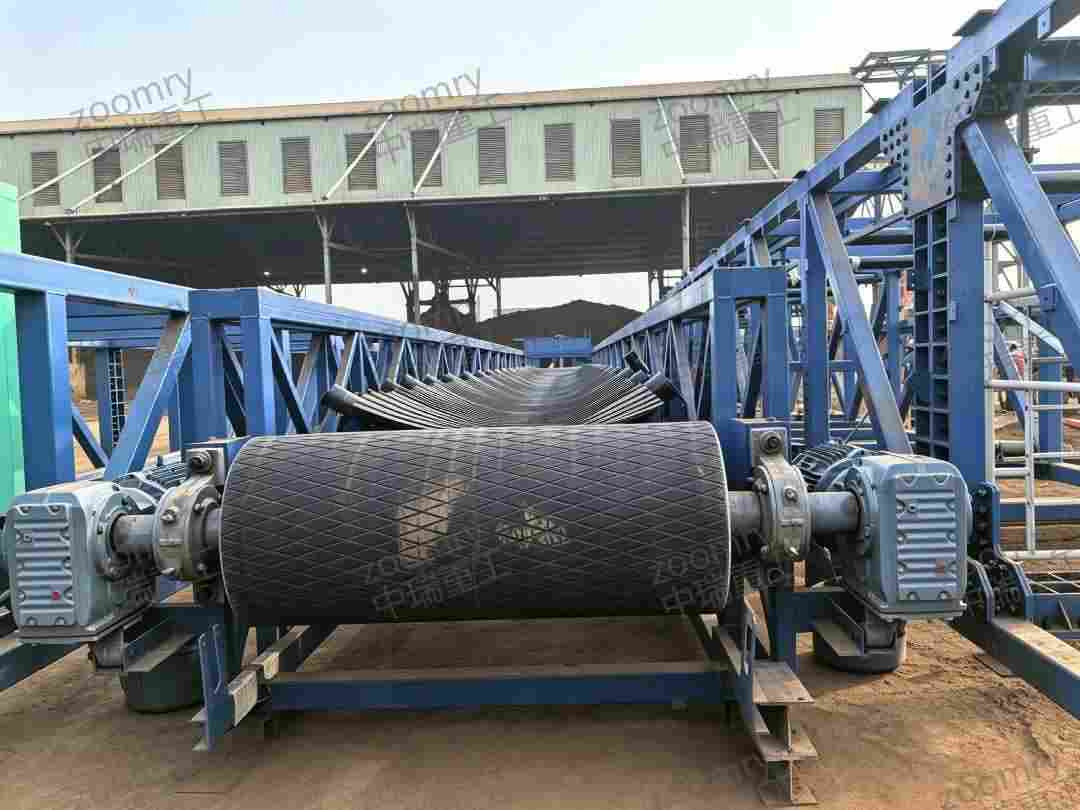
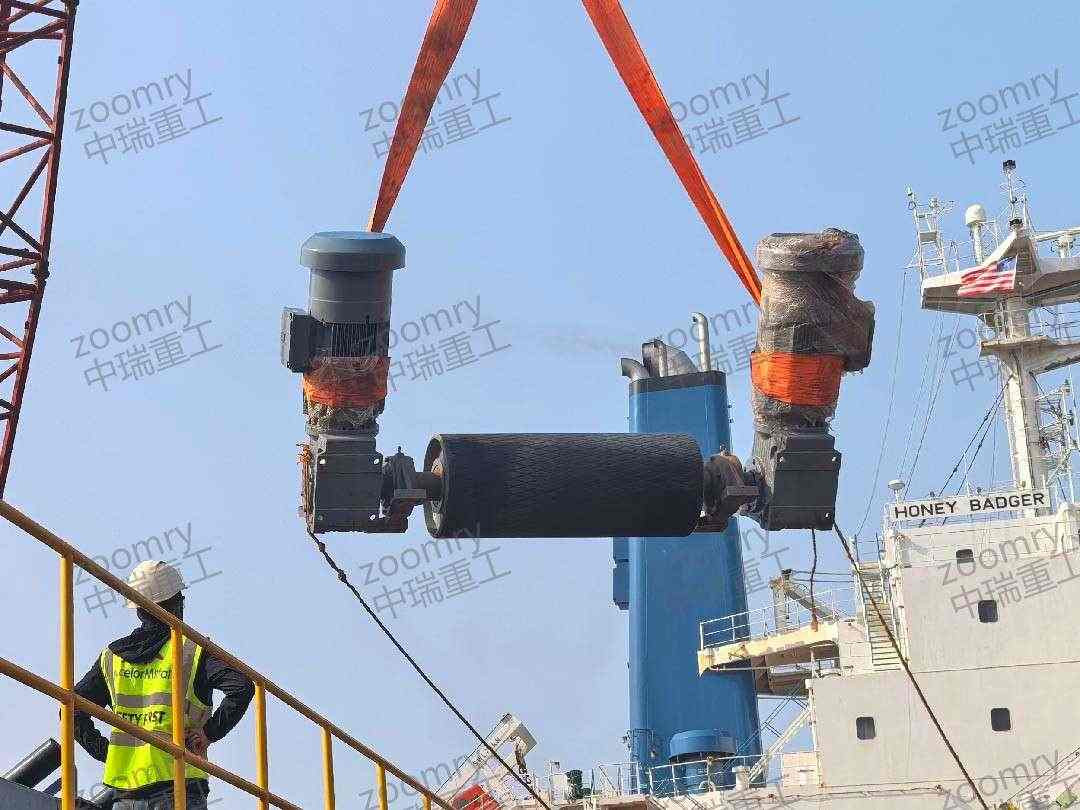
ZOOMRY ceramic pulley lagging is one of the most resilient and long-lasting forms of lagging used on drive pulleys in demanding bulk material handling applications. Since ceramic lagging is more durable than standard rubber lagging, it is frequently utilized where abrasive materials such as ores, aggregates, and minerals are transported — and where belt slippage simply cannot be tolerated. With a friction coefficient up to twice that of non-lagged pulleys and 50% higher than typical rubber lagging, ZOOMRY ceramic lagging delivers unmatched grip in wet, muddy, and high-wear conditions.
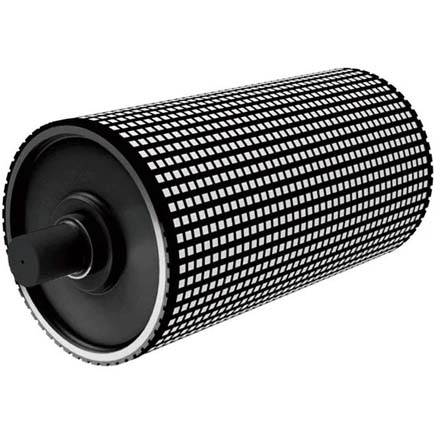
ZOOMRY Ceramic Pulley Lagging — Friction Coefficient ≥ 0.45, 3-5x Longer Life Than Standard Rubber Lagging
Why Choose Ceramic Lagging Over Rubber Lagging?
Standard rubber lagging performs adequately in moderate conditions, but high-tension drive pulleys in mining and quarry environments demand more. When abrasive particles cut grooves into rubber lagging, the friction coefficient drops rapidly — leading to belt slip, accelerated cover wear, and unplanned maintenance shutdowns. Ceramic lagging solves this problem permanently.
The alumina ceramic tiles embedded in the rubber backing provide 38% ceramic contact surface (Medium Duty) that resists cutting, gouging, and abrasive wear — lasting 3-5 times longer than conventional rubber lagging in the same application. The raised tile pattern also channels water and slurry away from the belt contact surface, maintaining consistent grip even during heavy rain or material wash-down conditions that would render rubber lagging nearly useless.
Design Features
- Friction coefficient up to 2x higher than non-lagged pulleys — virtually eliminates belt slippage even under heavy load startup
- 50% higher coefficient of friction than typical rubber lagging — maintains grip in wet, muddy, and high-abrasion conditions
- 38% ceramic contact surface (Medium Duty) — optimal balance of grip and wear resistance for continuous-duty drive pulleys
- Virtually eliminates belt slippage — improves belt tracking, reduces belt tension requirements, and decreases take-up weight
- Easily sheds water and dirt — raised ceramic tile pattern prevents material build-up and maintains consistent friction in all weather
- Easy installation — available in pre-cut strips or full sheets for vulcanized or cold-bond application to new or existing pulleys
Where Is Ceramic Lagging Most Effective?
Ceramic pulley lagging is particularly well suited for drive pulleys where slippage and severe wear issues render typical rubber lagging useless. The alumina ceramic tiles support the belt's optimal grip in muddy, rainy, or other challenging conditions common in:
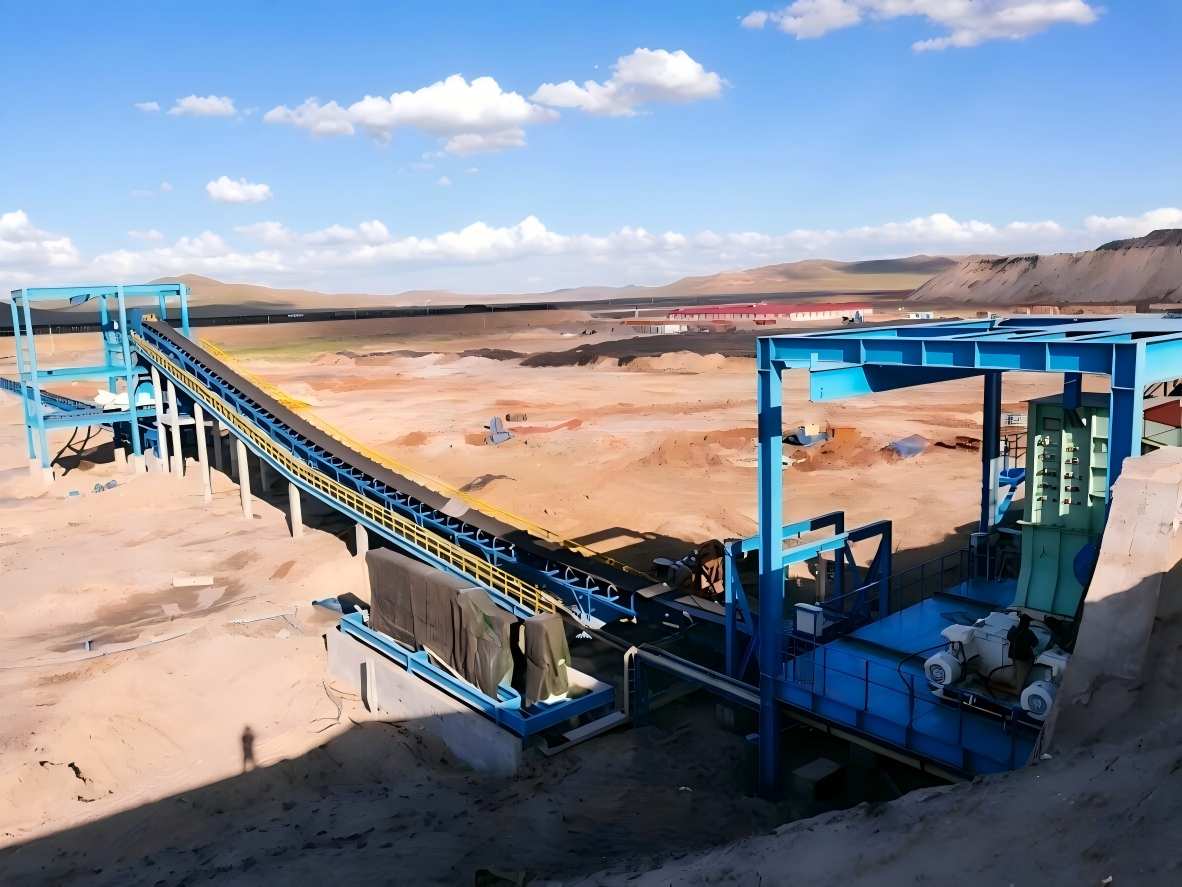
- Mining — high-tension drive pulleys on long-distance overland conveyors transporting iron ore, copper, gold, and bauxite
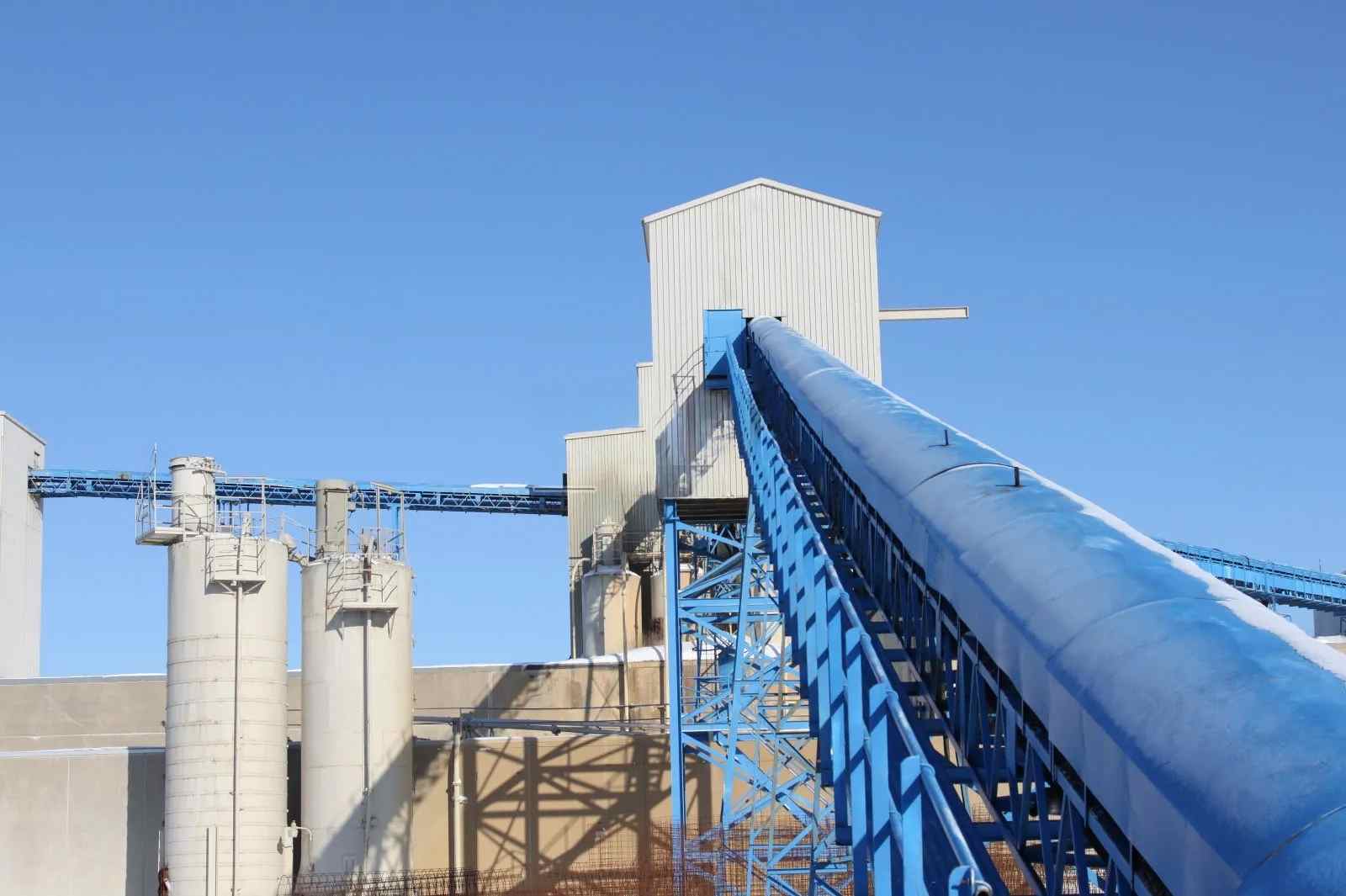
- Cement Plants — quarry-to-plant limestone conveyors and clinker transport systems with continuous 24/7 operation
- Aggregate Quarries — primary crusher discharge conveyors handling sharp, abrasive rock with high impact loads
- Port Terminals — high-capacity ship loading conveyors exposed to rain, salt spray, and abrasive bulk materials
More Details
It is particularly well suited for pulleys where slippage and severe wear and tear issues render typical rubber lagging useless. The alumina ceramic tiles support the belt's optimal grip in muddy, rainy, or other challenging conditions. Combined with ZOOMRY's replaceable pulley lagging system, worn ceramic tiles can be replaced on-site without removing the pulley from the conveyor — minimizing downtime and maximizing productivity in critical production environments.
Related Industry Solutions
Need Ceramic Pulley Lagging?
Contact ZOOMRY for ceramic lagging solutions designed to eliminate belt slippage and extend pulley service life in the toughest applications.
Contact Us Today