 ZOOMRY

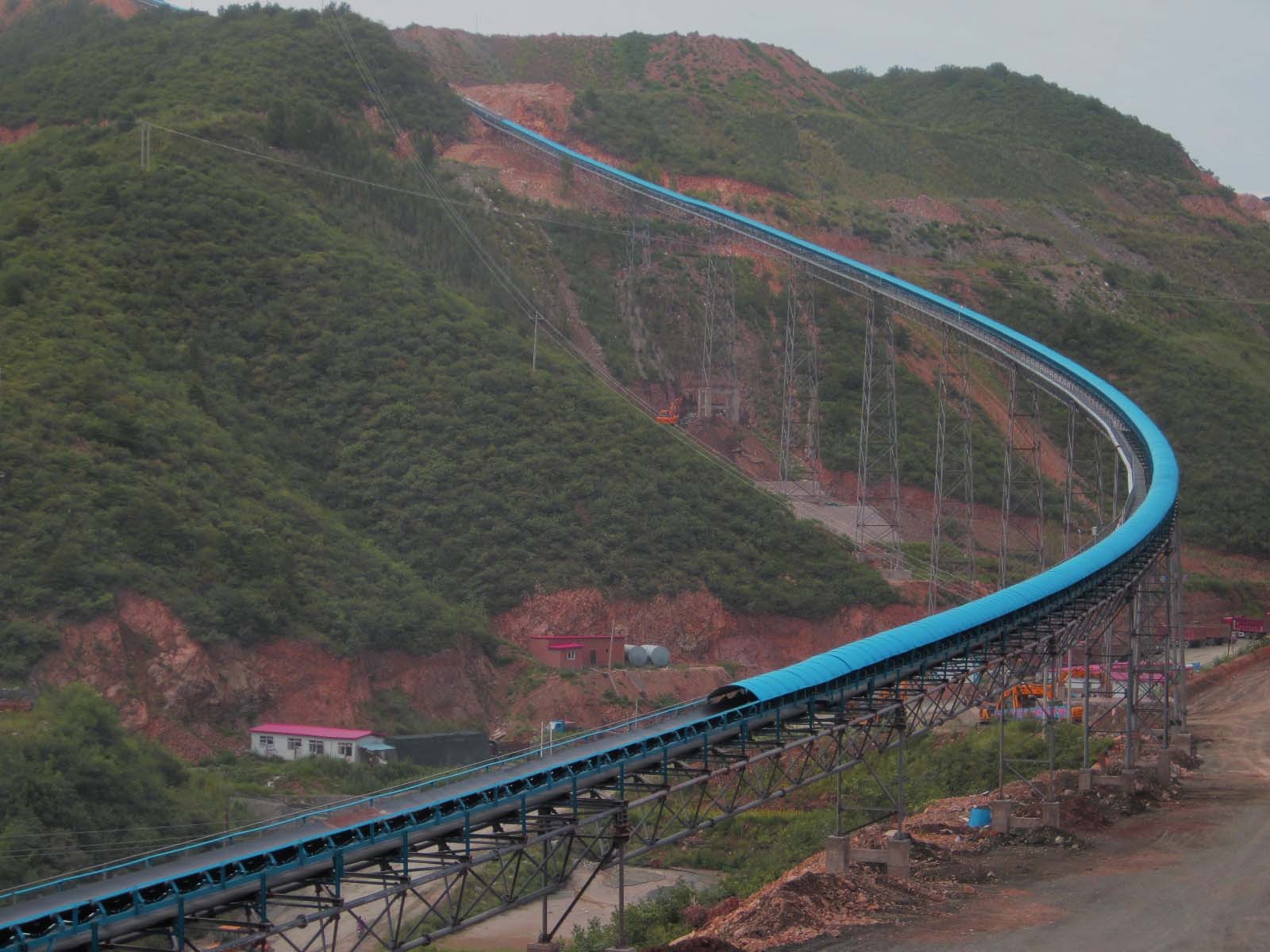
Large Inclination belt conveyor Overview
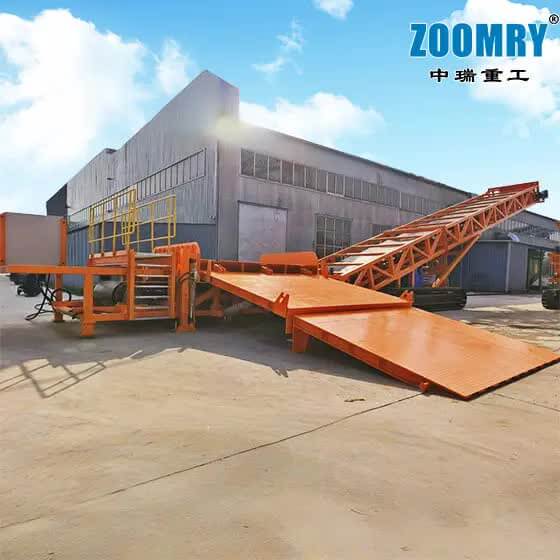
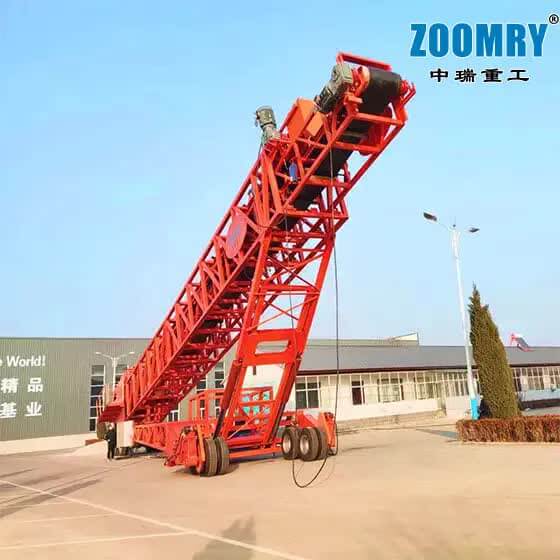
A Large Inclination Belt Conveyor is used where bulk material must be lifted across a limited horizontal distance while maintaining continuous belt conveying. Compared with a conventional low-angle conveyor route, it can reduce the required transfer length and help simplify the connection between lower and higher process elevations.
ZOOMRY designs the conveyor arrangement around the required vertical lift, available route length, material flowability, particle size, moisture content, feed condition, and production capacity. Belt surface configuration, drive arrangement, idler layout, tensioning method, and transfer chutes are selected as part of the final project design.
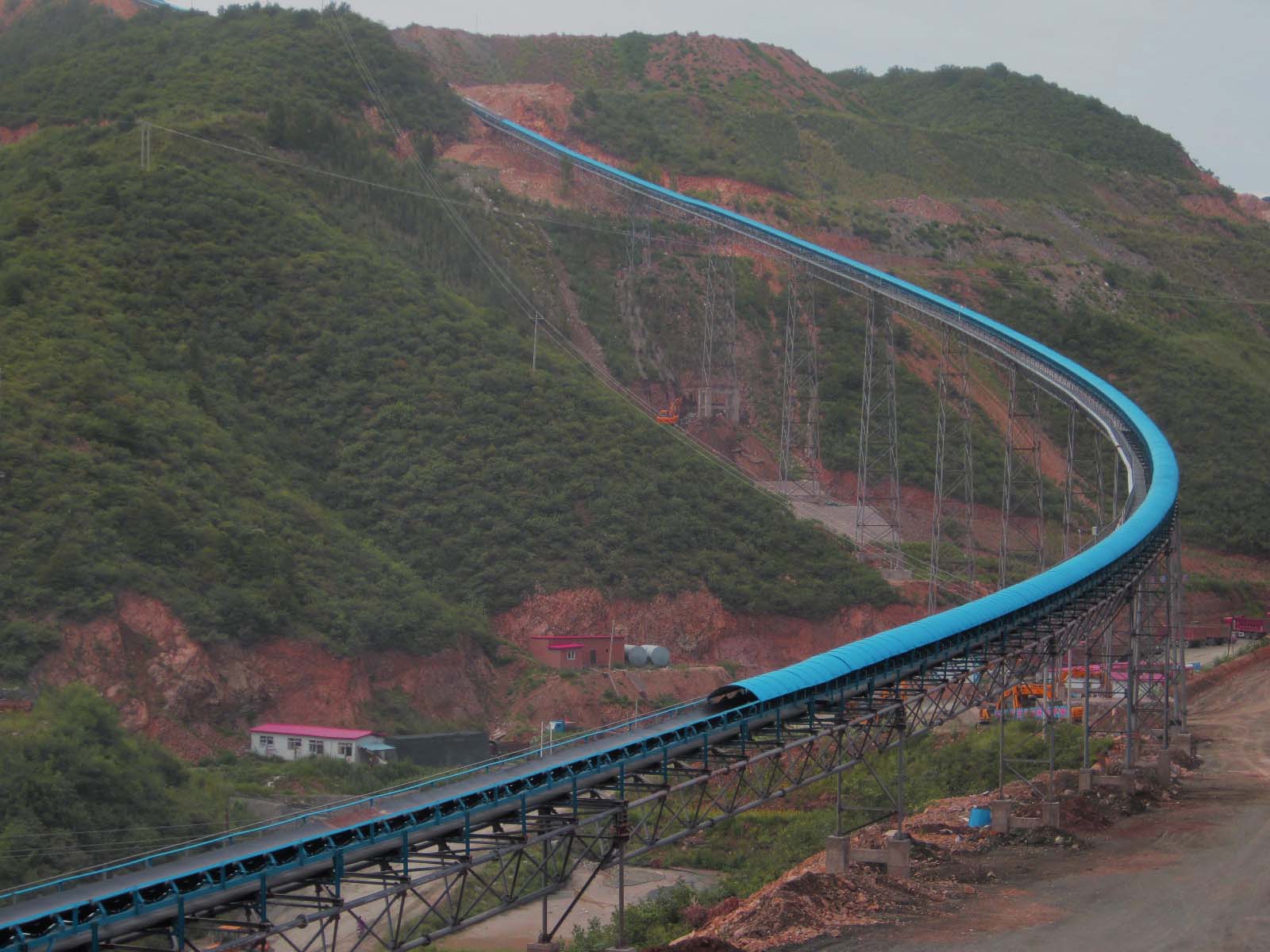
ZOOMRY Large Inclination Belt Conveyor — Continuous Steep-Angle Conveying for Mining and Industrial Applications
How Large Inclination Conveying Works
As conveyor inclination increases, the tendency of bulk material to slide or roll back along the belt also increases. The required belt surface, loading arrangement, belt speed, and discharge configuration are therefore selected according to the material's flowability, lump size, moisture content, and required conveying angle.
For applications within the normal design range, profiled belt surfaces or project-specific material-retention features may be used to improve material stability on the incline. Where a substantially steeper lift is required, ZOOMRY can evaluate a dedicated Steep angle belt conveyor configuration with specialized belting and containment components.
Key Design Features
- Space-Saving Layout: Steep-angle conveying reduces the horizontal length required compared with conventional troughed conveyors, supporting confined plant layouts and reduced land footprint.
- Single-Machine Vertical Lift: Can replace combined horizontal conveyor and bucket elevator arrangements in suitable applications, simplifying the material flow path.
- Flexible Route Configuration: Conveyor length and inclination are customized according to project route profile and production line requirements.
- Versatile Material Handling: Suitable for coal, ore, limestone, aggregates, cement, and other bulk materials with particle sizes up to 300 mm.
- Standardized Components: Drive, pulley, idler, and structural components are selected for maintainability and interchangeability with standard conveyor systems.
Technical Specifications
| Parameter | Specification |
|---|---|
| Belt Width | 800 / 914 (36") / 1,000 / 1,200 / 1,400 / 1,600 mm (customizable) |
| Conveyor Length | Project-specific; available in customized route lengths |
| Inclination Angle | Up to ±30°, subject to material properties, belt design, capacity, and site layout |
| Capacity | Up to 15,000 m³/h, subject to material and conveyor design |
| Belt Speed | 0.6 – 4.5 m/s |
| Max Material Particle Size | ≤ 300 mm |
| Pulley Diameter | 400 – 1,800 mm |
| Idler Diameter | 89 – 219 mm |
| Belt Type | Selected according to inclination, material stability, capacity, and loading conditions |
| Design References | Applicable design standards selected according to project and destination requirements |
Final conveyor capacity, belt speed, inclination, pulley size, and belt configuration are determined by material bulk density, particle size, moisture content, flowability, feed conditions, route profile, and operating environment. Values shown are reference ranges and require project-specific engineering confirmation.
Conveyor Structure Components
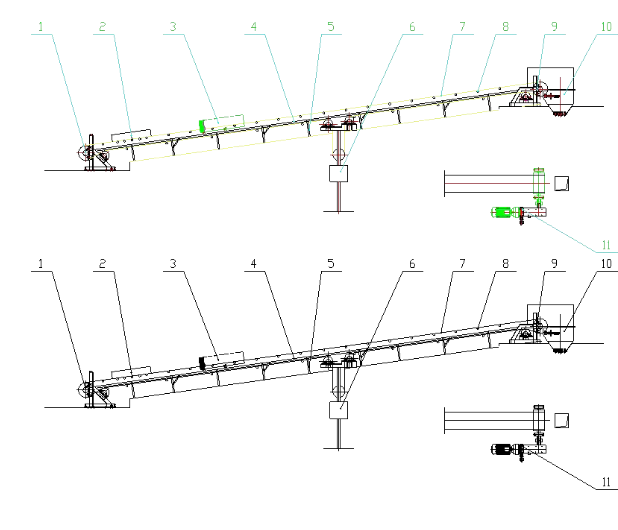
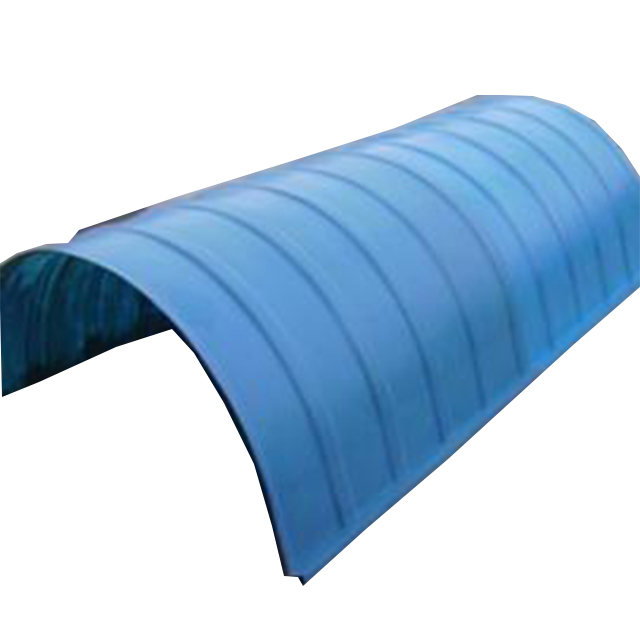
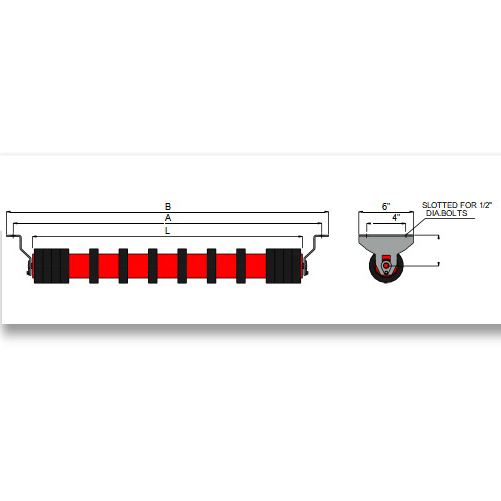
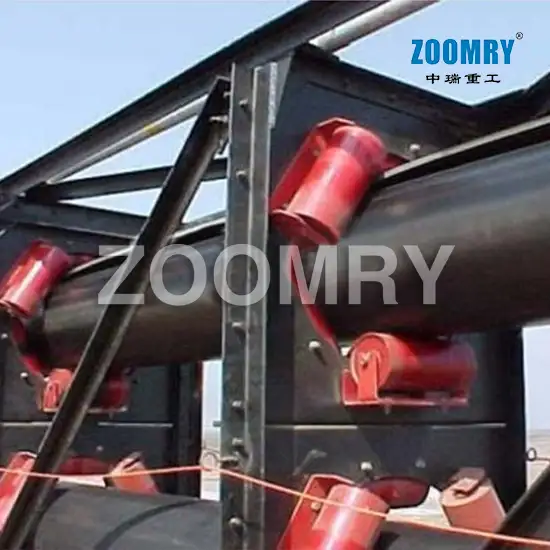
Large Inclination Belt Conveyor Structure — 1. Tail pulley and frame 2. Guide chute 3. Rain Cover 4. Middle rack stringer 5. Outrigger 6. Tensioning device 7. Belt 8. Idler 9. Head pulley and frame 10. Hopper 11. Drive system
Typical Conveyor Safety and Monitoring Devices
Safety and monitoring devices are selected according to the conveyor duty, access arrangement, control philosophy, local regulations, and project risk assessment.
Belt Sway Switch
Detects belt deviation and sends a warning or shutdown signal. Deviation can damage the belt edges and create safety risks. Switches are typically installed in pairs on both sides of the conveyor at critical tracking points.
Pull Cord Switch
A wire rope runs along the full length of the conveyor, allowing operators to trigger an emergency stop from any position. Available in single-sided or double-sided arrangements and generally used in conjunction with walkways.
Zero Speed Switch
Monitors belt or pulley rotation speed to detect slippage early. Common causes of belt slip include overloading, insufficient belt tension, or worn drive pulley lagging. The switch compares actual speed against a set reference and activates an alarm or stop signal when deviation exceeds the configured threshold.
Application and Cases
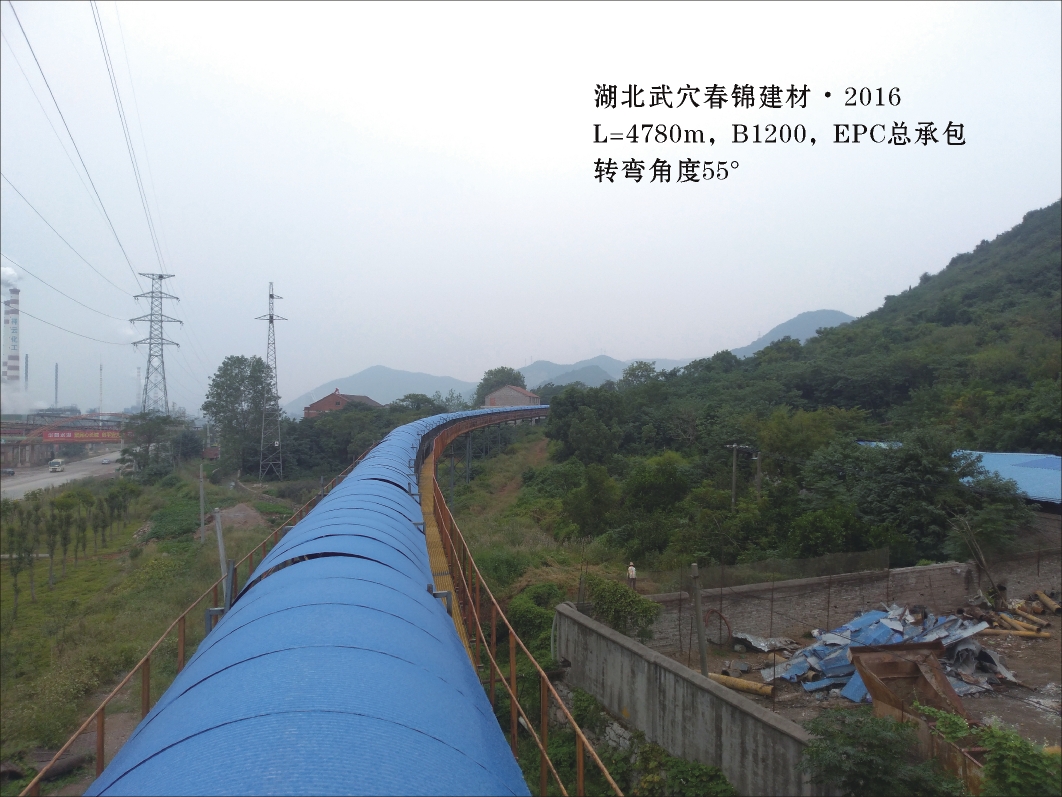
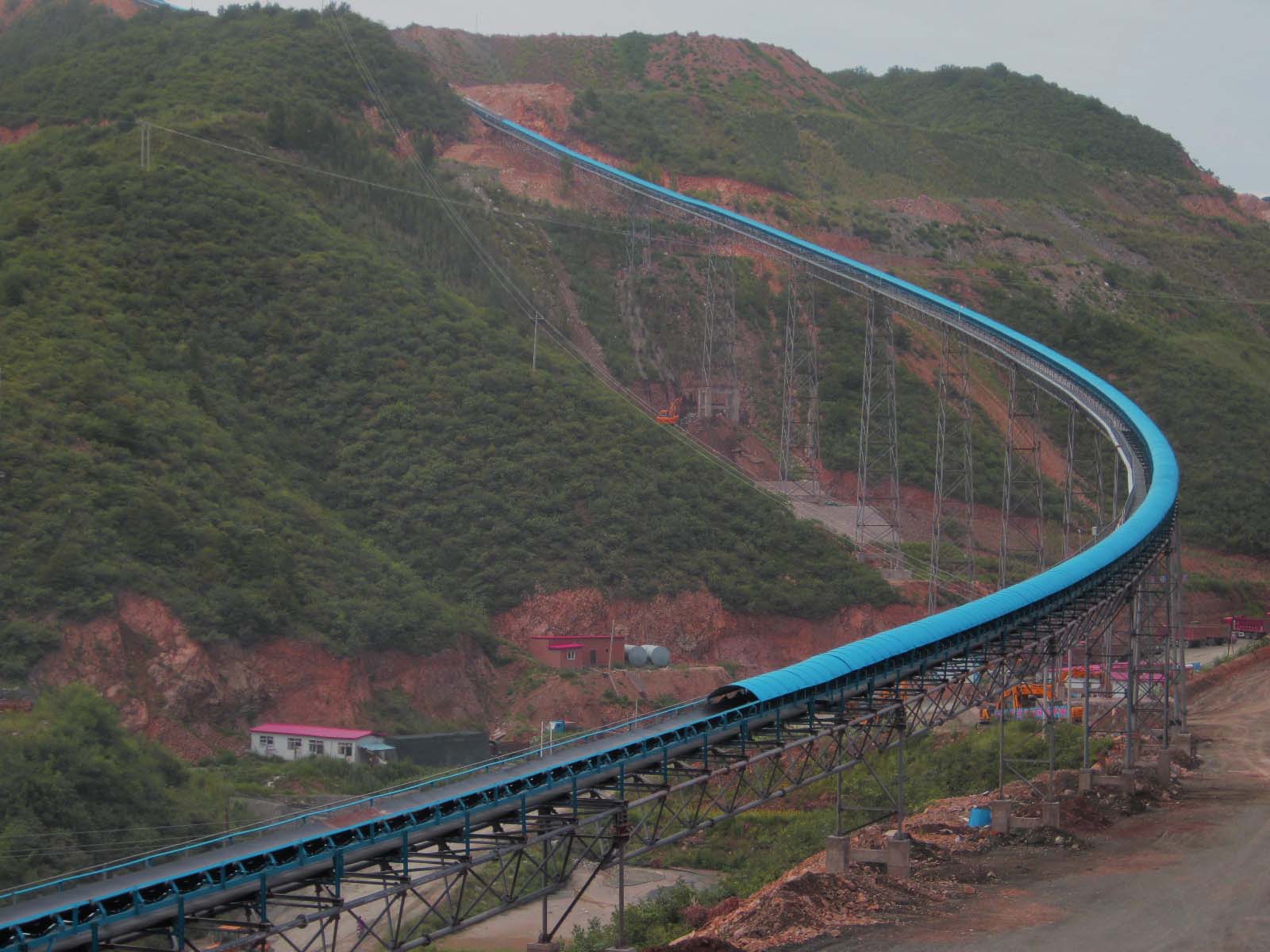
Large Inclination Belt Conveyor in Operation — Hubei Chunjin Limestone Transport Project
Hubei Chunjin Building Materials — 4,780 m Limestone Conveyor
- Year: 2016
- Length: 4,780 m
- Belt Width: 1,200 mm
- Capacity: 1,400 t/h
- Route Feature: 57° steep incline section for limestone transport
- Application: Connecting mine crushing area to factory raw material silo
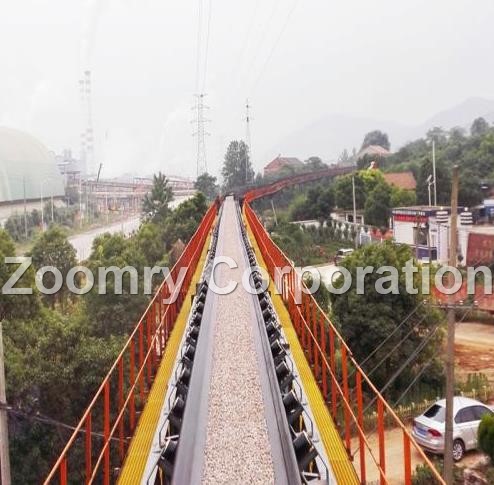
Hubei Chunjin — 4,780 m Belt Conveyor with 57° Steep Incline Section
Inner Mongolia Abaga Gold Mine
- Year: 2014
- Length: 5,100 m
- Belt Width: 1,000 mm
- Route Feature: 61° turning angle
Inner Mongolia Abaga Gold Mine — 5,100 m Conveyor with 61° Turning Angle
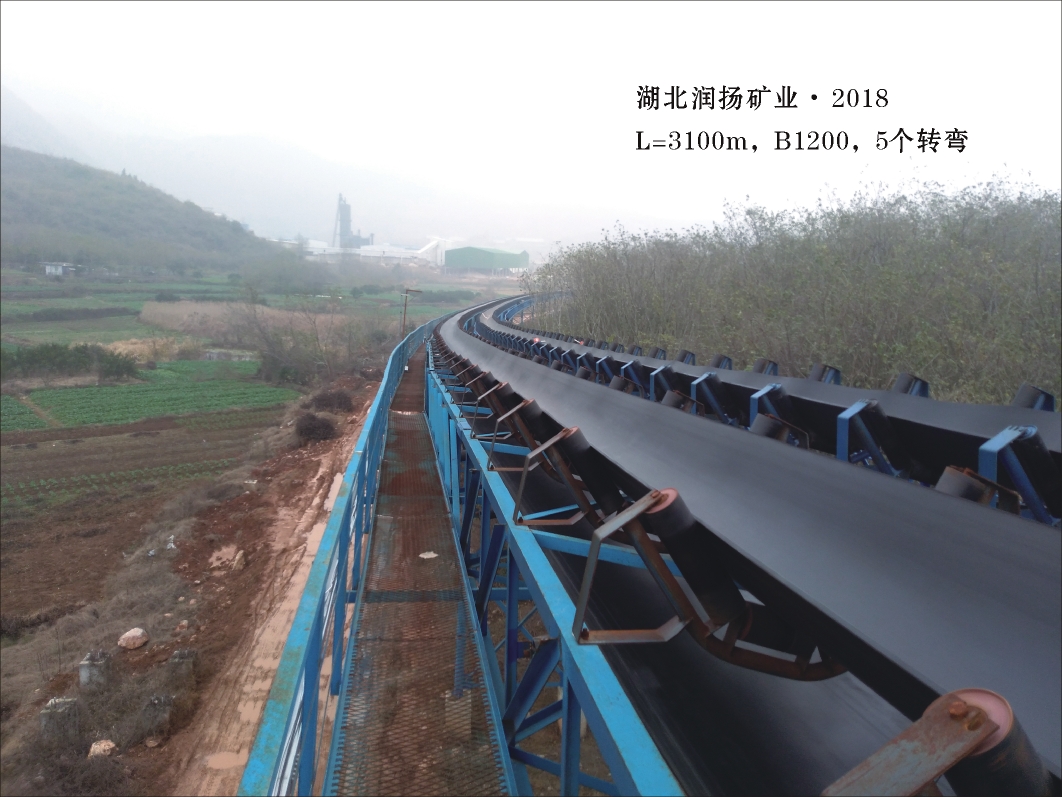
Hubei Runyang Mining — 3,100 m Conveyor with Multiple Curves
- Year: 2018
- Length: 3,100 m
- Belt Width: 1,200 mm
- Route Feature: 5 turns
Frequently Asked Questions
What is the maximum inclination angle for a large inclination belt conveyor?
For standard belt types with profiled surfaces, the maximum operating angle is typically ±30°. The actual angle depends on material characteristics such as particle size, moisture content, and flowability. For steeper lifts, a dedicated steep angle belt conveyor with corrugated sidewall or pocket belt configuration can be evaluated.
What types of belts are used for large inclination conveying?
Belt selection depends on the conveying angle, material properties, and capacity requirements. Common options include chevron belts with raised patterns, cleated belts with vertical barriers, and corrugated sidewall belts with flexible edges. The belt type is confirmed during project engineering rather than applied as a universal standard.
How does a large inclination conveyor prevent material from sliding back?
Profiled belt surfaces increase friction and create physical barriers that help keep material stable on the incline. Belt tension, idler spacing, and loading arrangement are also optimized to maintain proper contact between the material and belt surface during steep-angle transport.
What is the typical capacity range for a large inclination belt conveyor?
Capacities can reach up to 15,000 m³/h depending on belt width, speed, material density, and inclination angle. Final capacity is confirmed through project-specific engineering calculation.
Can a large inclination conveyor be combined with horizontal curves?
Route curvature depends on the specific conveyor design and site requirements. Where curved routing is a key project objective, ZOOMRY can evaluate the suitability of the configuration or recommend a curved belt conveyor solution.
Video
What Information Do We Need for Large Inclination Conveyor Selection?
- Material characteristics: Bulk density (t/m³), particle size distribution, moisture content, and flowability.
- Required throughput: Target capacity in t/h or m³/h, including any peak loading conditions.
- Lift height and route profile: Vertical rise required, available horizontal distance, and route layout constraints.
- Site conditions: Space limitations, foundation conditions, and whether the conveyor is indoor or outdoor.
- Existing equipment and installation context: Upstream feed source, downstream receiving point, transfer chute arrangement, and whether this is a retrofit or new installation.
Related Equipment
Dedicated high-angle solution with corrugated sidewall or pocket belts for lifts beyond ±30°.
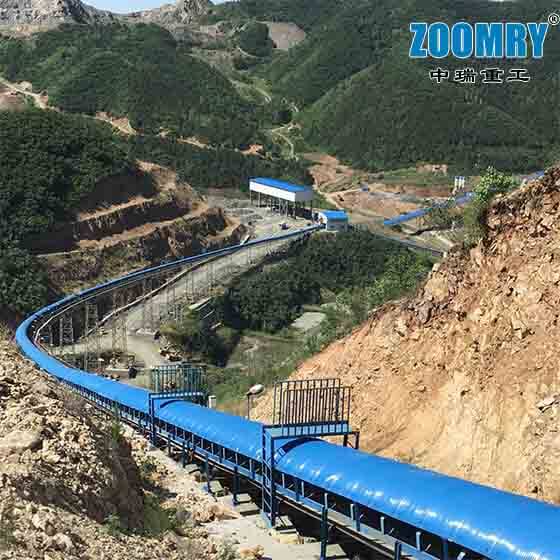
Long-distance conveying with horizontal and vertical curves without transfer points.
Industry Solutions
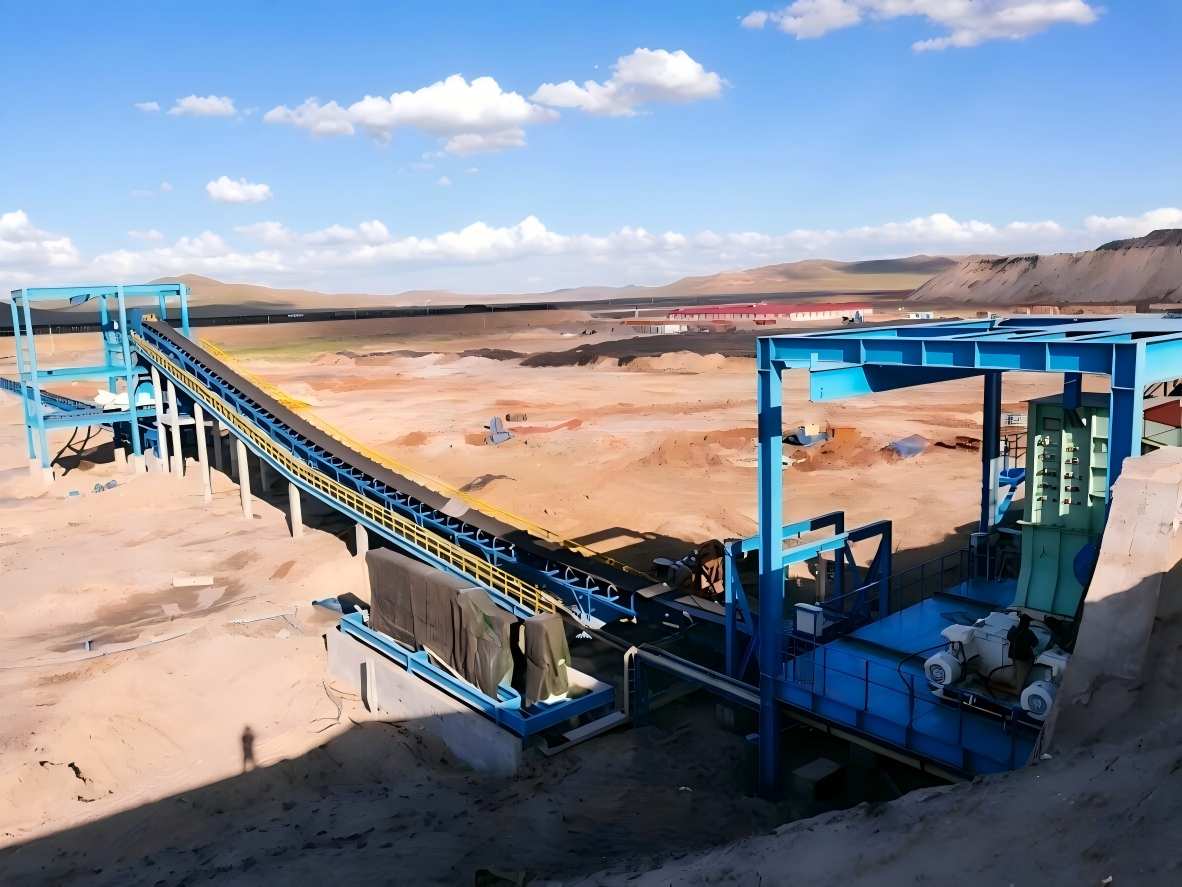
Steep-angle conveyors for pit-to-plant ore and overburden transport.
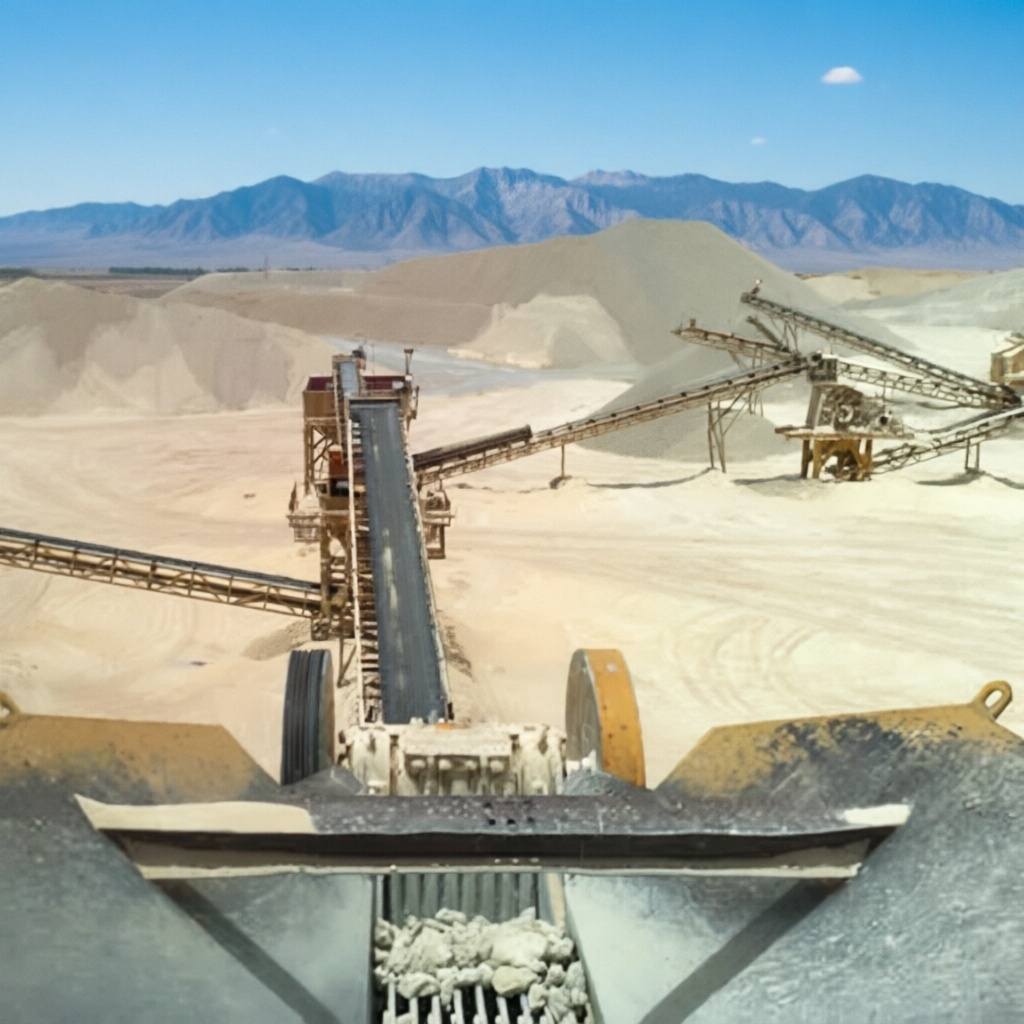
Large inclination conveyors for crusher-to-stockpile vertical lift applications.
Need a Large Inclination Belt Conveyor for Your Site?
Tell us your material type, required capacity, vertical lift, route profile, and site constraints — our engineers will recommend a suitable belt configuration and conveyor layout.
Request Large Inclination Conveyor Quote →