 ZOOMRY

Summary: The hopper, chute, and dust suppression system of a ship loader are key to continuous operation and environmental compliance. This article addresses material bridging, chute wear/perforation, and excessive dust emissions – providing proven solutions from field practice.
1. Hopper Blockage / Arching
Symptoms: Powdery or high-moisture materials fail to flow, forming arch bridges or rat holes, causing feed interruption and downtime.
Root causes:
- Poor flowability of powdery/wet materials (high internal friction angle);
- Rough hopper inner wall or material buildup – high friction;
- Insufficient hopper slope angle;
- Undersized discharge opening or excessive pressure above outlet.
Prevention & solutions:
- Hopper optimization: Slope angle ≥70° for powders, ≥60° for granules; use eccentric or asymmetric outlet.
- Inner wall treatment: Line with UHMWPE sheet (friction coefficient ≤0.15) or 304/316L stainless steel; anti-stick coating for sticky materials.
- Anti-arching devices: Install vibrators or pneumatic knockers; link level sensors for on-demand activation.
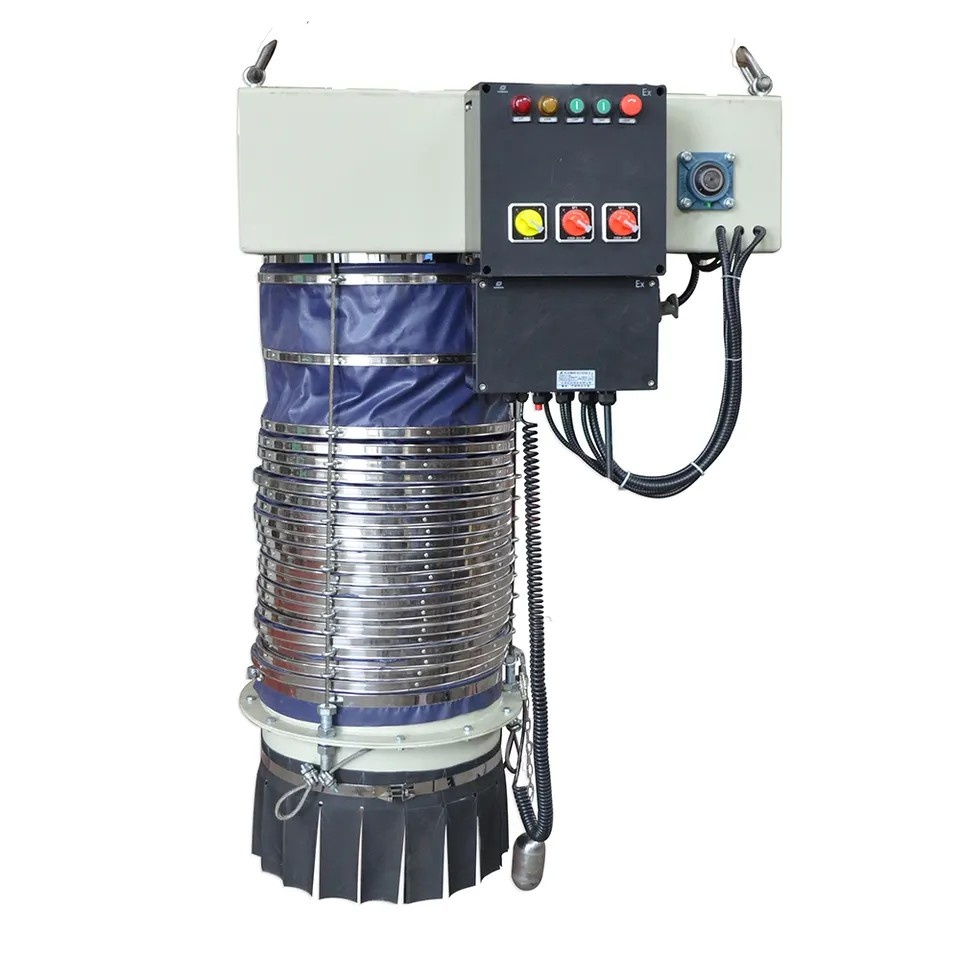
- ZOOMRY's solution: Integrated design – eccentric hopper + polymer liner + vibratory breaker. Proven to reduce blockage failures by over 70% in export projects.
2. Chute Wear / Material Leakage
Symptoms: Chute wall worn through by material impact, causing perforation and spillage, especially with hard materials like iron ore or coke.
Root causes:
- No wear liner – direct impact on chute wall;
- Liner detached or worn out without timely replacement;
- Off-center material drop causing concentrated impact on one side;
- No buffer structure at chute corners.
Prevention & solutions:
- Wear liners: Install AR400/AR500 wear-resistant steel plates (HRC58-62, 6-10mm thick) in impact zones; ceramic liners offer 3-5x longer life.
- Chute structure: Use stepped or spiral chute to slow material velocity; install material trap pocket at corners for "material-on-material" protection.
- Load centering: Adjust feeder to drop material at chute center, avoiding uneven wear.
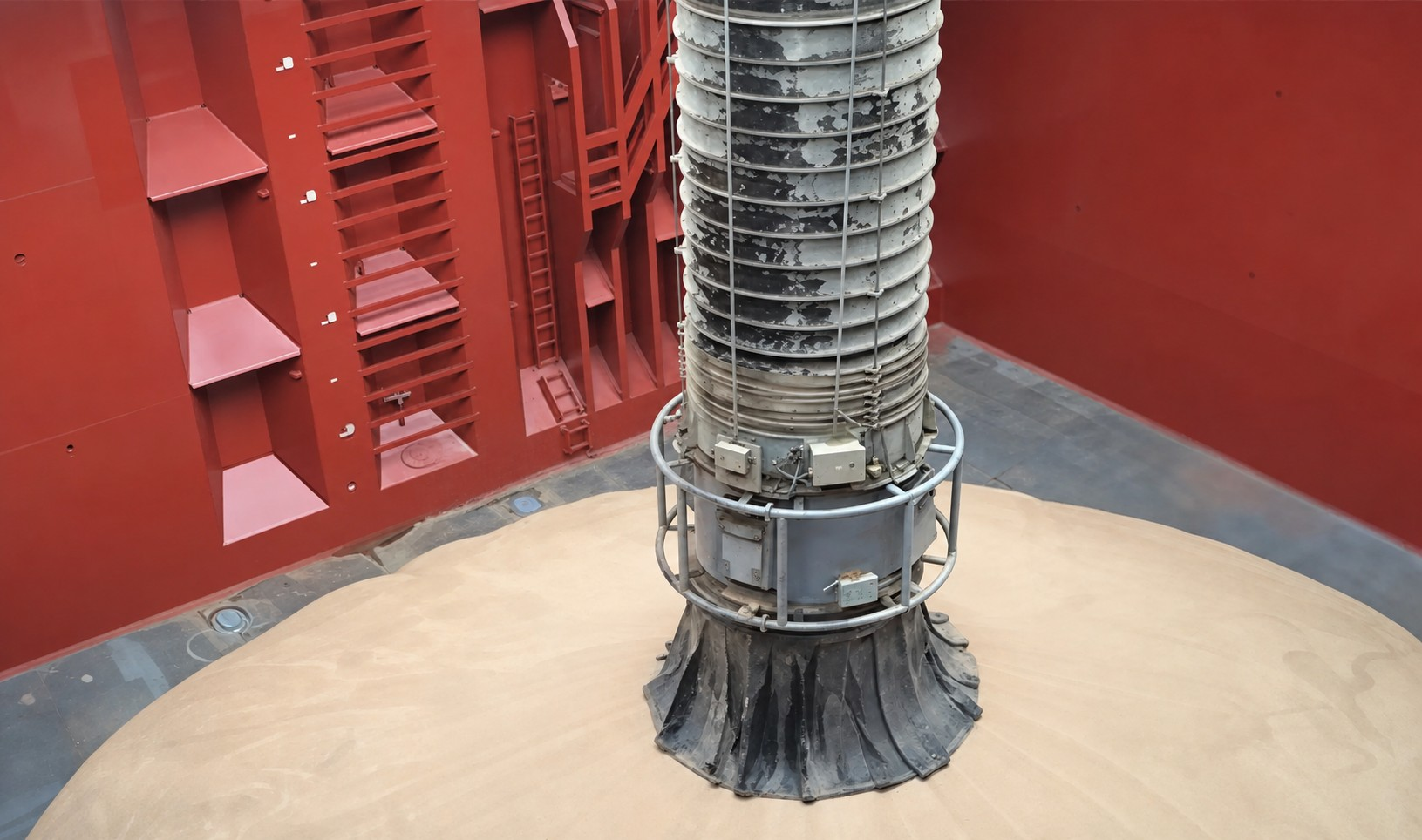
- ZOOMRY practice: All chutes are equipped with AR400 liners and inspection ports; ceramic liner option available for high-wear applications (iron ore, coal).
3. Excessive Dust / Poor Dust Suppression
Symptoms: Dust emission at transfer points, chute outlets, skirtboards; failure to meet environmental standards.
Root causes:
- Undersized fan – insufficient airflow;
- Baghouse filter clogging (wet/sticky dust); pulse cleaning failure;
- Damaged seal cover, unclosed panels, detached dust curtains;
- Dry-type dust collector poorly suited for high-moisture materials; water mist nozzles clogged.
Prevention & solutions:
- Airflow matching: Calculate total required airflow; use VFD fan for automatic speed adjustment.
- Baghouse maintenance: Use PTFE-coated filter bags (water/oil resistant); check pulse cleaning system regularly (air pressure ≥0.5MPa). Emission concentration ≤10mg/m³ achievable.
- Sealing & collection: Install fully enclosed dust covers and double-layer dust curtains at transfer points; rubber skirt seals at chute-belt interface.
- Wet dust suppression: For high-moisture materials, use dry fog system (droplet ≤10μm) to avoid bag blinding; install spray system at ship loader head with anti-freeze heating.
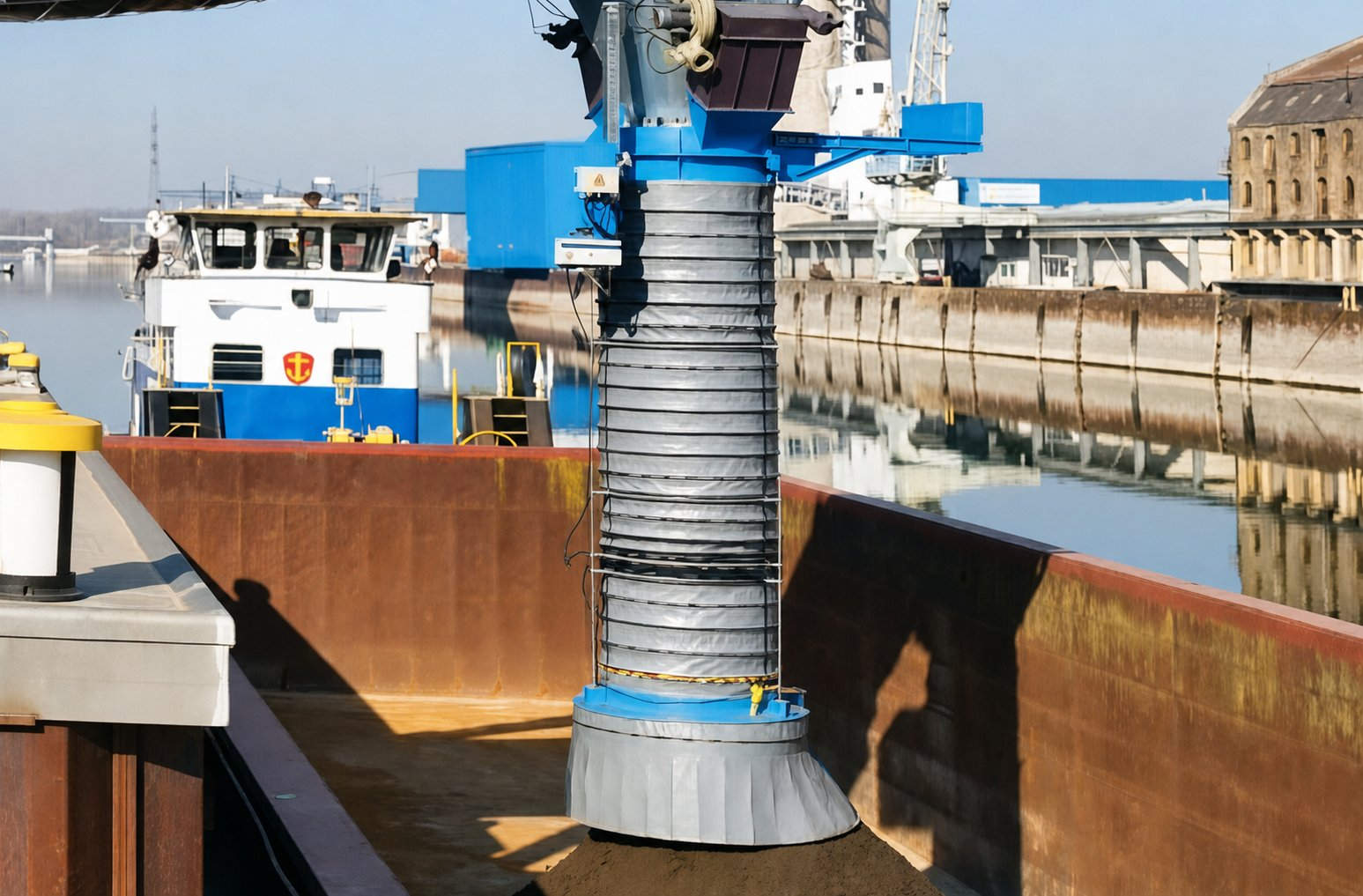
- ZOOMRY's solution: Combined bag filter + dry fog system with automatic mode switching. Optional online emission monitor for real-time compliance.
Conclusion: Reliable hopper, chute, and dust suppression systems improve loading efficiency and environmental compliance. Proper hopper slope/liner, wear-resistant chute liners, and optimized dust control drastically reduce clogging, wear, and emissions – ensuring efficient and clean operation.
Need a Quote or Technical Advice?
Contact our engineers today for a customized solution.
Request a Quote Chat on WhatsApp