 ZOOMRY

1. Belt Misalignment (Most Frequent)
Symptoms: Belt runs off the roller center; edge wear, severe spillage, and even belt tearing.
Root causes:
- Misaligned idlers or pulleys;
- Off-center material loading (asymmetric load);
- Uneven belt tension;
- Material buildup on pulley surface;
- Frame distortion or foundation settlement.
Prevention & solutions:
- Installation accuracy: Idler lateral tilt ≤1.5mm; pulley axis perpendicularity ≤0.5mm/m.
- Training idlers: Install automatic belt trackers every 10 idler sets (both carry and return side). ZOOMRY recommends hydraulic/pneumatic aligners for fast response without belt damage.
- Load centering: Adjust chute outlet to drop material at belt center; add material centering device.
- Pulley cleaning: Use alloy rubber scrapers or polyurethane blades; add water spray or heater for sticky materials.
- Tension check: Measure tension difference between both sides; if >5%, re-adjust take-up.
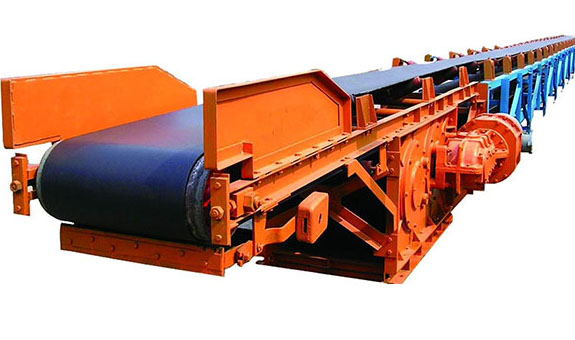
2. Belt Slippage
Symptoms: Relative slip between drive pulley and belt, especially under heavy load; reduced throughput; rapid lagging wear.
Root causes:
- Insufficient belt tension (counterweight too light or screw take-up loose);
- Worn pulley lagging – low friction;
- Wet or dusty belt surface – reduced friction;
- Overload beyond design capacity.
Prevention & solutions:
- Tension adjustment: Regularly check take-up stroke; ensure tension at 90–110% of design. Use tension sensors for long conveyors.
- Lagging maintenance: Inspect lagging every 3 months; replace when wear depth >1/3. Ceramic lagging increases friction by >30%.
- Anti-slip measures: Apply slip-resistant spray on belt back; install slip detection switch to alarm and auto-tighten.
- ZOOMRY's recommendation: Use hydraulic auto-take-up that adjusts tension based on load, eliminating slippage. ZOOMRY offers this on selected export models with lagging wear sensors.
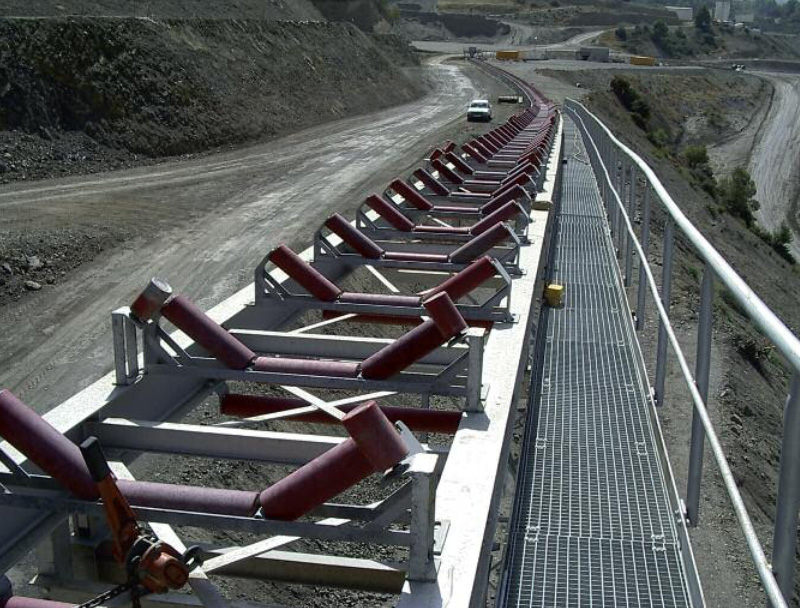
3. Belt Tear / Cut
Symptoms: Longitudinal/transverse scratches or cuts; severe tearing leads to long downtime.
Root causes:
- Foreign objects (iron, sharp stones, rebar) in material;
- Worn chute liner plates creating sharp edges;
- Buildup in chute scratching belt edge;
- Aging or poor splice quality.
Prevention & solutions:
- Magnetic separators: Install permanent/electromagnetic separators at head or transfer points; add metal detector with diverter.
- Chute liner maintenance: Check wear each week; replace when >2mm; ensure gap 3–5mm from belt; no sharp edges.
- Rip protection: Install rip detection sensors (pressure or inductive). Immediate stop when belt punctured.
- Splice inspection: Ultrasonic or X-ray inspection every six months; re-splice if voids found.
- ZOOMRY practice: Provide belt rip training and online monitoring system to visualize belt condition.
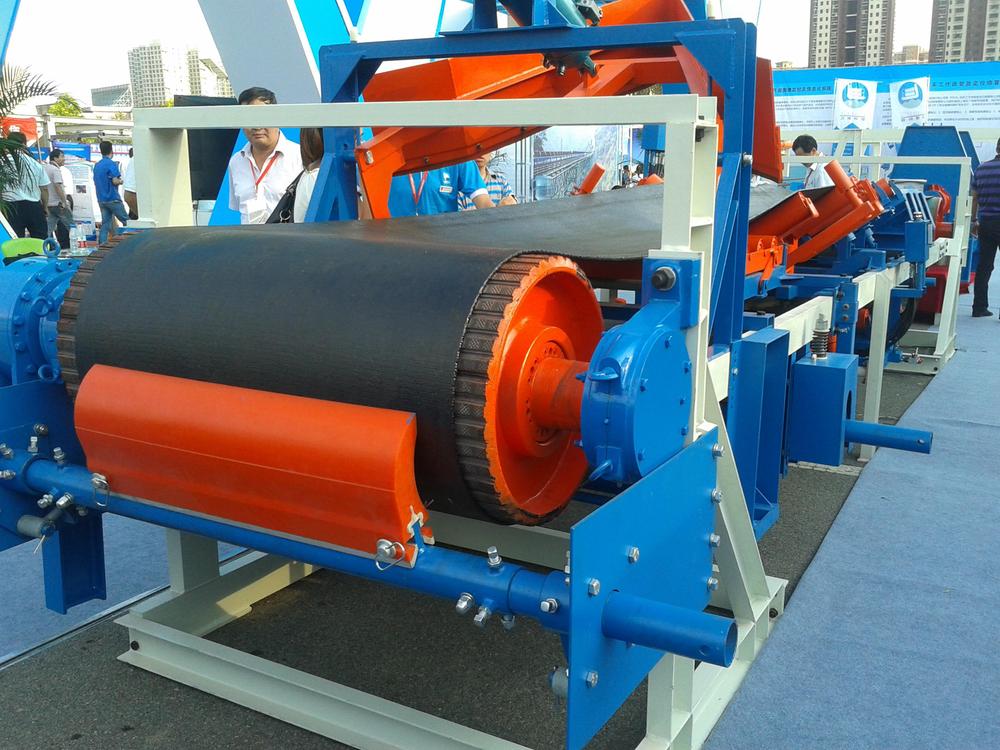
4. Severe Spillage / Material Leakage
Symptoms: Material spills from skirtboard sides, transfer points, or along the belt; pollution, waste, and idler jamming.
Root causes:
- Worn or aged skirtboard rubber seals;
- Off-center impact point – material splashes;
- Mismatch between belt speed and material feed speed;
- Poorly designed chute.
Prevention & solutions:
- Seal maintenance: Replace rubber seals every 3 months; ensure 5–10mm compression. Use double seals or dust extraction in dusty areas.
- Load centering: Use adjustable chute deflector plates to drop material at belt center and speed.
- Speed matching: For VFD drives, set acceleration/deceleration to match feed rate. Install impact idlers or impact bed at loading point.
- ZOOMRY's solution: Recommend curved chute (streamlined) to reduce impact and spillage, plus mist dust suppression.
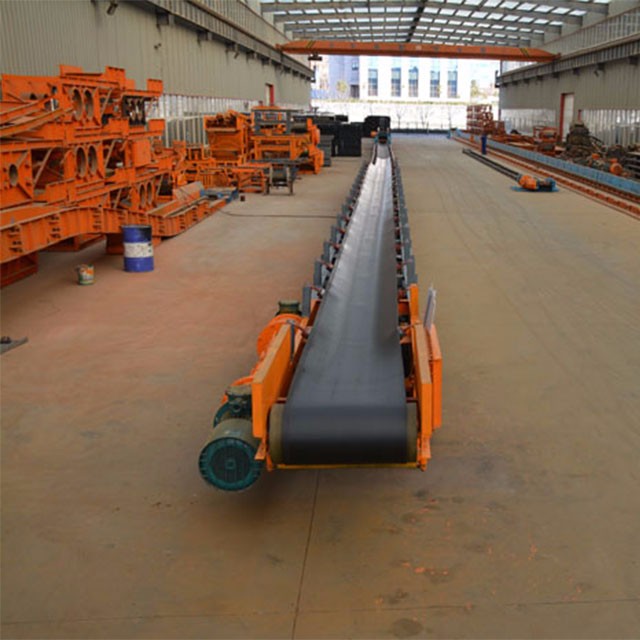
5. Idler / Pulley Damage
Symptoms: Seized idler bearings, worn shell, corrosion; pulley shell wear, abnormal noise.
Root causes:
- Lack of lubrication or seal failure – dust/water ingress causing rust;
- Shell wear from material impact, accelerated by salt spray in ports;
- Bent idler bracket causing extra moment.
Prevention & solutions:
- Lubrication & seals: Monthly grease; use labyrinth or double-lip sealed idlers. ZOOMRY offers stainless steel or galvanized idlers for corrosion resistance.
- Pulley protection: Ceramic or rubber lagging; regular inspection. Use 316L stainless steel or epoxy coating for severe corrosion.
- Regular inspection: Feel idler temperature each shift (>60°C indicates bearing failure). Listen for pulley bearing noise.
- ZOOMRY's recommendation: Install idler condition monitoring system (vibration + temperature) for early warning.
6. Chute Blockage / Material Build-up
Symptoms: Material piles up at chute outlet, causing belt stall or back spill.
Root causes:
- High moisture or sticky material (e.g., clay, concentrate);
- Insufficient chute slope – low flow velocity;
- Mismatch between belt capacity and feed rate (instant overload);
- Hardened deposits on chute walls.
Prevention & solutions:
- Chute optimization: Design slope ≥60°; line with low-friction polymer liners.
- Level detection: Install rotary or radar level sensor; alarm at 80% and reduce feed.
- Regular cleaning: Clean chute each shift; use air cannons or vibrators to assist flow.
- ZOOMRY's recommendation: For sticky materials, use anti-clogging chute with timed air cannons or vibrating feeder.
Need a Quote or Technical Advice?
Contact our engineers today for a customized solution.
Request a Quote Chat on WhatsApp