 ZOOMRY

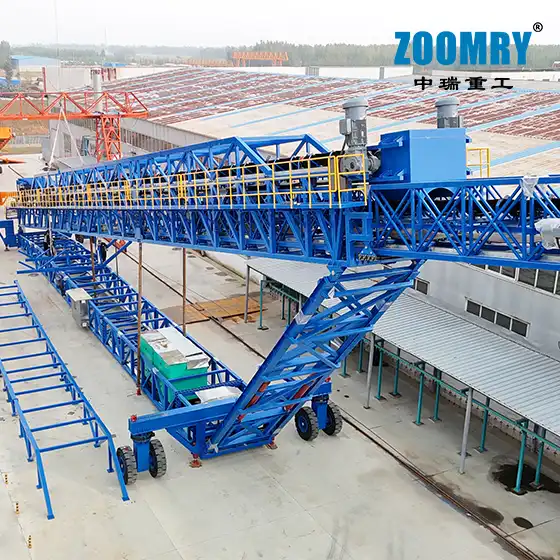
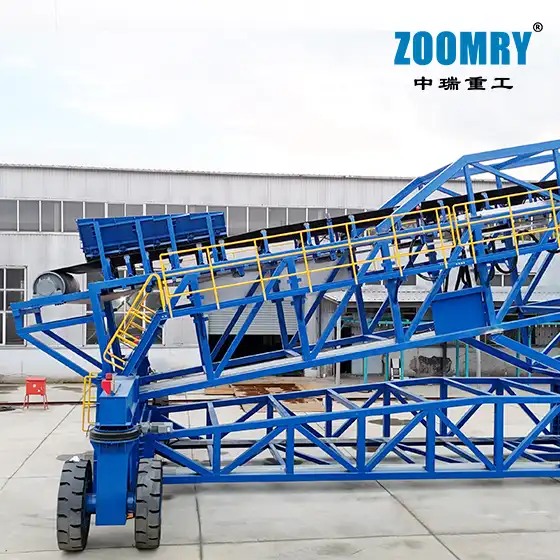
The Iron Ore Shiploader from ZOOMRY is a heavy-duty radial telescopic mobile shiploader purpose-built for continuous abrasive ore loading at port terminals. Unlike standard mobile shiploaders, this variant is engineered with wear-resistant components throughout to withstand iron ore's extreme density (up to 5.0 t/m³), sharp edges, and continuous abrasion. Radial slewing and telescoping boom functions enable operators to trim up to 3 hatches from a single feed position without repositioning the vessel — reducing loading time while handling 100–3,500 t/h onto vessels from mini bulk carriers to Capesize.
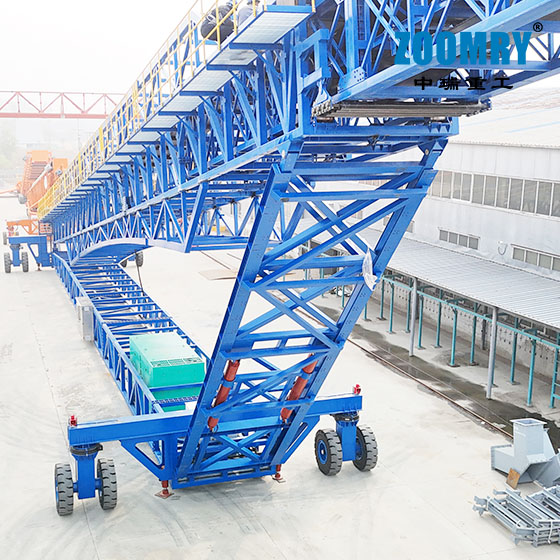
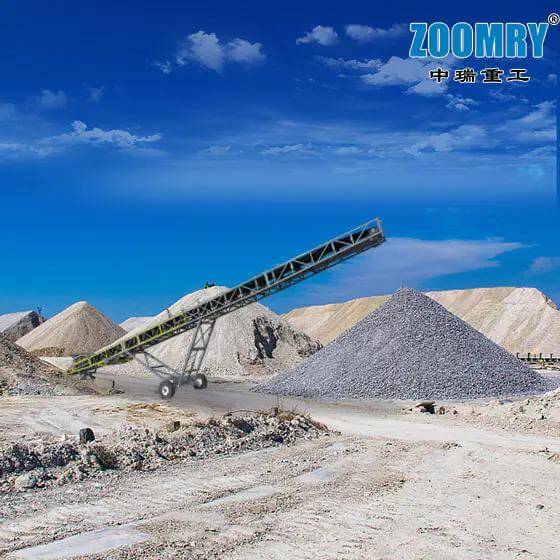
ZOOMRY Iron Ore Shiploader — heavy-duty wear-resistant components for 100–3,500 t/h continuous abrasive ore loading
Why Choose a Dedicated Shiploader for Iron Ore?
Iron ore presents unique handling challenges that standard shiploaders are not built to withstand. At densities up to 5.0 t/m³ with sharp, irregular edges, iron ore acts like sandpaper on standard conveyor components — wearing through belts, chewing up chute liners, and destroying standard steel rollers within months. The dedicated iron ore shiploader solves these problems with five key design features:
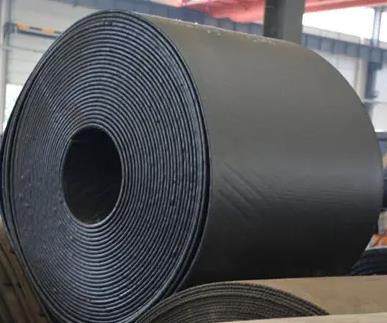
- Reinforced Conveyor Belts — steel cord or high-tensile fabric belts rated for continuous high-density material impact, with impact beds at all loading points to absorb the shock of falling ore.
- Abrasion-resistant chutes and liners — cascade-design telescopic loading chutes with replaceable wear liners control material velocity and protect against ore abrasion throughout the loading cycle.
- Heavy-duty drive components — oversized Conveyor Pulleys and drive systems engineered for the higher torque demands of dense ore conveyance.
- Radial and telescoping capability — unmatched trimming control for vessels up to Capesize. Operators load multiple hatches from a single feed position, reducing hatch changeover time and production downtime.
- Comprehensive dust suppression — options include sealed transfer points, dust extraction, water suppression, and enclosed chutes to meet environmental regulations at iron ore export terminals.
Iron Ore Shiploader vs Standard Shiploader: What's the Difference?
| Feature | Iron Ore Shiploader | Standard Mobile Shiploader |
|---|---|---|
| Conveyor Belt | Steel cord / high-tensile — abrasion-rated | Standard fabric — general purpose |
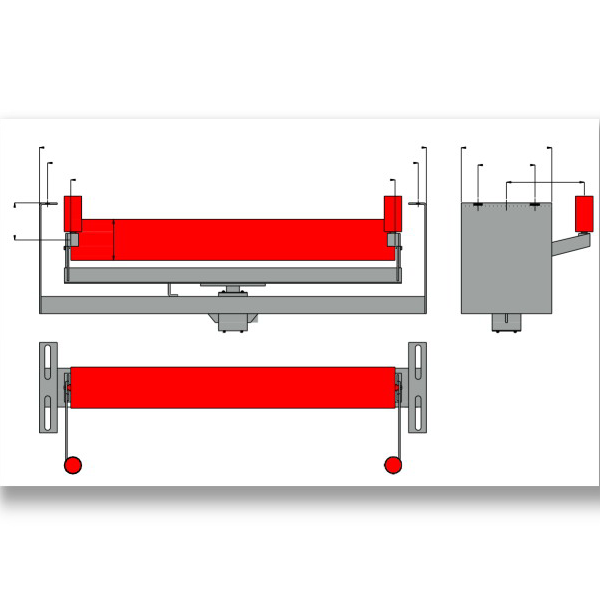
| Loading Point Protection | Heavy-duty impact beds at all transfer points | Standard impact idlers |
| Chute Construction | Replaceable wear liners — abrasion-resistant | Standard steel — basic lining |
| Material Density Capacity | Up to 5.0 t/m³ — iron ore rated | Typically 1.5–2.5 t/m³ — coal/grain rated |
| Best For | Iron ore, copper, bauxite — abrasive ores | Coal, grain, aggregates — non-abrasive bulk |
What Configuration Options Are Available for Iron Ore Loading?
ZOOMRY configures each iron ore shiploader to match the specific requirements of your terminal:
- Mobility: Drive wheels (inline, parallel, radial patterns), track mounted for harsh ground conditions, or wheeled and rail mounted combinations to fit any quayside design.
- Dust protection: Galvanized or canvas dust covers, retractable dust covers, dust extraction, integrated retractable chute (free-fall or cascade design), 360-degree trimmer chute, rubber sock chute, or water suppression.
- Sealing: All transfer points sealed — side panels, bottom trays, and discharge ports — to prevent ore spillage and dust emissions.
- Electrical integration: Communication interconnections, radio remote control, fully integrated generator, Ethernet connectivity for remote monitoring.
- Marine specification finishes: Protective coatings rated for continuous saltwater exposure and abrasive ore dust in port environments.
Frequently Asked Questions
Why can't I use a standard shiploader for iron ore?
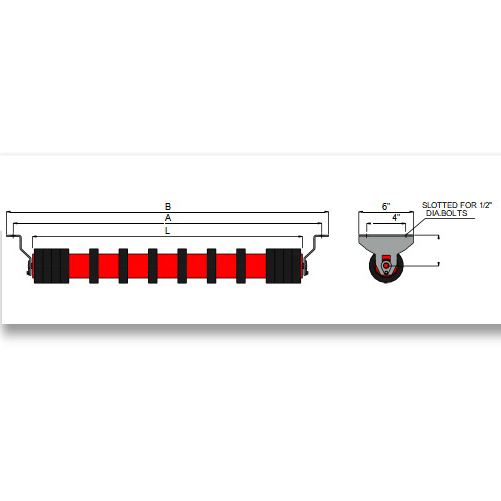
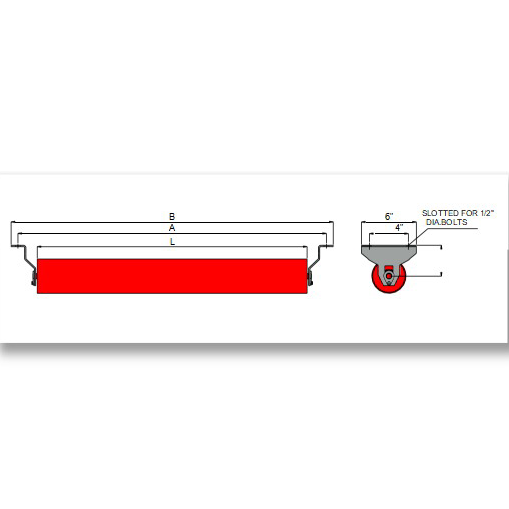
Iron ore is exceptionally dense (up to 5.0 t/m³) and sharp-edged — it abrades standard conveyor belts, wears through chute liners, and overloads drive components designed for lighter materials like coal or grain. A standard shiploader used for iron ore will experience accelerated belt wear, chute perforation, and drive system failures. The dedicated iron ore shiploader uses steel cord belts, heavy-duty conveyor rollers rated for high-density loads, and replaceable wear liners at all material contact points — extending component life and reducing unplanned downtime.
What vessel sizes can the iron ore shiploader handle?
The radial telescopic boom extends up to 65 meters fully extended, with loading heights up to 22 meters — accommodating vessels from mini bulk carriers and barges through Handysize and Panamax to Capesize (up to 120,000 DWT). The telescoping function allows the boom to retract when passing through gear boat infrastructure and extend for precise hatch positioning. Operators can trim up to 3 hatches from a single feed position.
How does the iron ore shiploader compare to the fertilizer shiploader?
Both are radial telescopic mobile shiploaders, but they address different material challenges. The iron ore shiploader is built for abrasion resistance — steel cord belts, heavy-duty impact beds, and wear liners for dense, sharp-edged ores. The fertilizer shiploader is built for corrosion resistance — HDPE rollers, sealed chutes, and stainless steel components for chemically aggressive fertilizers. Choose based on your primary cargo: abrasive = iron ore configuration; corrosive = fertilizer configuration.
Related Solutions
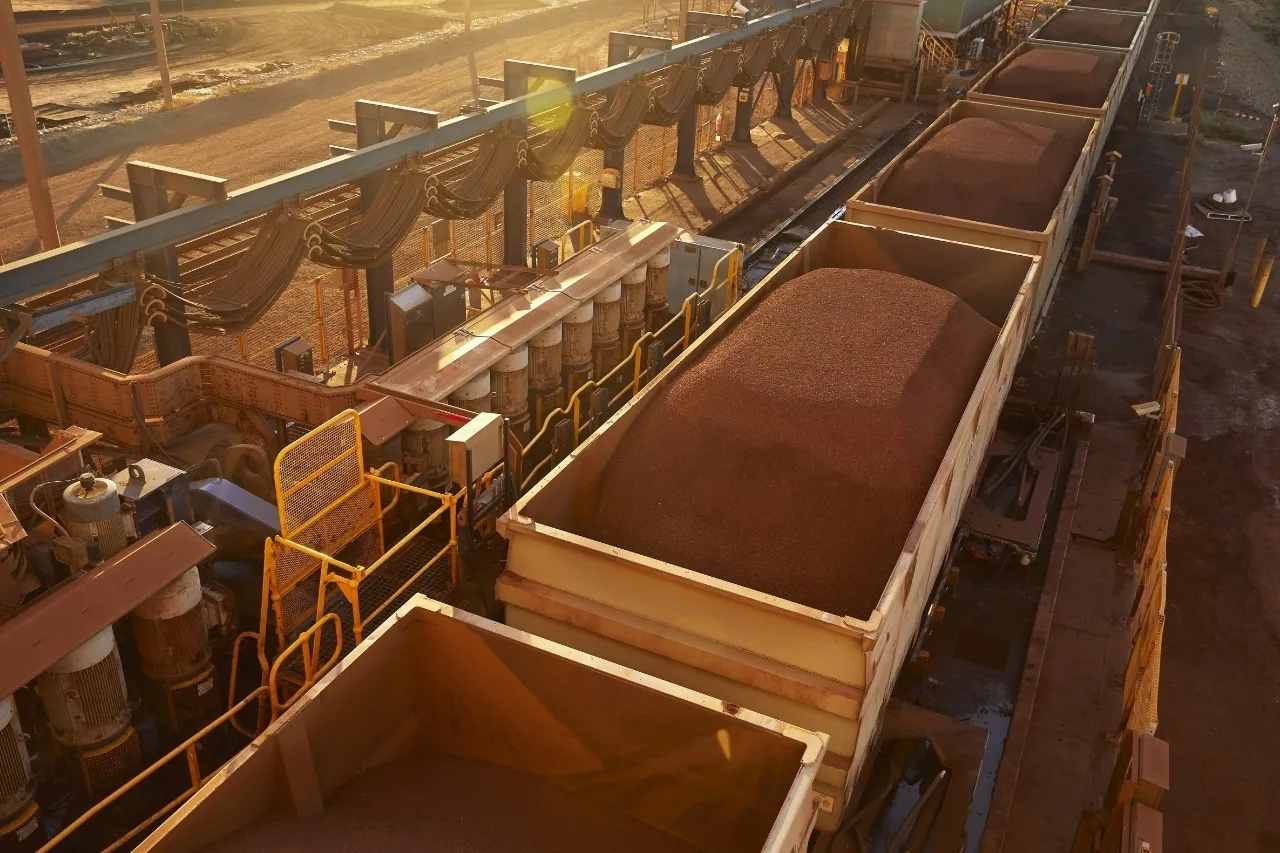
Heavy-duty high-temperature conveyor systems for integrated steel mills and minimills.
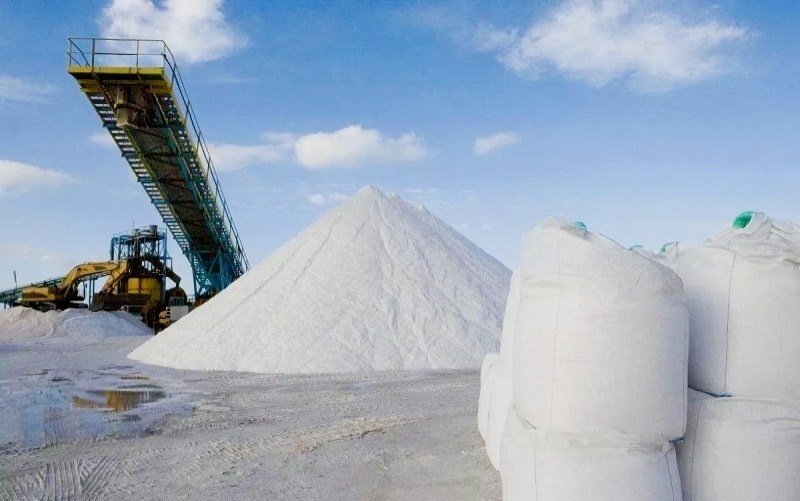
Alkali-resistant HDPE idlers and enclosed Pipe conveyors for soda ash production.
Need a Heavy-Duty Shiploader for Iron Ore?
Tell us your ore characteristics, vessel sizes, and throughput target — our engineers will configure the right shiploader with wear-resistant components for your terminal.
Get a Custom Recommendation