 ZOOMRY

Reducing truck haulage costs in open-pit mining involves replacing or supplementing haul truck fleets with overland conveyor systems for long-distance ore and overburden transport. For mine operators, overland conveyors offer lower operating cost per ton on suitable routes, reduced dependence on fuel and tires, and a smaller environmental footprint compared with continuous truck haulage.
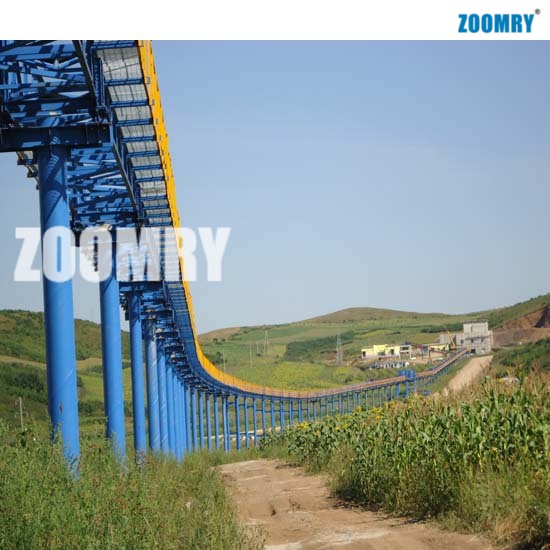
Why Open-Pit Mines Are Reconsidering Truck Haulage
Haul trucks have long been the default transport method in open-pit mining because of their flexibility. They require no fixed infrastructure, adapt to changing pit geometry, and can be redeployed as mining progresses. But this flexibility comes with significant operating costs.
The main cost drivers for truck haulage include:
- Fuel consumption: Large haul trucks consume substantial diesel per operating hour, and fuel cost is directly affected by global price volatility.
- Tire wear: Mine-grade tires are expensive and wear quickly on abrasive haul roads and sharp rock.
- Labor: Each truck requires operators across multiple shifts, plus maintenance and road maintenance crews.
- Haul road maintenance: Grading, watering for dust control, and road repairs are continuous requirements.
- Equipment replacement: Haul trucks have shorter service lives than conveyor systems under continuous duty.
As pits deepen and haul distances extend, these costs rise. A conveyor system, once installed, transports material at a fraction of the cost per ton-kilometer compared with truck haulage on suitable high-volume routes.
How Overland Conveyors Compare with Truck Haulage
| Selection Factor | Overland Conveyor | Haul Truck Fleet |
|---|---|---|
| Operating cost per ton | Lower on high-volume, long-distance routes | Higher — fuel, tires, labor, maintenance |
| Upfront investment | Higher — conveyor structure, drives, and civil works | Lower initial fleet cost |
| Route flexibility | Fixed once installed; route follows terrain | High — adapts to changing pit layout |
| Environmental impact | Lower emissions; enclosed options reduce dust | Higher emissions and dust generation |
| Labor requirement | Minimal — monitored operation | High — operators for every shift |
| Weather dependence | Operates in most conditions with weather protection | Haul roads affected by rain, snow, and ice |
| Service life | Long — 20+ years with proper maintenance | Shorter — trucks require major rebuilds or replacement |
Conveyors are not a universal replacement for trucks. Mines with short haul distances, rapidly changing pit geometry, or low production volumes may still favor truck haulage. The economic case for overland conveying strengthens as volume, distance, and operating cost pressure increase.
Conveyor Configurations for Open-Pit Mining
Long-Distance Curved belt conveyors
Long-distance curved belt conveyors follow natural terrain without transfer points, navigating hills, valleys, and existing infrastructure through horizontal and vertical curves. For open-pit mines where the processing plant or stockyard is kilometers from the pit exit, a curved conveyor reduces the number of transfer stations and the associated structural and dust-control requirements.
Single-flight systems can extend beyond 10 kilometers, with curve radii configured to match terrain constraints. This makes them suitable for connecting mine sites to processing facilities across complex topography.
Pipe conveyors for Enclosed Transport
For routes passing near communities, farmland, or environmentally sensitive areas, pipe conveyors provide enclosed transport that helps contain dust and protect material from wind and rain. The tubular belt design also handles tighter curves than open-trough conveyors, supporting routes that would otherwise require additional transfer towers.
Downhill Conveyors with Energy Recovery
Where a mine sits above the processing plant, a downhill conveyor can generate power during operation. Regenerative drive systems feed energy back to the grid, offsetting a portion of the conveyor's power consumption. This configuration is particularly valuable for pits with significant elevation difference between the mining area and the plant.
Project Applications
ZOOMRY has delivered multiple long-distance conveyor projects for open-pit and quarry applications where reducing truck haulage was a project objective:
- Jiangxi Hengchuang Mining: 9.6km ultra-long belt gallery with tunnel, underground, and elevated sections crossing complex terrain, capacity 3,000 t/h.
- Zhejiang East Mining: 6.4km cross-sea aggregate conveying gallery, Phase 1 capacity 4,500 t/h, annual output over 17.5 million tons.
- Hebei Yuantong Mining: 3.3km iron ore system with 165m lift and 200m suspension bridge gallery, annual capacity 23 million tons, unit power consumption 1.0 kWh/t.
- Datengxia: 18km conveying gallery for ultra-long-distance bulk material transport.
These projects demonstrate the range of distances and terrain conditions where overland conveying replaces truck haulage as the primary transport method. Each project is configured around the specific mine layout, material, and production target.
Selection Factors for Mine Operators
When evaluating overland conveyors against truck haulage, mine operators should consider:
- Haul distance and volume: Longer distances and higher volumes strengthen the conveyor business case.
- Elevation profile: Uphill or downhill conveying affects power requirements and potential energy recovery.
- Terrain complexity: Curved conveyors reduce civil works on difficult terrain compared with straight conveyor routes.
- Material characteristics: Abrasiveness, moisture, and lump size affect belt selection and wear protection.
- Environmental constraints: Dust, noise, and visual impact requirements may favor enclosed pipe conveyors.
- Mine life and production plan: Long mine life and stable production support the conveyor investment.
Overland conveyors offer open-pit mines a proven route to lower transport costs on suitable high-volume routes. By matching conveyor configuration to terrain, material, and environmental requirements, operators can reduce fuel dependency, labor intensity, and long-term haulage cost. For project-specific evaluation, compare belt conveyor system options or review EPC project case studies.
Frequently Asked Questions
When does an overland conveyor become more economical than trucks?
The crossover point depends on haul distance, annual volume, fuel price, and terrain. Generally, high-volume routes over several kilometers with stable production favor conveyors. A detailed cost comparison should account for fuel, tires, labor, road maintenance, equipment replacement, and conveyor power and maintenance costs.
Can overland conveyors handle changing pit geometry?
Overland conveyors are best suited to the relatively fixed route between a pit exit, crusher, and processing plant. In-pit haulage may still use trucks or mobile conveyors that can be repositioned. A combination of in-pit mobile equipment and fixed overland conveying is common in large operations.
What is regenerative braking on a downhill conveyor?
On downhill conveyor sections where material weight drives the belt, the motor acts as a generator, feeding power back to the electrical system. This reduces net energy consumption. The feasibility depends on elevation difference, tonnage, and the site's electrical infrastructure.
How long do overland conveyor systems last compared with haul trucks?
Belt conveyor structures and major components can operate for 20 years or more with proper maintenance. Belts and rollers are the main wear items and are replaced on scheduled intervals. Compared with haul trucks that require major rebuilds or replacement over a shorter service life, conveyors offer long-term transport stability.
Related Products
Terrain-following conveying without transfer points
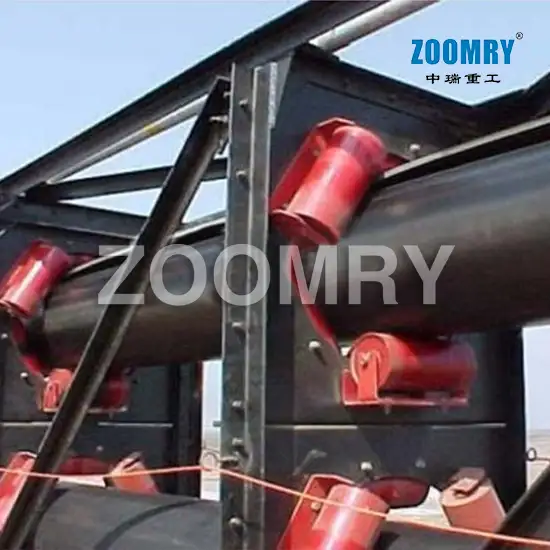
Enclosed transport for environmentally sensitive routes
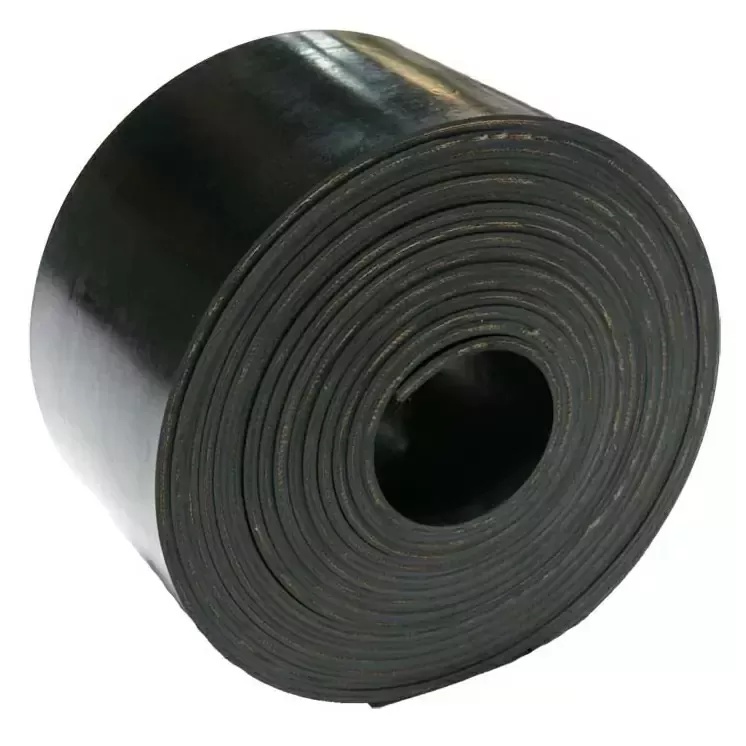
Complete conveyor systems for mining and bulk handling
Industry Applications
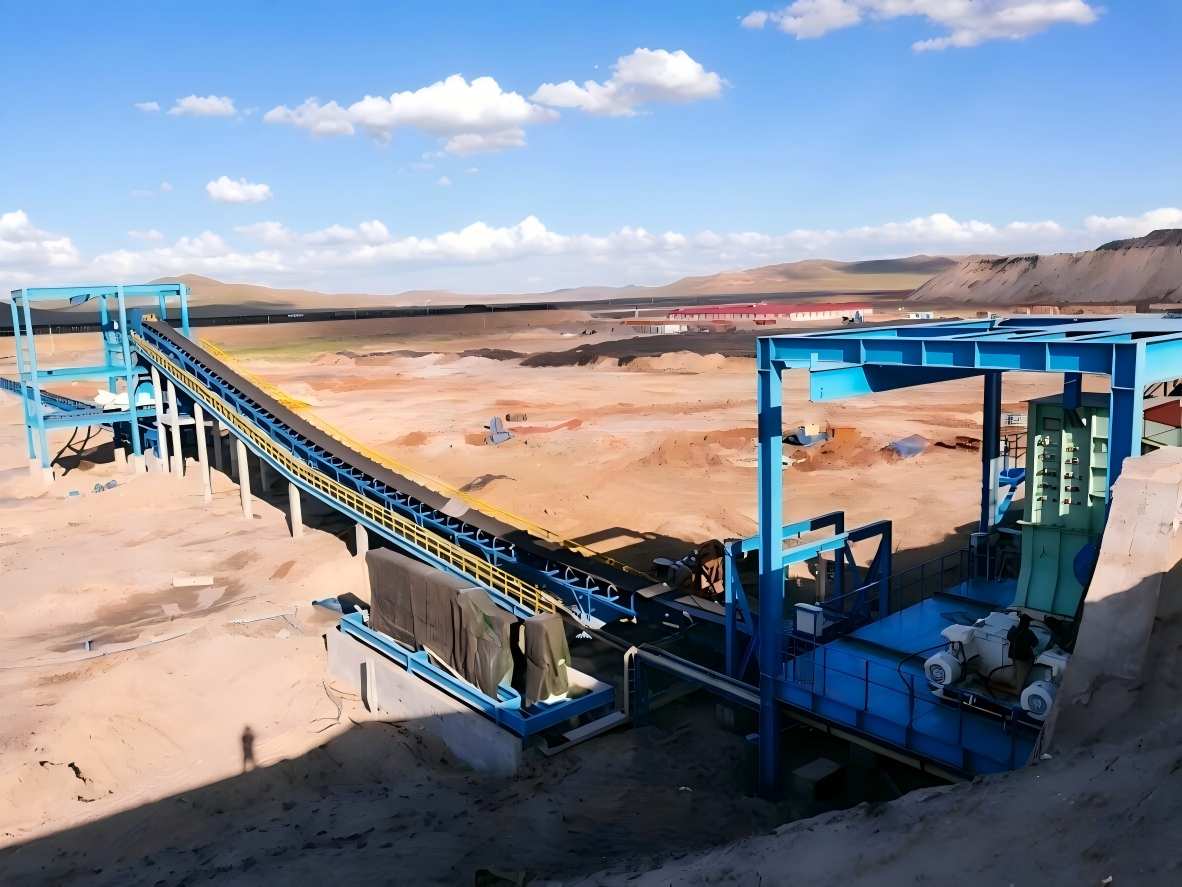
Overland conveying solutions for open-pit and underground mines
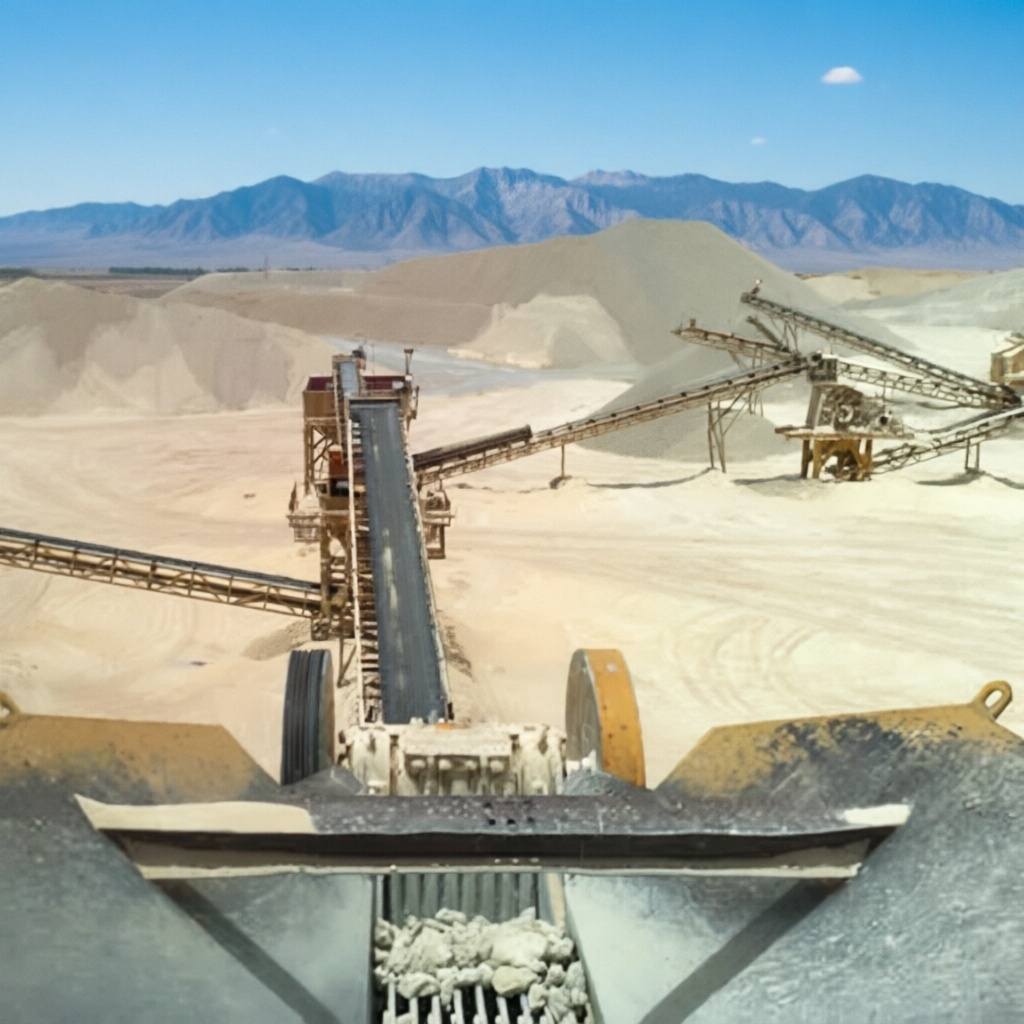
Long-distance conveying for quarry-to-plant transport
Evaluating Conveyor vs Truck Haulage for Your Mine?
Share your haul distance, annual volume, terrain profile, and material characteristics. ZOOMRY can help compare overland conveyor options against truck haulage for your operation.
Contact Us →