 ZOOMRY

Conveyor Pulley lagging is the layer applied to a pulley shell to improve traction between the pulley and the Conveyor Belt, protect the shell from wear, and aid water drainage. Proper lagging selection affects belt tracking, drive efficiency, and pulley service life. This guide covers lagging types, material options, specification parameters, and selection criteria for drive pulleys in mining, cement, port, and aggregate applications.
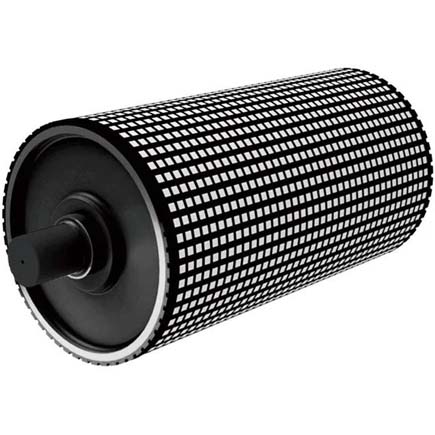
What Is Pulley Lagging and Why It Matters
Pulley lagging serves three primary functions. First, it increases the friction coefficient between the pulley surface and the belt cover, reducing slippage under load and improving drive efficiency. Second, it protects the pulley shell from abrasive wear caused by material particles trapped between the belt and the pulley surface. Third, grooved lagging patterns channel water away from the contact surface, maintaining traction in wet conditions.
Without lagging, a bare steel pulley generally provides less available traction than a properly selected lagged pulley, particularly when moisture, fine material, or variable belt tension is present. The effective friction between belt and pulley depends on the belt cover compound, lagging surface, wrap angle, contact pressure, moisture, contamination, and operating conditions. Lagging is selected to provide adequate traction margin for the calculated drive duty rather than to achieve one universal friction-coefficient value.
Lagging Types and Material Options
Rubber Lagging
Rubber lagging is the most widely used type. Common compounds include SBR (styrene-butadiene rubber) for general applications and EPDM for heat resistance. Typical hardness ranges from 55–70 Shore A, with thickness from 8mm to 20mm depending on pulley diameter and application. Rubber lagging provides good traction at lower cost but wears faster than ceramic in abrasive environments.
Surface patterns include plain (smooth), diamond-grooved, and herringbone. Diamond, chevron, and herringbone groove patterns can be selected to help channel water or slurry away from the belt-to-pulley contact area. The appropriate groove orientation depends on pulley position, belt travel direction, moisture conditions, and the required drainage path.
Ceramic Lagging
Ceramic lagging embeds alumina ceramic tiles into a rubber backing. The tiles have a hardness of approximately 9 on the Mohs scale — second only to diamond — and provide significantly higher abrasion resistance than rubber alone. Ceramic lagging maintains reliable traction even in wet or muddy conditions where plain rubber surfaces may lose grip.
Ceramic lagging is specified for drive pulleys on high-tension, high-speed, or highly abrasive applications — particularly iron ore, copper concentrate, and heavy aggregate conveyors. The primary trade-off is higher initial cost. However, for applications where rubber lagging requires frequent replacement, the longer service life can reduce total cost of ownership.
Replaceable Pulley Lagging
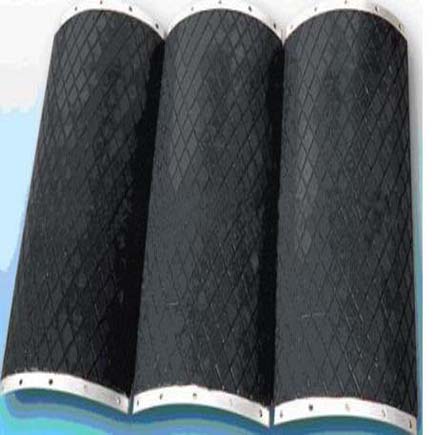
Replaceable lagging uses modular slide-in panels mounted on a backing plate, typically a 3/16" steel backing plate with a 1/2" SBR rubber compound (60–65 Shore A durometer). The key advantage is that worn panels can be replaced on-site without removing the pulley from the conveyor in suitable applications and under approved maintenance procedures — a significant consideration for large drive pulleys where removal and re-lagging in a workshop involves extended downtime.
Suitability depends on pulley condition, shell thickness, site access, belt tension, safety isolation procedures, and approved maintenance practices. Not every pulley is a candidate for replaceable lagging — a site-specific assessment is required.
Selection Criteria by Pulley Position
| Pulley Position | Recommended Lagging | Key Selection Factor |
|---|---|---|
| Drive Pulley | Ceramic or diamond-grooved rubber | Maximum traction margin, abrasive resistance |
| Bend Pulley | Plain or herringbone rubber | Low friction on return side, water shedding |
| Snub Pulley | Diamond or herringbone rubber | Wrap angle increase, moderate friction |
| Tail Pulley | Plain rubber, bare steel, or project-specific self-cleaning configuration | Carryback level, abrasion, moisture, and belt-cleaning arrangement |
| Take-up Pulley | Plain rubber | Belt tracking stability, minimal wear |
When Is Ceramic Lagging Worth the Higher Cost?
Ceramic lagging is not necessary for every application. It is typically justified when:
- High belt tension: Drive pulleys on long overland conveyors where slippage risk is elevated.
- Abrasive material: Iron ore, copper concentrate, and aggregate where rubber lagging wears rapidly.
- Wet or muddy conditions: Ceramic tiles maintain friction where rubber surfaces lose grip.
- Limited maintenance access: Remote locations where re-lagging frequency must be minimized.
For conveyors with low tension, clean dry conditions, and non-abrasive materials, diamond-grooved rubber lagging typically provides adequate performance at lower cost.
Installation and Maintenance Notes
- Surface preparation: The pulley shell should be clean, dry, and free of old lagging residue before new lagging is applied. Surface rust should be removed to ensure proper adhesion.
- Adhesion method: Hot vulcanization provides the strongest bond for rubber lagging. Cold bonding and mechanical fastening are alternatives depending on site conditions and pulley size.
- Inspection frequency: Inspect lagging during planned maintenance for excessive wear, loss of groove definition, cracking, debonding, exposed backing, or reduced traction. Establish replacement criteria according to the lagging supplier's data, conveyor duty, and site maintenance procedure.
- Belt cover compatibility: Ceramic tiles are harder than rubber belt covers. Verify belt cover compound compatibility to avoid accelerated belt wear in high-pressure applications.
Pulley lagging selection is a lifecycle cost decision. The right lagging material and pattern depend on pulley position, belt tension, material characteristics, and operating environment. For project-specific selection, ZOOMRY can provide ceramic, rubber, and replaceable pulley lagging options based on pulley duty, belt tension, conveyed material, and site conditions. See our EPC project cases for examples of conveyor solutions used in mining and port bulk-handling applications.
Related Products
Alumina ceramic tiles — high traction and abrasion resistance in wet, abrasive duty
Slide-in panels — replace on-site without pulley removal in suitable applications
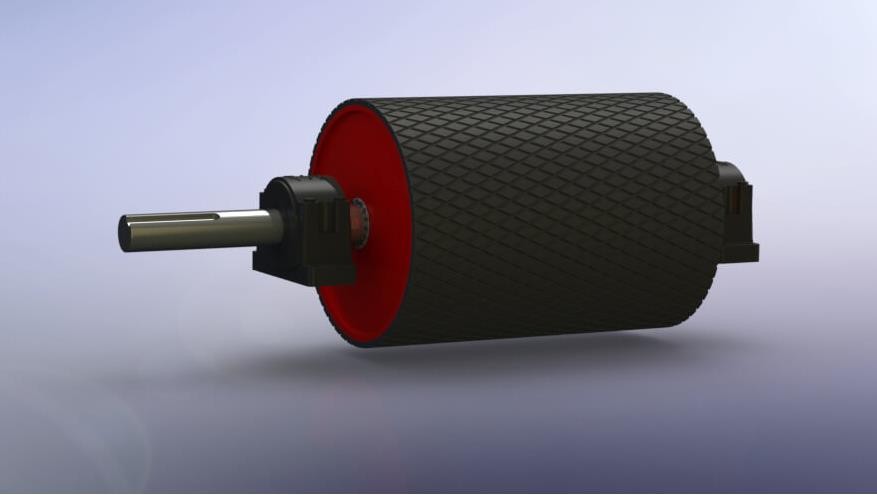
Heavy-duty drive pulleys — belt widths 500–2,400mm
Industry Applications
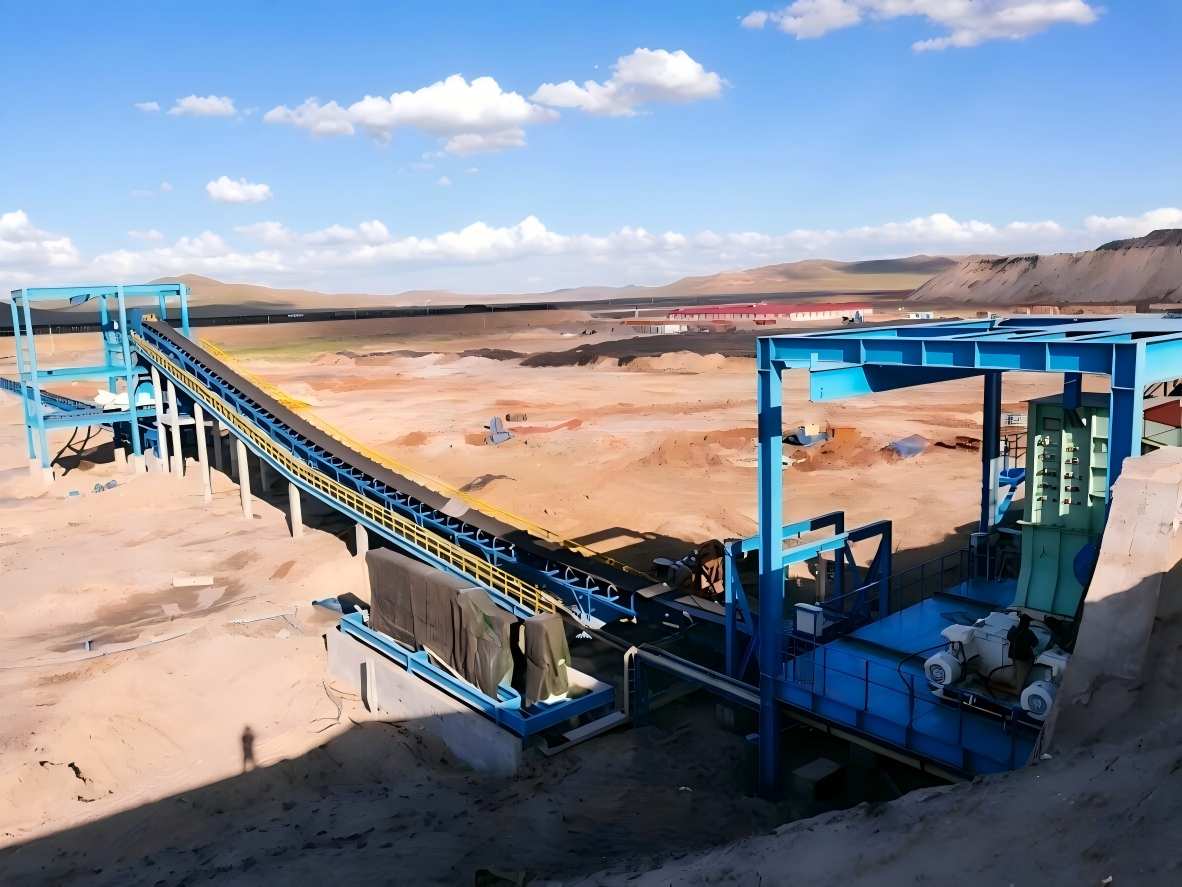
Ceramic lagging for abrasive ore conveyor drive pulleys
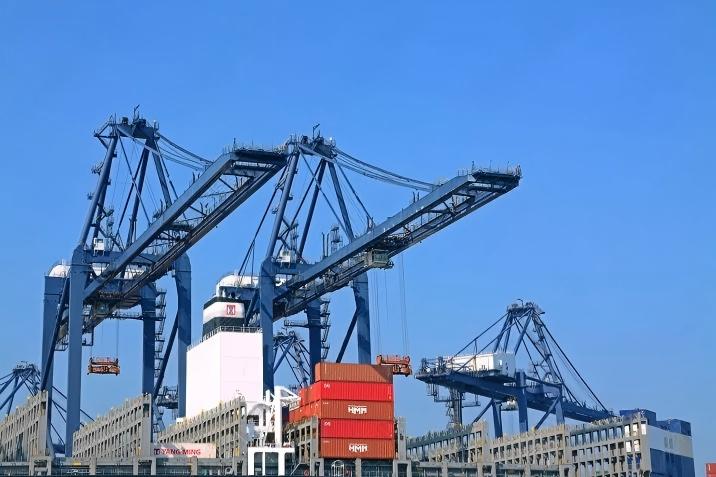
Wet-condition lagging for port conveyor systems
Need Pulley Lagging Selection Guidance?
Contact ZOOMRY for pulley lagging material recommendations, specification data, and site-specific assessment for your conveyor drive system.
Contact Us →