 ZOOMRY

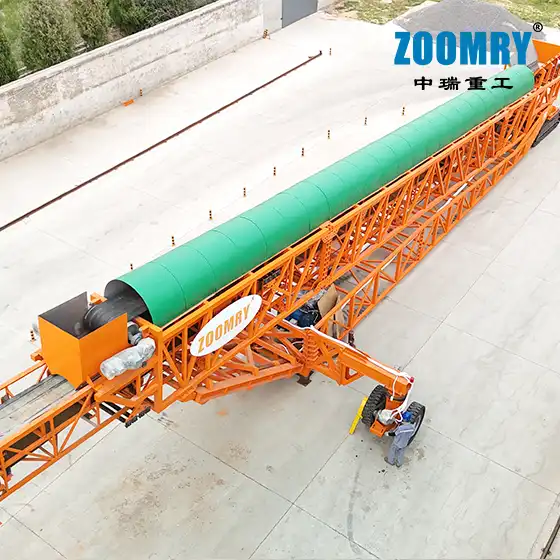
Mobile stockpiling solutions are relocatable stacking systems that build and manage bulk material stockpiles at mining, quarry, and aggregate operations. For site operators, mobile stackers provide a flexible alternative to fixed stacking conveyors — enabling stockpile capacity to follow changing extraction points, crushing circuits, and product blending requirements without permanent infrastructure.
Why Mobile Stockpiling for Mining and Quarry Operations
Mining and quarry sites face stockpile management challenges that fixed stacking equipment does not always address effectively. Extraction points advance as mining progresses. Crushing circuits change with material grades. Product specifications shift with customer demand. Each of these changes can require reconfiguring the stockyard layout.
Mobile stacking equipment addresses these challenges through relocation capability. A telescopic stacker or tracked radial stacker can be repositioned to follow the crushing circuit, build new stockpile zones, or serve multiple product piles from one feed point. This flexibility helps operators:
- Maintain stockpile capacity as the working face advances
- Separate material grades without dedicated stacking lines
- Reduce loader and haul truck dependency in the stockyard
- Adapt to seasonal or project-based production changes
Stacking Configurations for Different Site Conditions
Telescopic Stacker for Layered Stockpiling
The telescopic stacker builds stockpiles in horizontal layers rather than a single conical pile. The telescopic boom extends and retracts during operation, allowing controlled placement across the pile surface. This layered method helps reduce material segregation — coarse and fine particles remain more uniformly distributed compared with end-dumping from a fixed point.
For quarry operations producing multiple aggregate sizes, layered stacking supports better product consistency when reclaiming. The operator can build a pile by spreading material in lifts, reducing the separation that occurs when coarse material rolls to the pile toe.
Tracked Radial Stacker for Soft Ground
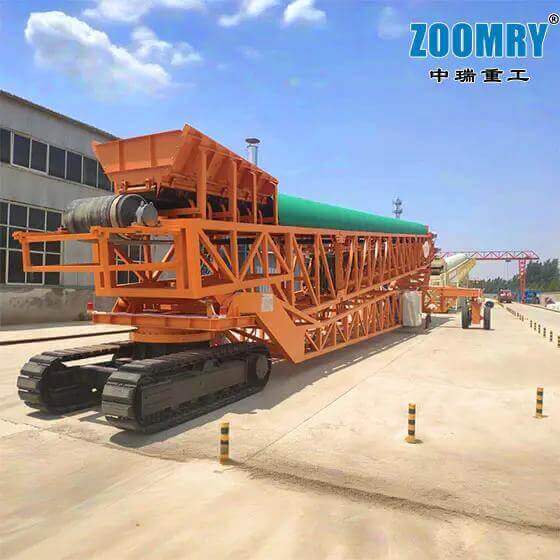
The tracked radial stacker is suited to unpaved stockyards where wheeled equipment may lose traction or require ground preparation. The crawler undercarriage distributes machine weight across a larger contact area, supporting operation on soft or uneven surfaces common in mining areas.
Radial slewing allows the stacker to build arc-shaped stockpiles from a single feed point. Combined with crawler repositioning, the machine can cover a wide stockyard area without relocating the feed conveyor.
Grasshopper Conveyor for Feed Flexibility
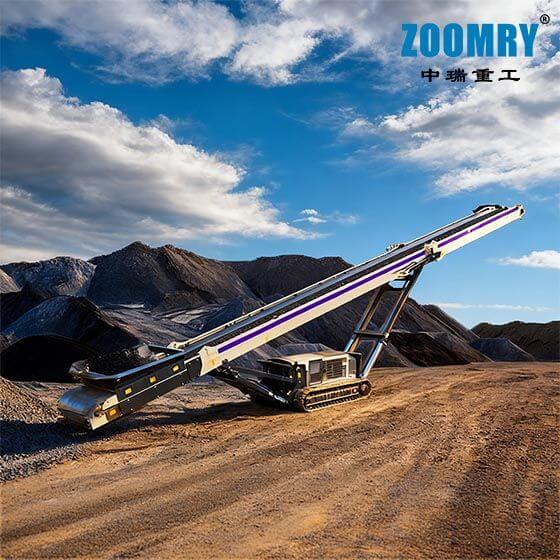
Grasshopper conveyors provide relocatable link conveying between the crushing circuit and the stacking equipment. Their modular, field-bolted design supports repositioning as the stockyard layout changes. For operations where the crusher discharge point moves or multiple stockpile zones need feeding, grasshopper conveyors bridge the gap without fixed conveyor extensions.
Stockpile Management Benefits
Material Segregation Control
Layered stacking from a telescopic boom helps maintain more uniform particle distribution within the pile. This supports consistent product quality when reclaiming, particularly for aggregate operations where size fractions matter. Compared with dumping from a fixed height or using loaders to build piles, controlled placement reduces the rolling effect that separates coarse from fine material.
Stockyard Capacity Optimization
Mobile stacking equipment can build higher, more organized stockpiles than loader-based methods. A telescopic stacker with 20m stacking height can create piles that would require multiple loader passes to achieve. Radial stacking further optimizes space by building arc-shaped piles that follow the available yard geometry.
Reduced Loader Dependency
In suitable layouts, mobile stacking equipment reduces the need for wheel loaders to build and reshape stockpiles. Loaders can then focus on loadout and blending duties rather than pile construction. This shifts labor and fuel consumption away from stockpile building, supporting lower operating costs per ton stacked.
Selection Factors for Mobile Stockpiling
Choosing the right mobile stockpiling configuration requires evaluating site-specific conditions:
- Ground conditions: Paved or compacted surfaces support wheeled stackers; soft or unpaved ground favors tracked machines.
- Material type: Aggregate size distribution, abrasiveness, and moisture content affect belt selection and discharge configuration.
- Production rate: Crushing circuit output must match stacker capacity to avoid bottlenecks.
- Stockpile layout: Available yard area, pile height requirements, and reclaiming method determine boom length and slewing range.
- Relocation frequency: Sites that move stacking positions frequently benefit from self-propelled or easily towable configurations.
Project Applications
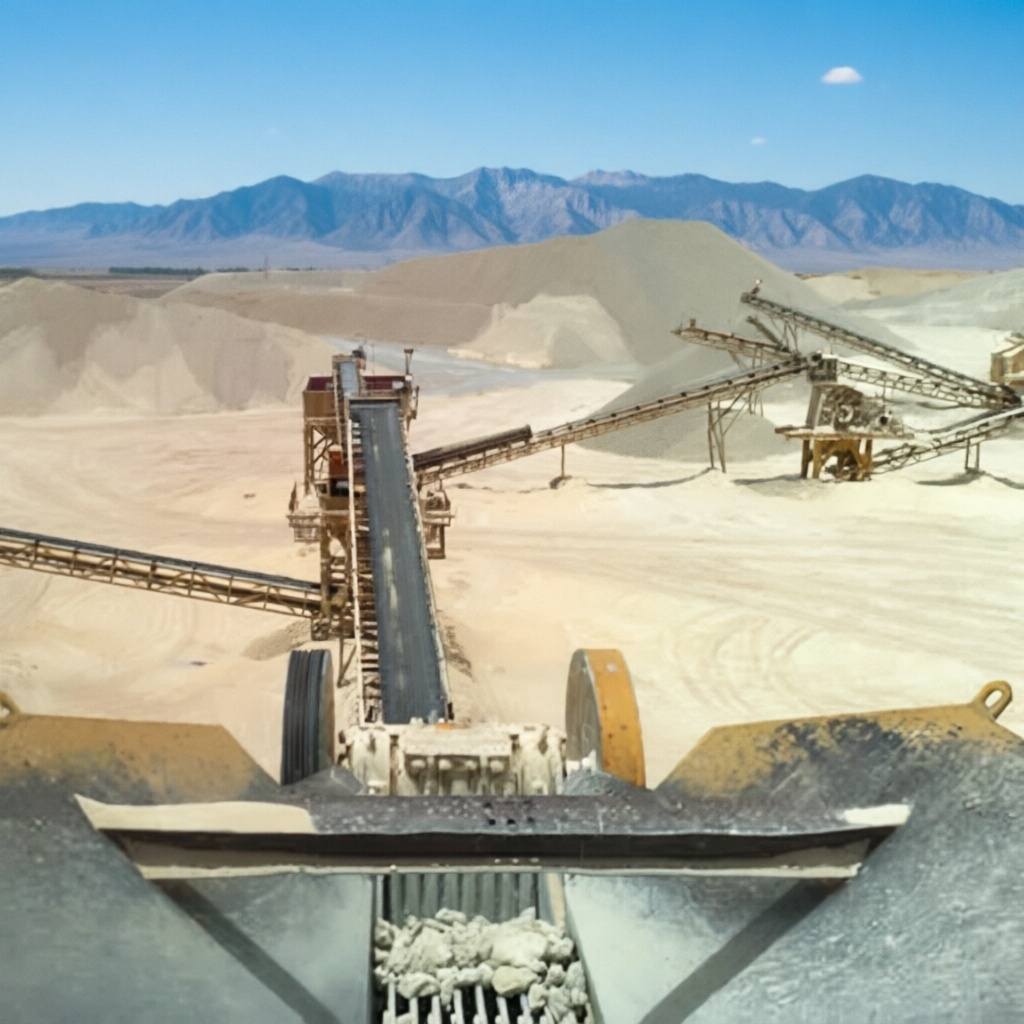
Mobile stacking configurations have been applied in mining and quarry projects where stockpile flexibility and reduced loader dependency are priorities. In coal stockpiling applications, mobile stackers have supported open-pit operations by enabling flexible, high-volume stockpiling without fixed stacking infrastructure. For aggregate operations, telescopic stackers and radial stackers have been used to build layered stockpiles that support product quality and yard organization.
Mobile stockpiling solutions provide mining and quarry operators with flexibility in stockpile management without committing to permanent stacking infrastructure. Telescopic, tracked radial, and grasshopper configurations each address different site conditions and material handling needs. For project-specific recommendations, compare telescopic stacker configurations and tracked radial stackers for your stockyard layout.
Frequently Asked Questions
What is the difference between a telescopic stacker and a radial stacker?
A telescopic stacker features a boom that extends and retracts during operation, allowing layered stockpile building and variable reach. A radial stacker rotates around a fixed pivot point to build arc-shaped piles. Many configurations combine both functions — telescopic booms with radial slewing — for maximum stockpile coverage from one feed position.
Can mobile stackers handle abrasive materials like iron ore?
Mobile stackers can be configured for abrasive materials through belt selection, wear liner options, and discharge chute design. The wider belt models in a stacker series are typically specified for higher-density materials. Confirm material characteristics with the manufacturer to match belt cover grade and component wear protection.
How does layered stacking reduce material segregation?
Layered stacking places material in horizontal lifts across the pile surface rather than dumping from a single high point. This reduces the distance coarse particles roll down the pile slope, helping maintain a more uniform mix. The telescopic boom extends and retracts to spread each lift evenly before the next layer is added.
What ground conditions suit a tracked radial stacker?
Tracked radial stackers are suited to unpaved stockyards, soft ground, and sites where wheeled equipment may require ground preparation. The crawler undercarriage distributes machine weight across a wider area. Ground bearing capacity should still be confirmed through site assessment before deployment.
Related Products
Layered stockpiling with telescopic boom up to 67m
Soft ground mobility with radial slewing
Relocatable link conveying for stockyard feed
Industry Applications
Mobile stacking for aggregate stockyards and quarries
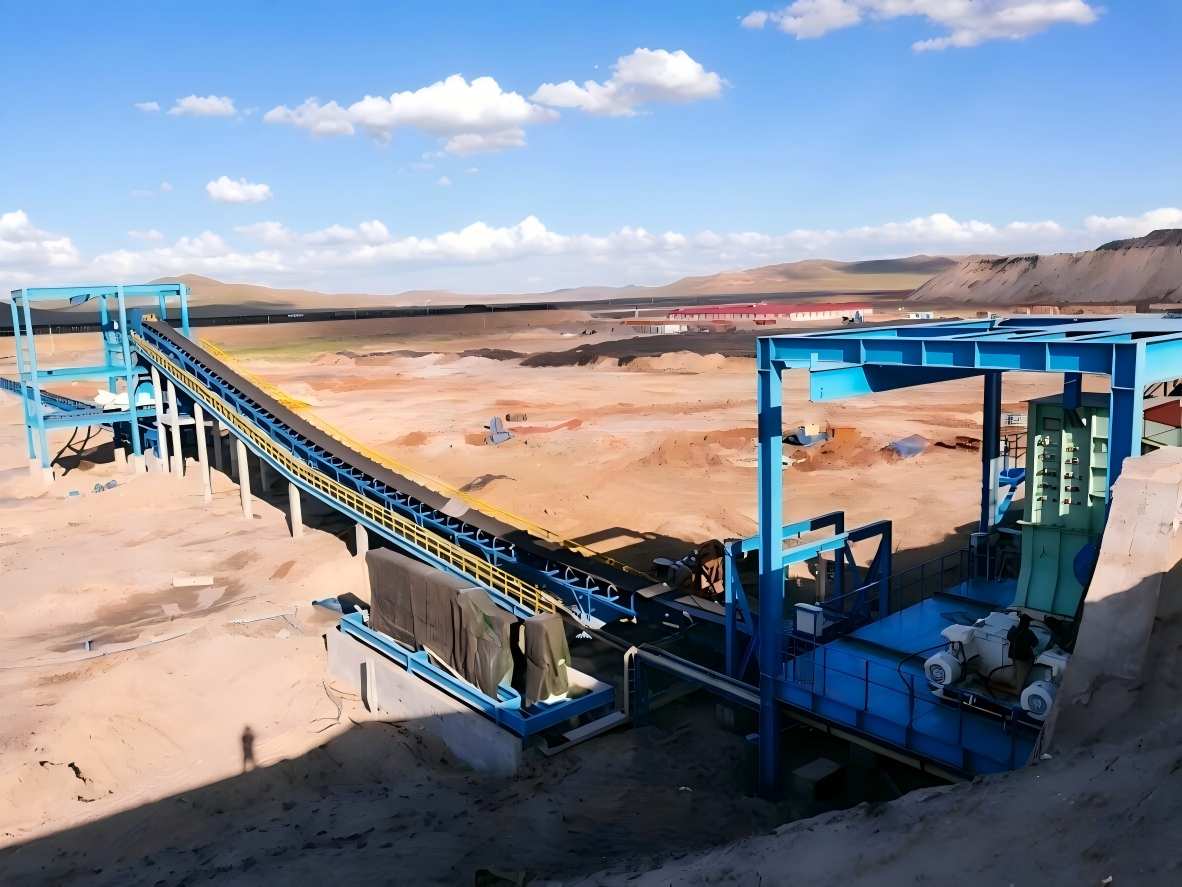
Stockpile management for surface mining operations
Need a Mobile Stockpiling Solution for Your Site?
Share your material type, production rate, ground conditions, and stockyard layout. ZOOMRY can help evaluate a suitable mobile stacking configuration for your operation.
Contact Us →