 ZOOMRY

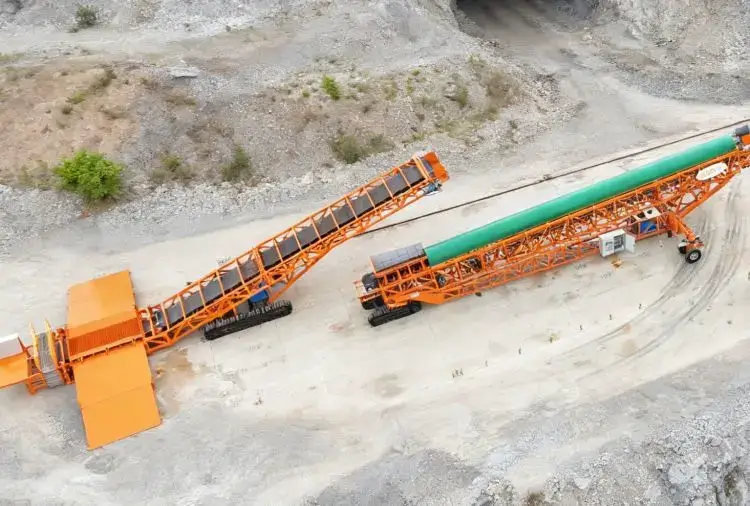
The difference between a truck unloader and a drive-over conveyor lies in their primary function within a bulk material receiving system. A truck unloader is a complete receiving station that combines a drive-over hopper, a discharge conveyor, and a support structure, allowing dump trucks to discharge material directly into a downstream conveying system. A drive-over conveyor is the conveyor component that moves material away from the receiving hopper — it is one part of a truck unloader system, not a standalone receiving station. In practice, the two terms are often used interchangeably, but the truck unloader is the complete machine, while the drive-over conveyor is the conveyor section that carries material from the hopper to the next stage.
Core Functional Difference
A truck unloader is designed around the truck receiving process. It includes:
- Drive-over ramps: One or more ramps that allow trucks to drive over the hopper and discharge directly into it.
- Receiving hopper: A large-capacity hopper that accepts the full truck load and buffers material flow.
- Discharge conveyor: A belt conveyor positioned under the hopper that carries material to the downstream system.
- Support structure: Steel framework that supports the hopper, ramps, and conveyor in the correct operating position.
- Optional dust control and weighing systems: Spray bars, dust extraction, and belt scales may be integrated.
A drive-over conveyor is the belt conveyor section that receives material from the hopper and transports it to the next stage of the system — typically a stockpile conveyor, ship loader, or processing plant feed. It is engineered to handle the impact loading from the hopper discharge and may include wear liners, impact beds, and skirtboards to contain material at the loading point.
Key Differences at a Glance
| Comparison Factor | Truck Unloader | Drive-Over Conveyor |
|---|---|---|
| Scope | Complete receiving station | Conveyor component within a system |
| Includes hopper | Yes — receiving hopper is core | No — hopper is a separate component |
| Includes ramps | Yes — drive-over ramps standard | No — ramps are part of the unloader |
| Primary function | Receive truck loads and initiate material flow | Transport material from hopper to downstream system |
| Mobility | Wheeled, tracked, or crawler configurations | Integrated with the unloader or supplied separately |
| Typical capacity | 200–1,800 t/h standard, up to 3,000 t/h custom | Matched to the unloader discharge rate |
When the Term "Drive-Over Conveyor" Is Used
The term "drive-over conveyor" appears in two different contexts:
- As a synonym for truck unloader: Some suppliers and buyers use "drive-over conveyor" to describe the complete truck unloader system, emphasizing the drive-over hopper and the conveyor that moves material away.
- As a component description: In engineering and procurement documents, "drive-over conveyor" may refer specifically to the belt conveyor section under the hopper, distinguishing it from the hopper, ramps, and support structure.
For project planning, the important point is to clarify whether the requirement is for a complete receiving station or for a replacement conveyor section. The scope of supply differs significantly between the two.
When a Truck Unloader Makes Sense
A complete truck unloader is specified when the operation needs a full receiving station that accepts truck loads and transfers material to a downstream conveyor.
- Port quayside receiving: Trucks deliver bulk material to the quay, drive over the unloader hopper, and the material is transferred directly to a ship loader or stockpile conveyor.
- Quarry and aggregate yards: Trucks arriving from the pit or from external suppliers discharge into the unloader for transfer to screening or stockpiling.
- Grain receiving stations: Drive-over hoppers accept grain trucks during harvest peaks, feeding the elevator system.
- Mobile crushing plants: The unloader feeds material from trucks directly to the crusher feed conveyor.
- Construction and infrastructure projects: Temporary or relocatable receiving stations support material handling on project sites.
When a Drive-Over Conveyor Is the Requirement
A drive-over conveyor — as a component — is specified when an existing truck unloader needs a conveyor replacement or upgrade, or when integrating a new receiving hopper with an existing conveyor system.
- Conveyor replacement: When the discharge conveyor on an existing truck unloader has reached the end of its service life, a replacement conveyor section is procured.
- Capacity upgrade: Increasing throughput on an existing receiving station may require a wider or faster conveyor to match higher truck discharge rates.
- System integration: When a new hopper is being integrated with an existing conveyor network, the drive-over conveyor section is engineered to match the connection point.
Configurations and Mobility
Complete truck unloaders are available in several mobility configurations:
- Wheeled truck unloaders: Towed or self-propelled units for prepared surfaces and fixed receiving locations.
- Tracked truck unloaders: Crawler-mounted units for soft ground and unpaved port or mining sites.
- Crawler truck unloaders: Quayside units designed for direct truck-to-ship material transfer.
- Static truck unloaders: Fixed installations for permanent receiving stations.
The drive-over conveyor section is matched to the unloader's discharge rate and elevation requirements. It may be supplied as an integral part of the unloader or as a separate component for replacement or upgrade.
Project Applications
ZOOMRY has delivered truck unloader systems for port, quarry, mining, and grain applications. A representative project involved a crawler truck unloader at a river port, where trucks delivered bulk material directly to the quayside and the unloader transferred it to a mobile ship loader. The system eliminated intermediate stockpiling and reduced truck turnaround time compared with the previous handling method.
Key Selection Factors
- Scope of supply: Determine whether the project requires a complete receiving station or a conveyor component.
- Ground conditions: Wheeled, tracked, or static configurations are matched to site conditions.
- Capacity requirement: The unloader hopper and conveyor are sized to the peak truck discharge rate.
- Downstream integration: The drive-over conveyor discharge must match the receiving point of the next stage in the system.
- Dust control: Spray bars, dust extraction, or enclosed transfer points may be required depending on material and local regulations.
Frequently Asked Questions
Is a drive-over conveyor the same as a truck unloader?
In common usage, the terms are often used interchangeably. Technically, a truck unloader is the complete receiving station including hopper, ramps, support structure, and conveyor. A drive-over conveyor is the conveyor section that carries material from the hopper to the next stage. For project procurement, clarifying the scope prevents confusion between a complete machine and a component.
Can a truck unloader be used without a drive-over conveyor?
No. The conveyor is what moves material from the hopper to the downstream system. Without a conveyor, the hopper would fill and require manual or loader-based removal. Every truck unloader includes a conveyor section as part of its core configuration.
What capacity can a truck unloader handle?
Standard truck unloader configurations handle 200 to 1,800 t/h, depending on the hopper size, ramp arrangement, and conveyor width. Custom configurations up to 3,000 t/h can be evaluated for specific high-flow materials and receiving station layouts.
Can a truck unloader feed a ship loader directly?
Yes. A crawler or tracked truck unloader positioned at the quayside can discharge material directly onto a mobile ship loader's receiving hopper or feed conveyor. This truck-to-ship configuration eliminates intermediate stockpiling and is commonly used at river ports and inland waterway terminals.
Related Products
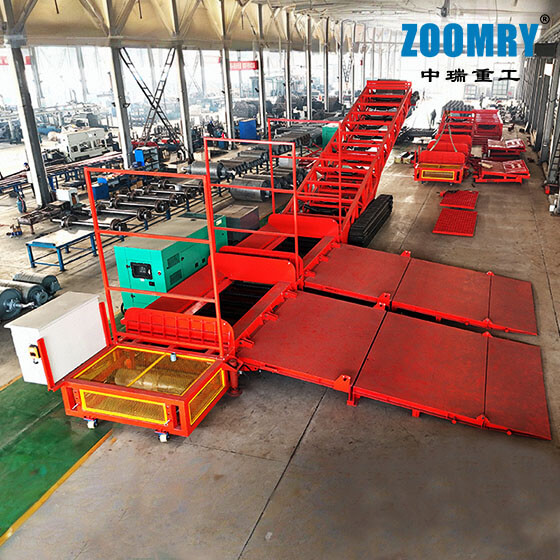
Complete drive-over receiving station for bulk material
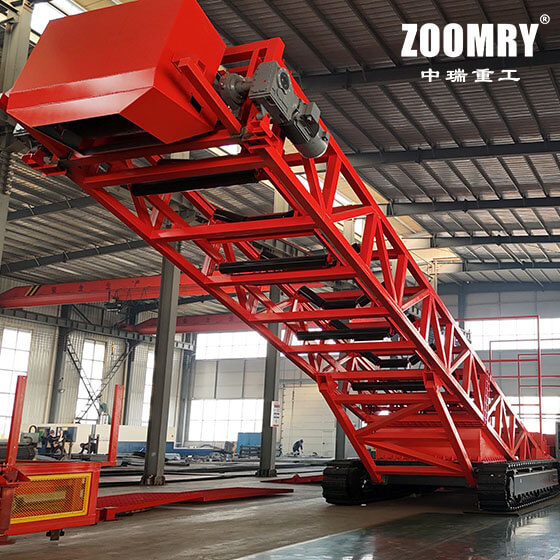
Crawler mobility for soft ground and quayside receiving
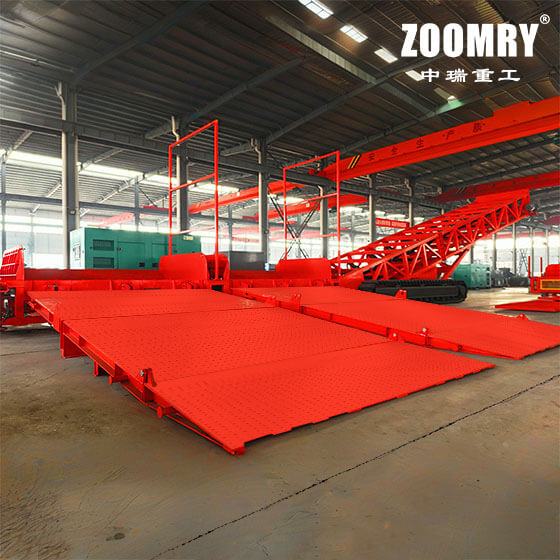
Direct truck-to-vessel transfer at inland terminals
Industry Applications

Quayside truck receiving and bulk loading systems
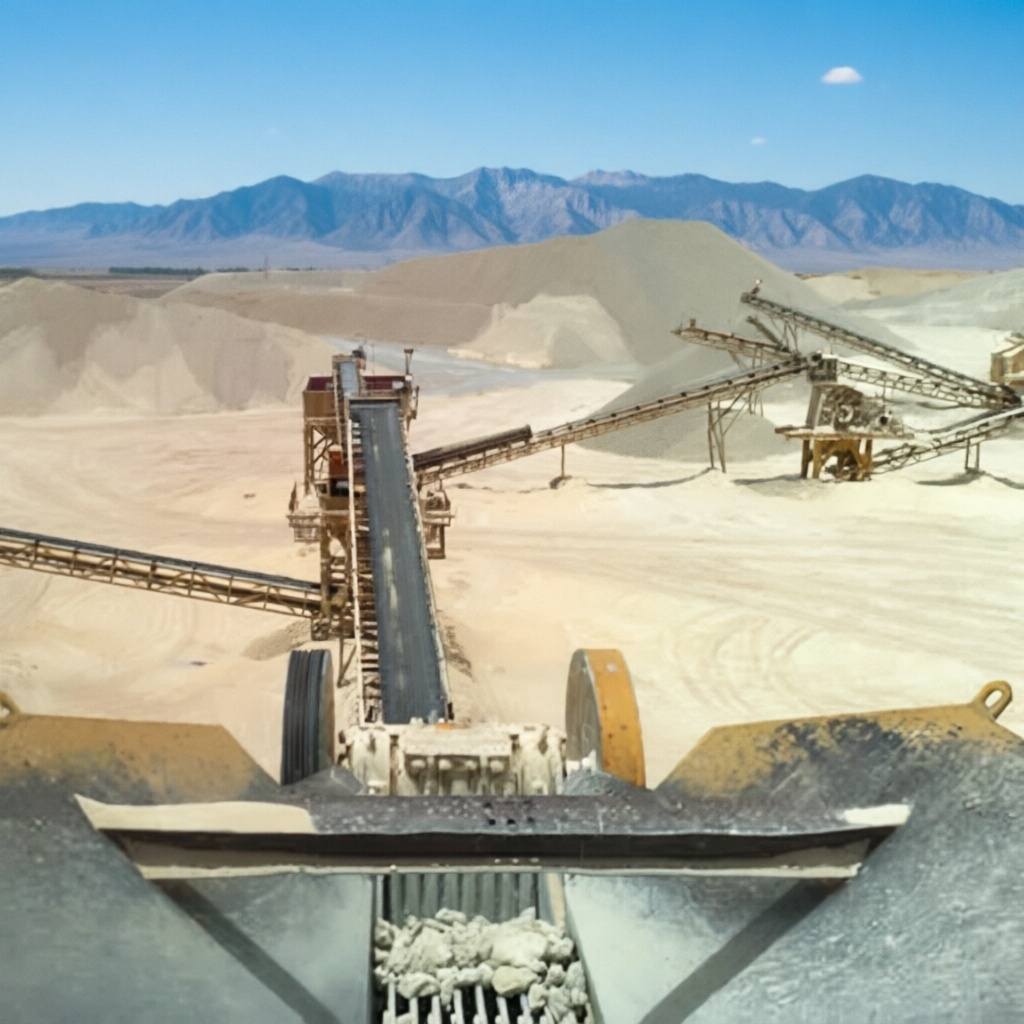
Truck receiving stations for quarry and aggregate operations
Specifying a Truck Unloader or Drive-Over Conveyor?
Share your receiving method, capacity requirement, and site conditions. ZOOMRY can help determine whether a complete truck unloader or a conveyor component fits your project scope.
Contact Us →