 ZOOMRY


How the Truck Unloader Fits into a Barge Loading Line
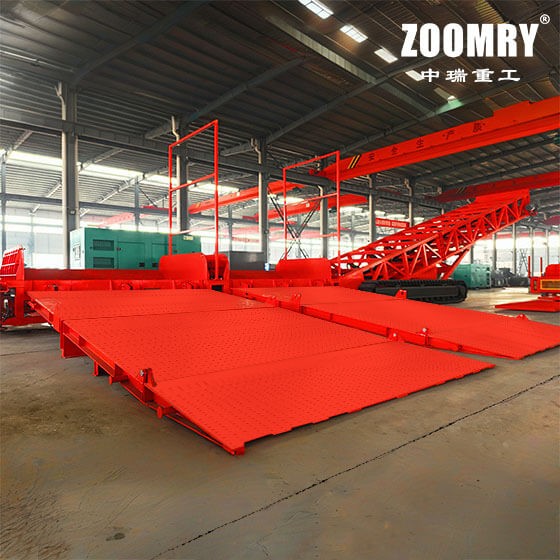
At the receiving point, dump trucks reverse onto the drive-over section and discharge bulk material into the low-position hopper. Material is collected below the truck unloading area and transferred by the integrated conveyor to the next handling stage. Depending on the project layout, the discharge point can connect to a mobile ship loader, a berth-side conveyor, a transfer tower, or another loading arrangement serving a barge or inland vessel.
The truck unloader is selected as part of the complete terminal material-flow route. Engineering should consider truck maneuvering space, unloading frequency, hopper impact loading, required buffer capacity, conveyor route, berth elevation, vessel freeboard, ground bearing capacity, and safe clearance at the downstream transfer point.
Main Equipment Configuration
Drive-Over Receiving Section and Hopper
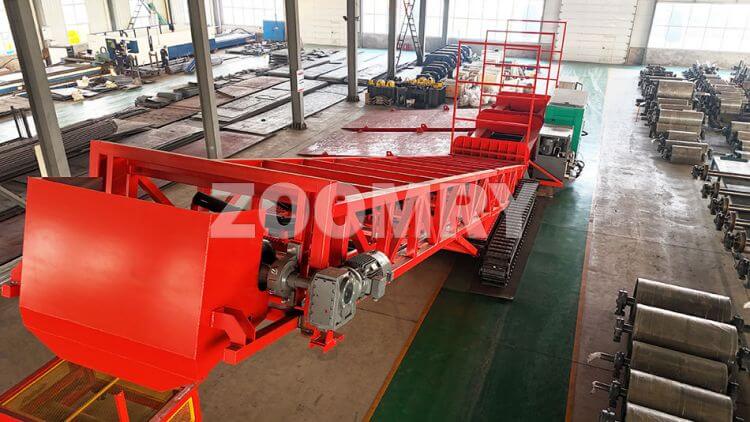
The low-profile receiving hopper is designed for bulk material discharged by dump trucks. Hopper width, receiving geometry, grid arrangement, liner requirements, and buffer volume are selected around truck dimensions, material lump size, impact conditions, unloading frequency, and the required operating cycle. Reference hopper widths range from 3.5 m to 5.7 m, depending on the selected configuration.
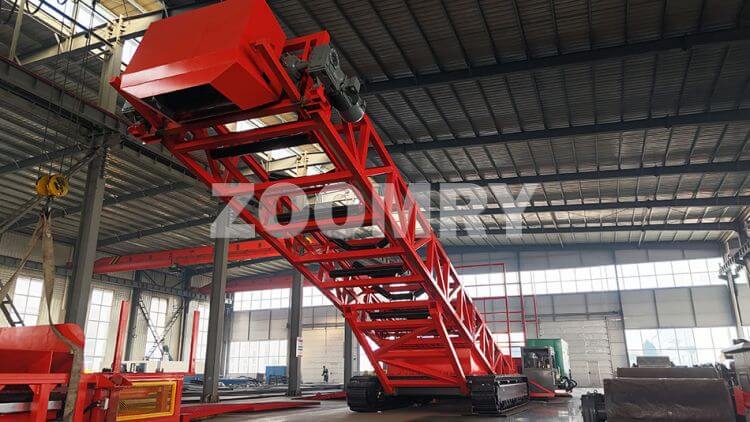
Conveyor Frame and Discharge Arrangement
The integrated conveyor transfers material from the receiving hopper to the downstream loading interface. Reference configurations use belt widths from 800 mm to 1,600 mm and conveyor lengths from 8 m to 20 m. Discharge height can reach up to 5.8 m; however, final vessel or barge compatibility also depends on berth elevation, freeboard, conveyor reach, transfer geometry, and safe operating clearance.
Drive and Belt System
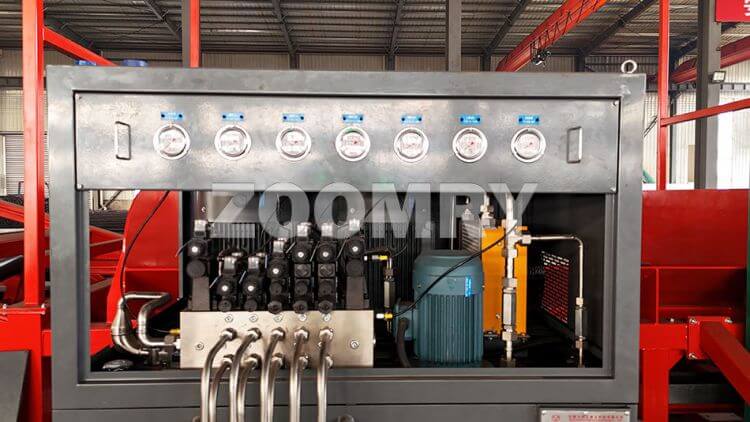
Belt speed, drive power, pulley configuration, belt specification, and take-up arrangement are selected according to the material, conveying distance, elevation, required capacity, and local power supply. For abrasive or high-impact loading conditions, the receiving area can be configured with suitable impact idlers, belt protection, cleaning devices, and other project-specific arrangements.
Mobility and Stabilization
Wheeled and tracked chassis configurations can be selected according to the site surface, mobility requirement, and operating arrangement. Wheeled units are generally suited to prepared working areas, while tracked options may be considered where terrain or surface conditions require a different mobility solution. Hydraulic support and stabilization arrangements can be specified as part of the final configuration.
Control and Optional Equipment
Available project-specific options can include remote control, Belt Cleaners, discharge hoods, hydraulic landing jacks, an onboard diesel generator set, and other equipment required for the selected site conditions. The final option list should be confirmed during engineering review.
Reference Technical Parameters
| Parameter | Reference Range | Selection Consideration |
|---|---|---|
| Typical Capacity | 300–2,200 t/h | Material properties, belt speed, loading cycle, and selected configuration |
| Belt Width | 800–1,600 mm | Required throughput, lump size, and material flow characteristics |
| Conveyor Length | 8–20 m | Required transfer distance and discharge interface |
| Maximum Discharge Height | Up to 5.8 m | Berth elevation, conveyor geometry, and downstream interface |
| Reference Hopper Width | 3.5–5.7 m | Truck dimensions, loading method, and material impact conditions |
| Mobility | Wheeled or tracked | Surface conditions, relocation requirements, and site layout |
Note: All capacities and dimensions are for reference only. Actual specifications are determined by material bulk density, particle size distribution, moisture condition, truck unloading method, site geometry, downstream interface, and local operating requirements.
Typical Terminal Applications
The truck unloader is suitable for bulk-material receiving and transfer applications where truck deliveries need to connect with a downstream conveyor or vessel-loading process. It can be specified as part of a project-specific handling line at an inland terminal, river port, quayside transfer point, or other bulk-material distribution site.
- Truck receiving at inland waterway terminals and river ports.
- Transfer from dump trucks to mobile ship loaders or vessel-loading conveyors.
- Quayside handling of coal, grain, aggregates, fertilizer, and other suitable bulk materials.
- Truck-to-conveyor transfer where intermediate stockpiling should be minimized.
- Temporary, relocatable, or project-specific bulk loading points.
- Transfer to stockpile systems, berth-side conveyors, and loading equipment.
Truck Unloader vs. Conventional Stockpile Handling
In a conventional stockpile arrangement, trucks often discharge material onto the ground before loaders move it again to a conveyor or vessel-loading point. A drive-over truck unloader provides a defined receiving and transfer point that can reduce intermediate handling steps where the site includes a suitable downstream conveyor or loading interface.
| Feature | Drive-Over Truck Unloader | Ground Stockpile Handling |
|---|---|---|
| Truck Discharge | Material discharged into an integrated receiving hopper | Material discharged onto the ground stockpile |
| Material Transfer | Conveyor transfer to a downstream interface | Typically requires a wheel loader or reclaimer for further handling |
| Intermediate Handling | Can reduce re-handling in suitable layouts | Usually includes additional loading and transfer steps |
| Operating Footprint | Defined truck receiving and conveyor transfer area | Requires stockpile and loader operating space |
| Layout Selection | Suitable where a downstream conveyor or loading interface is available | Suitable where storage capacity and loader-based handling are required |
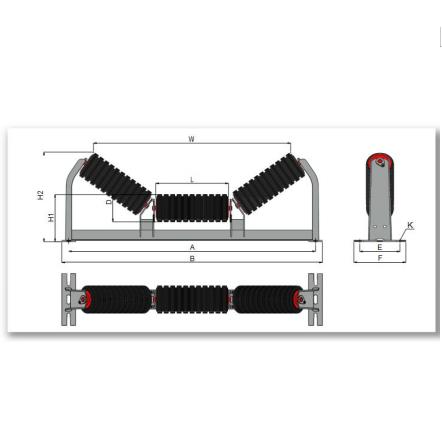
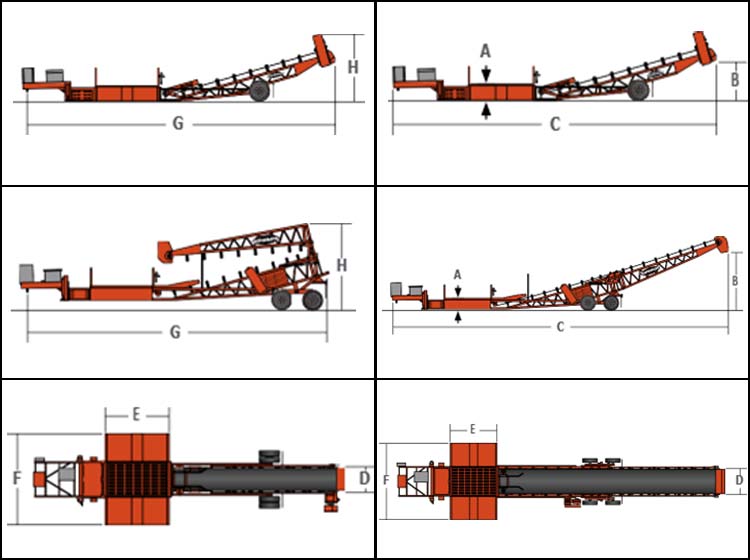
Structure Diagram
Information Needed for Selection
To configure a truck unloader for a specific terminal project, ZOOMRY engineers require information about the complete operating route from truck arrival to the downstream discharge point. These inputs help determine the hopper geometry, conveyor size, mobility arrangement, electrical or diesel power option, and discharge interface.
- Material type, bulk density, moisture condition, and maximum lump size.
- Required average and peak throughput.
- Truck type, truck dimensions, and unloading frequency.
- Desired hopper receiving width and loading method.
- Required discharge destination and interface equipment.
- Quayside area, ground-bearing conditions, and available installation footprint.
- Required relocation method, mobility requirement, and local transport restrictions.
- Available electrical supply and project-specific safety or environmental requirements.
Frequently Asked Questions
What is a drive-over truck unloader?
A drive-over truck unloader is a bulk-material receiving unit that allows dump trucks to position on or beside a designated receiving section and discharge material into a low-profile hopper. An integrated conveyor then transfers material to downstream equipment such as a ship loader, conveyor line, stockpile transfer point, or another handling system.
Can this truck unloader load a barge directly?
The truck unloader transfers material to a downstream discharge interface. In some layouts, that interface may serve a barge-loading point; in others, it may feed a mobile ship loader or another conveyor system. Whether direct vessel discharge is practical depends on berth elevation, vessel freeboard, discharge geometry, conveyor reach, material behavior, and safe operating clearance.
What materials can the truck unloader handle?
The equipment can be configured for coal, grain, aggregates, fertilizer, and other bulk materials, subject to engineering review. Material bulk density, maximum lump size, moisture, abrasiveness, flowability, and environmental requirements should be supplied during selection.
Should I choose a wheeled or tracked truck unloader?
The appropriate chassis depends on the site surface, ground-bearing capacity, required mobility, relocation frequency, and operating arrangement. Wheeled units are generally suited to prepared operating areas, while tracked configurations may be considered for sites where terrain or surface conditions require a different mobility solution.
What information is needed for a quotation?
Please provide material information, target capacity, truck details, unloading cycle, required discharge interface, available quayside space, ground conditions, and local power supply. These inputs allow ZOOMRY to recommend a suitable configuration and prepare a project-specific quotation.
Related Equipment
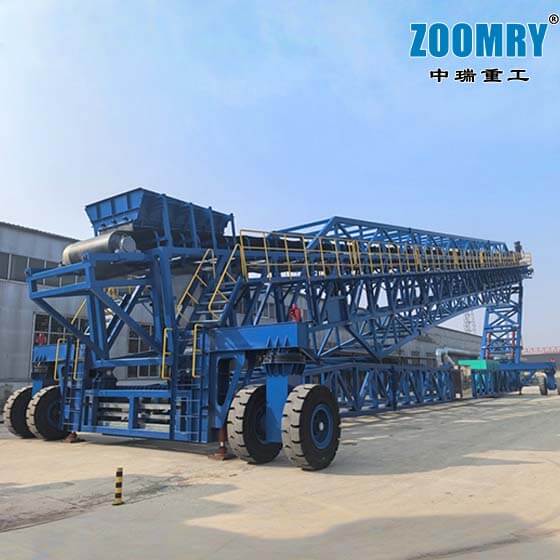
Mobile vessel-loading equipment that can receive material from a truck unloader or downstream conveyor line.
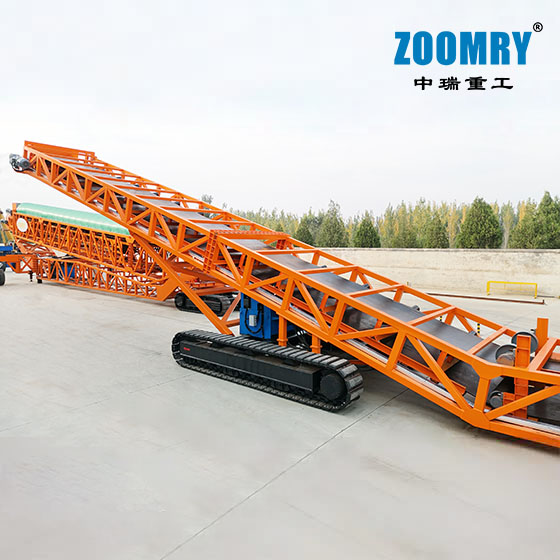
Crawler-mounted truck receiving equipment for projects requiring a self-propelled mobility arrangement.
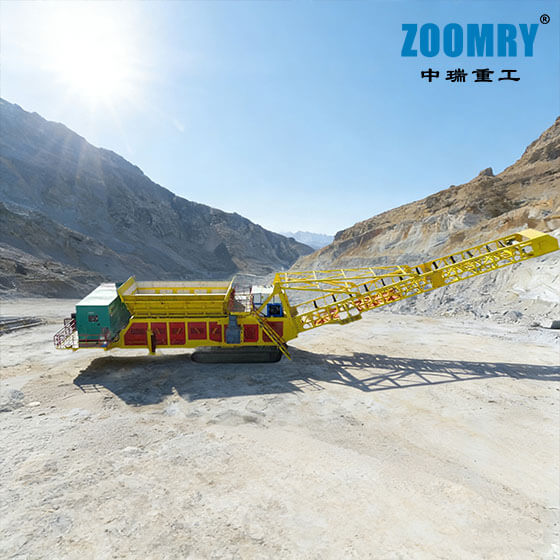
Hopper and feeder systems for buffering and controlled bulk-material discharge.
Industry Solutions
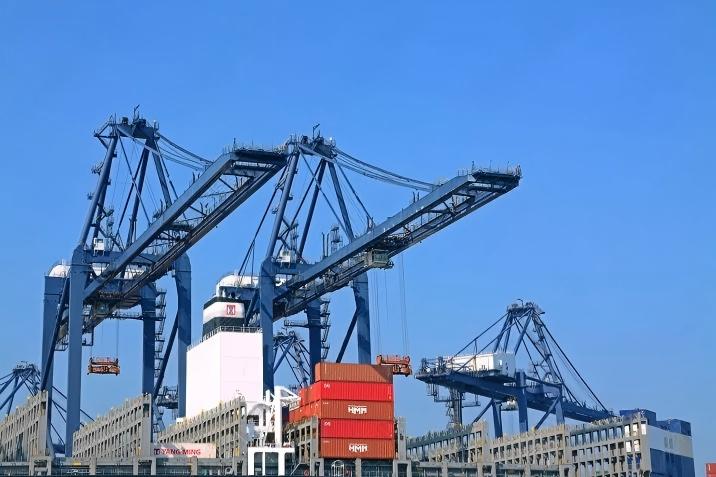
Bulk-material receiving, conveying, and loading arrangements for inland and coastal terminals.
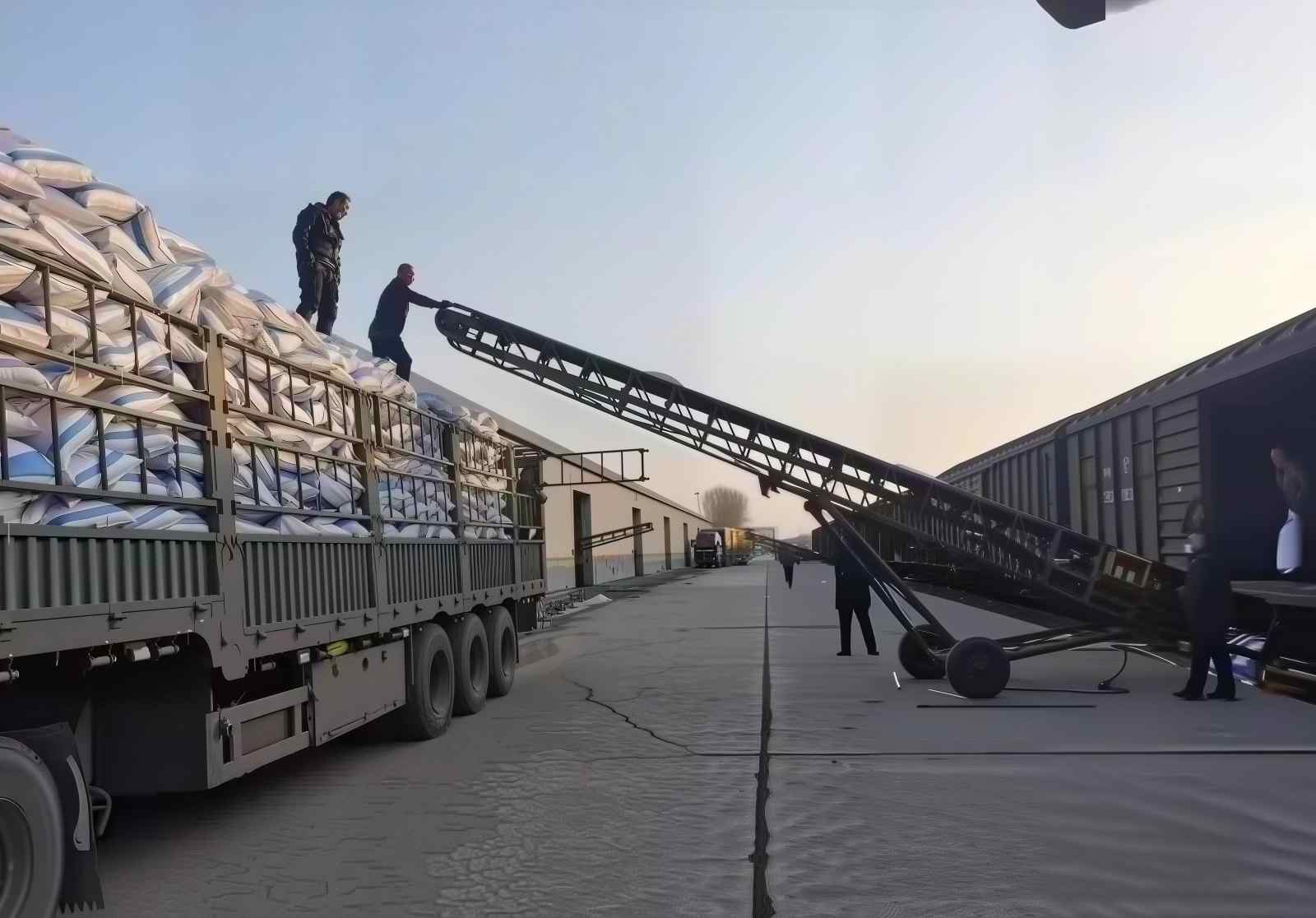
Material receiving and conveying solutions for fertilizer and other bulk-product handling operations.
Request a Truck Unloader Quote
Share your material type, truck dimensions, unloading frequency, required throughput, quayside layout, ground conditions, and downstream transfer interface. ZOOMRY engineers will recommend a truck unloader configuration for your terminal project.
Get a Quote →