 ZOOMRY

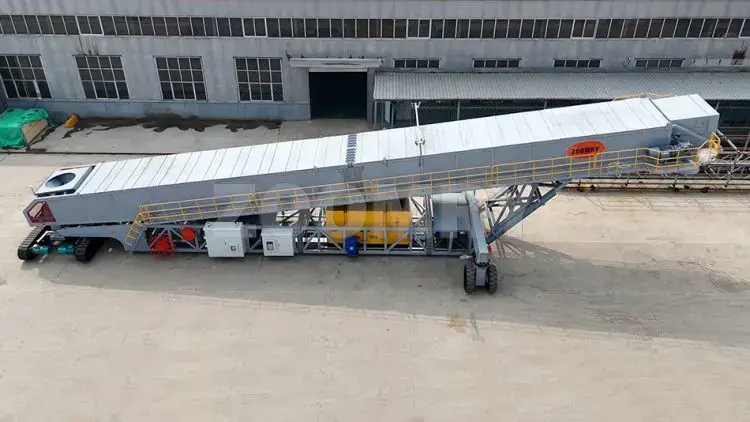
The difference between a mobile stacker and a fixed stacker lies in whether the machine can relocate under its own power or must remain anchored at one position. A mobile stacker is mounted on wheels or crawler tracks and can travel between stockpile zones, repositioning as the yard layout changes or production shifts. A fixed stacker is anchored at a permanent location, typically with a dedicated feed conveyor, and discharges material at one defined stockpile area for the life of the installation. Both machines build stockpiles from incoming material, but the mobile configuration adds operational flexibility that fixed installations cannot provide.
Core Functional Difference
A mobile stacker is self-propelled or towable, with an undercarriage that allows it to move across the yard. The machine receives material from a feed source — typically a mobile crusher, screening plant, or link conveyor — and discharges it onto a stockpile. When the stockpile reaches capacity or production shifts to a different area, the stacker relocates to a new position without dismantling the machine or modifying the site.
A fixed radial telescopic stacking conveyor is installed at a permanent position, anchored to a concrete foundation or steel structure. Material arrives through a dedicated feed conveyor, and the stacker discharges at a defined stockpile area. The machine may still have radial slewing and telescopic boom functions to cover a wide stockpile footprint from its fixed position, but it cannot relocate to a different part of the yard.
Key Differences at a Glance
| Comparison Factor | Mobile Stacker | Fixed Stacker |
|---|---|---|
| Mobility | Wheeled or tracked, self-propelled or towable | Anchored at one position |
| Feed source | Mobile equipment — crusher, screener, link conveyor | Dedicated fixed feed conveyor |
| Site preparation | Minimal — operates on graded or natural ground | Concrete foundation and permanent civil works |
| Stockpile coverage | Limited at any one position, but relocatable | Wide coverage from one position via slewing and telescopic boom |
| Relocation time | Minutes to hours depending on configuration | Not designed for relocation |
| Capital cost | Lower initial investment, no civil works | Higher upfront cost including foundations and feed conveyor |
| Best suited for | Contract crushing, temporary yards, changing stockpile layouts | Permanent stockyards, stable production, single-location operations |
When a Mobile Stacker Makes Sense
Mobile stackers are selected when the stockpile layout is expected to change or the equipment must relocate between work areas.
- Contract crushing and screening: Mobile crushing spreads that relocate between job sites benefit from stackers that travel with the spread, avoiding repeated installation and dismantling.
- Multiple stockpile zones: When one yard must serve several stockpile areas for different materials or product grades, a mobile stacker moves between zones as needed.
- Temporary or seasonal operations: Construction projects, road building, and seasonal aggregate production use mobile stackers that can be removed at the end of the project.
- Expanding or evolving sites: Quarries and mines whose pit or yard layout changes over time avoid stranded assets by using mobile equipment.
- Lower upfront investment: Mobile stackers require no foundations, permanent feed conveyors, or civil works, reducing initial capital outlay.
When a Fixed Stacker Makes Sense
Fixed stackers are selected when the stockpile location is permanent and the operation benefits from a wide coverage footprint from one position.
- Permanent stockyards: Port terminals, power plants, and cement plants with stable stockyard layouts use fixed stackers integrated with the plant conveyor network.
- High-capacity continuous operation: Fixed stackers can be engineered for very high throughputs without the mobility constraints of a mobile undercarriage.
- Wide stockpile coverage: Radial slewing and telescopic boom functions allow a fixed stacker to cover a large stockpile area from one position, reducing the need for relocation.
- Integration with plant systems: Fixed stackers connect directly to plant feed conveyors, stockyard automation, and reclaim systems.
- Long service life: Fixed installations are designed for decades of continuous operation with predictable maintenance access.
Mobility Options for Mobile Stackers
Mobile stackers are available in several mobility configurations:
- Wheeled stackers: Rubber-tired undercarriages for prepared surfaces and towable relocation between stockpile zones.
- Tracked stackers: Crawler undercarriages for soft ground, uneven terrain, and heap leaching operations where low ground pressure is required.
- Self-propelled stackers: Integrated diesel-hydraulic power for independent travel without a tow vehicle.
- Towed stackers: Lower-cost configurations moved by a haul truck or loader between work areas.
Stockpile Coverage Comparison
A common misconception is that fixed stackers always cover more stockpile area than mobile units. In practice, the comparison depends on the configuration:
- Fixed radial telescopic stackers cover a wide arc from a central pivot, building fan-shaped stockpiles up to 3,500 m³/h.
- Mobile radial telescopic stackers also offer radial slewing and telescopic boom extension, covering a comparable arc at each position, and can then relocate to cover additional areas.
- Mobile stackers without radial function build conical stockpiles at each position but must relocate more frequently to cover large areas.
For sites where the stockpile area is fixed and large, a fixed radial telescopic stacker may provide the most efficient coverage. For sites where stockpile areas change or multiple zones must be served, a mobile stacker's relocatability outweighs the coverage advantage of a fixed unit.
Cost Considerations
The cost comparison between mobile and fixed stackers depends on the project scope:
- Mobile stackers have lower upfront equipment cost and no civil works, but may have higher operating cost per ton if frequently relocated.
- Fixed stackers require higher upfront investment including foundations, feed conveyors, and civil works, but provide lower operating cost per ton over a long service life at a stable location.
- Total cost of ownership depends on the number of relocations, the service life of the operation, and the value of flexibility if the site layout changes.
Key Selection Factors
- Site layout stability: Stable layouts favor fixed stackers. Changing layouts favor mobile units.
- Number of stockpile zones: Multiple zones favor mobile stackers that can serve each zone in turn.
- Capacity requirement: Very high continuous throughput favors fixed installations.
- Feed source type: Mobile crushers and screens pair naturally with mobile stackers. Plant conveyors pair with fixed stackers.
- Project duration: Temporary or contract operations favor mobile equipment. Permanent installations favor fixed equipment.
- Ground conditions: Soft or unpaved ground may require tracked mobility rather than wheeled or fixed configurations.
Frequently Asked Questions
Can a mobile stacker build the same stockpile size as a fixed stacker?
Yes, mobile radial telescopic stackers can build stockpiles of comparable size to fixed units, with radial slewing and telescopic boom extension providing wide coverage at each position. The difference is that a mobile stacker can relocate to build additional stockpiles in different areas, while a fixed stacker is limited to its one location.
How long does it take to relocate a mobile stacker?
Relocation time depends on the configuration and distance. Self-propelled tracked stackers can move to a new position within the same yard in minutes. Wheeled stackers that require towing may take longer for longer distances. For moves between sites, a low-loader transport is typically used.
Do mobile stackers require site preparation?
Mobile stackers require minimal site preparation compared with fixed installations. Tracked stackers can operate on natural ground, while wheeled stackers need a graded or compacted surface for traction and stability. Fixed stackers require concrete foundations and permanent civil works.
Can a fixed stacker be converted to a mobile stacker later?
No. Fixed and mobile stackers are engineered around different structural and mobility requirements. Converting a fixed stacker to mobile configuration would require replacing the entire undercarriage and support structure, which is not economically practical. The choice between mobile and fixed should be made at the project planning stage.
Related Products
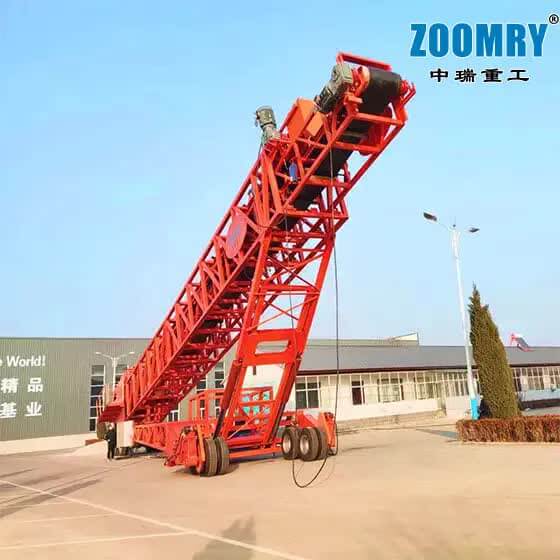
Relocatable stacking for changing stockpile layouts
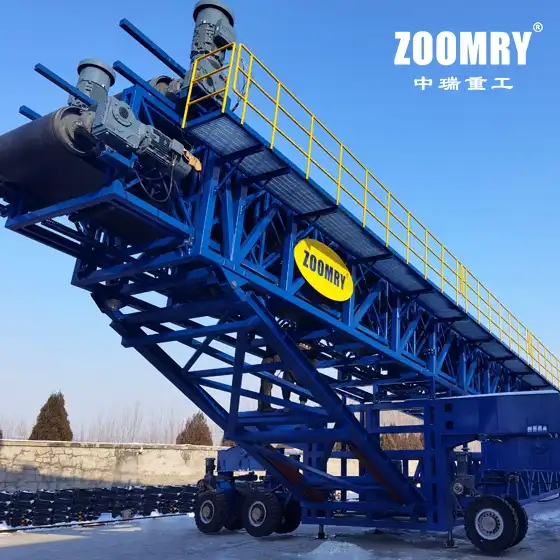
Permanent stockyard stacking with wide coverage
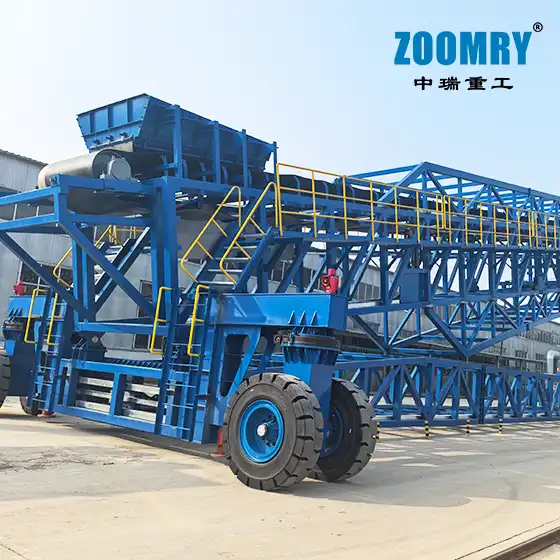
Self-propelled radial stacking with telescopic boom
Industry Applications
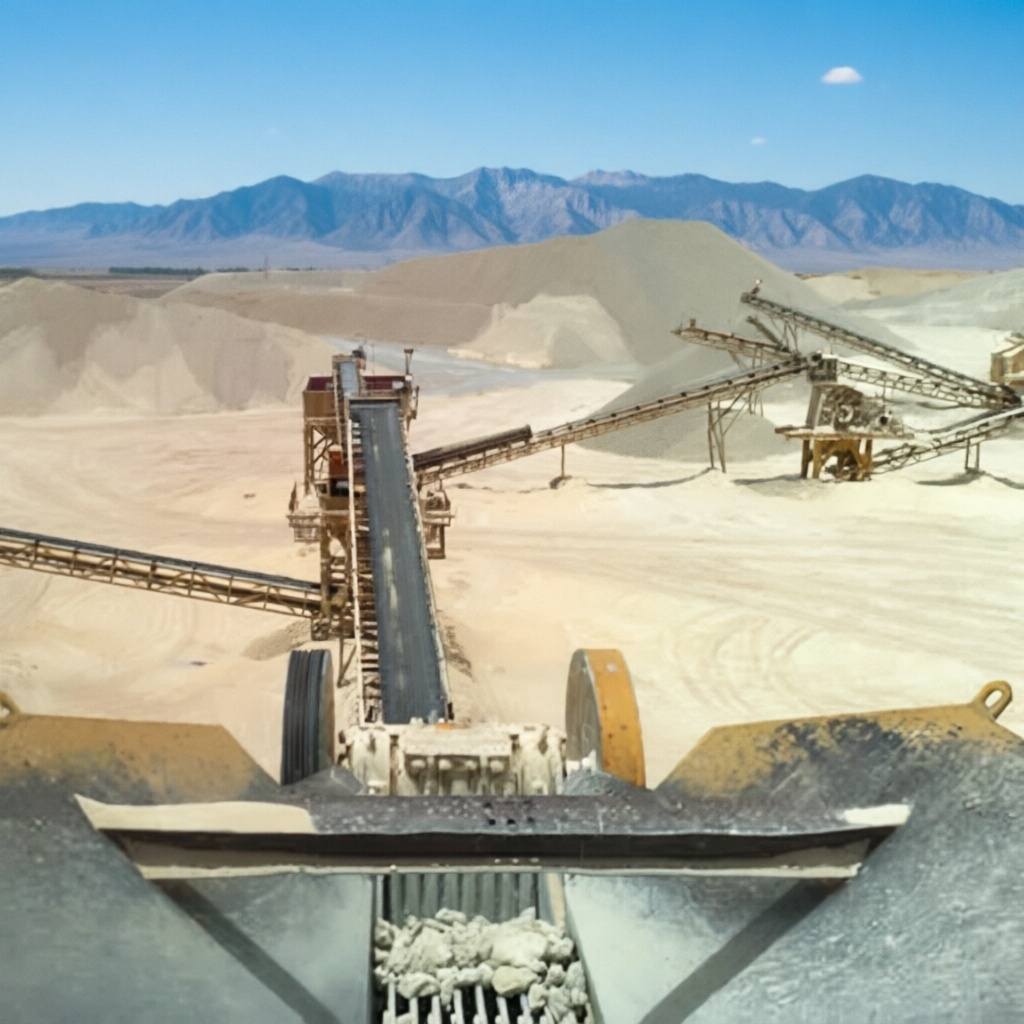
Mobile and fixed stacking for quarry stockyard management
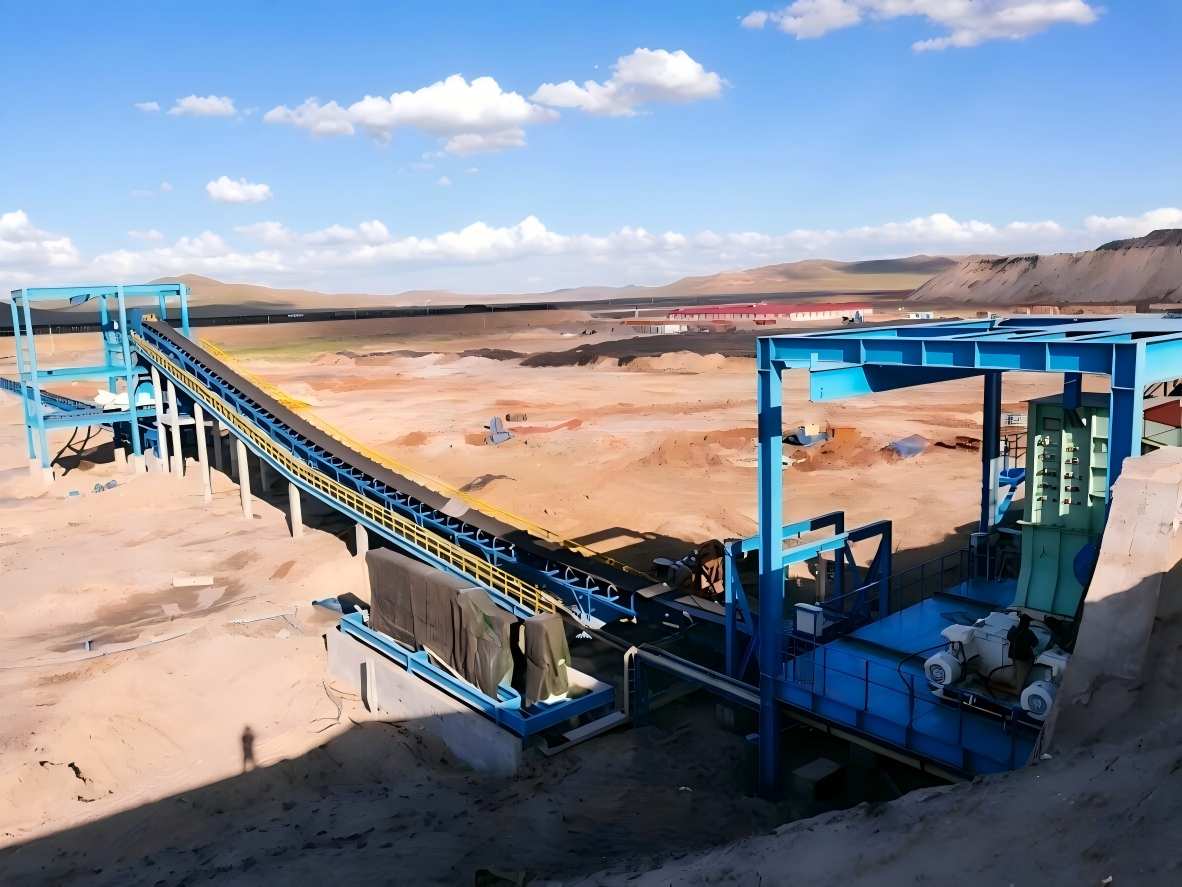
Stockpile building for surface and underground mining
Choosing Between a Mobile Stacker and a Fixed Stacker?
Share your site layout, capacity requirement, and production plan. ZOOMRY can help determine whether a mobile or fixed stacker configuration fits your operation.
Contact Us →