 ZOOMRY

Proper daily operation and maintenance of belt conveyor systems are essential for maximizing equipment life, preventing unplanned downtime, and ensuring workplace safety. As a professional bulk material handling solution provider, ZOOMRY engineers complete conveyor systems for mining, cement, and port operations. This guide covers standardized operating procedures and maintenance practices to keep your Conveyor Belt system running reliably.
1. Operating Procedures for Belt Conveyor Systems
(I) Pre-Operation Checks
- Check if the conveyor belt system is on a solid foundation and if the oil quantity at each lubrication point is sufficient.
- Ensure proper conveyor belt tension — verify take-up pulley adjustment. Transmission components such as bearings and gears must be intact. Safety protection devices must be secure, reliable, and complete. Verify equipment grounding.
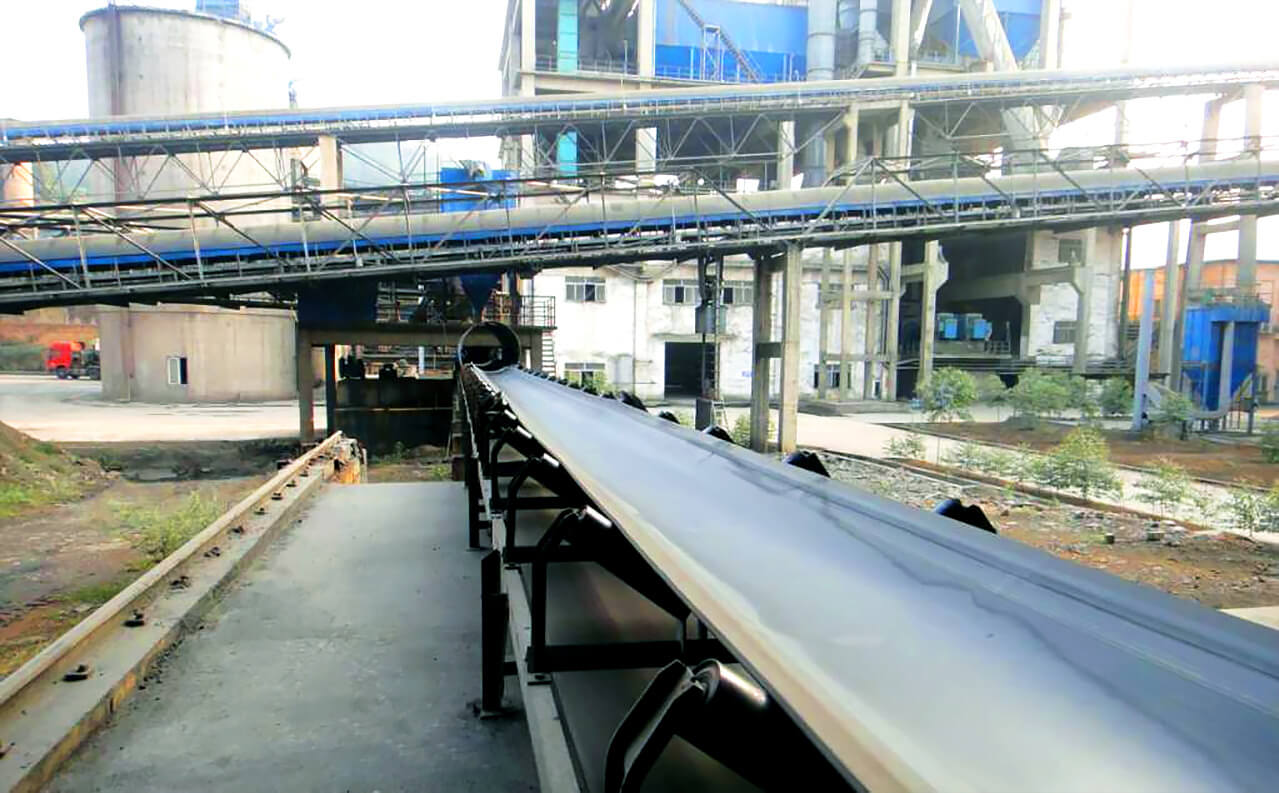
- Before formal operation, run the conveyor belt system idle for 3-5 minutes. During this period, check for abnormal motor noise, ensure rollers rotate flexibly, and verify no belt slippage or deviation.
(II) During Operation
- Start the conveyor belt system with no load first, then add material after normal operation is achieved. Never start the conveyor after loading.
- Monitor machine operation continuously. If any abnormality is detected — unusual noise, vibration, belt mistracking — stop immediately for inspection or maintenance.
- Never cross over or pass under the conveyor belt system while it is operating.
- When conveying large materials, install protective devices — impact beds at loading points and guarding along the conveyor path.
- In case of emergency shutdown, cut off the power supply first, then address the conveyor belt system issue.
(III) Post-Operation Shutdown
- Stop the conveyor belt system only after all materials are unloaded from the belt, then disconnect the equipment power supply.
- Clean the operation site and perform daily maintenance on the conveyor belt system.
2. How to Maintain the Conveyor Belt System
(I) Safe Operation Practices
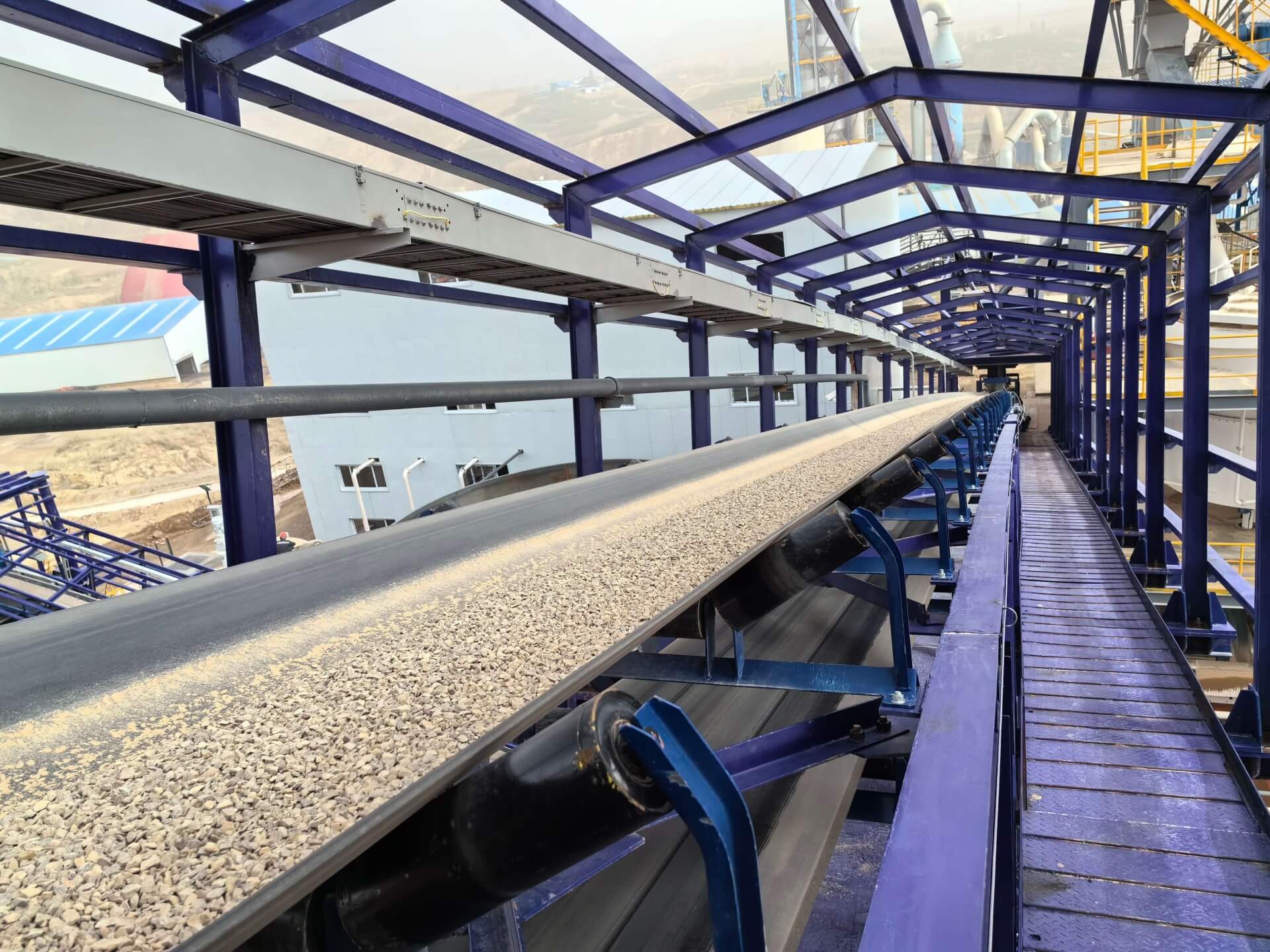
- Reduce material drop height to minimize impact on the conveyor belt. If necessary, install hopper feeders or controlled feeding facilities to manage material flow.
- Eliminate belt deviation factors as early as possible — install guide rollers and check idler alignment regularly.
- Strictly follow the maintenance schedule to prevent man-machine accidents.
- Always start the conveyor belt system with no load, following the correct startup sequence.
- Record all operation and maintenance activities, and complete proper shift handover documentation.
(II) Routine Protection and Inspection
- Check the conveyor belt joint for abnormalities — cuts, cracks, or damage from external causes. Inspect steel cord belt splices for cord corrosion and rubber separation.
- Check upper and lower rubber cover layers for wear. Inspect flange belt edges for wear patterns indicating misalignment.
- Inspect the Belt Cleaner scraper blade — if worn and no longer making close contact with the belt, adjust or replace the blade.
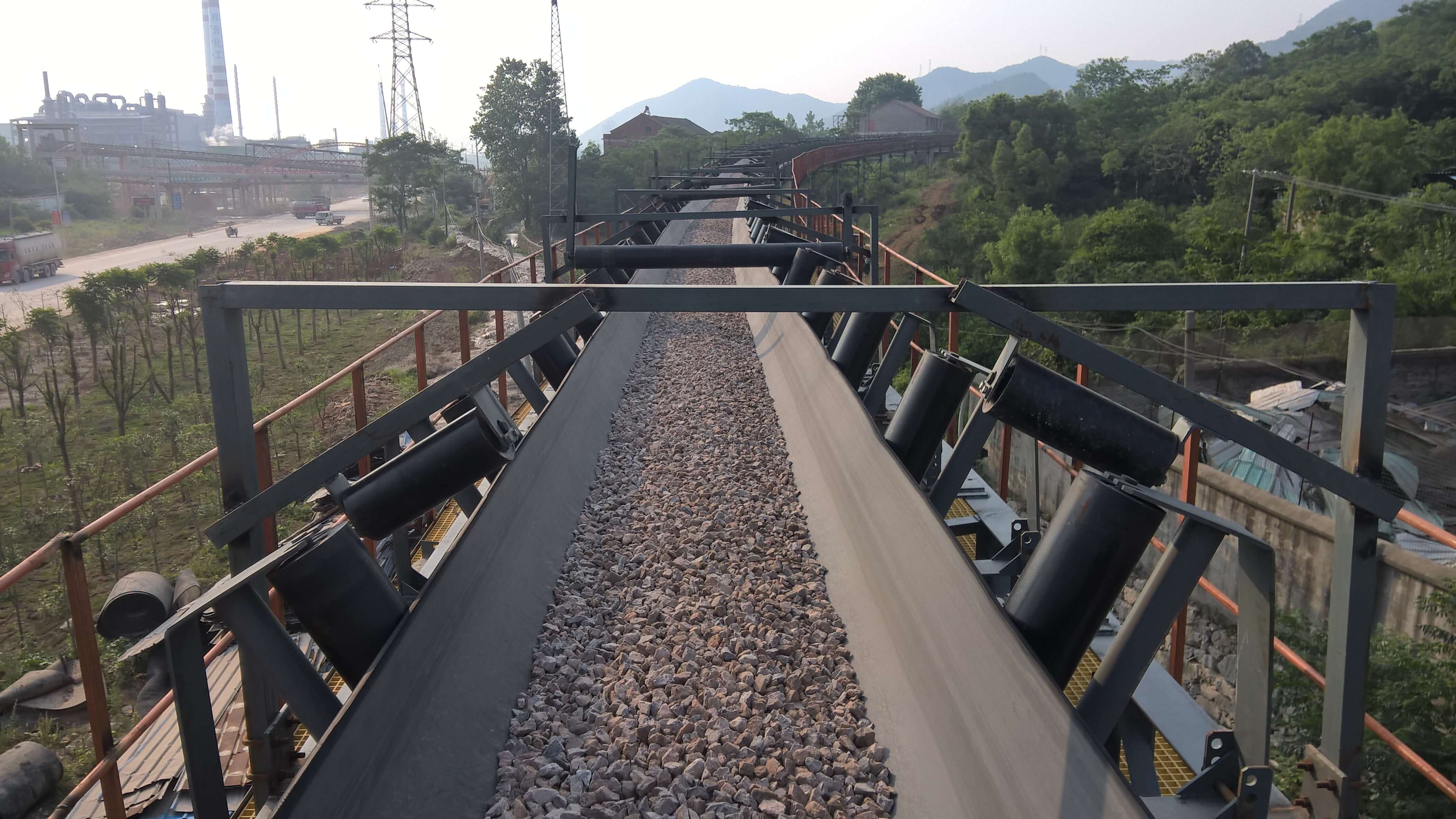
- Maintain flexible rotation of every idler roller. Replace any rollers that do not rotate or are damaged — a single seized roller can damage the belt.
- Prevent belt deviation — keep the belt running on the center line of the conveyor system through proper alignment and tracking adjustment.
(III) Regular Maintenance Schedule
- Regularly lubricate all bearings — roller bearings, pulley bearings, and drive components — according to manufacturer specifications.
- Re-tighten all anchor bolts, cross-beam connecting screws, and mounting hardware to specified torque values.
- Repair or replace worn components — pulley lagging, impact rollers, skirt boards, and sealing systems.
- Patch or repair belt surface damage promptly to prevent small issues from developing into major failures.
- For high-temperature, acidic, alkaline, oily, or organic solvent materials — use specialty conveyor belts designed for those specific conditions to ensure safe operation and extended service life.
Related Equipment
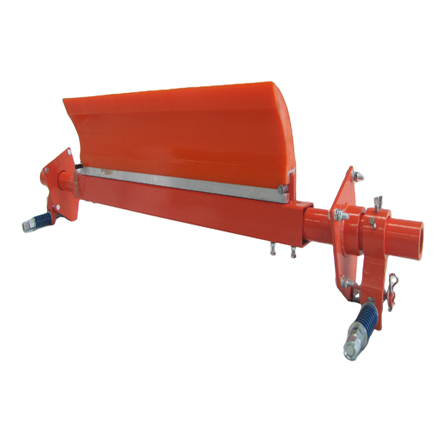
Polyurethane scraper — essential for daily belt maintenance and carryback prevention.
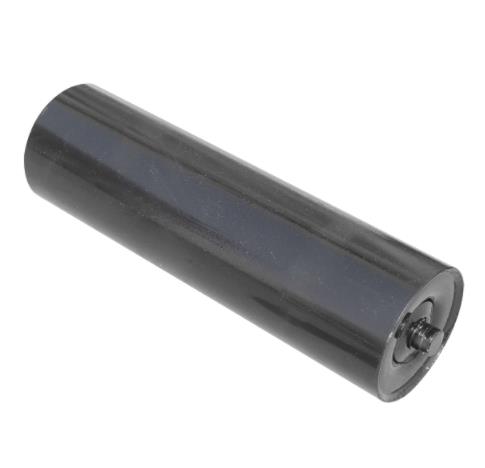
Regular roller inspection and replacement — critical for belt tracking and system reliability.
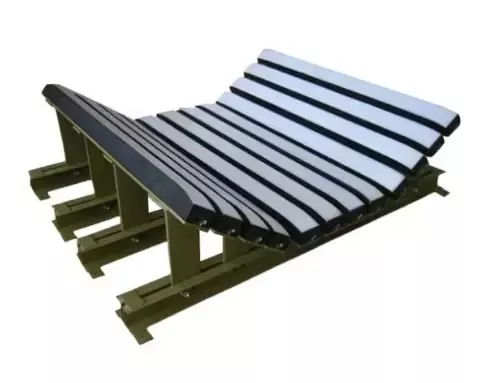
Protects belt at loading points — reduces impact damage and extends maintenance intervals.
Industry Solutions
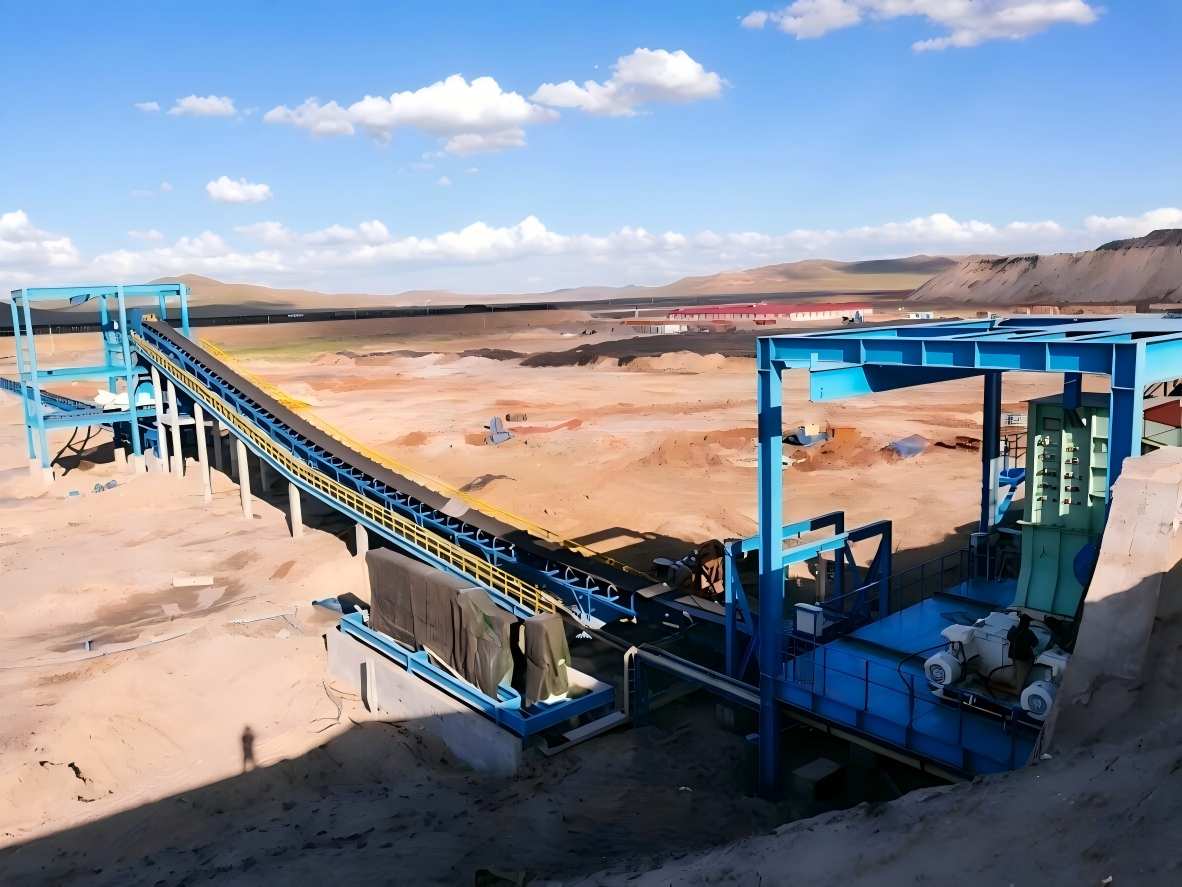
Heavy-duty conveyor maintenance schedules for abrasive ore handling and 24/7 operations.

Dust-controlled conveyor maintenance for combustible biomass handling operations.
Need Conveyor Maintenance Support or Replacement Parts?
Contact ZOOMRY for maintenance training, spare parts supply, and technical support for your conveyor belt system.
Contact Us →