 ZOOMRY

Choosing the right mobile shiploader is one of the most critical decisions for port and terminal operators handling bulk materials. The wrong choice can lead to bottlenecks, excessive infrastructure costs, and vessel demurrage charges. Yet with three distinct configurations available — wheel, tracked, and all-travel — many terminal managers struggle to identify the optimal solution for their specific dock conditions, vessel mix, and throughput targets.
This guide compares ZOOMRY's mobile ship loader configurations across key selection criteria: mobility requirements, dock surface conditions, vessel size range, and capital investment. Whether you're loading coal at an export terminal, PKE/PKS at a tropical port, or grain at an inland river terminal, understanding the differences helps you make an informed decision.
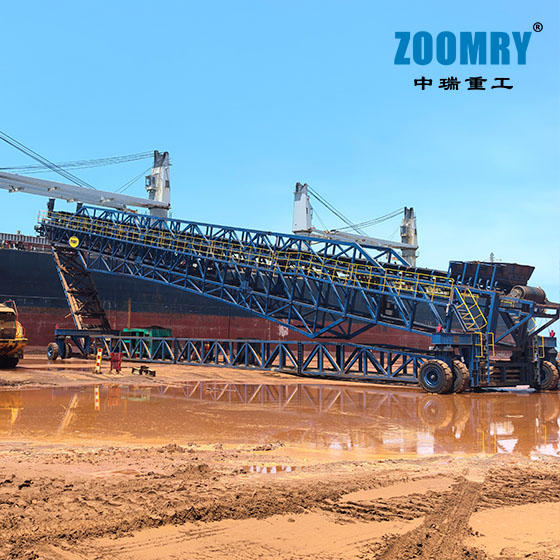
ZOOMRY mobile ship loader configurations: radial wheel type (left), tracked crawler type (right)
Mobile Ship Loader Configuration Comparison
| Configuration | Mobility | Infrastructure | Best For |
|---|---|---|---|
| Radial Wheel Type | Pivot-mounted, radial slewing | Paved quay | High-frequency single-berth loading |
| Tracked Crawler Type | 360° self-propelled, crawler tracks | None — soft ground capable | Temporary docks, unpaved quaysides |
| All-Travel Wheel Type | Free wheel movement, any direction | Paved quay only | Multi-berth terminals, flexible scheduling |
How to Choose the Right Mobile Ship Loader Configuration?
When to Choose a Radial Wheel Ship Loader
The radial wheel configuration is the most widely adopted mobile shiploader type for established terminals with paved quays. Its pivot-mounted boom slews radially, enabling fast hatch-to-hatch transitions with low maintenance costs. This configuration works best when your port has a dedicated loading berth and consistent vessel traffic. For coal ship loader operations at export terminals handling Panamax and Capesize vessels, the radial wheel type with ZRSL-52 or ZRSL-58 boom provides optimal reach and capacity up to 3,500 t/h.
When to Choose a Tracked Crawler Ship Loader
The tracked ship loader is engineered for challenging ground conditions where paved surfaces are unavailable. Using a SANY excavator-grade crawler chassis, it operates on gravel, soft soil, and uneven terrain with 360° mobility. This configuration is ideal for temporary docks, remote mining ports, and seasonal operations where investing in permanent infrastructure isn't feasible. The tracked undercarriage also provides excellent weight distribution, making it suitable for older quays with load-bearing limitations.
When to Choose an All-Travel Mobile Ship Loader
The all-travel mobile shiploader offers maximum operational flexibility for multi-berth terminals. One unit can serve several vessels across different berths — driving freely along the quay without rail dependency, towing vehicles, or crane repositioning. This configuration delivers the lowest cost per berth for terminals handling varied vessel schedules. For ports loading PKE/PKS at one berth and aggregates at another, the all-travel type eliminates the need for multiple dedicated loaders.
Key Selection Factors to Consider
| Factor | Wheel | Tracked | All-Travel |
|---|---|---|---|
| Max Vessel DWT | Up to 120,000 | Up to 120,000 | Up to 180,000 |
| Dock Surface | Paved only | Any surface | Paved only |
| Berth Flexibility | Single berth | Single berth | Multi-berth |
| Capital Investment | Lower than fixed | Competitive | Lowest per berth (multi-use) |
| Setup Time | Hours/days | Hours/days | Hours/days |
Industry-Specific Selection Examples
Coal Export Terminal — A dedicated Panamax/Capesize berth with paved quay → Radial telescopic shiploader with 52-58m boom, integrated dust suppression, and electric drive for continuous operation. Proven at multiple coal handling terminals across Southeast Asia.
PKE/PKS Agribulk Terminal — Multi-berth port handling Palm Kernel Expeller and shells in tropical climate → All-travel mobile shiploader with anti-leakage sealed chutes, corrosion-resistant cladding, and diesel power-gen for independent operation. Trusted by Bintulu Port, handling over 1.5 million tons annually.
Remote Mining Port — Unpaved quayside with soft ground and no electrical infrastructure → Tracked crawler ship loader with onboard diesel power-gen, SANY excavator chassis, and 360° mobility for iron ore and steel raw material loading.
Related Solutions
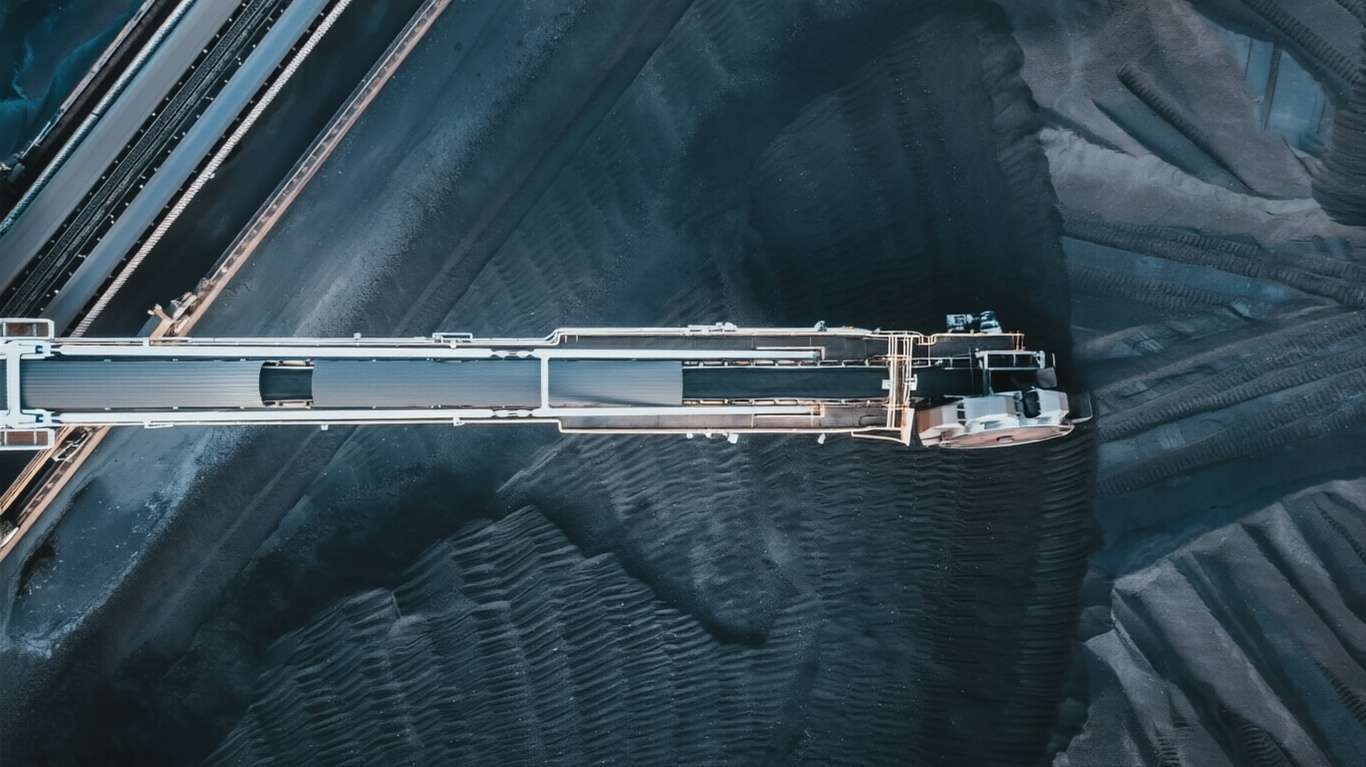

How to Choose the Right Mobile Ship Loader for Your Terminal?
Share your vessel types, dock conditions, and throughput targets — our engineers will recommend the optimal ship loader configuration.
Mobile Ship Loader Selection Guide →