 ZOOMRY

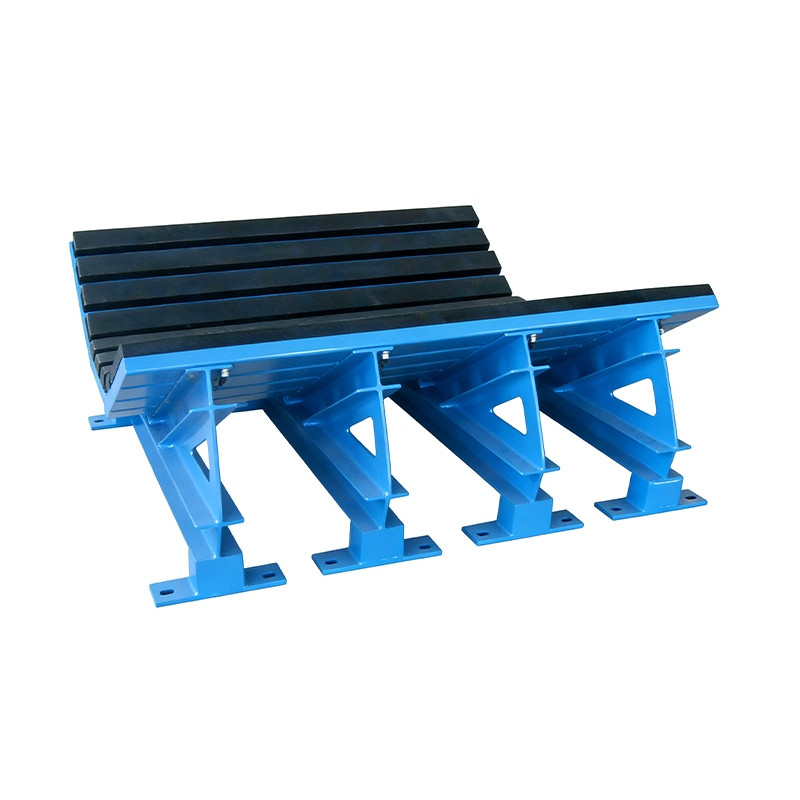
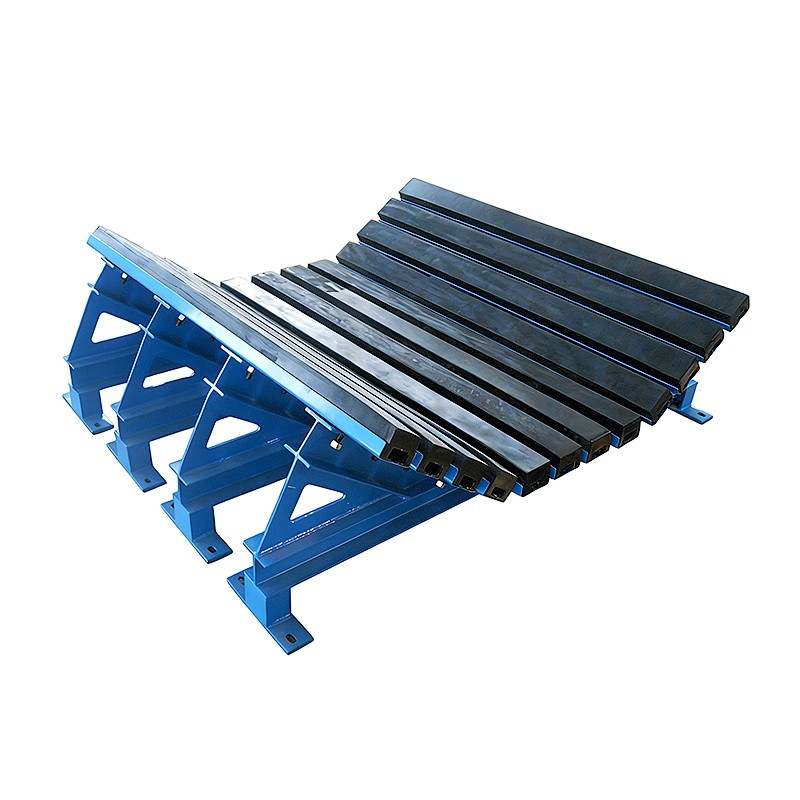
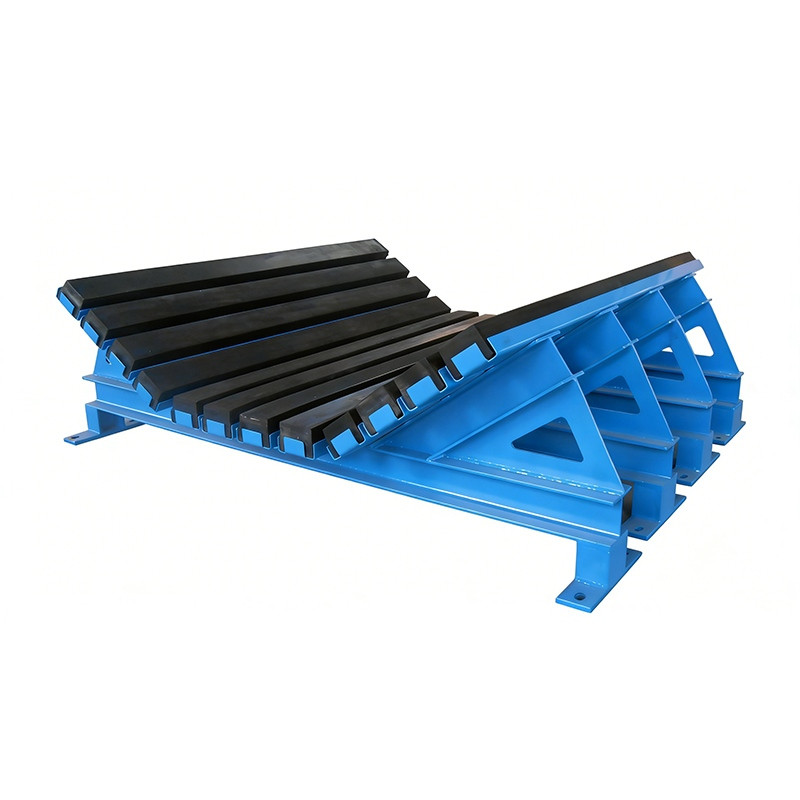
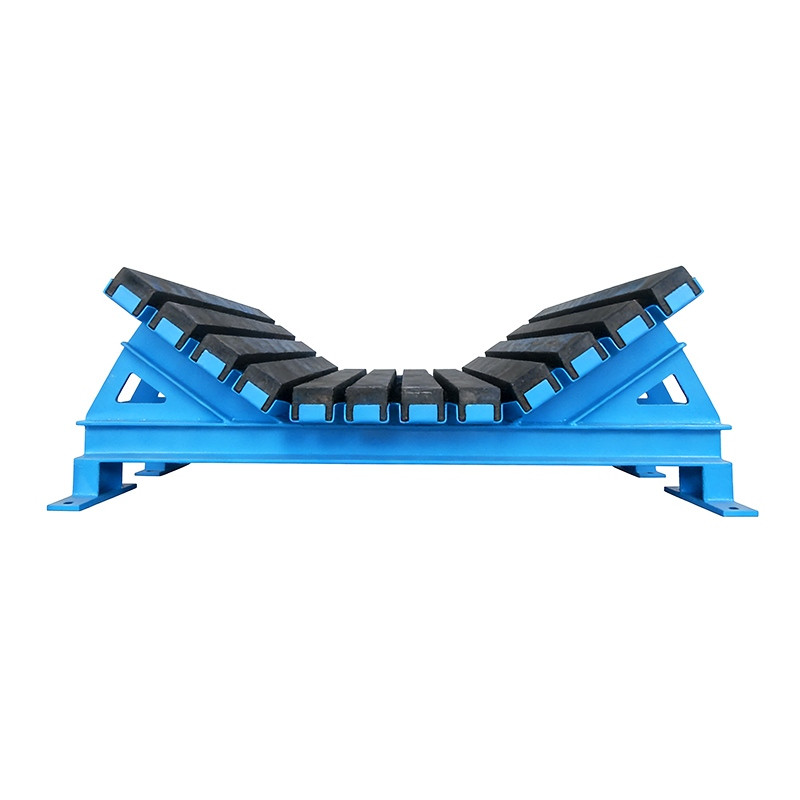
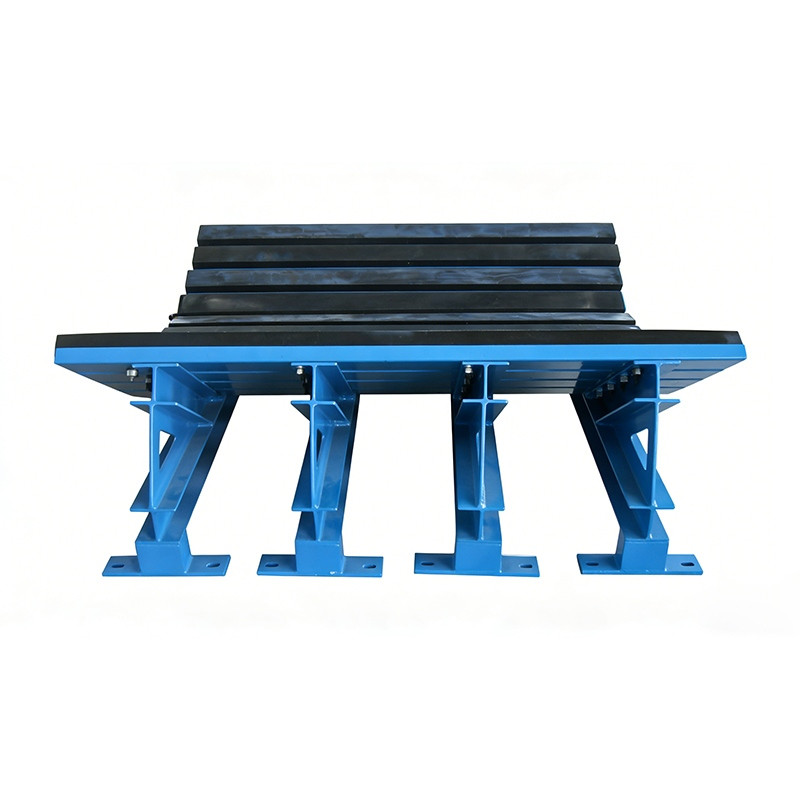
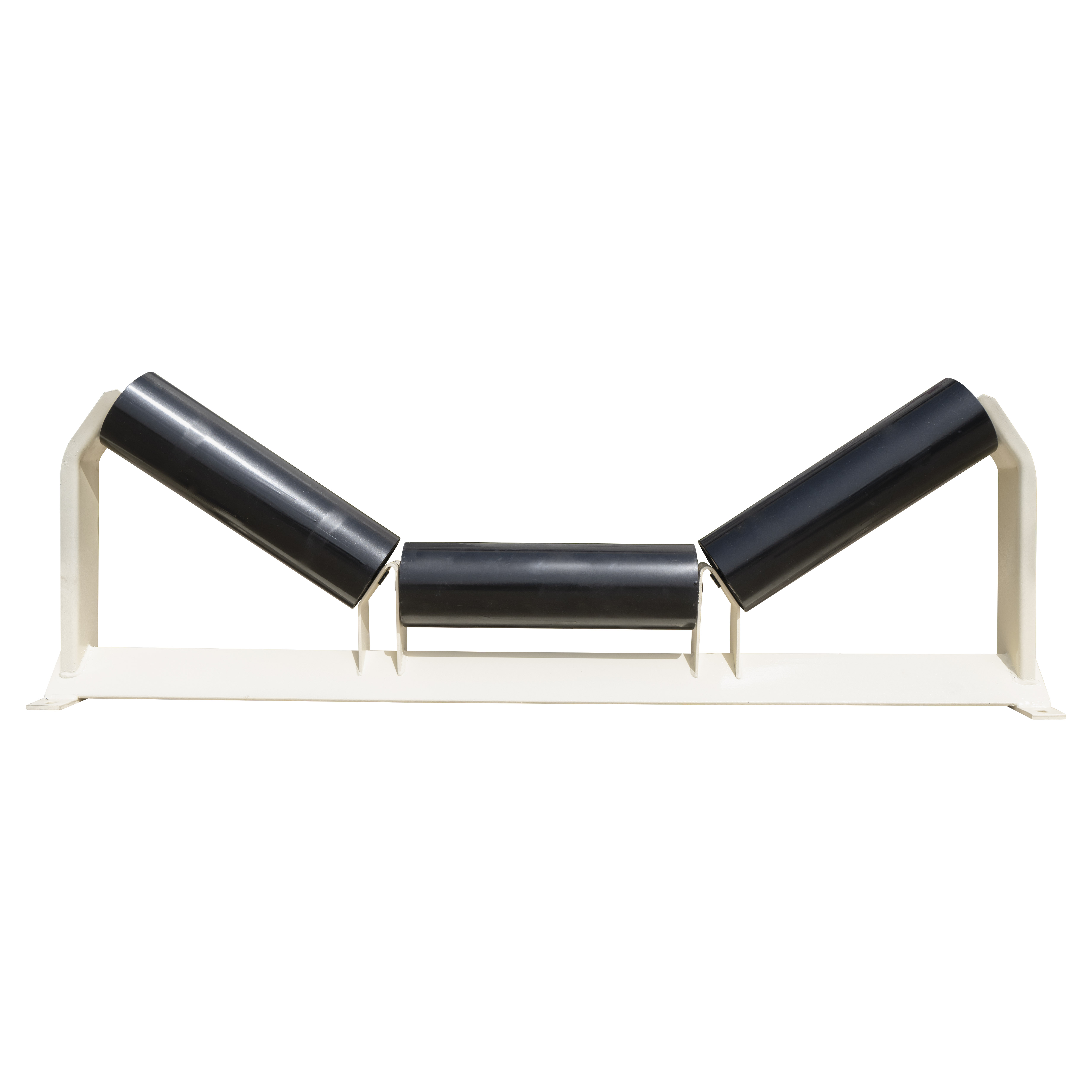
ZOOMRY Blue impact bed is installed in the loading zone of belt conveyor systems to absorb impact energy from falling materials while enabling color-coded production line management. The blue UHMWPE impact bars deliver identical impact absorption performance as the standard conveyor impact bed — with the added benefit of a distinct blue color that helps maintenance teams instantly identify which conveyor line they are inspecting in multi-line facilities. For safety-critical zones requiring enhanced hazard awareness, see our High-Visibility Red Impact Bed.

ZOOMRY Blue Impact Bed — blue UHMWPE impact bars for color-coded line identification and reliable loading point protection
When Should You Choose the Blue Impact Bed?
The blue impact bed solves a specific operational challenge: managing multiple conveyor lines where quick visual identification prevents maintenance errors. In facilities running several parallel conveyors — common in mining processing plants, cement production lines, and port terminals — color-coding impact beds by conveyor line helps maintenance teams instantly confirm they are inspecting the correct equipment. The blue color provides high contrast against the black rubber belt and dark steel frame, making wear assessment quick and unambiguous during walk-through inspections.
Blue Impact Bed vs Other Impact Bed Models
| Feature | Blue Impact Bed | High-Visibility Red Impact Bed | Standard Impact Bed |
|---|---|---|---|
| Bar Color | Blue — line identification | Red — safety & visibility | Natural / Black — standard |
| Primary Benefit | Color-coded line management | Safety hazard zone cue | Cost-effective general purpose |
| Best For | Multi-line plants, conveyor identification | Dim areas, safety-focused facilities | Single conveyor, general loading points |
| Impact Performance | Identical to standard | Identical to standard | Standard |
For maximum impact absorption with high-elastic rubber bars, see our High-Elastic Rubber Impact Bed.
Construction & Key Advantages
UHMW Polyethylene Wear Layer with Blue Pigment
The top layer is made from ultra-high molecular weight polyethylene with blue pigment integrated throughout the material — ensuring the color remains visible for the bar's entire service life. The UHMWPE surface offers 4–7 times the wear life of steel, self-lubricating properties that minimize belt drag, and a low coefficient of friction that reduces energy consumption at the loading point.
Natural Rubber Cushion Layer
Beneath the UHMW layer, a natural rubber compound absorbs up to 85% of impact energy when material falls from height. This protects both the belt surface and the conveyor rollers downstream from peak impact forces.
Aluminum T-Slot Mounting
Each impact bar slides onto the support frame via an aluminum T-slot base, allowing single-bar replacement without removing adjacent bars or the Conveyor Belt — maintenance can be completed by one person with basic hand tools.
Technical Specifications
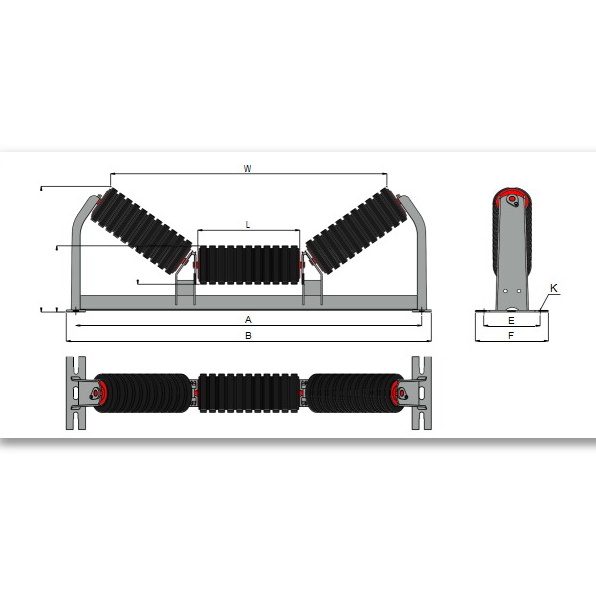
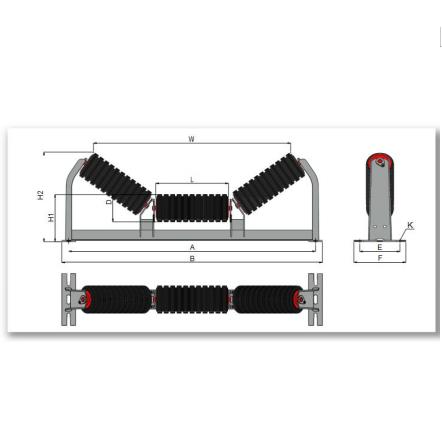
| Model | Belt Width (mm) | Length L1 (mm) | Height H (mm) | No. of Bars |
|---|---|---|---|---|
| B500-L | 500 | 800 | 180 | 6 |
| B650-L | 650 | 950 | 180 | 8 |
| B800-L | 800 | 1,150 | 200 | 10 |
| B1000-L | 1,000 | 1,350 | 240 | 10 |
| B1200-L | 1,200 | 1,600 | 257 | 12 |
| B1400-L | 1,400 | 1,800 | 261 | 14 |
| B1600-L | 1,600 | 2,040 | 285 | 16 |
| B1800-L | 1,800 | 2,240 | 310 | 16 |
| B2000-L | 2,000 | 2,480 | 320 | 18 |
Frequently Asked Questions
Does the blue color affect impact bed performance compared to standard bars?
No. The blue pigment is integrated into the UHMWPE material without affecting its mechanical properties. Blue impact bars offer identical wear resistance (4–7× steel), impact absorption (up to 85%), and service life as standard color bars. The only difference is the color — chosen for operational line identification rather than performance.
How do I decide between the blue, red, and standard impact beds?
Choose based on your operational priority: Blue for color-coded production line management in multi-conveyor facilities; Red (High-Visibility Impact Bed) for safety-critical zones and dim areas where hazard awareness matters; Standard (Conveyor Impact Bed) for single-conveyor general applications. All three deliver identical impact protection — the color is an operational management tool, not a performance variable.
How can I tell when the blue impact bars need replacement?
The blue UHMWPE layer serves as a built-in wear indicator. As the blue surface wears down, the underlying natural rubber layer becomes visible — an unmistakable visual signal that replacement is due. The general guideline is to replace bars when the UHMW layer has worn to one-third of its original thickness. Individual bars can be replaced in minutes via the aluminum T-slot mounting without removing the belt. For maximum impact absorption in heavy-duty applications, consider our High-Elastic Rubber Impact Bed.
Need a Blue Impact Bed for Your Multi-Line Conveyor System?
Tell us your belt width, trough angle, and how many conveyor lines you need to color-code — our engineers will recommend the right blue impact bed configuration.
Get a Custom Recommendation