 ZOOMRY

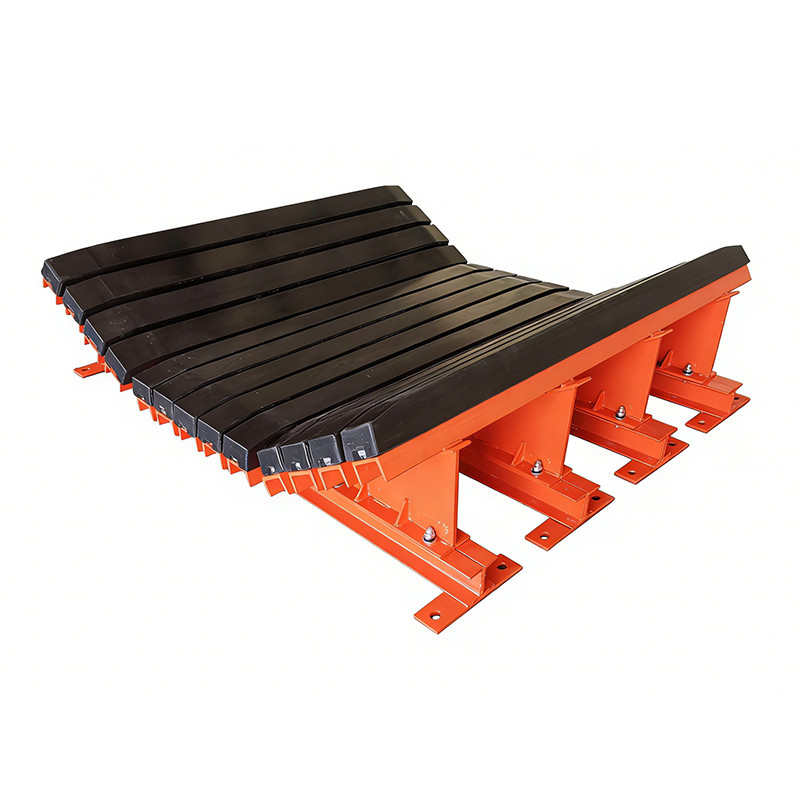
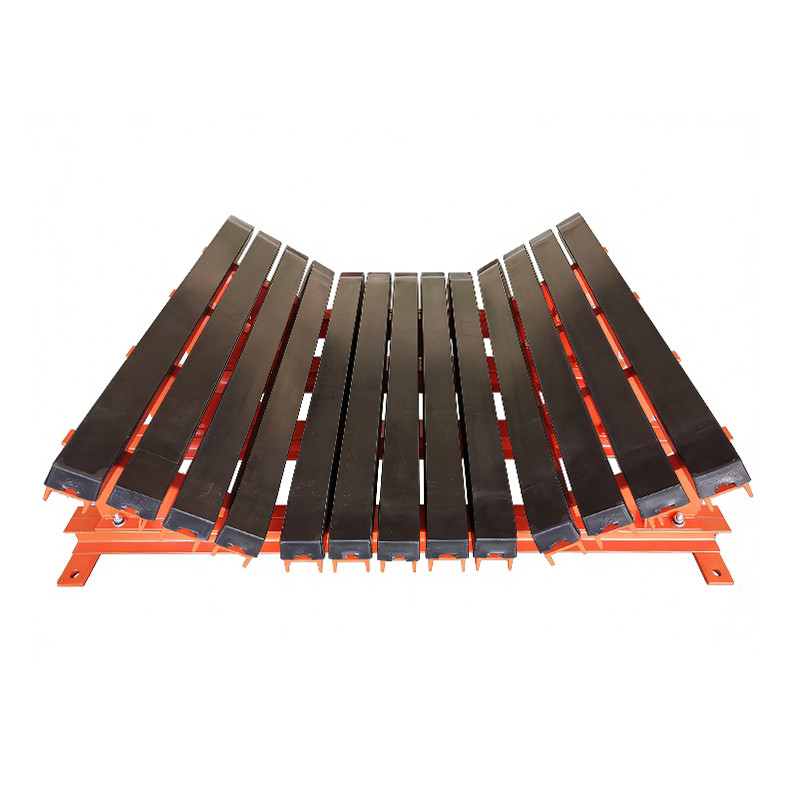
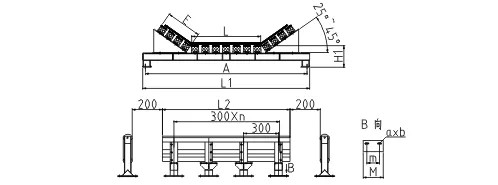
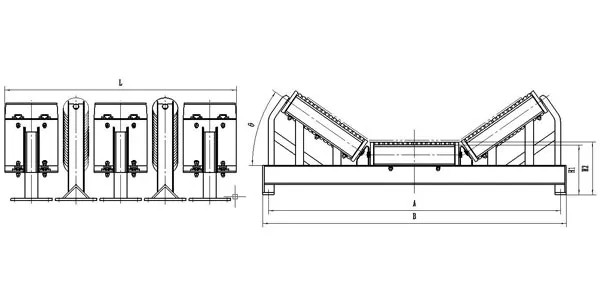
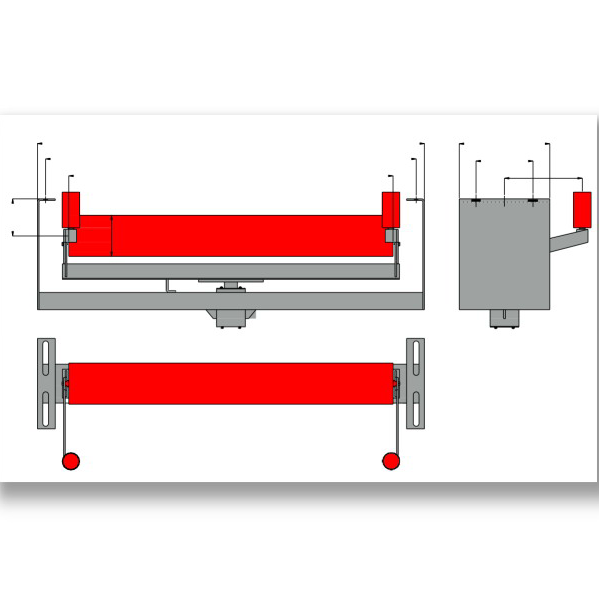
The High-Visibility impact bed is engineered for belt conveyor loading zones where impact protection and equipment visibility are equally important. The red UHMW impact bars absorb material impact energy while serving as a highly visible landmark within the conveyor system — enabling operators to quickly locate the loading zone during inspections and helping maintenance teams assess wear progression at a glance, without stopping the belt.

ZOOMRY High-Visibility Impact Bed — red UHMWPE impact bars for instant wear detection and safety awareness in conveyor loading zones
Why Choose the Red Impact Bed Over Standard Models?
The red color delivers three operational benefits without any performance compromise compared to the standard conveyor impact bed:
- Instant wear detection: The red pigment is integrated throughout the UHMWPE material. When the surface wears down, the color change is immediately visible from a distance — no need to stop the conveyor for close inspection.
- Safety awareness cue: Red is universally recognized as a safety color. The visible red bars draw attention to the loading zone, signaling to plant personnel that this is a high-impact area requiring careful operation and regular inspection.
- Zero performance compromise: The red pigment does not alter the material properties. Impact bars deliver identical UHMW wear resistance, low friction, and impact absorption as standard bars — with added visibility as a free benefit.
Construction & Working Principle
UHMW Polyethylene Wear Layer
The top layer of each impact bar is made from ultra-high molecular weight polyethylene — offering exceptional abrasion resistance (4–7 times that of steel) and a low coefficient of friction. The red pigment is integrated throughout the material, ensuring the color remains vivid and visible throughout the bar's entire service life.
Natural Rubber Cushion Layer
Beneath the UHMW layer, a natural rubber compound absorbs impact energy. When material falls from height, the rubber compresses and dissipates the impact force, reducing peak pressure on the belt by up to 85% — protecting both the belt surface and the conveyor rollers downstream.
Aluminum T-Slot Mounting
Each impact bar features an aluminum T-slot base that slides onto the support frame, allowing single-bar replacement in 5–10 minutes without removing adjacent bars or the Conveyor Belt — minimizing maintenance downtime.
Heavy-Duty Steel Frame
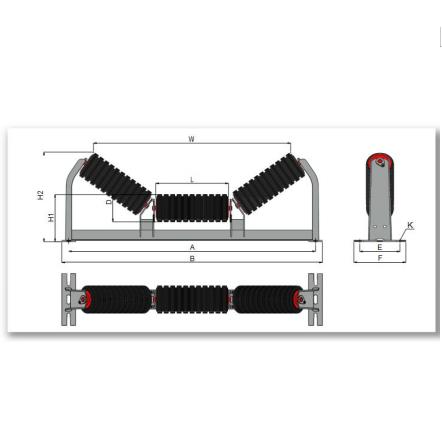
The frame is constructed from structural steel with corrosion-resistant coating, engineered to withstand repeated impact loads. It matches the conveyor's trough angle and is available in fixed or adjustable configurations.
High-Visibility Impact Bed vs Other Impact Bed Models
| Feature | High-Visibility Impact Bed | Standard Impact Bed | Blue Impact Bed |
|---|---|---|---|
| Bar Color | Red — safety & visibility | Natural / Black — standard | Blue — color-coded lines |
| Wear Detection | Instant — red reveals wear at a glance | Close inspection required | Close inspection required |
| Safety Benefit | Yes — draws attention to hazard zone | No | No |
| Impact Performance | Identical to standard | Standard | Identical to standard |
| Best For | Safety-focused plants, dim areas, quick inspection | General-purpose loading points | Multi-line color identification |
For maximum impact absorption with high-elastic rubber bars, see our High-Elastic Rubber Impact Bed. For color-coded production lines, see Blue Impact Bed.
Technical Specifications
| Model | Belt Width (mm) | Length L1 (mm) | Height H (mm) | No. of Bars |
|---|---|---|---|---|
| B500-L | 500 | 800 | 180 | 6 |
| B650-L | 650 | 950 | 180 | 8 |
| B800-L | 800 | 1,150 | 200 | 10 |
| B1000-L | 1,000 | 1,350 | 240 | 10 |
| B1200-L | 1,200 | 1,600 | 257 | 12 |
| B1400-L | 1,400 | 1,800 | 261 | 14 |
| B1600-L | 1,600 | 2,040 | 285 | 16 |
| B1800-L | 1,800 | 2,240 | 310 | 16 |
| B2000-L | 2,000 | 2,480 | 320 | 18 |
Frequently Asked Questions
Is there any performance difference between red and standard impact bars?
No. The red pigment is integrated into the UHMW material without affecting its mechanical properties. Red impact bars offer identical wear resistance, impact absorption, and service life as standard colors — with the added benefit of high visibility for safety and inspection.
When should I choose a red impact bed over other colors?
Red impact beds are recommended for: plants where safety awareness is a priority; loading zones in dimly lit areas such as underground mining conveyors; facilities where equipment needs to be quickly located during emergency inspections; and any operation where high visibility supports both safety compliance and maintenance efficiency. For color-coded production line management, the Blue Impact Bed provides the same performance with a different color identifier.
How often should impact bars be replaced, and how can I tell when they're worn?
Replacement timing depends on material type, drop height, and throughput. The general rule is to replace bars when the UHMW layer has worn to one-third of its original thickness. The high-visibility red color makes this easy — as the red UHMWPE wears away, the underlying rubber layer becomes visible, providing an unmistakable visual signal that replacement is due. Individual bars can be replaced in 5–10 minutes using the aluminum T-slot mounting system.
Need a High-Visibility Impact Bed for Your Conveyor Loading Zone?
Tell us your belt width, trough angle, and material characteristics — our engineers will recommend the right red impact bed configuration for your safety-focused application.
Get a Custom Recommendation