 ZOOMRY

Semi-Stationary Grasshopper Conveyor Overview
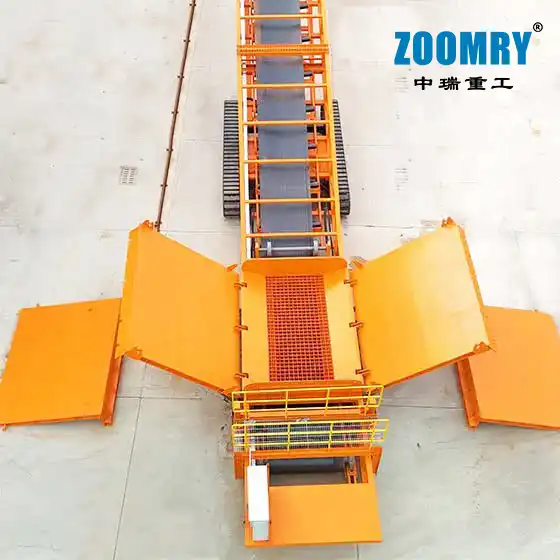
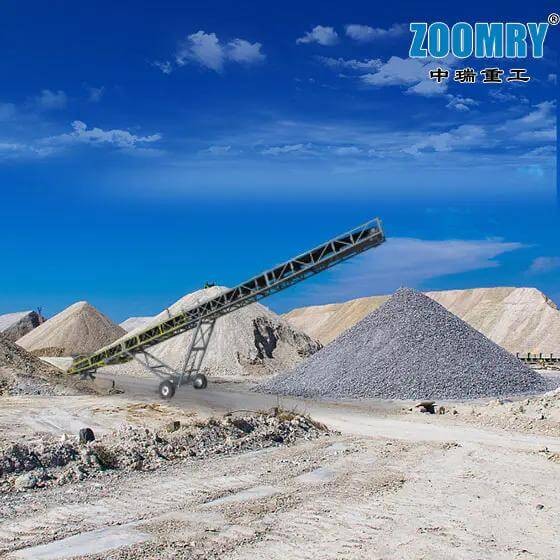
In bulk material handling, not every transfer route needs to be moved every shift. When a crusher-to-stockpile connection or plant transfer route is expected to remain stable for weeks or months, a semi-stationary grasshopper conveyor offers an alternative to both frequently repositioned portable units and permanently fixed conveyor galleries. The conveyor is installed along a planned route, operates continuously, and can still be relocated when quarry faces advance or process circuits are reconfigured.
ZOOMRY configures each semi-stationary conveyor around the specific transfer task: belt width and drive power are matched to material density and throughput, support and feed arrangements are selected for the terrain, and discharge height is set for the downstream receiving point. This project-specific approach avoids the compromise of applying a single standard design to routes with different lengths, lifts, and operating durations.
Semi-Stationary Grasshopper Conveyor — Extended-Duty Transfer Conveyor for Aggregate and Mining Operations
How It Fits into a Transfer Route
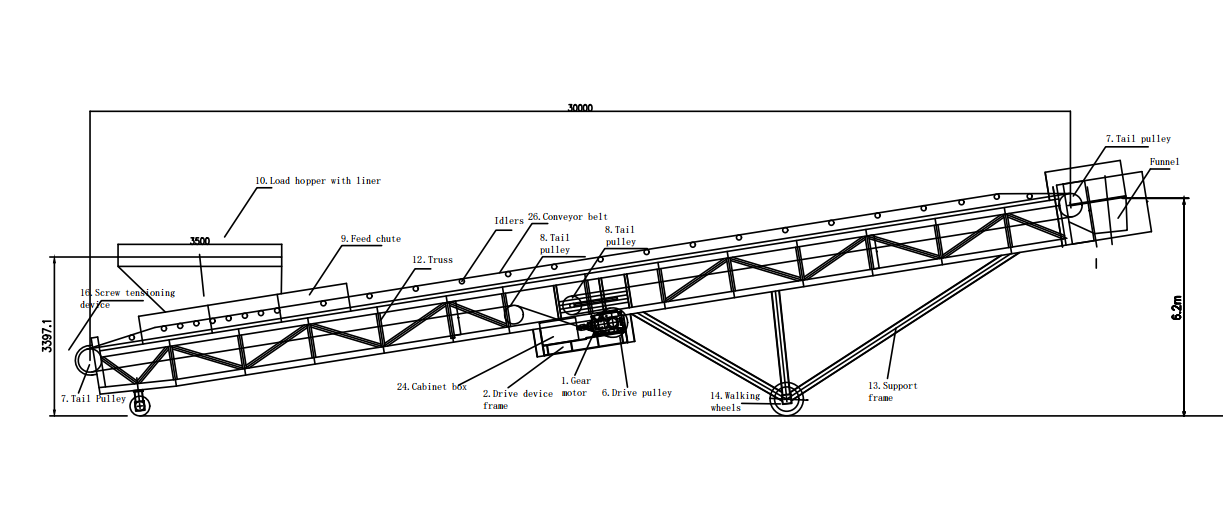
Semi-stationary grasshopper conveyors serve as intermediate transfer links within a multi-stage bulk handling circuit. Material enters the tail section from an upstream crusher, screen, hopper, or another conveyor, travels along the inclined conveyor, and discharges at the elevated head end onto a stockpile or into downstream equipment.
Compared with a standard portable grasshopper that is frequently repositioned between work areas, this configuration is intended for routes that remain stable for longer periods. When site layout or process flow changes, the conveyor can be relocated using suitable site equipment without permanent structural modification.
Key Features
- Modular Conveyor Structure: Welded angle and bolted connection design supports transport in sections and staged on-site assembly.
- Adjustable Discharge Height: Stack heights of 6.5 m or 8.0 m accommodate discharge into trucks, hoppers, or downstream conveyors.
- Extended-Duty Workstation Operation: Designed for stable continuous conveying along a planned route with less frequent relocation than standard portable units.
- Relocation Capability: The conveyor can be repositioned when process flow or site layout changes, subject to available handling equipment.
- Site-Specific Configuration: Belt width, drive power, support arrangement, and feed/discharge height are selected according to material, throughput, and terrain.
Technical Specifications
| Model | Capacity (t/h) | Length (m) | Installed Drive Power (kW) | Max Inclination (°) | Stack Height (m) | Belt Speed (m/s) |
|---|---|---|---|---|---|---|
| ZR65D | 200 | 20 / 25 | 18.5 | 18 | 6.5 / 8.0 | 2.0 |
| ZR80D | 300 | 20 / 25 | 22 | 18 | 6.5 / 8.0 | 2.0 |
| ZR100D | 400 | 20 / 25 | 30 | 18 | 6.5 / 8.0 | 2.5 |
| ZR120D | 550 | 20 / 25 | 37 | 18 | 6.5 / 8.0 | 2.5 |
Installed drive power varies with conveyor length, inclination, belt speed, material density, and operating environment. Capacity figures represent nominal design values and should be confirmed against the specific material and site conditions.
When to Choose This Configuration
- Stable Transfer Routes: Suitable for crusher-to-stockpile connections and plant transfer routes that remain unchanged for extended periods.
- Reduced Short-Haul Vehicle Dependency: A conveyor-based transfer arrangement can reduce reliance on loaders and haul trucks in suitable layouts.
- Less Civil Work Than Fixed Galleries: Compared with a permanent conveyor gallery, the modular arrangement can reduce permanent civil work, subject to site and foundation requirements.
- Redeployment Flexibility: Unlike a fully fixed conveyor, the unit can be relocated when quarry faces advance or processing circuits are reconfigured.
What Information Do We Need for Semi-Stationary Conveyor Selection?
- Material characteristics: Bulk density (t/m³), particle size distribution, moisture content, and material type.
- Required throughput: Target capacity in t/h, including any peak loading conditions.
- Transfer distance and discharge height: Horizontal distance between feed and discharge points, plus required stack height.
- Site conditions and expected duration: Ground bearing capacity, terrain, and how long the conveyor will remain at a single position.
- Existing equipment and electrical supply: Upstream feed source, downstream receiving equipment, transfer-point arrangement, and available power supply.
Video
Related Equipment
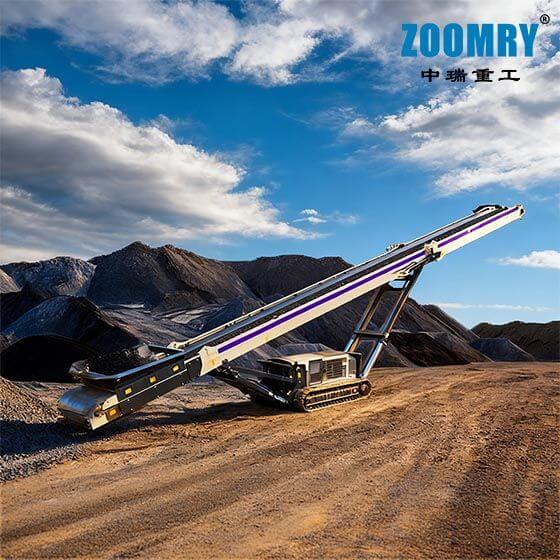
Standard portable transfer conveyor for frequent relocation between work areas.

Mobile transfer solution with front-wheel steering and rapid workstation changes.
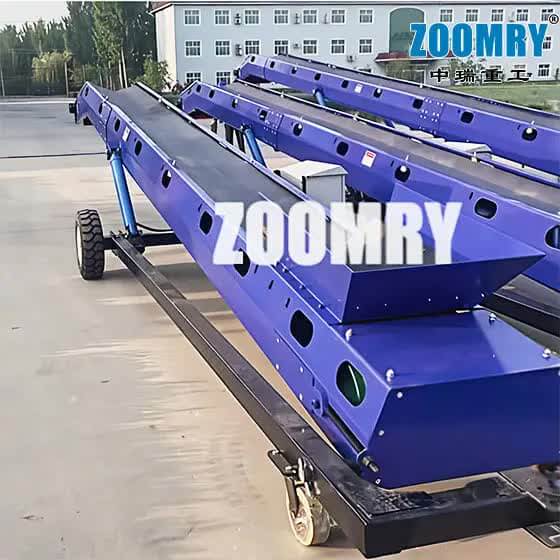
Radial stacking for stockyard material distribution up to 8 m height.
Industry Solutions
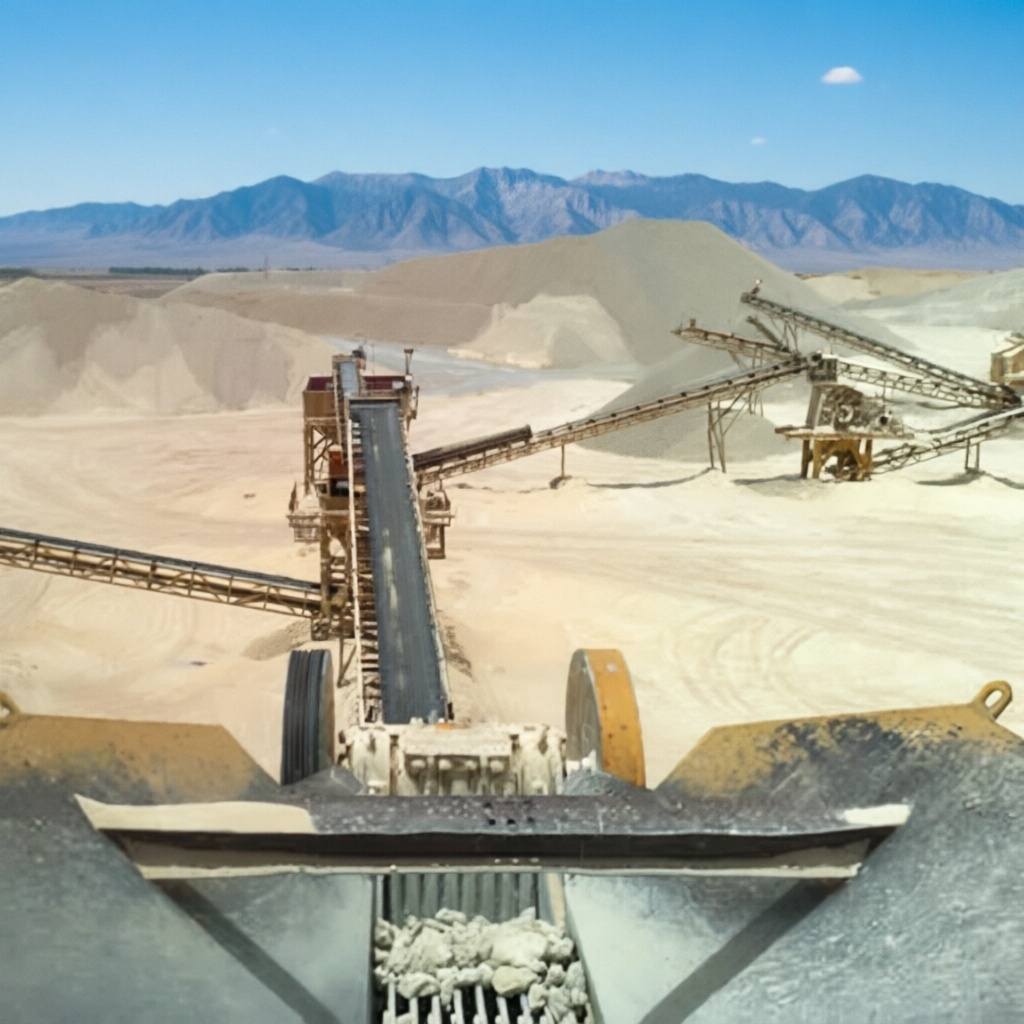
Semi-stationary conveyors for crusher-to-stockpile transfer in quarry operations.
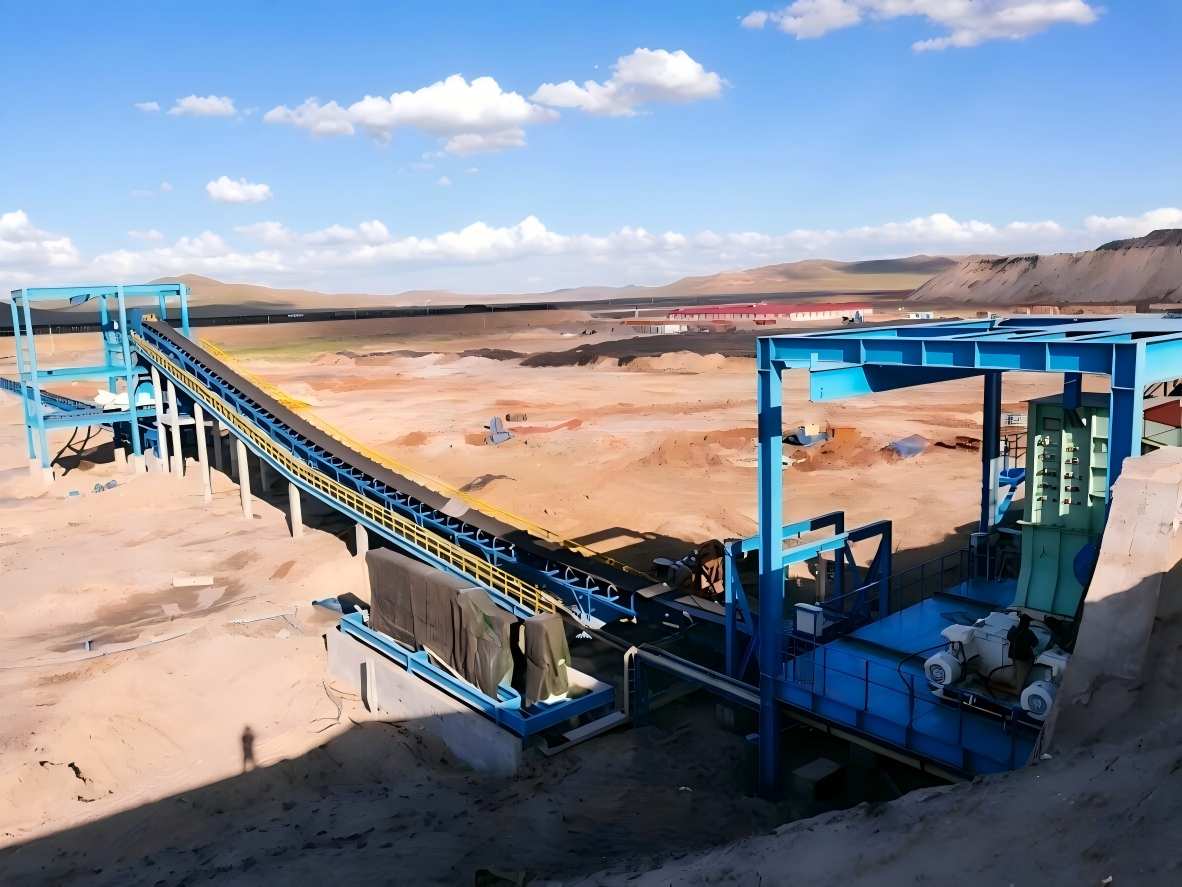
Extended-duty transfer conveyors for pit-to-plant material handling.
Need a Semi-Stationary Conveyor for Your Transfer Route?
Tell us your material type, throughput, transfer distance, and expected workstation duration — our engineers will recommend the right ZR model and configuration.
Request Semi-Stationary Conveyor Quote →