 ZOOMRY

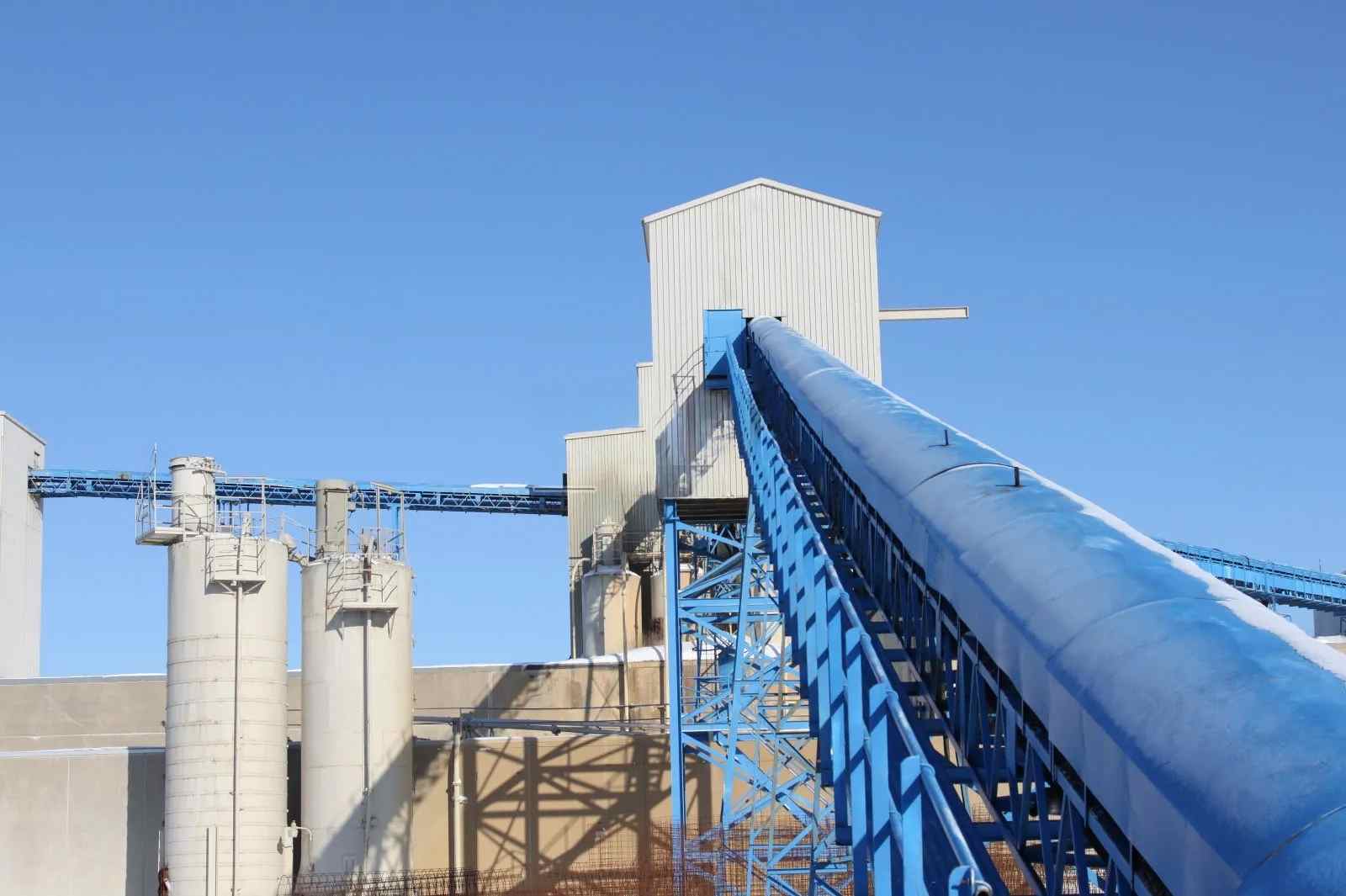
Pipe belt conveyors offer an enclosed, eco-friendly solution for moving bulk materials across mining, cement, and power industries. However, users often encounter several recurring issues. Here's a practical guide to diagnosing and fixing them, with proven technologies from ZOOMRY.
1. Poor Pipe Formation and Material Spillage
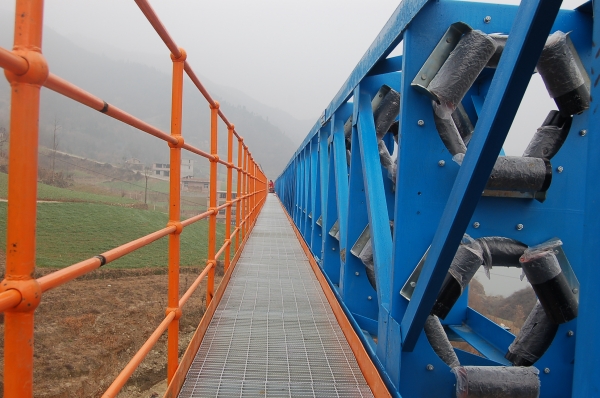
If the belt fails to form a tight circle, dust escapes and material leaks. Typical causes: incorrect idler angles or insufficient belt transverse stiffness. ZOOMRY's design uses finite element analysis to optimise idler arrangements, while the patented "Arc-Shaped Idler Set" (ZL202322371736.7) reduces pipe-forming resistance by 8–12%. For field checks, a dedicated laser-based roundness tool (ZL202320155485.6) helps maintenance crews quickly spot deviations.
2. Belt Deviation in Horizontal/Vertical Curves
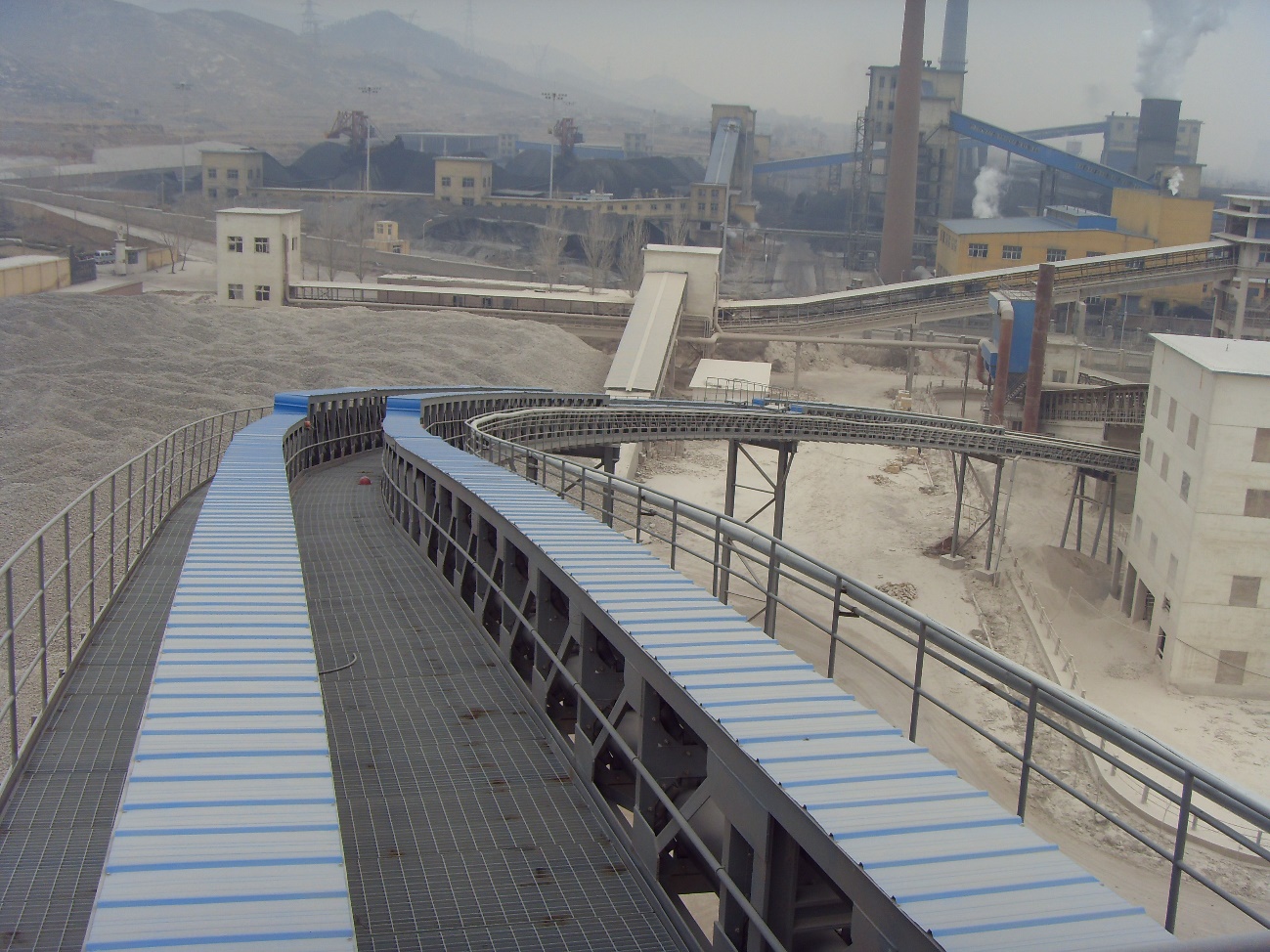
Centrifugal and lateral forces push the belt sideways, leading to edge damage and spillage. Conventional self-aligning idlers react too slowly. ZOOMRY's active "Belt Turning Correction Device" (invention patent ZL201611187798.0) uses real-time sensors and an electric actuator to adjust idler angles dynamically, keeping deviation within ±10 mm. In retrofitted projects, belt-related failures dropped by over 90%, and belt life increased significantly.
3. Material Accumulation at the Tail End
Residual material builds up at the discharge zone, causing belt abrasion and idler blockage. ZOOMRY's "Tail Material Lifting Device" (ZL202321544225.4) automatically collects leftovers and elevates them back to the main belt conveyor. Recovery rate exceeds 95%, while manual cleaning is reduced by 80%. For dust from carryback on the return belt, a water-spray system under the belt (ZL202221313990.0) can be added to suppress dust and save product.
4. Higher-Than-Expected Energy Consumption
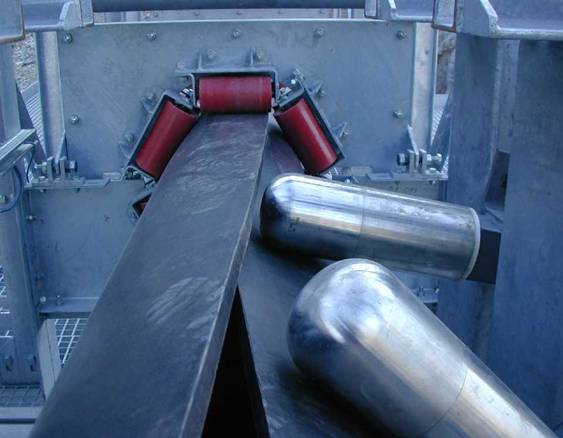
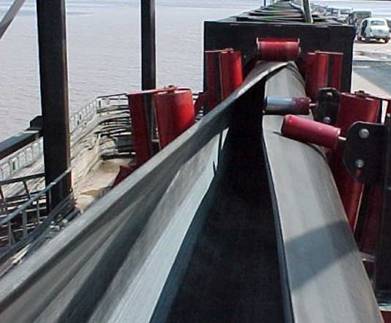
Excessive energy often comes from high idler rolling resistance or friction in bends. ZOOMRY idlers are tested per MT821-2006 with rolling resistance ≤2.5 N. The arc idler set also reduces indentation resistance, delivering 8–12% energy savings compared to conventional designs. Regular random testing of idler resistance is recommended; replace any with abnormal friction.
With provincial scientific achievements, dozens of patents, and MA/KA safety certificates, ZOOMRY has successfully installed over 2,000 pipe conveyor systems across 70+ countries. Whether you need a single belt or a complete EPC package, reliable solutions are ready.

Industries Where Pipe Belt Conveyors Are Widely Used
| Industry | Typical Materials Conveyed |
|---|---|
| Mining | Coal, Iron Ore, Copper Ore, Bauxite, etc. |
| Cement & Lime | Limestone, Clinker, Gypsum, Fly Ash |
| Ports & Terminals | Coal, Grain, Fertilizers, Minerals |
| Power Plants | Coal, Biomass, Ash |
| Chemical & Fertilizer | Potash, Phosphates, Urea, Salt |
| Paper & Pulp | Wood Chips, Bark, Pulp |
Materials That Can Be Handled by Pipe Belt Conveyors
| Material Category | Examples |
|---|---|
| Aggregates & Sand | Gravel, Crushed Stone, Sand, Clinker |
| Coal & Coke | Bituminous Coal, Anthracite, Petroleum Coke |
| Ores & Minerals | Iron Ore, Copper Ore, Bauxite, Limestone |
| Grains & Agricultural Products | Wheat, Corn, Soybeans, Rice, Fertilizers |
| Powdery Materials | Cement, Fly Ash, Lime Powder, Talc |
| Recycling & Waste | Sludge, Glass Cullet, Shredded Tires |
Related Industry Solutions
Need a Quote or Technical Advice?
Contact our engineers today for a customized pipe conveyor solution.
Request a Quote