 ZOOMRY

In mining operations, conveyor rollers and idlers face the harshest conditions in bulk material handling — abrasive ores, 24/7 operation, extreme dust, and heavy impact loads. A single seized roller on a mine conveyor can grind a flat spot into a belt worth $40,000 in a matter of hours. According to CEMA data, roller and idler failures account for over 60% of conveyor downtime in mining applications. This guide covers how to select, configure, and maintain mining conveyor rollers and idlers for maximum service life in iron ore, copper, coal, and gold operations.
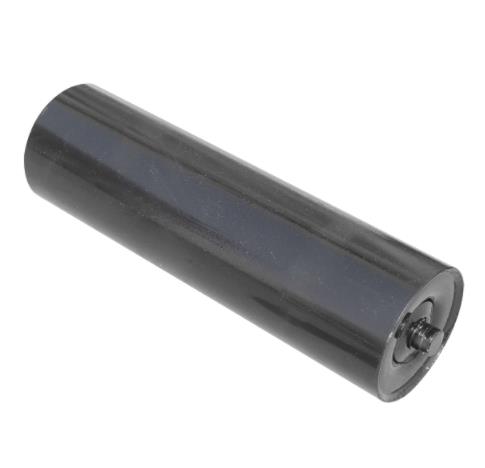
Why Mining Conveyor Rollers Fail — and How to Prevent It
Mining conveyors operate in an environment that attacks rollers from every angle. Understanding the failure mechanisms is the first step in preventing them:
- Abrasive wear: Iron ore and copper concentrate particles embed into the roller shell surface, creating micro-grooves that accelerate wear. Standard Q235 steel rollers may last only 8,000–12,000 hours in these conditions — less than half their rated service life in non-abrasive applications.
- Bearing contamination: Mine dust — particularly fine coal dust and mineral fines — penetrates seal systems over time. Once inside the bearing housing, it mixes with grease to form an abrasive paste that destroys bearing races within weeks. Bearing failure accounts for 62% of all roller replacements in mining.
- Impact damage: At crusher discharge points and transfer stations, rollers absorb the full force of falling material. Without proper impact protection, roller shells dent and crack, creating stress concentrations that lead to catastrophic failure.
- Corrosion: Many metal ores — particularly copper and nickel — are processed with water and chemicals that create acidic, corrosive environments. Rollers operating in pH 3.5–5.0 conditions without corrosion protection can lose 0.2–0.5mm of shell thickness annually.
- Belt misalignment: Off-center loading at mine transfer points creates uneven forces on carrying idlers, causing bearing overload and premature failure on one side of the idler set.
Roller Shell Material Selection for Mining
The roller shell is the first line of defense. Material selection directly determines service life in abrasive mining environments:
| Material | Best For | Service Life (Mining) | Limitations |
|---|---|---|---|
| Q235 Carbon Steel | Coal, soft ores, general conveying | 15,000–25,000 hours | Poor corrosion resistance; not for acidic conditions |
| Mn13 Manganese Steel | Iron ore, copper ore, gold ore | 30,000–50,000 hours | Higher cost; work-hardens under impact |
| HDPE (Polyethylene) | Copper, nickel, corrosive ores | 40,000+ hours | Lower impact resistance; max 80°C operating temp |
| Ceramic-Coated Steel | Heavy abrasive ores, high-wear zones | 50,000+ hours | Highest cost; brittle under severe impact |
For iron ore and copper concentrate applications, ZOOMRY recommends Mn13 manganese steel rollers with minimum 4.5mm wall thickness. For nickel and copper operations with acidic process water, HDPE rollers eliminate corrosion concerns entirely while reducing belt cover wear by up to 30% compared to steel.
Idler Types: Matching the Right Configuration to Each Conveyor Zone
Different positions on a mine conveyor demand different idler types. Using a standard carrying idler in an impact zone is the most common and expensive configuration mistake in mining:
Carrying Idlers — The Load-Bearing Workhorses
Carrying idlers support the loaded belt and transported material. In mining, three-roll troughing sets at 35° or 45° angles are standard, with 45° troughing increasing capacity by approximately 25% compared to 35° for the same belt width. For iron ore with lump sizes up to 300mm, spacing should not exceed 1.0–1.2 meters on the carrying side. CEMA E rated idlers are specified for the heaviest mining applications with belt widths up to 96 inches.
Return Idlers — Preventing Belt Sag and Mistracking
Return idlers support the empty belt on its return path. In mining, spacing of 3.0 meters is standard for fabric belts; steel cord belts can extend to 5.0–6.0 meters. For sticky materials like wet coal or clay-bearing ores, rubber disc return rollers self-clean by flexing as they rotate, preventing material buildup that causes belt mistracking. Steel spiral return rollers provide an alternative for highly abrasive sticky materials where rubber discs would wear too quickly.
Impact Idlers — Protecting the Belt at Loading Zones
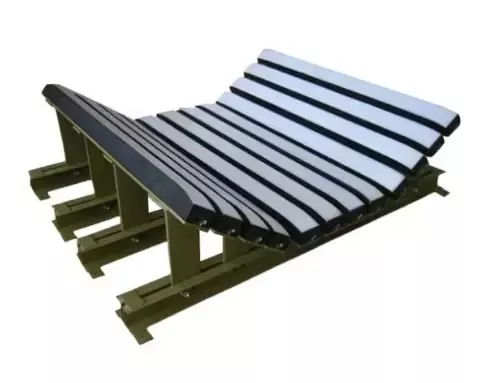
At crusher discharge and transfer points, falling material can generate impact forces exceeding 150kJ. Standard carrying idlers placed in these zones fail within weeks. Impact idlers with rubber cushion rings absorb up to 80% of impact energy, protecting both the belt and the idler bearings. ZOOMRY recommends impact idlers extending at least 1.2 meters before and after every loading point in mining applications, with spacing reduced to 300–450mm in the direct impact zone.
Self-Aligning Idlers — Automatic Belt Tracking
Self-aligning idlers pivot automatically to correct belt mistracking before it causes edge damage or spillage. On long-distance mine overland conveyors exceeding 3km, ZOOMRY recommends installing self-aligning idlers every 60–90 meters on both the carrying and return sides. These idlers reduce belt edge wear by up to 50% compared to fixed idler sets alone.
Sealing Systems: The Difference Between 15,000 and 50,000 Hours
In mining environments, the bearing seal is the critical component that determines whether a roller lasts 15,000 hours or 50,000 hours. The difference is in the sealing technology:
- Standard labyrinth seal (IP54): Adequate for clean, dry environments. In mining dust conditions, fine particles penetrate within 3,000–5,000 hours. Not recommended for ore handling.
- Triple-lip contact seal (IP66): Three successive sealing lips with grease-filled cavities create a progressive barrier. Tested to 20,000+ hours in coal dust environments with minimal bearing contamination.
- Labyrinth + contact seal combination (IP67): The gold standard for mining. A non-contact labyrinth acts as the primary barrier; contact seals with inert gas filling provide the secondary defense. ZOOMRY's IP67 sealed rollers have demonstrated 50,000+ hour service life in iron ore applications.
For wet processing areas — common in copper and gold operations — IP67 sealing with polyurea-thickened grease (service temperature -40°C to +180°C) is mandatory to prevent water ingress during washdown.
Quick Selection Reference by Ore Type
| Ore Type | Roller Shell | Seal Type | Carrying Idler Spacing | Special Consideration |
|---|---|---|---|---|
| Iron Ore | Mn13 steel, 4.5mm wall | IP67 labyrinth + contact | 1.0–1.2m | Impact idlers at all transfer points |
| Copper Ore | HDPE or Mn13 | IP67 with polyurea grease | 1.0–1.2m | Acidic process water requires corrosion resistance |
| Coal | Q235 steel, 3.5mm wall | IP66 triple-lip | 1.2–1.5m | Fire-resistant belts required in underground mines |
| Gold Ore | Mn13 steel, 4.0mm wall | IP67 labyrinth + contact | 1.0–1.2m | Cyanide processing areas require HDPE |
| Nickel Ore | HDPE | IP67 with polyurea grease | 1.0–1.2m | High corrosion risk from laterite processing |
Maintenance Practices That Extend Roller Life in Mines
Even the best-specified rollers require proper maintenance to reach their design life in mining conditions:
- Weekly acoustic inspection: Walk the conveyor with an ultrasonic listening device. A failing bearing produces a distinct high-frequency signature detectable 3–6 months before seizure. Replace rollers at the next scheduled shutdown — not during an emergency breakdown at 2 AM.
- Monthly vibration analysis: For critical overland conveyors, vibration sensors on idler bearings collect data for trend analysis. RMS velocity above 7.1 mm/s indicates early bearing degradation.
- Quarterly seal inspection: Check a sample of rollers in high-dust zones for seal integrity. Any visible grease leakage or dust ingress indicates seal failure — replace affected rollers immediately to prevent cascade failures.
- Annual lubrication: For rollers with regreaseable bearings, use only polyurea-thickened grease compatible with the original factory fill. Mixing incompatible greases is a leading cause of premature bearing failure.
- Impact zone monitoring: Inspect impact idler rubber rings monthly for cracking or excessive compression. Replace rings when compression exceeds 30% of original thickness.
Mining conveyor roller selection is ultimately a lifecycle cost calculation. A $25 Mn13 steel roller with IP67 sealing that lasts 50,000 hours in iron ore service costs $0.50 per thousand hours. A $15 standard roller that fails at 15,000 hours costs $1.00 per thousand hours — twice as much — before accounting for the downtime and belt damage from the premature failure. As a manufacturer with a 40,000m² production facility, ZOOMRY produces all mining conveyor rollers and idlers in-house with full-process quality testing, ensuring the specifications on the data sheet match the performance in the field. View ZOOMRY's mining conveyor EPC project cases to see roller specifications proven in iron ore, copper, coal, and gold operations worldwide.
Related Products
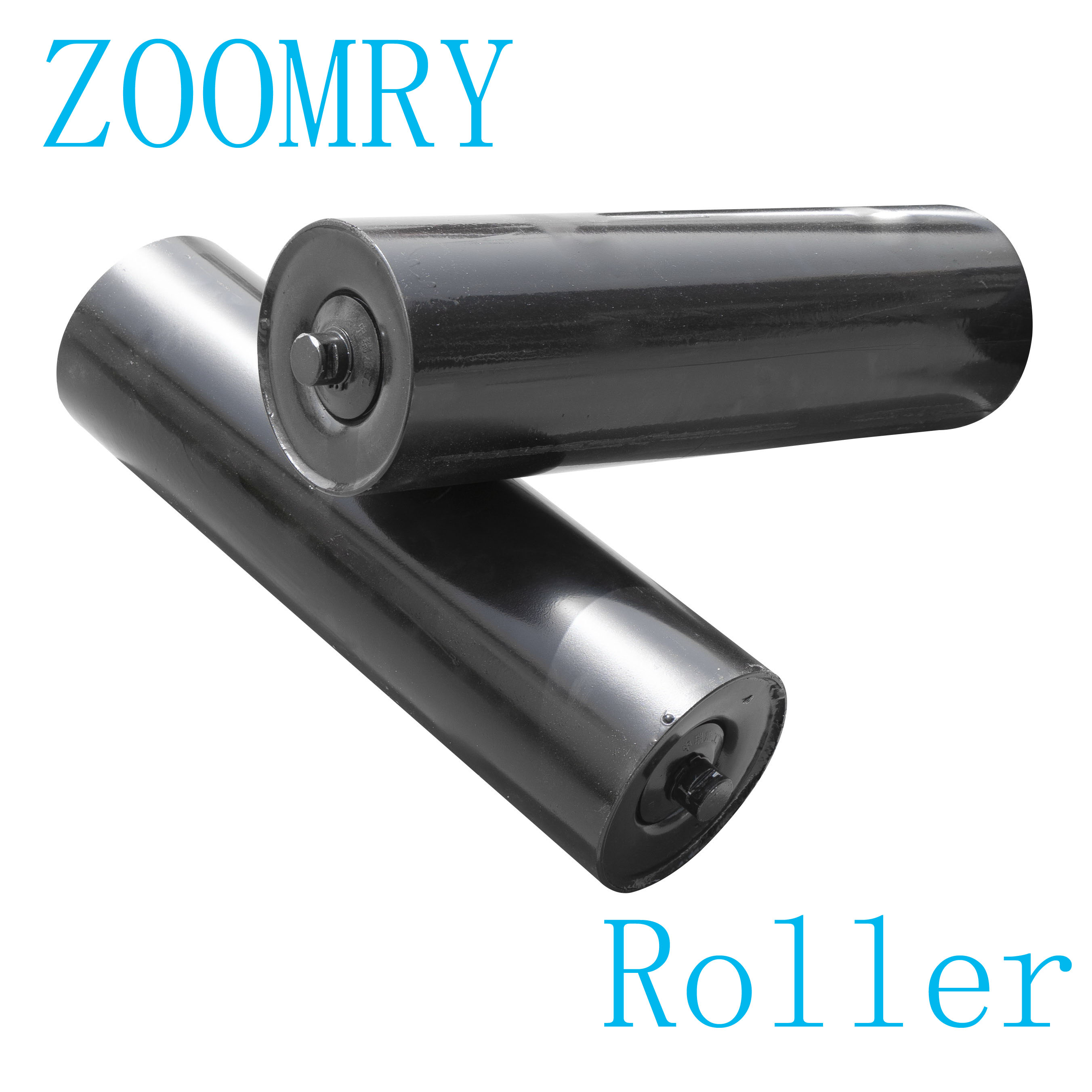
Steel, HDPE, and impact rollers — 50,000+ hour service life
CEMA B/C/D/E — 20°, 35°, 45° trough angles
Industry Applications
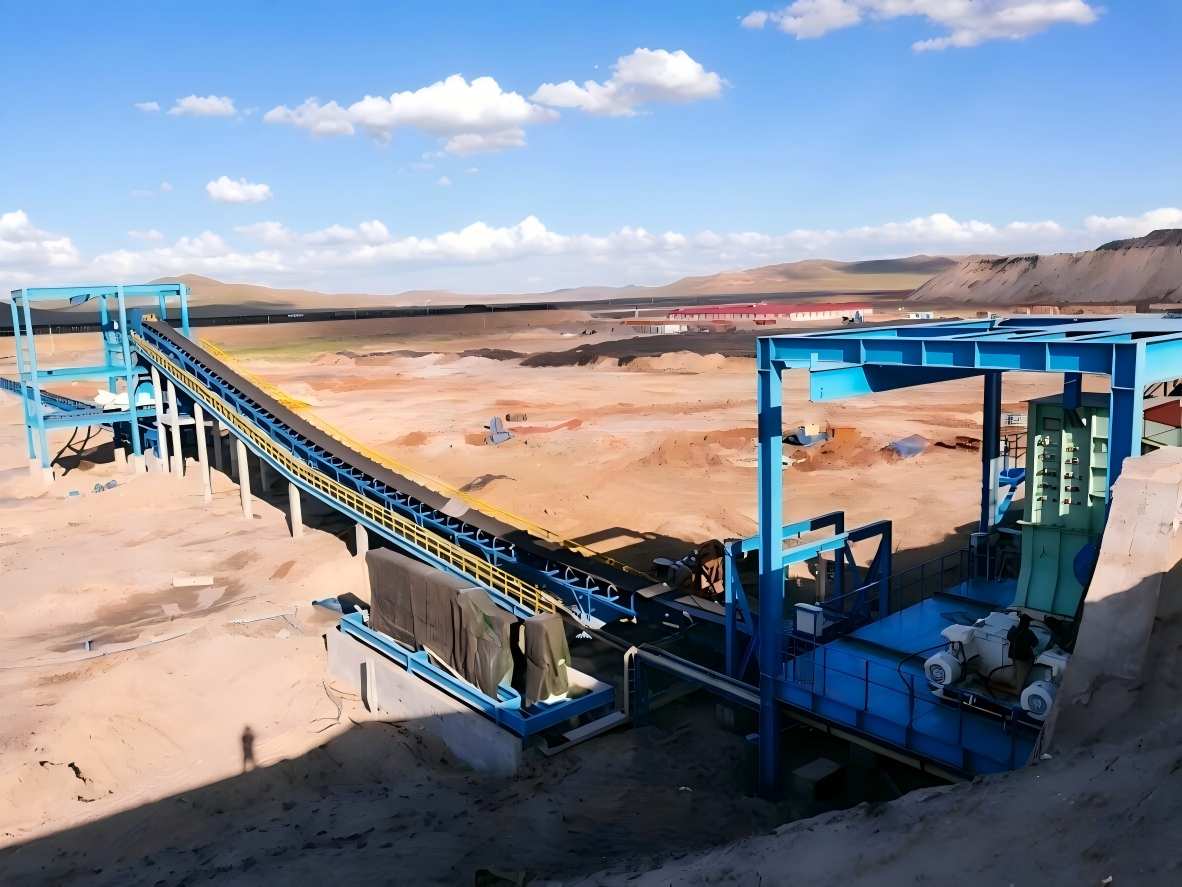
Heavy-duty rollers and idlers for ore and mineral conveyors
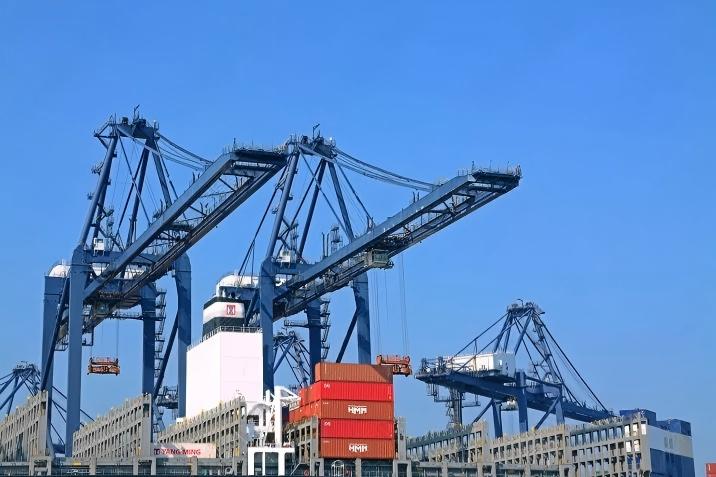
Corrosion-resistant rollers for port conveyor systems
Need Mining Conveyor Rollers for Your Operation?
Contact ZOOMRY for mining conveyor roller specifications, material selection guidance, and lifecycle cost analysis tailored to your ore type and operating conditions.
Contact Us →