 ZOOMRY

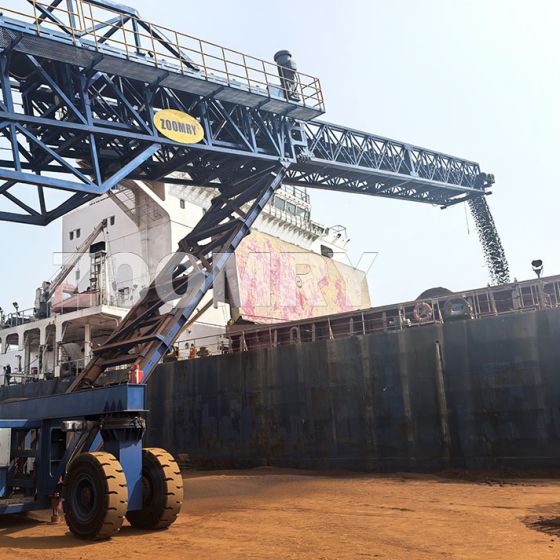
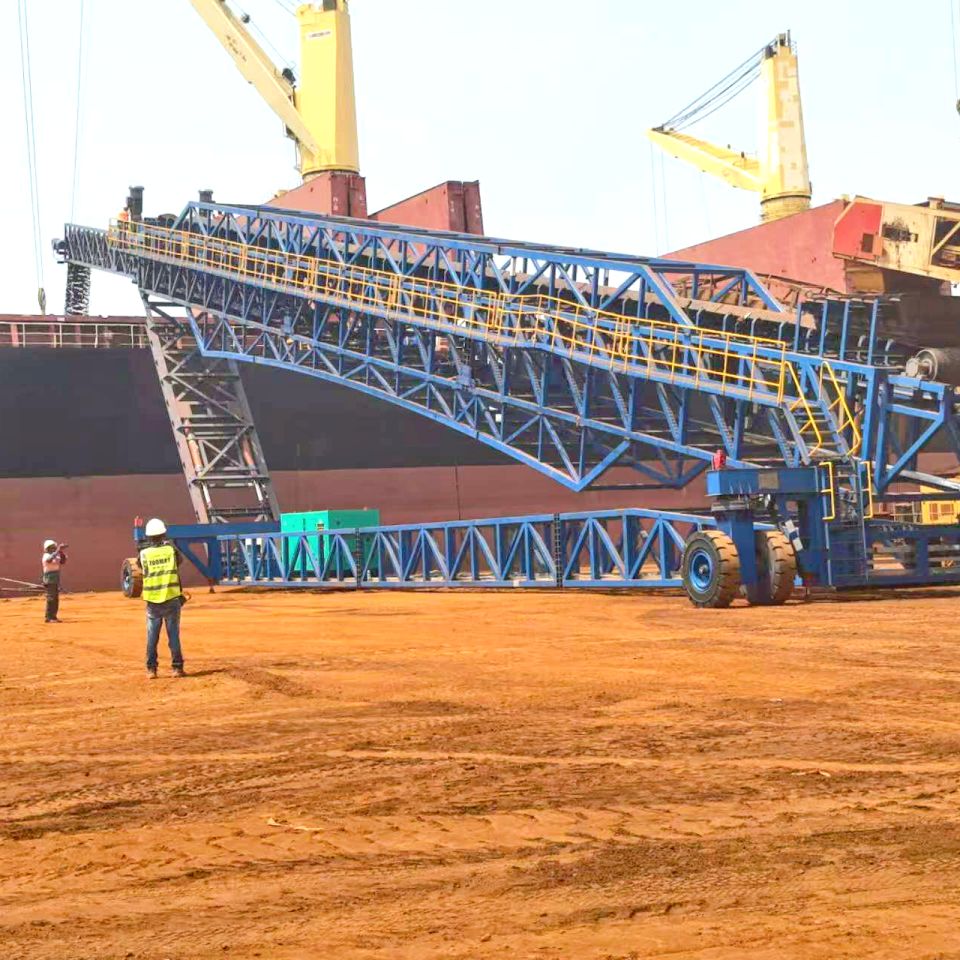
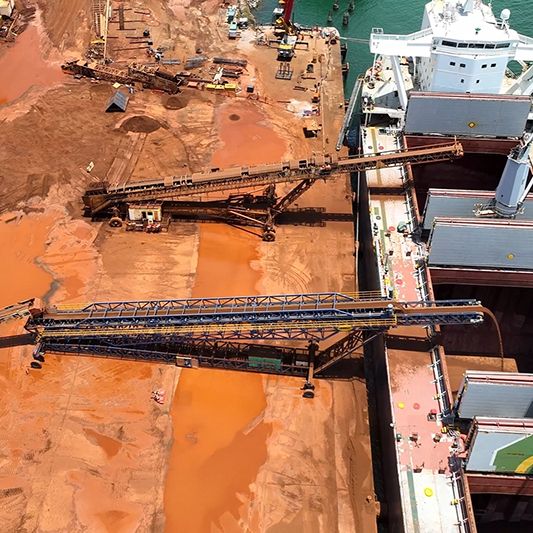
Summary: The traveling system of a mobile ship loader is subject to heavy loads, asymmetric forces, and harsh port environments. Common issues include wheel flange wear, jerky motion, brake slippage, and limit switch failure. This article shares proven solutions based on field experience.
1. Wheel Flange Wear / Rail Gnawing
Symptoms: Metal shavings near rails, sharpened wheel flanges, or even cracked wheel rims.
Root causes:
- Misaligned or uneven rails (height difference >3mm);
- Asynchronous drives on left and right legs;
- Deformed frame or stuck pivot joints;
- Incorrect wheel assembly clearance.
Prevention & solutions:
- Installation accuracy: Straightness ≤2mm per 10m, same-section height difference ≤3mm.
- Drive synchronization: Use encoders or laser distance sensors; adjust VFD parameters if speed deviation exceeds 0.5%.
- Structural alignment: Check frame diagonals every quarter; lubricate hinged joints; consider self-aligning bearings.
- Reference: In some projects, ZOOMRY has adopted independent VFD drives with electronic differential control and automatic rail cleaning, significantly reducing gnawing issues.
-
2. Abnormal Noise & Jerky Motion
Symptoms: Clicking or grinding sounds during travel, or sudden jerks at start/stop.
Root causes:
- Worn or poorly lubricated wheel bearings;
- Rail joint steps or excessive gaps;
- Worn gearbox teeth or incorrect backlash;
- Foreign objects jammed between wheel and rail.
Prevention & solutions:
- Lubrication: Grease wheel bearings monthly with high-temp lithium grease; check bearing temperature rise (<40°C).
- Rail maintenance: Grind weld joints smooth; keep gaps 1–2 mm; inspect with a straightedge regularly.
- Gearbox inspection: Open cover every six months; replace worn bearings; adjust backlash.
- Recommendation: Install vibration monitoring sensors on each bogie – when vibration amplitude exceeds a threshold, the system logs the location for quick diagnostics.
-
3. Brake Failure / Unintended Rolling (Creep)
Symptoms: Ship loader moves slowly after stop command, or cannot hold position in high winds – a serious safety hazard.
Root causes:
- Worn or oil-contaminated friction linings;
- Hydraulic brake system leakage or trapped air;
- Grooved brake disc/wheel surface;
- Rail clamp not engaged or insufficient clamping force.
Prevention & solutions:
- Daily check: Test brake action before operation; observe torque indicator.
- Lining replacement: Replace when thickness < 1/3 of original or every 2000 operating hours.
- Hydraulic maintenance: Check hoses for leaks; change hydraulic oil and bleed air every six months.
- Wind protection: Engage both rail clamps and wheel chocks when wind speed >20 m/s.
- Design approach: A redundant braking system (service brake + emergency safety brake) with smart wind-speed interlock greatly enhances safety.
-
4. Limit Switch Failure
Symptoms: Ship loader does not stop at rail ends, hits mechanical bumpers, or even derails.
Root causes:
- Mechanical limit switch stuck or broken wiring;
- Proximity sensor blinded by metallic dust or misaligned target;
- Limit dog displaced or buried by spilled material;
- PLC program losing limit signal due to noise.
Prevention & solutions:
- Redundant limits: Install at least one mechanical and one proximity limit per side, connected to different PLC input modules.
- Weekly test: Manually trigger each limit switch and verify PLC response and proper stopping.
- Dust protection: Enclose proximity sensors with transparent covers; blow clean with compressed air.
- Logic improvement: Add "limit interlock" – if both limits trigger simultaneously, raise an alarm and force deceleration.
- Field practice: ZOOMRY provides limit system fault simulation training during commissioning to help on-site teams quickly troubleshoot.
-
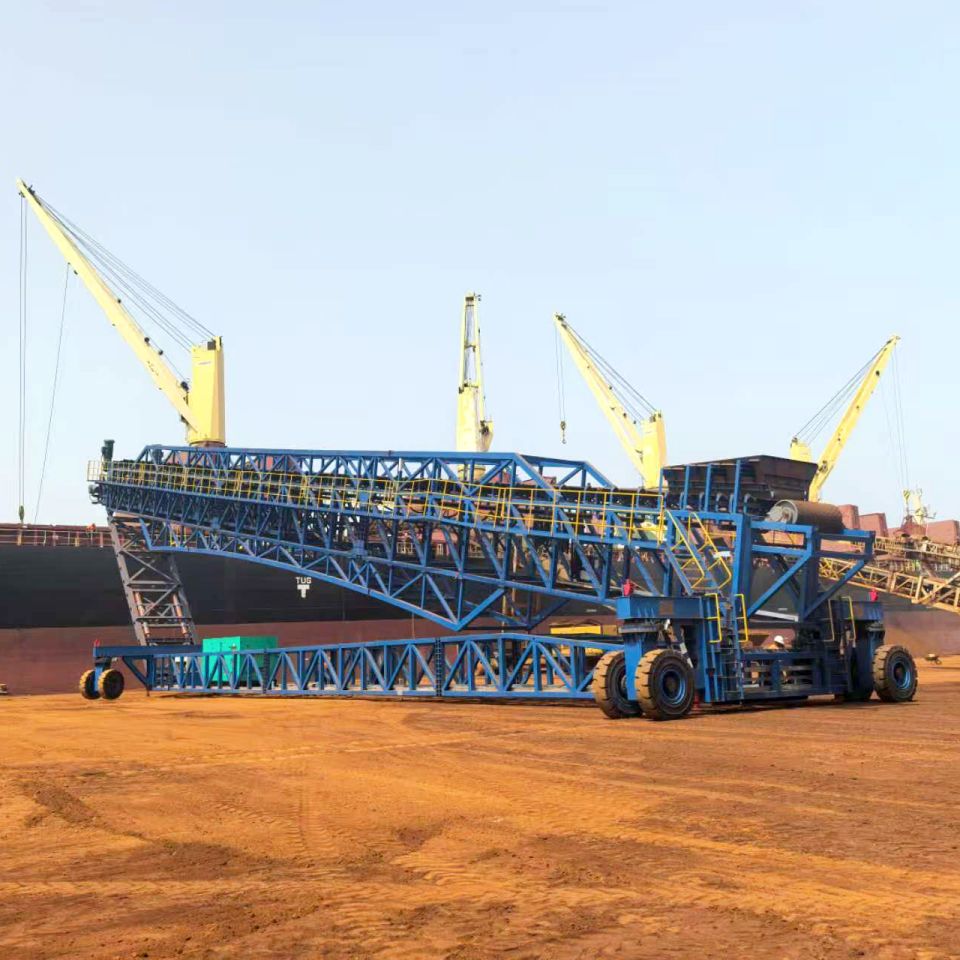
Conclusion: Reliable ship loader traveling mechanisms reduce downtime and prevent accidents. A combination of regular inspections, precision alignment, and advanced automation ensures long-term trouble-free operation.
Need a Quote or Technical Advice?
Contact our engineers today for a customized solution.
Request a Quote Chat on WhatsApp