 ZOOMRY

How a Steep Angle belt conveyor Works
A Steep angle belt conveyor is specifically engineered to transport bulk materials at extreme inclines — typically exceeding 30° and reaching up to 60° or more in specialized configurations. It achieves this by significantly increasing the friction or mechanical interlock between the material and the belt surface through the use of cleated belts, chevron patterns, corrugated sidewalls, or pocket belt designs. These features prevent material from sliding backward during steep-angle transport, ensuring stable and efficient operation.
The conveyor can be flexibly arranged according to production line requirements, with length customized based on site conditions. It overlaps with various crushing, screening, feeding, stacking, and reclaiming equipment on the production line, serving as a compact vertical lifting solution that occupies minimal floor space while maintaining high throughput.
System Configuration
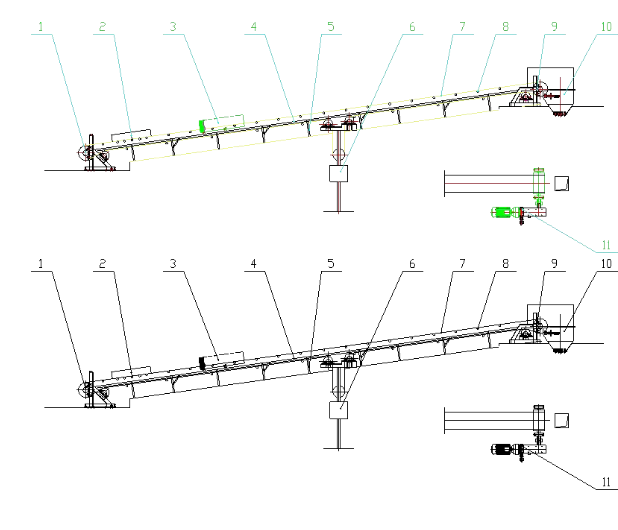
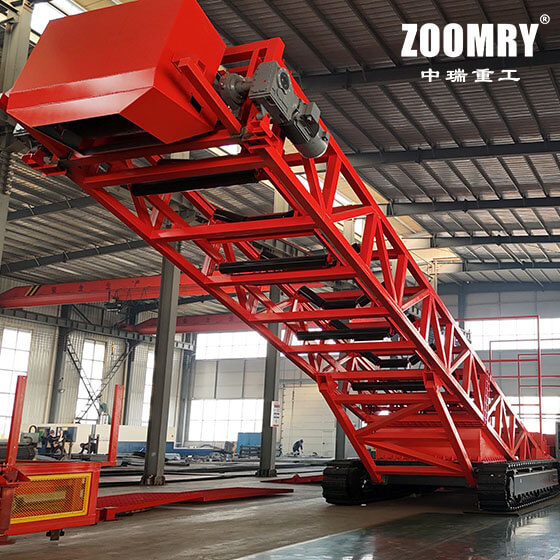
1 Tail pulley & frame | 2 Guide chute | 3 Rain Cover/Dust cover | 4 Middle rack stringer | 5 Outrigger
6 Tensioning device | 7 Belt | 8 Idler | 9 Head pulley & frame | 10 Hopper | 11 Drive system
Key Design Features
Extreme incline capability
The steep angle belt conveyor can transport bulk materials at angles far beyond the limits of conventional troughed conveyors (typically up to 60° with specialized designs), dramatically reducing the horizontal length required and solving conveying challenges that ordinary belt conveyors cannot address.
Specialized belting options
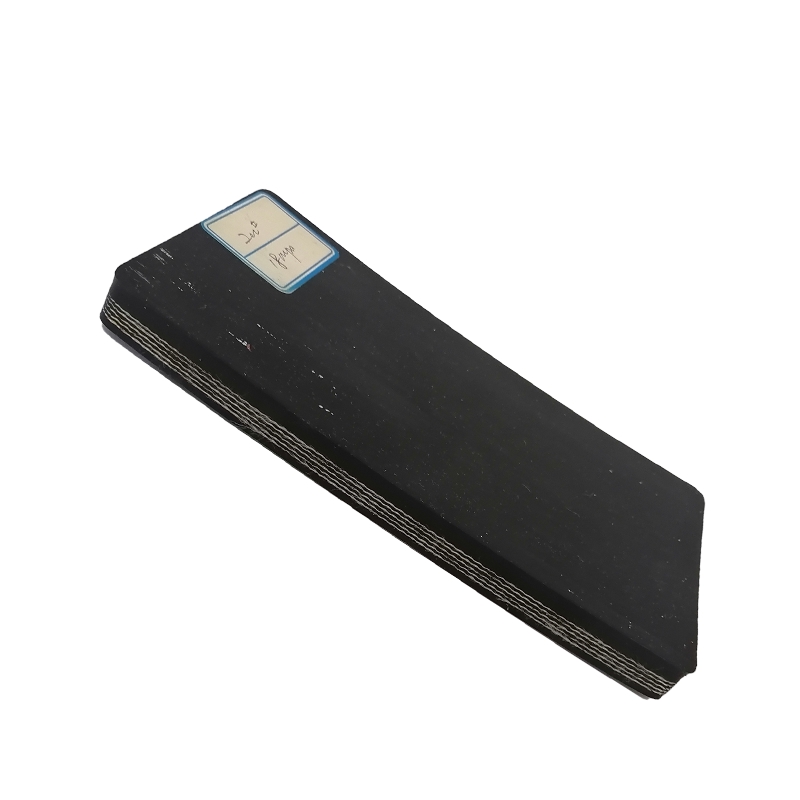
Multiple belt types are available depending on the angle and material characteristics: chevron belts (V-shaped patterns for moderate angles), cleated belts (vertical barriers for steeper angles), corrugated sidewall belts (with flexible sidewalls and cleats for extreme angles), and pocket belts (for the steepest applications).
Space-saving design
By conveying materials vertically or at steep angles, the system significantly reduces the horizontal footprint compared to traditional conveyors, making it ideal for confined plant layouts, retrofit projects, and sites with limited space.
Cost efficiency
Mechanized conveying reduces project investment costs by approximately 20% to 40% compared to combined systems using horizontal conveyors and bucket elevators or truck haulage on steep terrain.
High standardization & reliability
Simple structure, easy maintenance, and reliable operation. Components are interchangeable with standard conveyor systems, ensuring convenient spare parts availability.
Technical Reference Data
Typical industry reference values — actual specifications vary by application and material characteristics.
| Parameter | Range / Options | Notes |
| Belt Width | 800 / 914(36") / 1000 / 1200 / 1400 / 1600 mm | Custom widths available upon request |
| Conveyor Length | Up to 30 km (single flight with multiple drives) | Shorter lengths typical for steep incline sections |
| Inclination Angle | Standard: -30° to +30° / Special: Up to 60° | Angle depends on belt type and material properties |
| Capacity | 100 – 15,000 m³/h | Depends on belt speed, width, and material density |
| Belt Speed | 0.6 – 4.5 m/s | Lower speeds recommended for steep inclines |
| Max Particle Size | ≤ 300 mm | Larger lumps may require wider or slower belts |
| Pulley Diameter | 400 – 1800 mm | Larger diameters for higher tension belts |
| Idler Diameter | 89 – 219 mm | Heavy-duty rollers for demanding applications |
| Belt Type Options | Chevron / Cleated / Corrugated sidewall / Pocket | Selected based on angle and material characteristics |
| Standards Compliance | DTIIA, TD75, CEMA, DIN, ISO | Customizable per project requirement |
Key Advantages
1. Extreme angle capability
Conveys bulk materials at angles up to 60° with specialized designs, dramatically shortening the machine length and reducing space requirements — completely solving conveying angles that ordinary belt conveyors cannot achieve.
2. Cost efficiency
Mechanized conveying reduces project investment costs by approximately 20% to 40% compared to combined systems using horizontal conveyors and bucket elevators.
3. High standardization
Simple structure, easy maintenance, and reliable operation. Components are interchangeable with standard conveyor systems.
4. Versatile material handling
Suitable for a wide range of bulk materials including coal, ore, limestone, aggregates, and cement.
5. Flexible layout
Can be arranged in various configurations — straight, curved, or combined with other equipment — to match production line requirements. Can replace the combined unit of horizontal conveyor and bucket machine (two machines in one or three machines in one).
6. Long service life
High-strength belt construction and durable components ensure extended operational life with proper maintenance.
Optional Safety Components
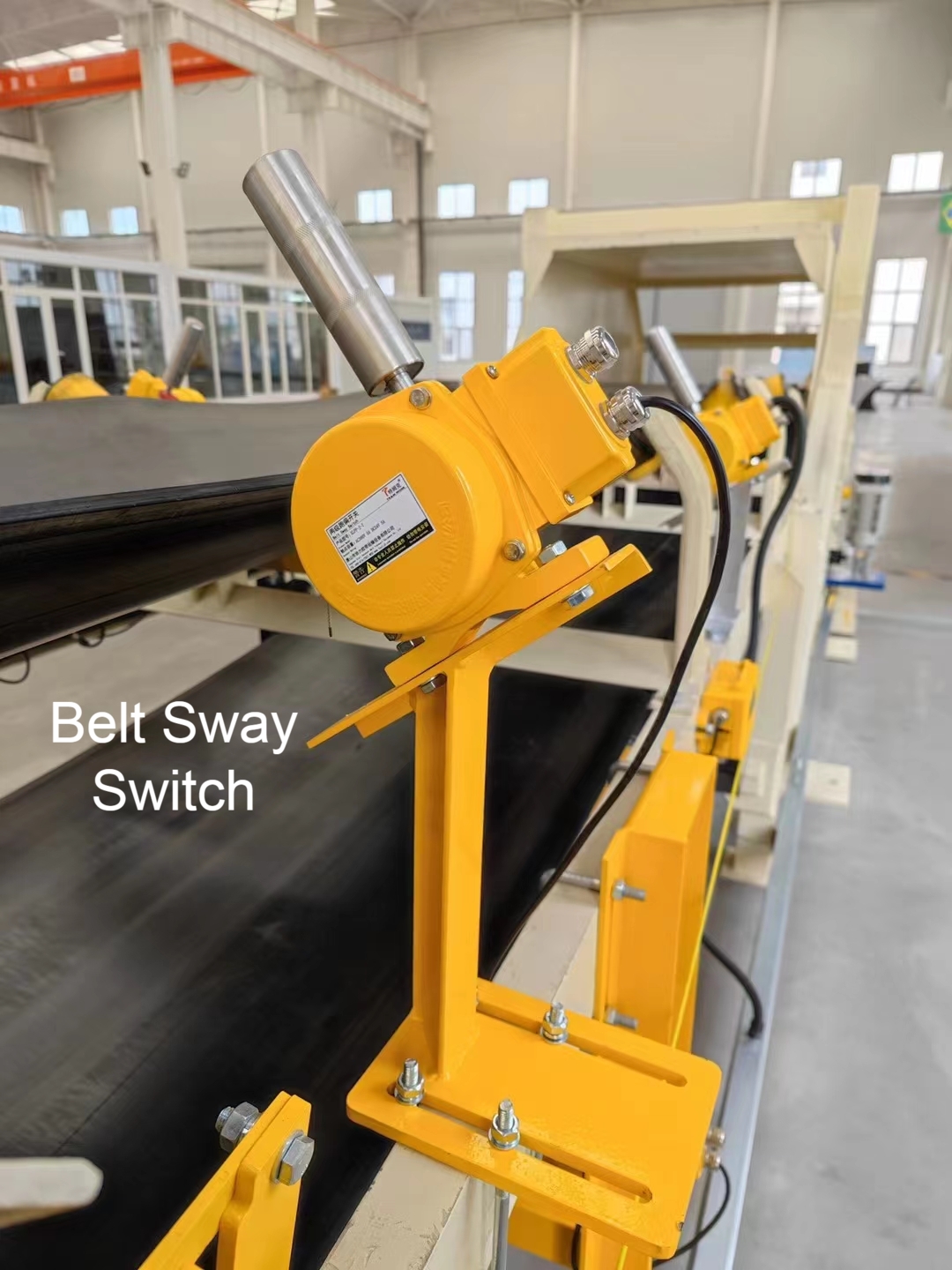
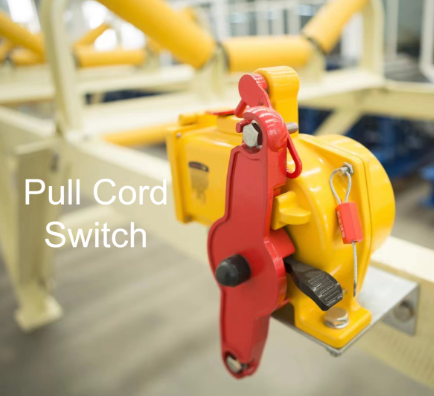
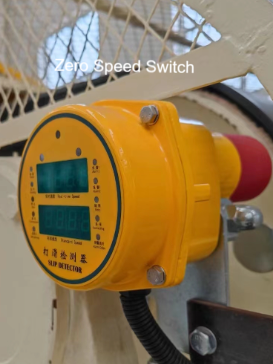
Belt Sway Switch
Detects belt deviation and triggers an alarm or system shutdown. Installed in pairs to prevent edge damage and safety hazards.
Pull Cord Switch
Emergency stop device activated by pulling a wire rope. Arranged along the entire conveyor length — available in single-sided or double-sided configurations.
Zero Speed Switch
Monitors belt or drum speed to detect slippage caused by overload, insufficient tension, or worn drive roller lagging.
About the Manufacturer
ZOOMRY has been engineering bulk material handling solutions since 2002, with a 40,000m² production facility and ISO 9001/14001-certified quality systems. The company's product range includes belt conveyors, long-distance curved conveyors, steep angle conveyors, stackers, ship loaders/unloaders, and related components. Export markets include Europe, the Americas, Southeast Asia, and South Africa.
Application & Project References
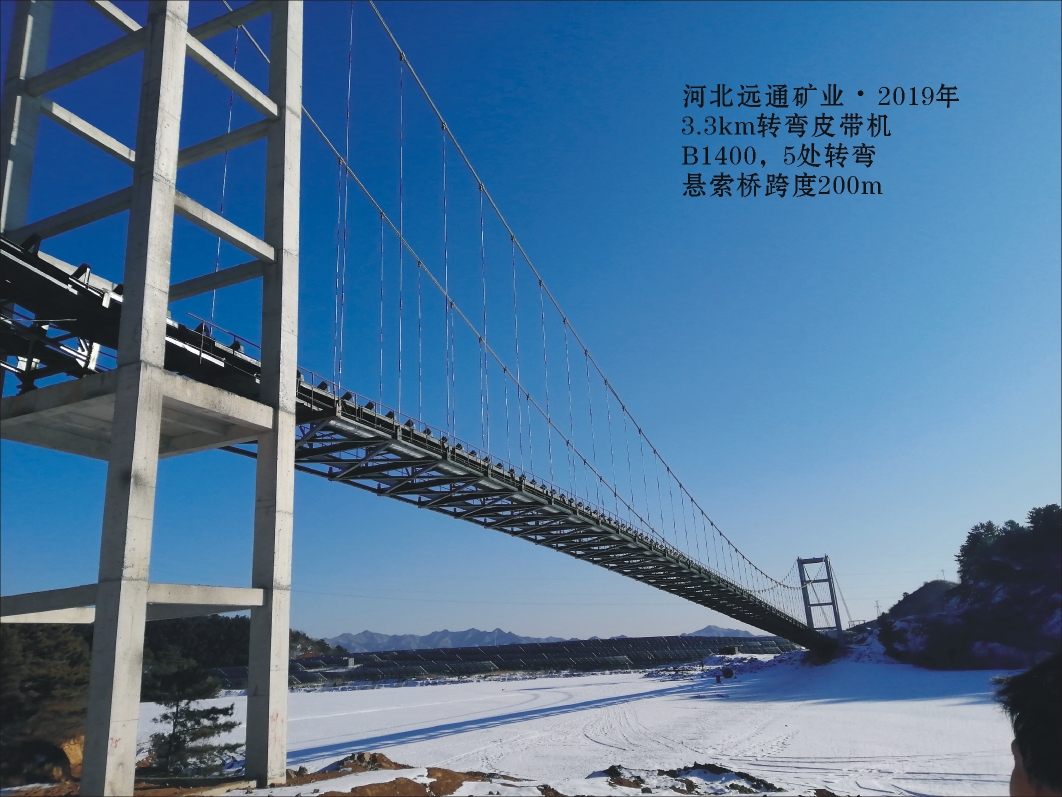
Case 1: Hebei Yuantong Mining (2019)
Length: 3.3 km | Belt width: 1,400 mm | Curves: 5 turns | Suspension bridge span: 200 m
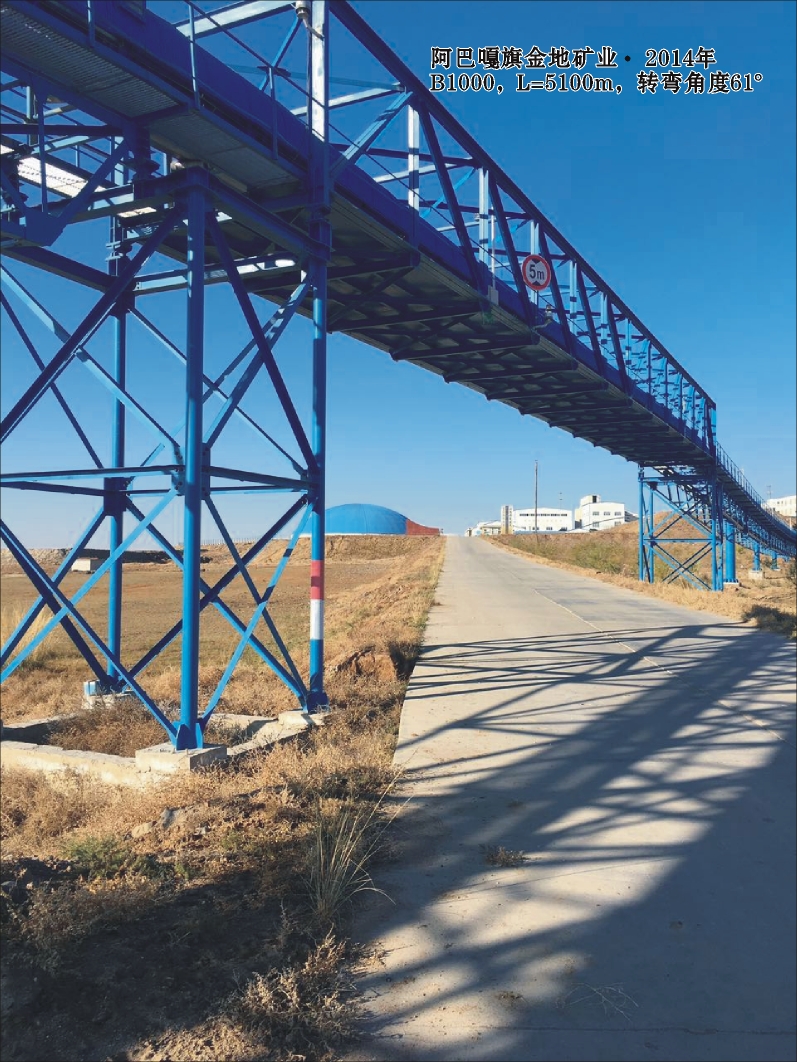
Case 2: Inner Mongolia Abaga Gold Mine (2014)
Length: 5,100 m | Belt width: 1,000 mm | Turning angle: 61°
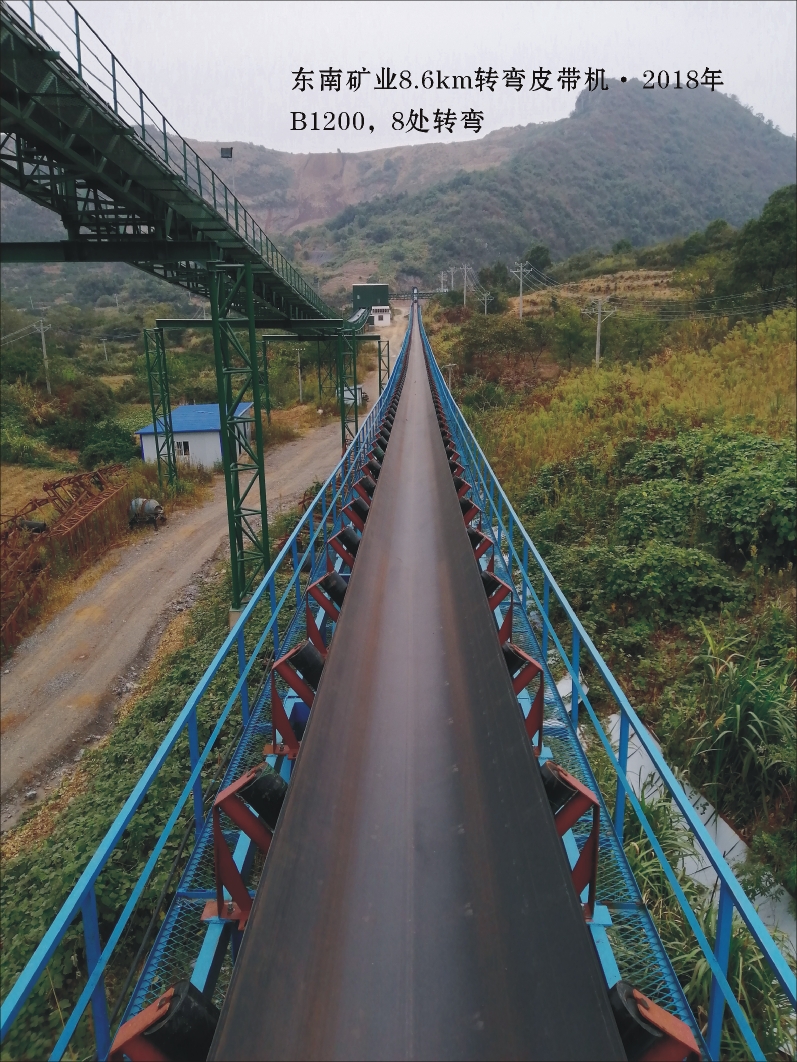
Case 3: Southeast Mining (2019)
Length: 8.6 km | Belt width: 1,200 mm | Curves: 8 turns | Suspension bridge span: 200 m
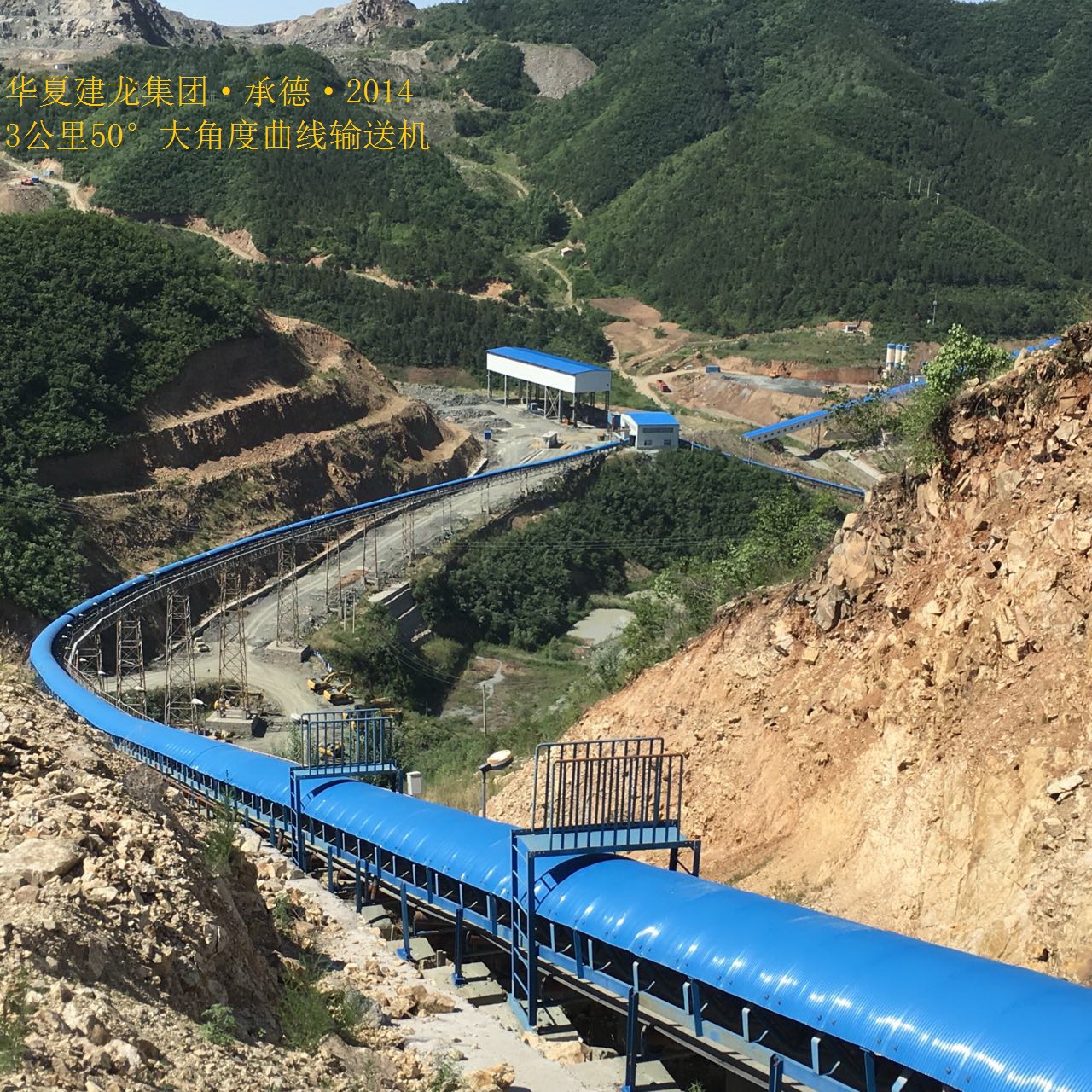
Case 4: Huaxia Jianlong Group (2014)
Length: 3 km | Belt width: 1,200 mm | Turning angle: 50°
After-Sales Support
- Installation guide and on-site technical support
- Complete drawings and instruction manuals
- On-site guidance by dispatched engineers
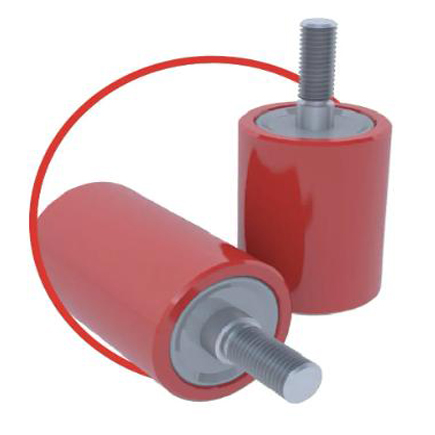
- 2-year warranty on the machine; 50,000-hour warranty on rollers
Frequently Asked Questions About Steep Angle Belt Conveyors
What is the maximum inclination angle for a steep angle belt conveyor?
With standard chevron or cleated belts, the maximum operating angle is typically 30°. With specialized designs — such as corrugated sidewall belts or pocket belts — angles up to 60° or more can be achieved. The actual angle depends on material characteristics and the specific belt type selected.
What types of belts are used for steep angle conveying?
Common options include: (1) chevron belts with raised V-shaped patterns for moderate angles, (2) cleated belts with vertical barriers for steeper inclines, (3) corrugated sidewall belts with flexible edges and integrated cleats for extreme angles, and (4) pocket belts for the steepest applications. Selection depends on the angle, material properties, and capacity requirements.
How does a steep angle conveyor prevent material from sliding back?
The specialized belt surface features physical barriers — chevron patterns, cleats, or sidewalls — that create mechanical interlock with the material. Combined with optimized belt tension and idler spacing, these features ensure stable material transport even at extreme angles.
What is the typical capacity range for a steep angle belt conveyor?
Capacities range from 100 m³/h to 15,000 m³/h, depending on belt width, speed, and material density. However, for very steep angles (>45°), the effective cross-section may be reduced, so capacity should be verified against the specific belt type and angle.
Can a steep angle conveyor be combined with curves?
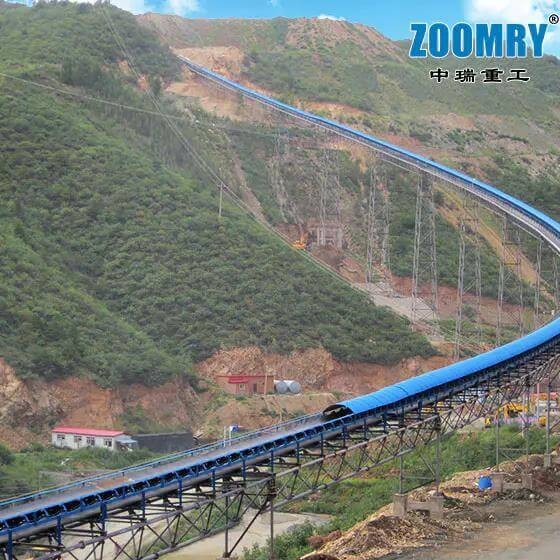
Yes. As shown in project references, steep angle belt conveyors can incorporate horizontal curves while maintaining steep inclines. This allows the system to follow terrain, avoid obstacles, and navigate complex site layouts — as demonstrated in projects with multiple turns and long suspension bridges.
What after-sales support does ZOOMRY provide for steep angle belt conveyors?
ZOOMRY offers comprehensive after-sales support including installation guidance, complete drawings and instruction manuals, on-site technical support by dispatched engineers, and a 2-year warranty on the machine with 50,000-hour warranty on rollers. Global service networks cover Europe, the Americas, Southeast Asia, and South Africa.
Video: Steep Angle Belt Conveyor System
On-Site Vulcanizing Service
For long-distance or heavy-duty steep angle conveyor installations, on-site belt vulcanizing is often required to ensure a seamless, durable splice. ZOOMRY supplies vulcanizing machines and offers on-site technical support. See our Conveyor Belt vulcanizing page for a detailed step-by-step guide.
Need a Reliable Steep Angle Belt Conveyor?
Contact ZOOMRY for tailored steep angle and high-incline conveyor solutions — for coal, ore, aggregates, and bulk materials in demanding terrain.
Contact Us Today