 ZOOMRY

Dust control in port bulk material handling is the combination of enclosed conveying, controlled transfer points, and loading practices used to reduce airborne particles during coal, grain, and mineral handling. For port operators and EPC contractors, dust emissions create compliance risk, accelerate equipment wear, and represent material loss. The right dust control strategy depends on cargo type, terminal layout, vessel size, and local environmental requirements.
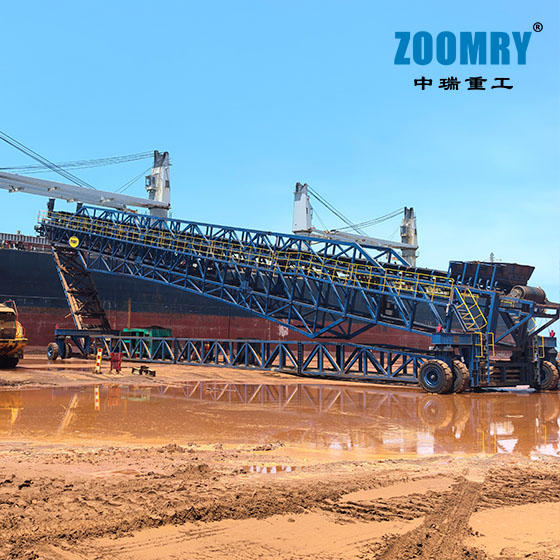
Common Dust Sources in Port Bulk Handling
Port bulk terminals handle materials that generate dust at multiple stages of the transfer chain. Identifying these sources is the first step in designing an effective control strategy.
Truck Unloading and Receiving
When dump trucks discharge coal, ore, or grain into a receiving hopper, the impact creates a surge of airborne dust. Open hoppers allow dust to escape in all directions, especially in windy quayside conditions.
Transfer Points Between Conveyors
Every point where material drops from one conveyor to another creates turbulence. Without containment and sealing, fine particles become airborne at each transfer tower along the conveying route.
Stockpile Stacking
Radial stackers and telescopic stackers that discharge material from height can generate dust plumes. The higher the free fall, the greater the dust release, particularly for dry and fine materials.
Ship Loading
Loading bulk carriers through open chutes or from elevated booms creates one of the most visible dust sources on a terminal. Wind exposure at the quay face makes this stage difficult to control without dedicated suppression or containment.
Enclosed Conveying Systems
For terminals handling fine or dusty materials over longer distances, enclosed conveying can form an important part of the dust-control strategy. A Pipe conveyor forms the belt into a tubular carrying shape, helping contain material and reduce wind exposure along the conveying route.
Compared with an open trough conveyor, a pipe conveyor can reduce fugitive dust and material spillage along the conveyor route. Dust control at loading, discharge, and any transfer interfaces still requires suitable chute design, sealing, and collection or suppression arrangements.
The enclosed carrying section helps protect material from wind exposure and external contamination. The practical effect of rain protection depends on the loading, discharge, and transition arrangements.
Pipe conveyors are suitable for coal, grain, cement, and fine mineral cargoes. Their ability to navigate horizontal and vertical curves also reduces the number of transfer towers, which are themselves dust sources. For port terminals with limited space or demanding environmental conditions, enclosed conveying is a core part of the dust control system.
Mobile Ship Loaders with Integrated Dust Suppression
Mobile ship loading equipment can be specified with integrated dust suppression to help control emissions at the vessel loading point. A mobile ship loader with enclosed discharge chutes and dust collection interfaces helps contain material as it drops into the ship hold.
The key design elements for dust-controlled ship loading include:
- Telescopic discharge chutes that minimize free-fall distance and reduce air entrainment
- Sealed transfer points along the loader boom
- Integrated water spray or dust collection connection points
- Controlled loading speeds matched to material characteristics
This flexibility can help operators position the loader to suit berth layout, vessel geometry, and prevailing site conditions. Final dust-control performance still depends on wind conditions, cargo properties, chute design, loading rate, and the available containment or collection system.
Truck Unloading Dust Control
The receiving area is where many port dust problems begin. A truck unloader with an enclosed receiving hopper, suitable skirting, dust curtains, or collection interfaces can help contain material and reduce fugitive dust at the discharge point.
Effective truck unloading dust control combines several elements:
- Enclosed hopper walls that confine the discharge area
- Grid or grizzly openings sized to the material to reduce splash
- Dust curtains or flexible seals around the truck discharge zone
- Connection to a downstream enclosed conveyor to avoid open transfers
For coal terminals, grain receiving stations, and mineral handling yards, the truck unloader serves as the first line of dust containment. By capturing dust at the receiving point, downstream equipment operates cleaner and can support improved housekeeping and air-quality management.
System Design Considerations
Dust control in port bulk handling is not solved by one piece of equipment. It requires a system-level approach that matches equipment selection to the cargo, vessel type, dock configuration, and local compliance requirements.
| Design Factor | Dust Control Implication |
|---|---|
| Cargo type | Fine, dry materials such as grain, cement, and coal fines require greater containment than coarse ores or aggregates |
| Vessel size | Larger vessels require longer loading reaches; telescopic chutes help maintain dust control across the hold |
| Quay layout | Open, windy quays favor enclosed conveying and sealed loading chutes |
| Existing infrastructure | Mobile equipment can be added without major civil works, while fixed enclosed systems require greater upfront investment |
| Environmental regulations | Terminals near urban areas or subject to strict air quality rules need more complete containment |
ZOOMRY has applied project-specific dust-control features in mobile ship-loading applications, including the Bintulu Port PKE/PKS loading system in Malaysia. The configuration includes a sliding canvas cover designed to protect material and help reduce dust exposure during loading. Final dust-control arrangements are selected according to cargo behavior, berth conditions, local environmental requirements, and the required loading rate.
Dust Suppression or Dust Collection?
Water-based suppression and dry dust collection serve different purposes. Water spray or mist can help control dust for materials that tolerate added moisture. For moisture-sensitive cargoes, or where water addition may affect product quality or downstream processing, enclosed transfer points with dust extraction or collection may be more suitable. The selected method should consider cargo moisture limits, particle size, flow rate, environmental requirements, and wastewater management.
For combustible-dust applications such as some grain and organic bulk materials, dust-control design should also consider applicable explosion-protection, grounding, ventilation, and site safety requirements.
Frequently Asked Questions
What is the most effective dust control method for port coal terminals?
For coal terminals, a combination of enclosed conveying from the receiving point to the quay, controlled transfer points, and ship loading equipment with telescopic discharge chutes can provide a comprehensive dust-control approach. Water spray systems provide supplementary control but are not a substitute for physical containment.
Can mobile ship loaders meet strict port environmental requirements?
Mobile ship loaders can be specified with enclosed discharge chutes, dust collection interfaces, and controlled loading features that support compliance with port environmental requirements. The ability to position the loader to suit berth and vessel conditions also helps reduce wind-related dust dispersion.
How do pipe conveyors help with dust control compared with open belt conveyors?
Pipe conveyors form the belt into an enclosed tubular carrying shape, helping reduce wind exposure, spillage, and fugitive dust along the conveying route. Loading and discharge zones still require suitable transfer-chute design, sealing, and dust-control measures because these interfaces can remain dust-generation points.
What should port operators look for in a truck unloading dust control system?
Key features can include an enclosed receiving hopper, appropriately sized grizzly or grid openings, skirting or dust curtains, controlled material flow, and a direct connection to an enclosed or well-sealed downstream conveyor. The final arrangement should account for truck geometry, unloading method, material characteristics, wind exposure, and available dust-collection infrastructure.
Port bulk material handling requires a structured approach to dust control that addresses every stage of the material transfer chain. Enclosed conveying, controlled ship loading, and enclosed truck receiving all contribute to compliance and cleaner terminal operation. For project-specific recommendations, compare pipe conveyor systems, mobile ship loaders, and truck unloaders configured for dust-controlled port operation.
Related Products
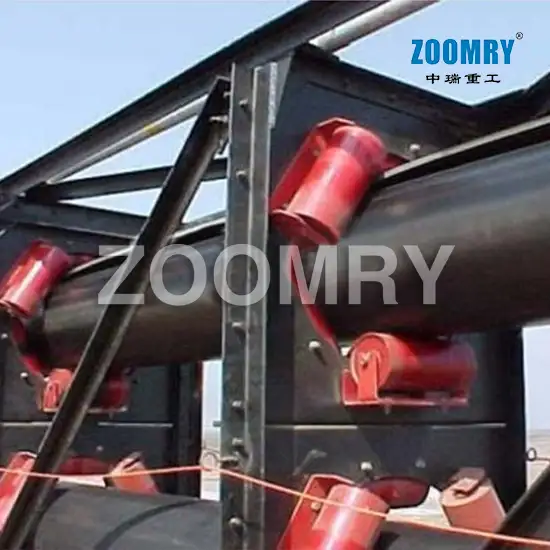
Enclosed tubular conveying designed to reduce dust exposure and material spillage
Dust suppression options for coal, grain, and mineral loading
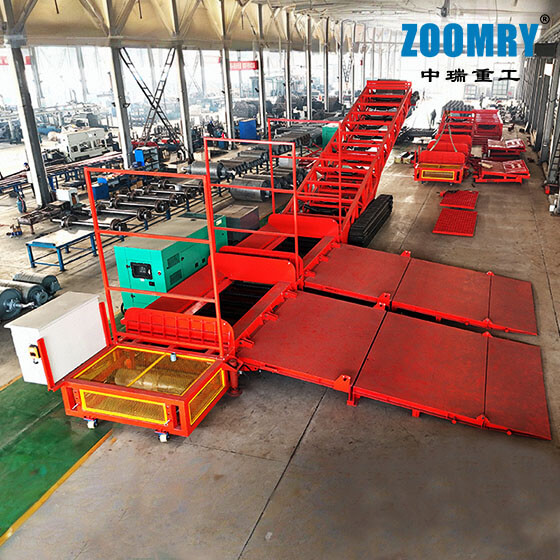
Drive-over hopper systems with dust-control options for bulk material receiving
Industry Applications
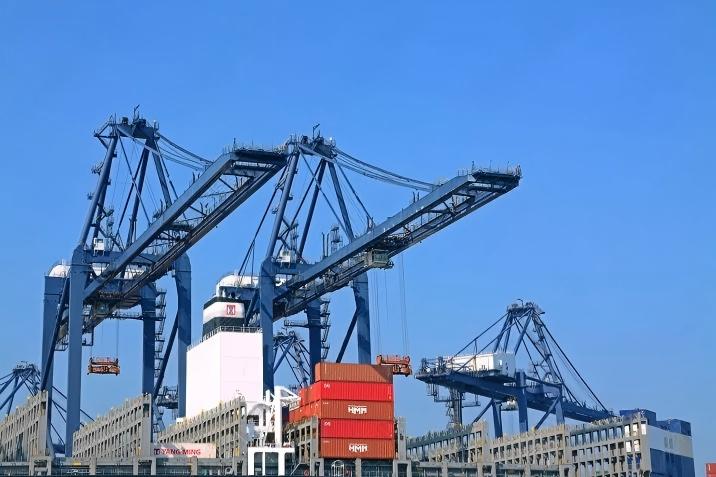
Dust-controlled bulk handling for terminal and quay operations

Enclosed coal conveying and loading solutions
Need a Dust Control Solution for Your Port Terminal?
Contact ZOOMRY for dust-controlled bulk handling recommendations based on your cargo type, terminal layout, vessel sizes, and environmental requirements.
Contact Us →