 ZOOMRY

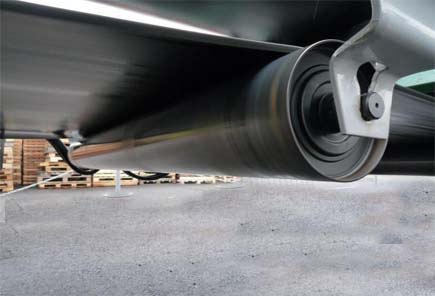
A return idler supports the empty belt on the return side of a belt conveyor after material has been discharged at the head pulley. Also called a return roller or return idler roller, this component keeps the return belt properly supported, helps maintain belt tracking, and reduces sag between idler stations. Selecting the right return idler type — flat, V-return, rubber disc, or spiral — depends on belt width, belt speed, material carryback tendency, and operating environment. This guide explains the main return idler types, their working roles, selection factors, and the differences between return idlers and carrying idlers. For project-specific configurations, the final idler arrangement should be confirmed against belt data, conveyed material, and conveyor operating conditions.
Technical note: This guide is prepared by the ZOOMRY conveyor engineering team and reflects common bulk-material-handling selection considerations.
What Is a Return Idler?
A return idler is an idler assembly installed on the return side of a belt conveyor to support the empty belt as it travels back from the discharge point to the loading point. On most conveyors, the return belt travels on the underside of the structure, and the return idlers are spaced at wider intervals than carrying idlers because the belt is not carrying material.
What Does a Return Idler Do?
Return idlers serve several functions beyond simple support. They help maintain belt alignment, reduce belt sag, and — in certain configurations — reduce material buildup that may transfer to the return side. The choice of return idler type directly affects return roller conveyor reliability and maintenance requirements.
Types of Return Idlers
Flat Return Idlers
Flat return idlers use a single horizontal roller to support the return belt across its full width. This is the standard configuration for most conveyors and provides uniform belt support with minimal complexity. Flat return idlers are available across CEMA B, C, D, and E ratings, with roller diameters from 4" to 7" depending on load class.
V-Return Idlers
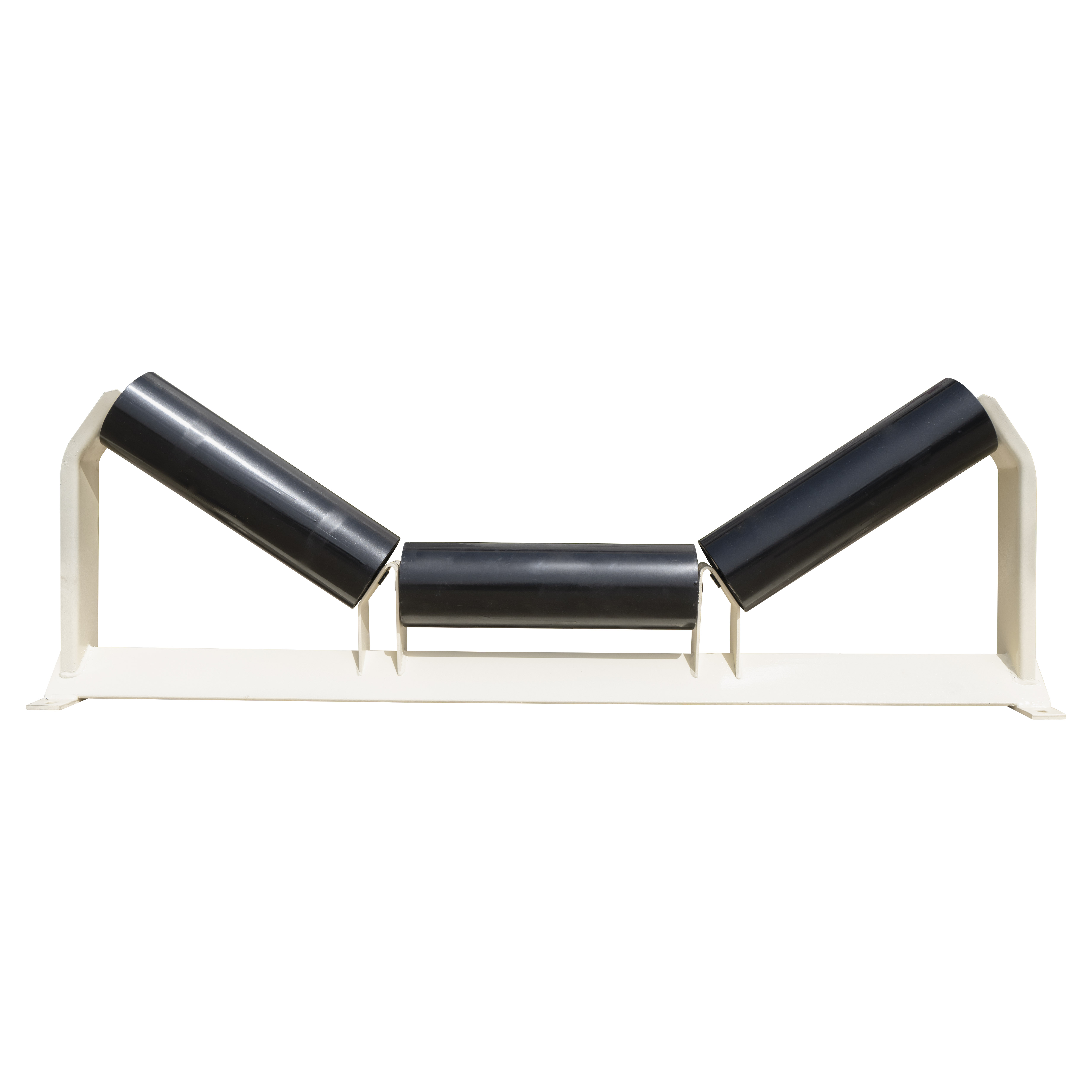
V-return idlers use two rollers arranged in a V shape to provide self-centering action on the return belt. The angled roller configuration helps keep the return belt tracking near the conveyor centerline, making them useful on long overland conveyors, reversible belts, and applications where return-side mistracking is a concern. V-return idlers are commonly specified in CEMA D and CEMA E classes for heavy-duty mining and bulk handling conveyors.
Rubber Disc Return Idlers
Rubber disc return idlers feature alternating rubber discs mounted along the roller surface. The discs create an uneven contact profile that helps dislodge sticky material carried back on the return belt, reducing buildup on the roller surface. They are commonly used in coal, clay, and overburden applications where material carryback is a known issue.
Steel Spiral Return Idlers
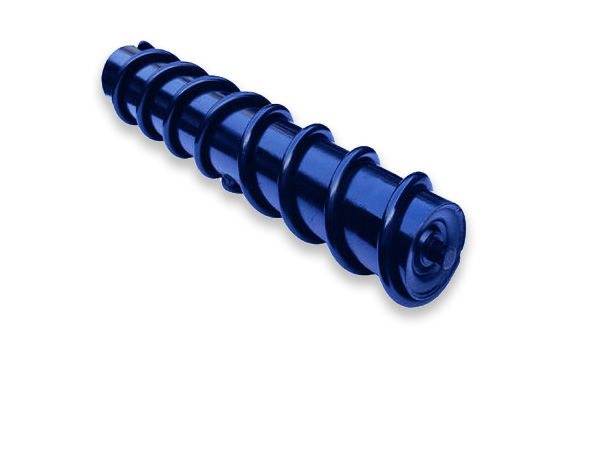
Spiral return idlers use a helically shaped roller surface to provide self-cleaning action. As the roller rotates, the spiral profile moves carryback away from the roller contact area and toward the roller ends, where it can fall away. This design is commonly used where wet or sticky material tends to build up on conventional flat return rollers.
Quick Selection Reference
| Site Condition | Idler Type Often Considered |
|---|---|
| Dry, clean return belt with normal operating conditions | Flat return idler |
| Return belt mistracking, long-distance or reversible conveyor | V-return idler |
| Sticky carryback or material residue on the return belt | Rubber disc return idler |
| Wet or adhesive material, visible roller buildup | Steel spiral return idler |
Note: This table provides general guidance only. Final selection should be confirmed based on belt load, belt speed, idler spacing, cleaner performance, installation space, and site operating conditions.
Return Idler vs Carrying Idler – Key Differences
| Factor | Carrying Idler | Return Idler |
|---|---|---|
| Position | Carrying side (loaded belt) | Return side (empty belt) |
| Load Condition | Belt weight + material load | Belt weight only |
| Typical Configuration | Troughing (2 or 3 rollers) | Flat, V-return, or self-cleaning design |
| Idler Spacing | Closer spacing, especially near loading zones | Wider spacing typically acceptable |
| Primary Duty | Support load, form trough profile | Support empty belt, aid tracking, reduce carryback buildup |
How to Select a Return Idler
- Belt width and CEMA class: Return idlers are selected according to belt width and the applicable CEMA load class, with roller diameter matched to the idler rating.
- Material carryback tendency: Sticky materials such as coal, clay, and overburden often require rubber disc or spiral return idlers to reduce roller buildup.
- Belt tracking behavior: V-return idlers provide self-centering action for conveyors with return-side mistracking concerns, including long overland and reversible systems.
- Operating environment: Wet, corrosive, or dusty conditions may require sealed bearings, appropriate roller materials, and specific frame coatings.
- Belt speed and tension: Higher belt speeds and tensions can affect idler spacing, roller construction, and bearing selection.
Common Return-Side Problems
Material Buildup on Rollers
Sticky carryback can accumulate on smooth roller shells, creating an uneven running surface. Depending on the location and severity of buildup, improved belt cleaning, rubber disc return idlers, or spiral return idlers may be considered.
Return Belt Mistracking
Return-side mistracking may result from uneven buildup, misaligned frames, damaged rollers, uneven belt tension, or off-center loading. V-return idlers can help in some installations, but alignment and root-cause inspection remain necessary.
Excessive Belt Sag
Excessive sag between return idlers can increase belt vibration and contact with conveyor structure. Idler spacing, belt tension, belt weight, and conveyor geometry should be reviewed together.
Related Return Idler Designs
Standard support for clean or low-carryback return belts
For applications where sticky carryback can build up on conventional roller shells
For wet or adhesive carryback concentrated along the return belt
Need Help Selecting a Return Idler?
Selection depends on belt width, return-side carryback, belt tracking behavior, operating environment, and conveyor duty. Share your conveyor details with ZOOMRY engineering for a project-specific recommendation.
Discuss Your Return Idler Application →