 ZOOMRY

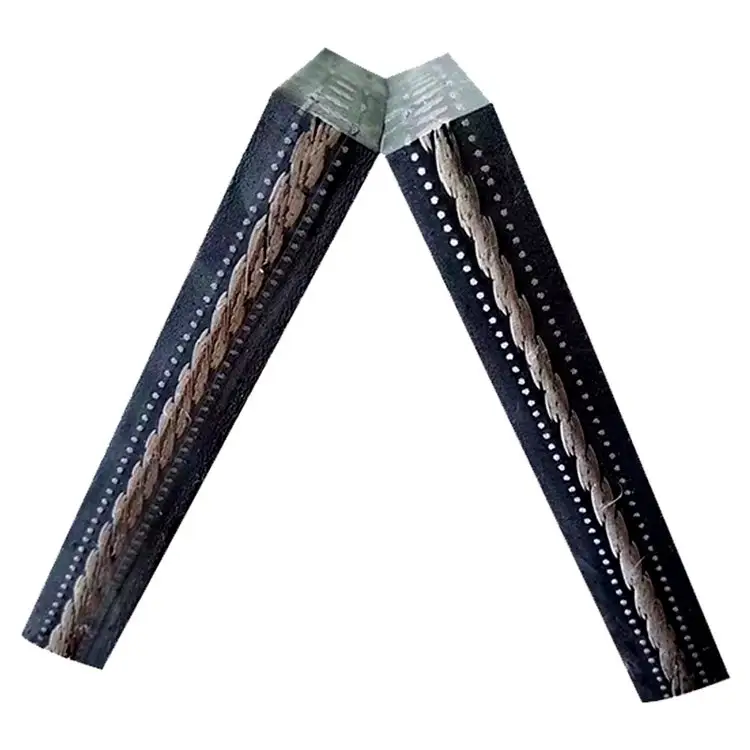
The difference between a steel cord Conveyor Belt and a fabric conveyor belt lies in the carcass material that provides the belt's tensile strength. A steel cord belt uses longitudinal steel cables embedded in rubber as its load-bearing core, delivering tensile strengths up to 4,000 N/mm for long-distance, high-tension conveying. A fabric belt uses multiple plies of synthetic fabric — typically EP polyester-nylon or NN nylon-nylon — bonded together with rubber, offering a more economical solution for moderate distances and loads. The choice between them is driven primarily by conveying distance, required tension, and total cost of ownership.
Core Structural Difference
A steel cord conveyor belt is constructed with a single layer of parallel steel cables running longitudinally through the belt, encased in a rubber matrix. The steel cords provide virtually all of the belt's tensile strength, while the rubber covers protect the cords from impact, abrasion, and environmental damage. This construction results in very low elongation — typically under 0.25% — which is critical for long conveyors where belt stretch would otherwise require excessive take-up travel.
A fabric conveyor belt is built from multiple plies of woven synthetic fabric, with rubber layers bonding the plies together. Common fabric types include EP (polyester warp with nylon weft) and NN (nylon in both directions). Fabric belts have higher elongation than steel cord belts — typically 1% to 3% depending on construction — but offer greater flexibility, better troughing characteristics, and simpler splicing.
Key Differences at a Glance
| Comparison Factor | Steel Cord Belt | Fabric Belt |
|---|---|---|
| Tensile strength | Up to 4,000 N/mm | Typically up to 500 N/mm per ply |
| Elongation | Very low, typically under 0.25% | Higher, typically 1–3% |
| Splicing method | Hot vulcanization, finger splicing of cords | Hot vulcanization or mechanical fasteners |
| Best distance range | Long-distance, over 1 km single flight | Short to medium distance, under 1 km |
| Troughing flexibility | Stiffer, requires larger pulley diameters | More flexible, better troughing |
| Cost | Higher upfront cost per meter | Lower upfront cost per meter |
| Typical applications | Overland conveyors, high-capacity mining, port export | Plant conveyors, stockyard feed, mobile equipment |
When a Steel Cord Belt Wins
Steel cord belts are selected when the conveyor system demands high tensile strength, minimal elongation, and long service life under continuous heavy-duty operation.
- Long-distance overland conveyors: Single-flight systems over 1 km require the low elongation and high strength of steel cord construction to avoid excessive take-up requirements.
- High-capacity mining operations: Iron ore, copper, and coal mines moving thousands of tons per hour over long routes rely on steel cord belts for reliable performance.
- Port export terminals: High-capacity terminal conveyors feeding ship loaders and stackers benefit from the stability and strength of steel cord construction.
- High-lift applications: Conveyors with significant elevation change generate high belt tension that steel cord construction handles more efficiently than fabric belts.
When a Fabric Belt Wins
Fabric belts are selected when the conveying distance is moderate and the priority is economical operation with simpler installation and maintenance.
- Plant and stockyard conveyors: Short to medium runs within processing plants, stockyards, and transfer stations are well served by fabric belts.
- Mobile equipment: Stackers, ship loaders, truck unloaders, and grasshopper conveyors use fabric belts for their flexibility and easier splicing.
- Budget-sensitive projects: When capital cost is a primary consideration and distance is moderate, fabric belts provide the most economical solution.
- Frequent belt changes: In applications where belts are replaced regularly due to wear or changing layout, the simpler splicing of fabric belts reduces downtime.
Splicing Comparison
Splicing method is an important operational consideration that differs significantly between the two belt types.
Steel cord belts require hot vulcanization with finger splicing — the steel cords are interlocked in a finger pattern and vulcanized together under heat and pressure. This produces a splice with strength approaching the original belt, but the process is time-consuming and requires skilled technicians at the installation site.
Fabric belts can be spliced using either hot vulcanization or mechanical fasteners. Mechanical splicing is faster and simpler, making it practical for mobile equipment and applications where belts are changed frequently. The splice strength of fabric belts is generally lower than that of steel cord splices, but adequate for the lower tensions involved.
Selection by Application
| Application | Typical Choice | Reason |
|---|---|---|
| Overland conveyor, 3–15 km | Steel cord | Low elongation, high strength over long distances |
| Mine-to-plant conveyor, 1–3 km | Steel cord or heavy fabric | Depends on capacity and tension requirements |
| Stockyard and plant conveyor, under 500 m | Fabric | Economical, flexible, simpler splicing |
| Mobile stacker or ship loader | Fabric | Flexibility and easier field splicing |
| High-lift conveyor with steep incline | Steel cord | High tension from elevation change |
Key Selection Factors
- Conveyor length and lift: Long single flights and high elevation change favor steel cord construction.
- Required tensile strength: Calculate belt tension based on capacity, route profile, and drive arrangement.
- Splicing capability on site: Steel cord splicing requires skilled technicians and vulcanization equipment.
- Pulley diameters: Steel cord belts require larger minimum pulley diameters due to their stiffness.
- Material characteristics: Abrasive materials require appropriate cover grades regardless of carcass type.
- Total cost of ownership: Consider splice frequency, belt life, and downtime cost over the conveyor's service life, not just upfront belt cost.
Frequently Asked Questions
Can a fabric belt be used on a long overland conveyor?
Fabric belts can be used on overland conveyors up to a certain length, but their higher elongation requires more take-up travel and their lower tensile strength limits the maximum tension they can handle. For single-flight conveyors over approximately 1 km, steel cord construction is generally preferred due to its lower elongation and higher strength.
How do I decide between steel cord and fabric for my conveyor?
The decision is driven by three main factors: conveyor length and lift, required tensile strength, and splice capabilities. Long, high-capacity, or high-lift conveyors favor steel cord belts. Short to medium plant conveyors and mobile equipment favor fabric belts. A belt selection calculation considering tension, elongation, and pulley diameter is the standard starting point.
Which belt type lasts longer?
Under equivalent operating conditions, steel cord belts generally have longer service life due to their construction and lower elongation. However, the actual service life depends more on the cover rubber quality, material abrasiveness, and operating conditions than on the carcass type alone.
Can the two belt types be used on the same conveyor system?
In principle, a conveyor system could use steel cord belts on the long overland sections and fabric belts on shorter plant conveyors, but each conveyor's belt type must be matched to its specific tension, distance, and pulley configuration. Mixing belt types on the same conveyor flight is not recommended.
Related Products
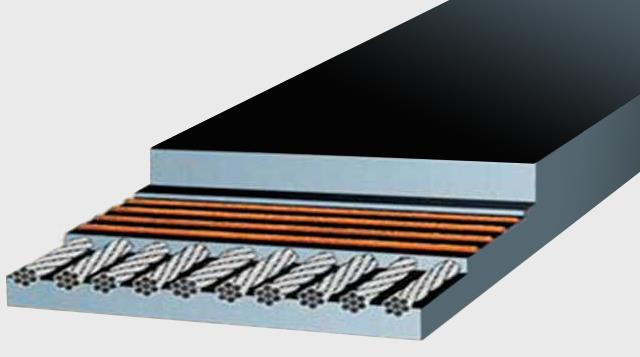
High-strength belt for long-distance and high-tension conveying
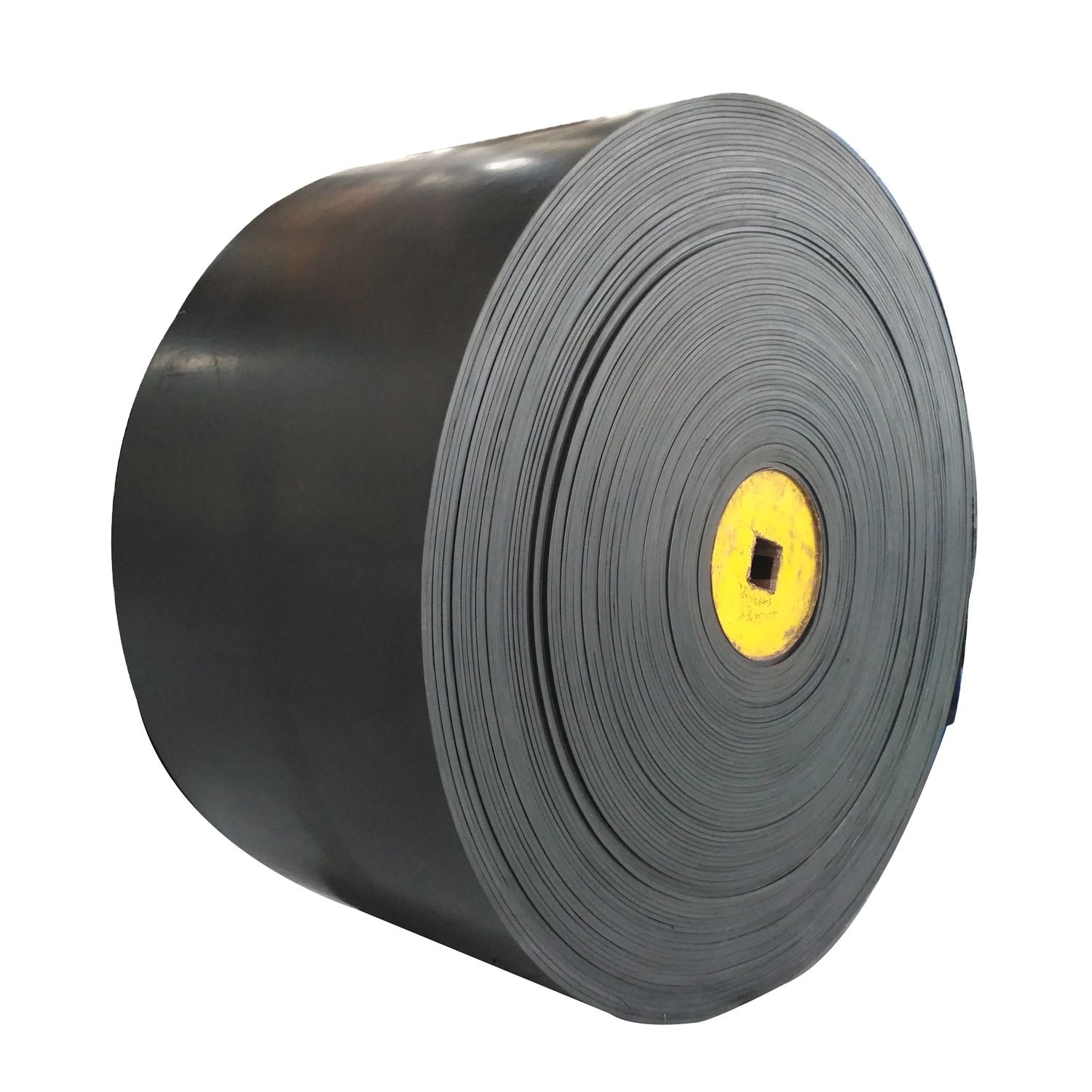
Economical multi-ply belt for plant and stockyard conveyors
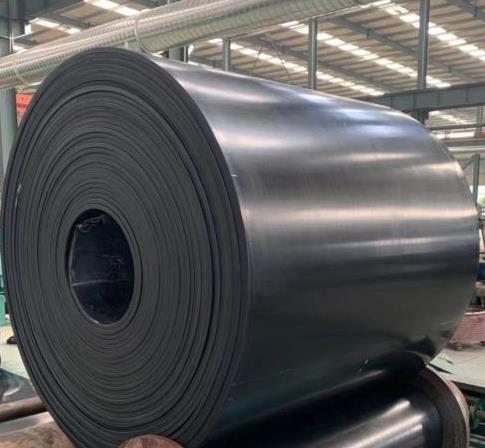
Polyester-nylon fabric belt with low elongation
Industry Applications
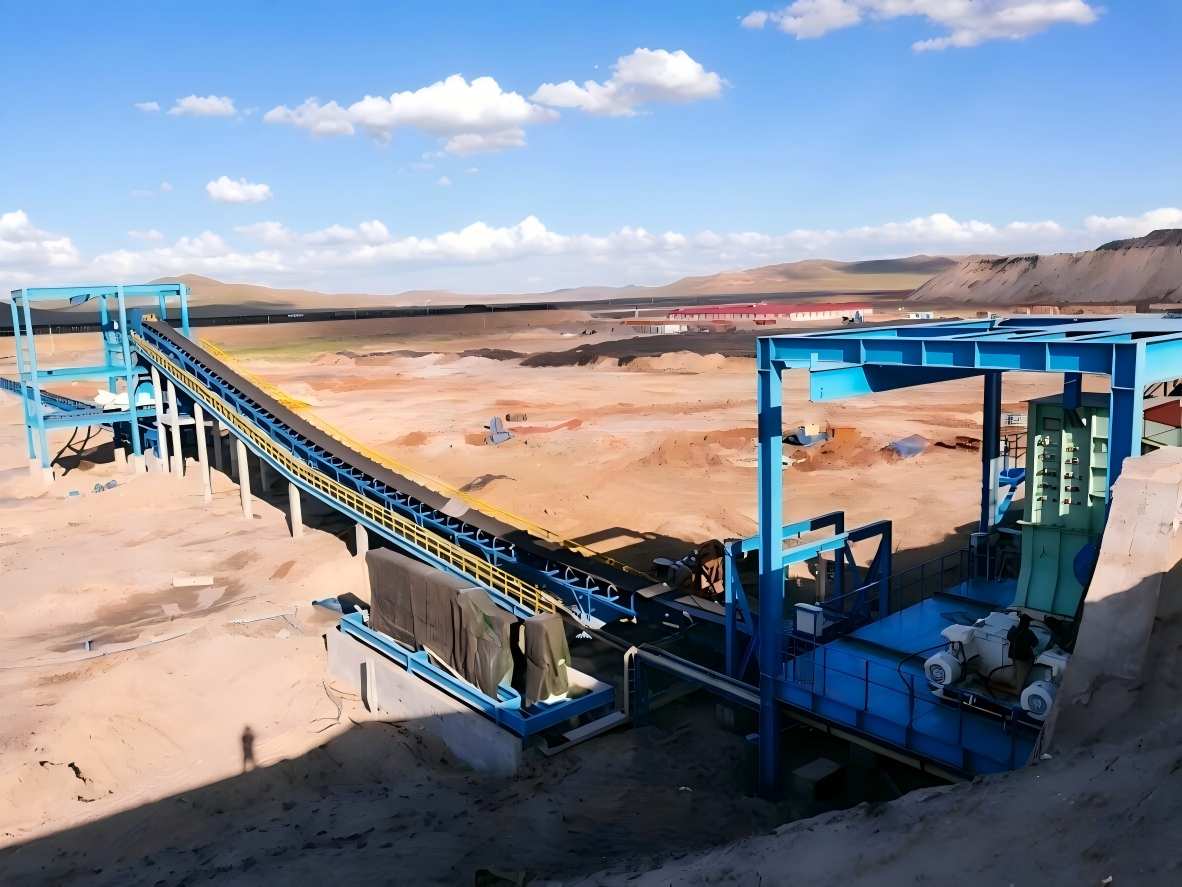
Steel cord belts for overland and high-capacity mine conveying
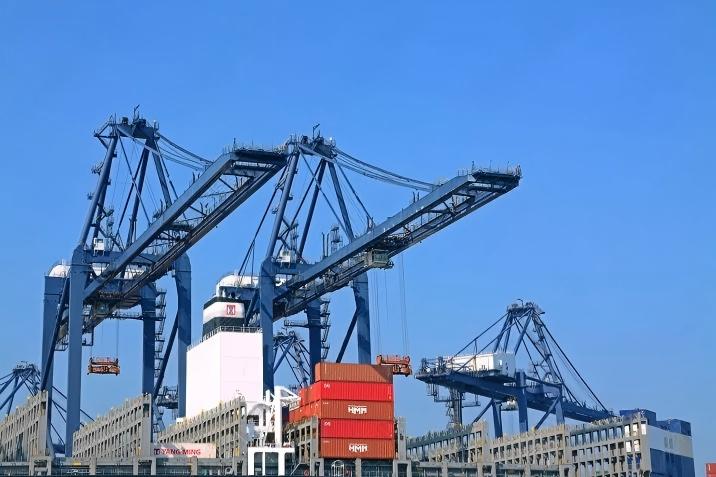
High-strength belts for terminal conveying and ship loading
Choosing Between Steel Cord and Fabric Conveyor Belt?
Share your conveyor length, capacity, lift, and material characteristics. ZOOMRY can help select the right belt construction for your application.
Contact Us →