 ZOOMRY

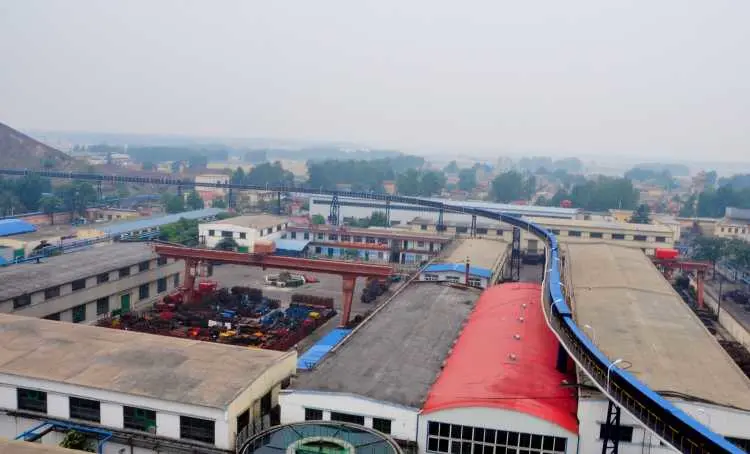
The difference between a Pipe conveyor and a tubular conveyor is primarily a difference in terminology rather than technology. Both names refer to the same type of enclosed belt conveyor system in which the belt is formed into a closed circular tube by a series of six-roll idler panels. The material is fully enclosed inside the tubular belt from the loading point to the discharge point. "Pipe conveyor" is the more widely used term in mining and port industries, while "tubular conveyor" is often used in cement, power, and chemical applications, and both appear in technical literature and project specifications.
Are They the Same Machine?
Yes. A pipe conveyor and a tubular conveyor describe the same fundamental equipment: a belt conveyor in which the carrying side of the belt is rolled from a flat profile into a closed tube after the loading point, and remains tubular until just before the discharge point, where it opens again to release the material.
Both terms describe a conveyor with the following defining features:
- Six-roll hexagonal idler panels: Each station has six rollers arranged in a hexagonal pattern that progressively fold the belt into a tube.
- Full material enclosure: Material is contained inside the belt tube, protected from wind, rain, and contamination.
- 3D curve capability: The enclosed profile allows tight horizontal and vertical curves without transfer points.
- Steep incline capability: The tubular shape increases material-to-belt contact pressure, supporting steeper inclines than open trough conveyors.
- Dust and spillage control: The enclosed design helps contain dust emissions and prevents spillage along the route.
Terminology in Different Markets
The choice between "pipe conveyor" and "tubular conveyor" often reflects regional or industry convention rather than a technical distinction.
Where "Pipe Conveyor" Is Commonly Used
- Mining industry: Mine operators and EPC contractors commonly refer to "pipe conveyors" when specifying enclosed conveying for ore, coal, and overburden transport.
- Port and terminal projects: Port bulk handling specifications typically use "pipe conveyor" for enclosed quayside and terminal conveying.
- Technical standards and literature: Many conveyor manufacturers and engineering references use "pipe conveyor" as the primary term in product catalogs and selection guides.
Where "Tubular Conveyor" Is Commonly Used
- Cement industry: Cement plant projects frequently use "tubular conveyor" or "tubular belt conveyor" when specifying enclosed transport for raw meal, cement, and fly ash.
- Power generation: Power plant fuel handling specifications often refer to "tubular conveyors" for dust-free coal transport.
- Chemical and process industries: Process engineers tend to use "tubular" terminology when describing enclosed conveying in plant environments.
Key Technical Specifications
Regardless of the term used, the equipment is specified by the same technical parameters.
| Specification | Typical Range | Notes |
|---|---|---|
| Pipe diameter | 100–850 mm | Determines maximum material lump size and capacity |
| Belt width | 430–3,100 mm | Belt width is larger than pipe diameter due to overlap |
| Maximum incline | Up to 30° | Higher than open trough conveyors for many materials |
| Curve capability | 3D horizontal and vertical curves | Eliminates transfer points on complex routes |
| Dust emission | Designed for minimal emissions | Enclosed profile helps meet environmental requirements |
Capacity values are indicative and depend on material bulk density, particle size, moisture content, belt speed, conveyor inclination, and final equipment configuration.
When Either Term Appears in a Project
For project evaluation, the important point is not which term appears in the specification, but what the project requires:
- Route geometry: Tight curves and complex terrain are well suited to the enclosed tubular belt profile.
- Environmental constraints: Dust containment, spillage prevention, and material protection from weather may be mandatory requirements.
- Material characteristics: Fine, dusty, or moisture-sensitive materials benefit from full enclosure during transport.
- Incline requirements: Steeper conveying angles reduce the horizontal footprint of the conveyor route.
ZOOMRY supplies enclosed belt conveyor systems under both product names, with configurations matched to the specific requirements of each project. The equipment design, idler arrangement, and belt construction are identical in principle; the terminology reflects the customer's industry convention.
Common Applications
Enclosed tubular belt conveyors — whether specified as pipe conveyors or tubular conveyors — are applied across industries where dust control, environmental compliance, and route flexibility are project requirements.
- Mining: Transporting ore, coal, and overburden through environmentally sensitive terrain.
- Cement: Moving limestone, raw meal, and finished cement between quarry, plant, and dispatch.
- Power: Delivering coal and biomass fuel while containing dust along the route.
- Ports: Enclosed conveying for dusty bulk commodities through populated terminal areas.
- Chemical and fertilizer: Protecting moisture-sensitive or dusty powders from contamination and weather.
Key Selection Factors
- Pipe diameter vs material lump size: The pipe diameter must accommodate the largest material particles without jamming.
- Route profile: Horizontal and vertical curve radii must match the belt's minimum bending capability.
- Belt construction: Steel cord or fabric carcass is selected based on tension, distance, and capacity.
- Incline angle: Maximum incline depends on material properties and belt fill factor.
- Environmental compliance: Dust emission limits and spillage prevention requirements are key project drivers.
Frequently Asked Questions
Is a tubular conveyor the same as a pipe conveyor?
Yes. The two terms describe the same type of enclosed belt conveyor in which the belt is folded into a closed tube by hexagonal idler panels. The difference is purely in terminology, with "pipe conveyor" being more common in mining and port applications and "tubular conveyor" being more common in cement, power, and chemical industries.
Which term should I use in my project specification?
Either term is acceptable and will be understood by equipment manufacturers. The most important thing is to specify the technical requirements clearly: pipe diameter, capacity, material characteristics, route geometry, and incline angle. Manufacturers will respond with equivalent equipment regardless of which term appears in the specification.
Can a pipe conveyor handle the same materials as a tubular conveyor?
Since they are the same machine, yes. Both handle a wide range of dry bulk materials including coal, ore, limestone, cement, fly ash, grain, and fertilizers. The material characteristics influence belt selection, pipe diameter, and fill factor, but these are determined by the specific project requirements rather than the terminology used.
How do I choose between a pipe conveyor and a trough conveyor?
The choice between enclosed tubular conveying and open trough conveying depends on route geometry, environmental requirements, and material characteristics. If dust containment, tight curves, steep inclines, or material protection are project drivers, an enclosed pipe or tubular conveyor is the preferred solution. For straight high-volume routes on open industrial land, a trough conveyor may be more economical.
Related Products
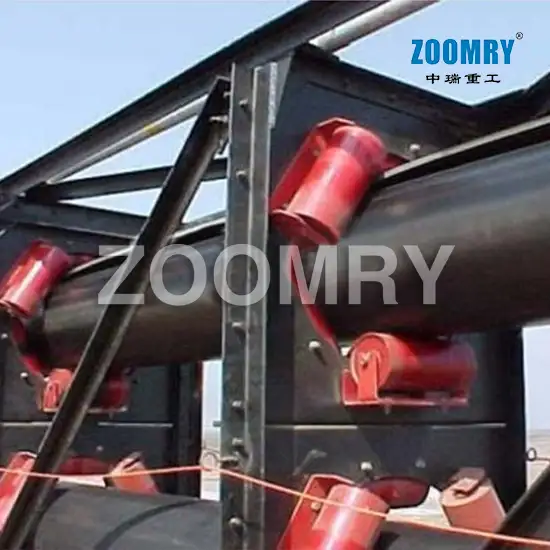
Enclosed tubular conveying for mining and port applications
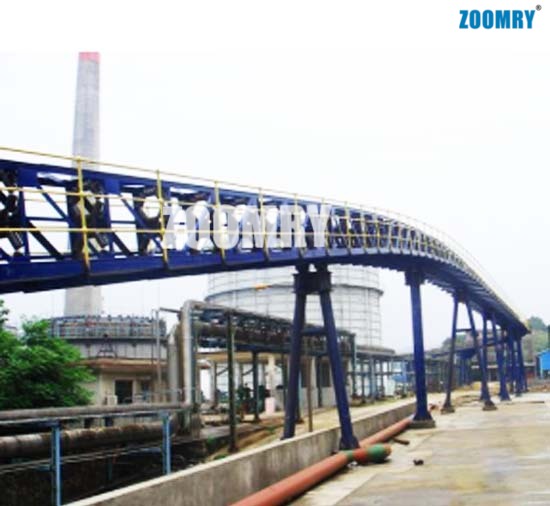
Enclosed belt conveying for cement and power industries
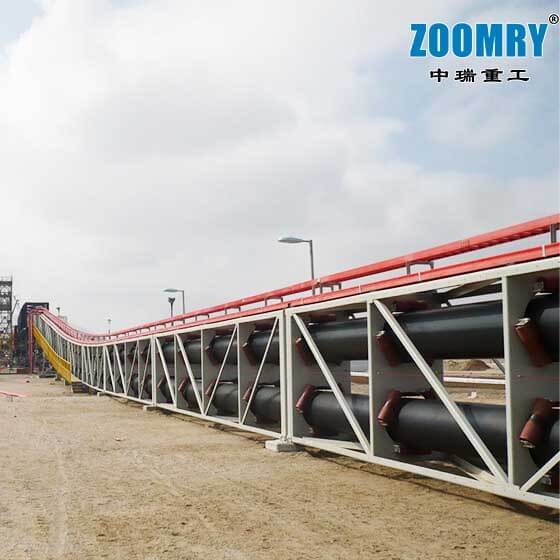
Tubular belt design for steep inclines and tight curves
Industry Applications
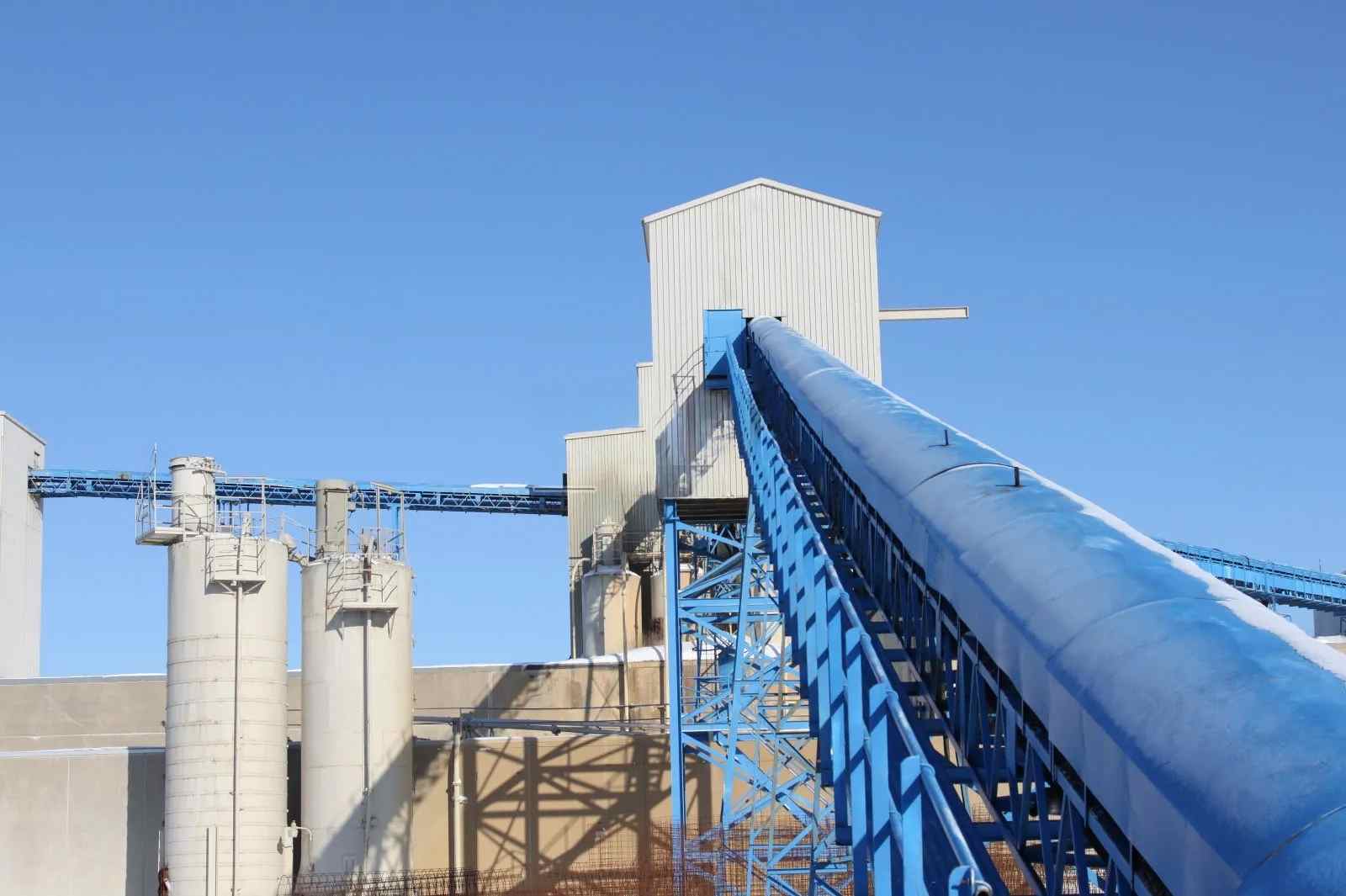
Enclosed tubular conveying for cement plant transport
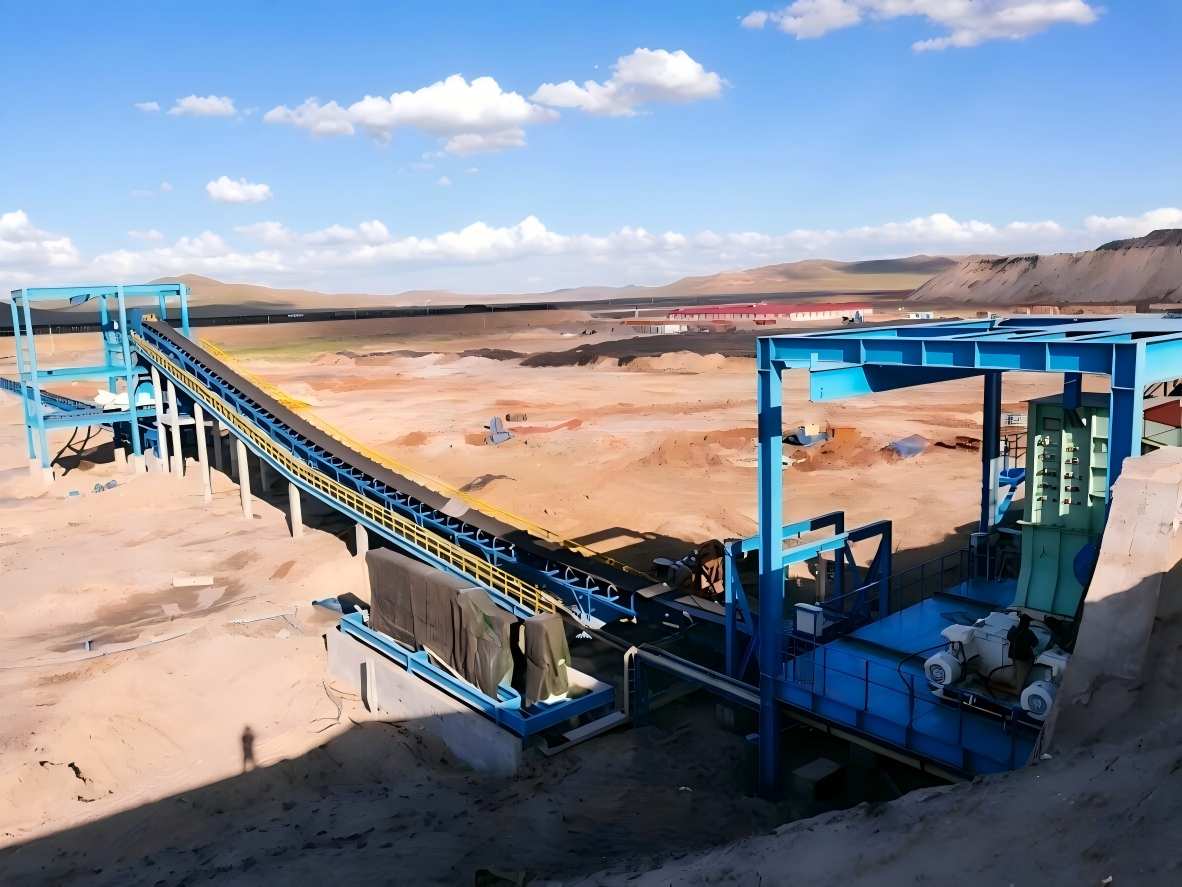
Pipe conveying for enclosed mine material transport
Specifying a Pipe or Tubular Conveyor for Your Project?
Share your route geometry, material type, capacity, and environmental requirements. ZOOMRY can help configure an enclosed conveying system to match your project needs.
Contact Us →