 ZOOMRY

Electronic belt scales are core metering devices in bulk material handling systems — widely used at the discharge ends of belt conveyors in mines, under discharge chutes of radial stackers, and at loading/unloading nodes of mobile ship loaders in ports and granaries. However, under complex operating conditions, weighing accuracy can suffer — cumulative errors of 2%–5% are common. At one iron ore terminal, belt tension fluctuations caused instantaneous flow drift in the belt scale when a truck unloader discharged at 800 tons/hour, resulting in annual settlement losses exceeding $1 million.
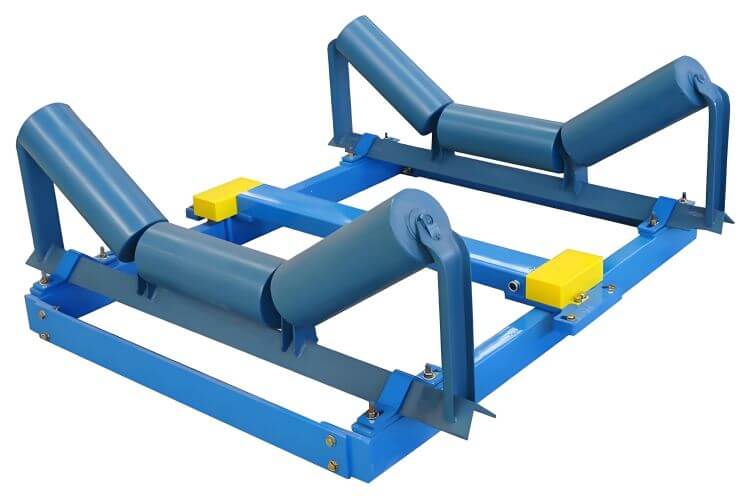
Six Core Causes of Belt Scale Inaccuracies
1. Mechanical Structural Defects: Belt Tension Fluctuations and Support Instability
Cause Analysis:
- Lateral vibration of belts during high-speed operation (>4 m/s) causes uneven force distribution in weighing sections (±200N fluctuations).
- Rigid support structures of weighing frames fail to adapt to dynamic loads, triggering instantaneous flow drift.
Optimization Strategies:
- Implement laser alignment technology for real-time belt position monitoring, synchronized with belt conveyor hydraulic tensioning systems (±10N precision).
- Upgrade weighing frames to "floating cross-torsion support structures," neutralizing 80% of mechanical vibration interference.
2. Environmental Interference: Dust, Humidity, and Thermal Deformation
Cause Analysis:
- Dust accumulation (PM10 >300 μg/m³) on sensors during outdoor operation of radial stackers reduces sensitivity by 40%.
- Thermal expansion/contraction of metal frames in mobile ship loaders under -30°C to 50°C temperature variations causes weighing frame deformation (max. 2.5mm offset).
Optimization Strategies:
- Equip weighing units with IP68-rated sealed enclosures filled with dry nitrogen to isolate dust and moisture — ideal for high-humidity port environments.
- Introduce multispectral thermal deformation compensation algorithms, using temperature-strain models for real-time corrections (<0.05mm error).
3. Electromagnetic Interference: Weak Signal Distortion
Cause Analysis:
- mV-level signals from load cells are vulnerable to electromagnetic interference from truck unloader variable-frequency drives and belt conveyor high-power motors.
- Improper cable routing induces common-mode noise (>50mV).
Optimization Strategies:
- Use double-shielded cables (single-end grounded shielding) with ≥30cm separation from power cables.
- Install isolation amplifiers (CMRR >120dB) at signal inputs to suppress high-frequency interference.

4. Calibration Failures: Methodological and Periodic Defects
Cause Analysis:
- Traditional chain code calibration cannot simulate actual material distribution (density error ±15%).
- Overextended calibration intervals (>30 days) ignore parameter drift caused by equipment wear.
Optimization Strategies:
- Adopt "material separation + dynamic chain code" dual-mode calibration to enhance credibility.
- Deploy AI self-learning systems to predict calibration needs based on belt conveyor operational data (auto-alerts for threshold breaches).
5. Material Property Impacts: Adhesion and Off-Center Loading
Cause Analysis:
- High-moisture materials (e.g., clay) adhering to belts during transfers from truck unloaders to belt conveyors induce zero-point drift.
- Off-center material discharge from radial stackers causes belt loading imbalance (>20% unilateral load variance).
Optimization Strategies:
- Install Belt Cleaners and ultrasonic material detectors for real-time residue removal.
- Optimize radial stacker boom angles and integrate automatic belt tracking rollers to correct discharge trajectories.
6. Maintenance Deficiencies: Inspection Gaps and Delayed Responses
Cause Analysis:
- Undetected issues like conveyor roller bearing wear and belt splice aging lead to sudden inaccuracies.
- Manual inspection-dependent fault resolution results in MTTR >8 hours.
Optimization Strategies:
- Deploy acoustic emission sensors and vibration analysis modules for 14-day advance warnings of critical component failures.
- Establish digital maintenance platforms for remote monitoring of mobile ship loaders, truck unloaders, and other equipment.
Precision Optimization Pathways and Engineering Practices
1. Dynamic Weighing Algorithm Enhancements
Technical Highlights:
- Integrate belt conveyor speed signals with load cell data via Kalman filtering to eliminate random noise.
- Apply FPGA hardware acceleration to reduce signal processing latency from 20ms to 2ms, improving instantaneous flow calculation accuracy.
Case Study: A copper mine reduced monthly scale errors from 1.8% to 0.35% through algorithmic optimization, cutting annual settlement disputes by $2.2 million.
2. Equipment Synergy Control Strategies
Technical Highlights:
- Synchronize truck unloader and belt conveyor operations via PID-controlled discharge rates to stabilize belt loading within ±5%.
- Implement radial stacker posture feedback compensation, dynamically adjusting material parabolic trajectories based on boom elevation data.
Case Study: A coal terminal extended calibration intervals from 7 to 60 days through equipment synergy optimization, boosting maintenance efficiency by 70%.
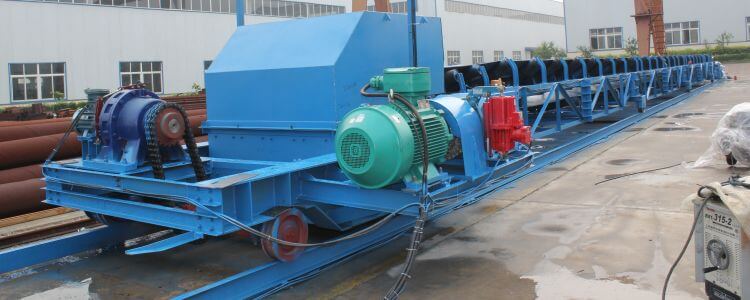
3. Standardized Maintenance System Development
Technical Highlights:
- Formulate the Belt Conveyor-Scale Coordination Protocol, defining thresholds for 20 critical parameters including tension and alignment.
- Develop calibration toolkits (laser speedometers, dynamic chain codes) for on-site rapid calibration.
Case Study: A global grain trader deployed this system across 12 ports, achieving <0.5 annual scale failures per unit and 90% reduction in metering complaints.
Industry Trends and Long-Term Optimization Recommendations
1. Intelligentization Directions
- Edge Computing Terminals: Embed AI inference modules in mobile ship loader control cabinets for real-time anomaly detection (>95% accuracy).
- Digital Twin Models: Create virtual replicas of belt scales and belt conveyors for failure simulation and parameter pre-optimization.
2. Standardization Roadmap
- Promote adoption of ISO 21873 Continuous Totalizing Automatic Weighing Instruments (Belt Scales) to unify testing methods and error limits.
- Establish a global calibration lab network to provide metrological traceability for truck unloaders, radial stackers, and related equipment.
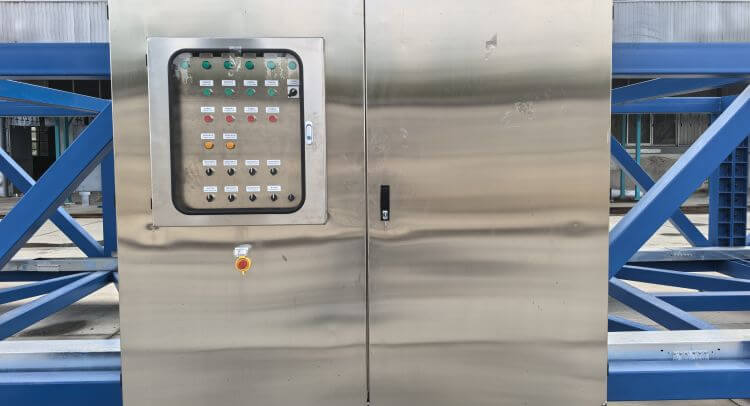
The inaccuracy of electronic belt scales fundamentally stems from the coupling effects of mechanical, electrical, material, and environmental factors. Through a three-dimensional technical matrix — dynamic algorithm optimization, equipment synergy control, and standardized maintenance — measurement accuracy can be stabilized within ±0.5%, meeting trade-level settlement requirements. This approach has been validated in complex scenarios involving belt conveyors and mobile ship loaders, offering reliable precision assurance for the global bulk material handling industry.
Related Equipment

Complete belt conveyor systems for bulk material transport — the primary application for belt scale installation.
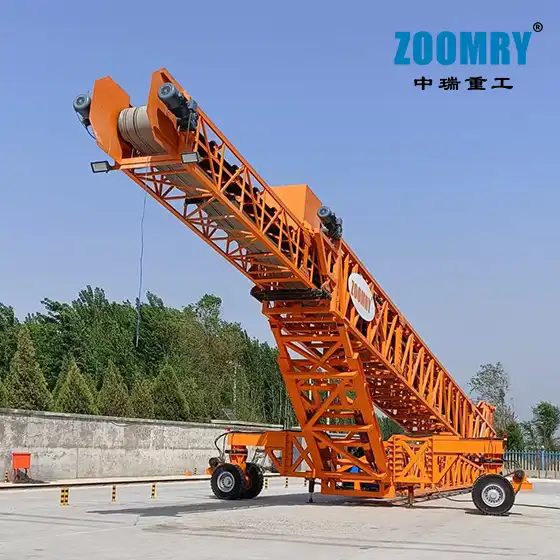
Radial stacker with belt scale integration for accurate stockpile weight measurement.
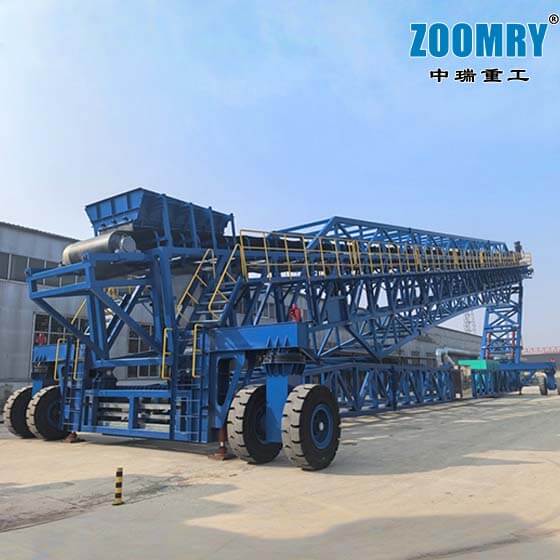
Mobile ship loader with integrated belt scale for accurate cargo weight verification at ports.
Industry Solutions
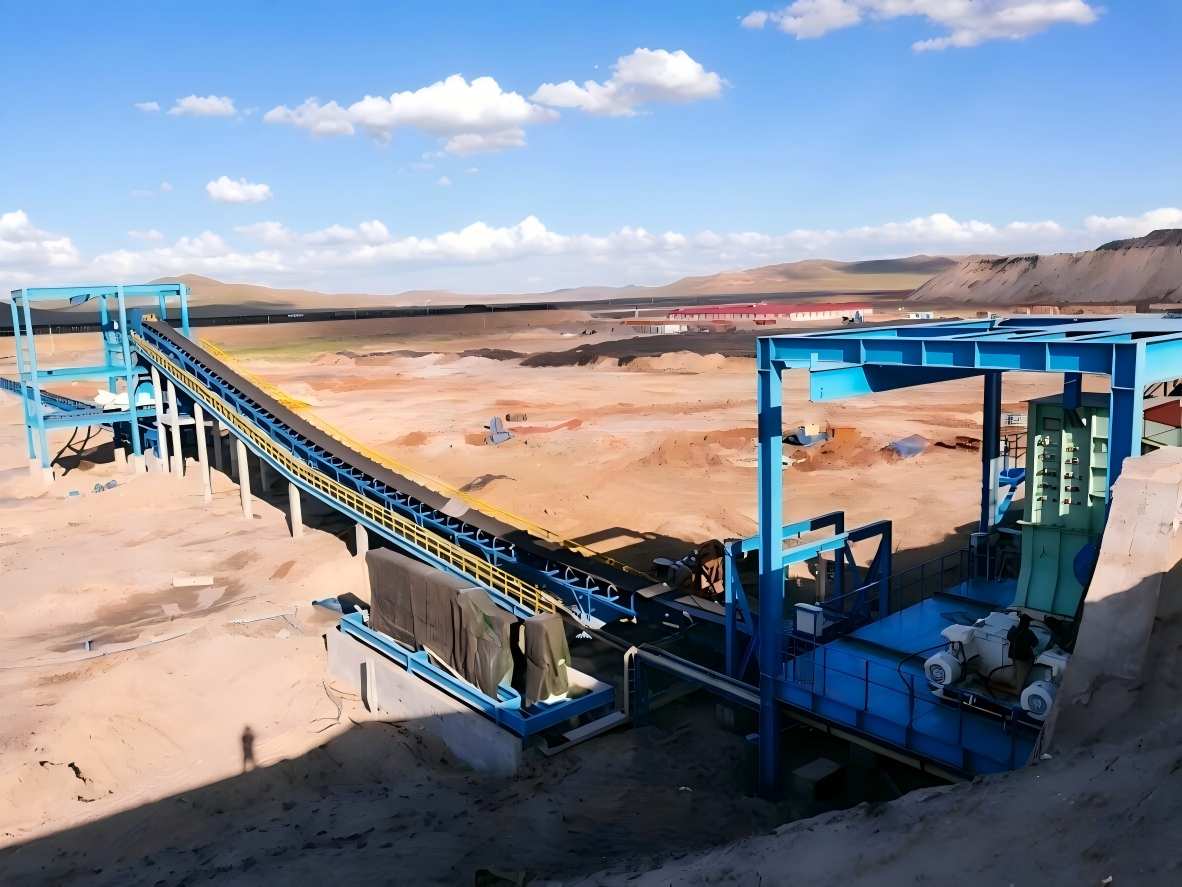
Belt scale accuracy solutions for iron ore, copper, and coal mine conveyor weighing systems.
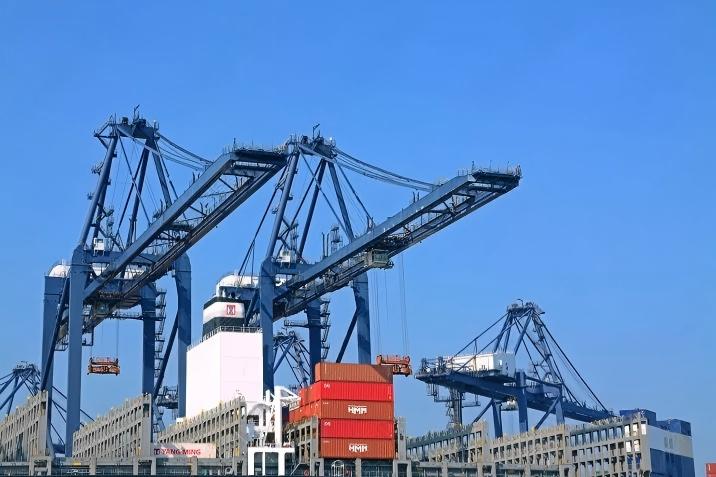
Trade-certified belt scale systems for port bulk material loading and unloading metering.
Need Help with Belt Scale Accuracy?
Contact ZOOMRY for belt scale integration, calibration support, and conveyor system optimization.
Contact Us Today →