 ZOOMRY

Is carryback eating into your conveyor maintenance budget? Every Conveyor Belt leaves a residual material layer after discharge. Without systematic cleaning, this carryback accumulates on return rollers, creates uneven diameters that pull the belt off-track, hardens into abrasive deposits, and eventually causes belt damage and structural wear. A properly designed three-stage belt cleaning system removes up to 95% of residual material — this guide explains each stage's function, blade material selection criteria, installation positioning, and when deploying all three stages together delivers the strongest return on investment.
The physics of carryback is straightforward: after discharge at the head pulley, a thin layer of material — ranging from coarse particles to fine dust — adheres to the conveyor belt surface through moisture, electrostatic attraction, and mechanical adhesion. As the belt travels the return path, this material is scraped off by contact with return rollers or falls off due to belt vibration — creating spillage piles under the conveyor that require manual cleanup, damaging roller bearings, and causing belt mistracking that accelerates edge wear. A systematic multi-stage cleaning approach addresses this at three distinct contact points.
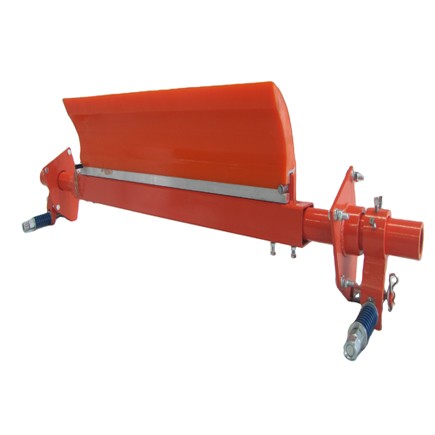
Stage 1 — Primary Belt Cleaner at Head Pulley: Removes 70–80% of Carryback Material
Stage 1: Primary Belt Cleaner — Bulk Carryback Removal at the Discharge Point
The primary belt cleaner mounts directly at the head pulley discharge zone and removes 70–80% of carryback material through direct blade-to-belt contact. The polyurethane (PU) blade operates across belt widths from 500 to 2,200 mm in temperatures from -45°C to +60°C. The 35# carbon steel frame with smooth, bubble-free welded surface ensures consistent blade-to-belt contact pressure without vibration-induced chatter that reduces cleaning efficiency. For operations requiring minimal downtime, the optional quick-change cartridge design enables complete blade replacement in under 15 minutes during a single maintenance shift.
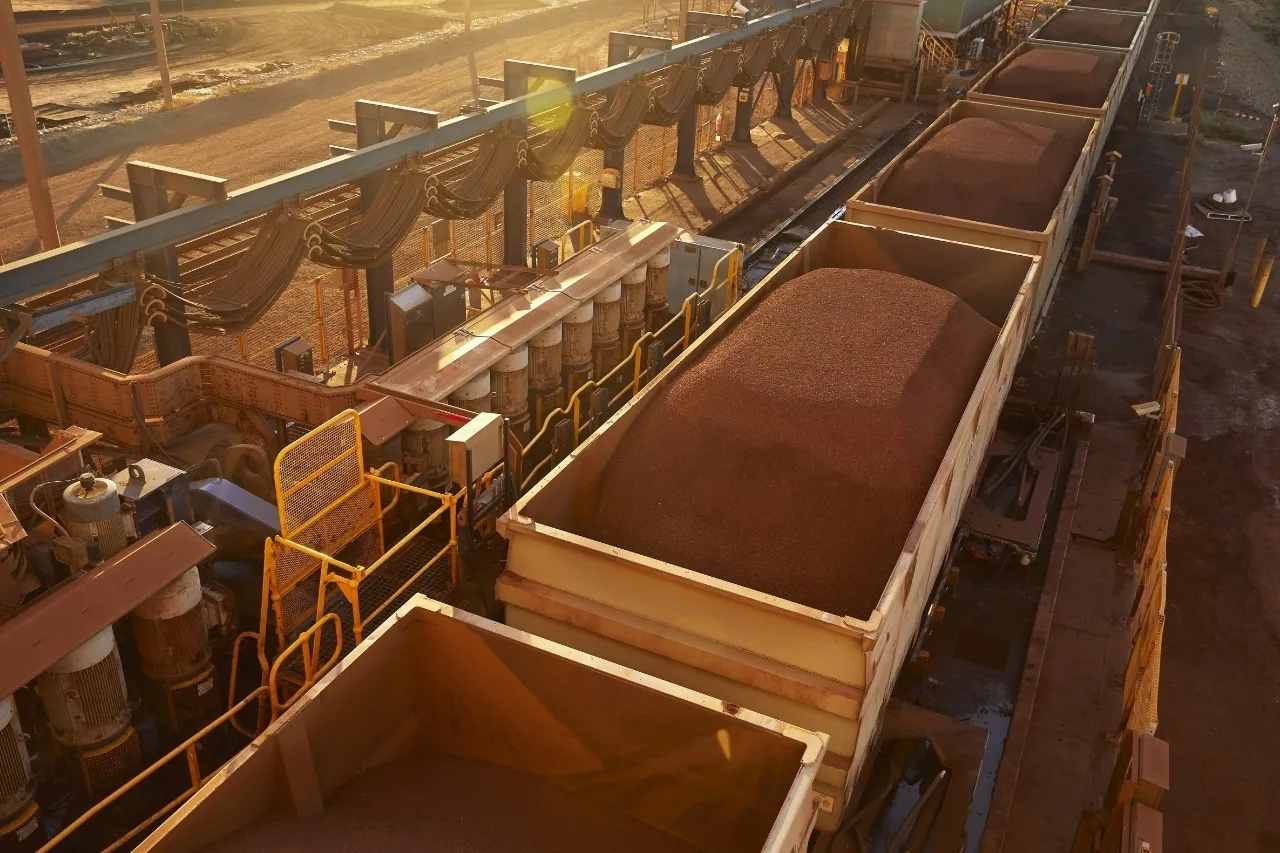
In mining applications handling iron ore and copper concentrate, the primary cleaner alone prevents approximately 80% of the material that would otherwise reach return rollers — translating to roughly 200–400 kg per operating hour on a 1,600 mm belt running at 3.5 m/s. Without this first stage, downstream secondary cleaners would be overwhelmed within hours, and return roller replacement intervals would drop from months to weeks.
Stage 2: Secondary Belt Cleaner — Precision Removal of Fine Residual Material
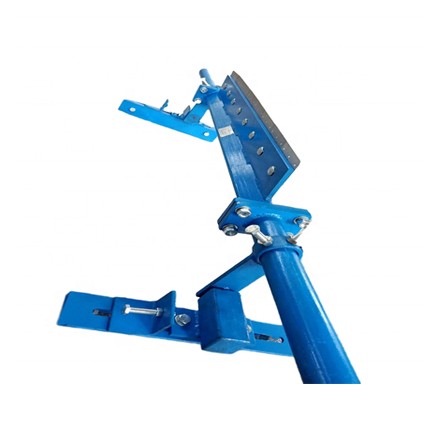
Stage 2 — Secondary Belt Cleaner with Tungsten Carbide Blade: Captures Particles Down to 0.1 mm
Installed on the return side 300–500 mm behind the primary blade, the secondary belt cleaner captures the fine, often damp material layer that escapes the primary scraper. The spring-tensioned tungsten carbide blade removes particles down to 0.1 mm, and when paired with the primary unit, achieves up to 95% combined cleaning efficiency. The blade contacts the belt at a 15–20° approach angle — too steep and it gouges the belt surface; too shallow and it skims over residue without removing it.
| Selection Factor | Tungsten Carbide Blade | Polyurethane (PU) Blade |
|---|---|---|
| Best Application | Abrasive ores, coal, clinker, sinter | Fine powders, grain, fertilizers, non-abrasive bulk |
| Service Life | 15,000–25,000 operating hours | 5,000–8,000 operating hours |
| Cleaning Precision | Down to 0.1 mm residual layer | Down to 0.3 mm residual layer |
| Belt Wear Risk | Moderate — requires correct tension setting | Low — gentler on belt surface |
| Cost Efficiency | Lower cost per hour in abrasive applications | Lower cost per hour in non-abrasive applications |
In coal handling and cement plants, the secondary cleaner typically recovers 50–150 kg of material per shift. Over a 300-day operating year, this represents 15–45 tonnes of material that would otherwise accumulate as spillage requiring manual cleanup, damage return rollers, or contaminate the working environment. The modular cartridge design allows blade replacement in under 10 minutes.
Stage 3: V-Return Belt Cleaner — The Often-Overlooked Non-Working Surface
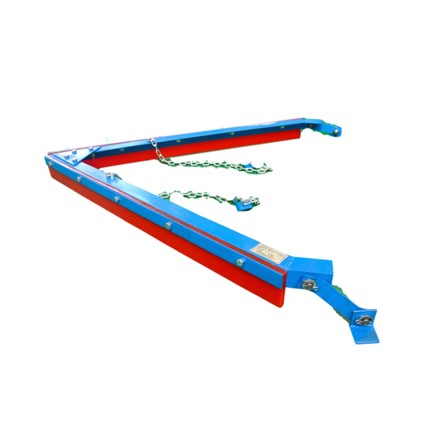
Stage 3 — V-Return Belt Cleaner: Protects the Non-Working Belt Surface and Prevents Roller Seizure
While primary and secondary cleaners address the carrying side, material also migrates to the inside (non-working) surface of the belt — particularly sticky materials like wet coal fines, clay, and gypsum. The V-return belt cleaner mounts on this non-working surface with a V-shaped polyurethane blade that splits accumulated material to both sides of the conveyor. This prevents the inside-surface buildup that causes return rollers to seize, belt tracking to drift beyond correctable limits, and mechanical splices to crack as hardened lumps pass over pulleys.
This third stage is particularly critical in fertilizer and chemical plants where hygroscopic materials — urea, ammonium phosphate, potash — absorb atmospheric moisture and form a corrosive paste layer on the belt's inside surface. Without a V-return cleaner, this paste accelerates roller bearing corrosion and creates diameter variations that pull the belt off-track. In high-dust environments like cement plants and coal handling facilities, a V-return cleaner typically extends return roller service life by 30–50%.
When Should You Deploy All Three Stages Together?
Not every conveyor requires all three cleaning stages. A single primary cleaner may suffice for non-sticky, dry materials on short, low-speed conveyors. However, the full three-stage system becomes essential — and delivers the strongest ROI — under these conditions:
- Sticky or damp materials: Coal fines, clay, gypsum, and wet ores adhere aggressively to belt surfaces and require all three contact points for complete removal.
- High-speed conveyors (>3.0 m/s): Faster belt speeds increase carryback throw distance and the volume of material reaching return rollers.
- Hygroscopic materials: Fertilizers, salt, and chemicals that attract moisture form corrosive layers requiring the V-return stage.
- Limited inspection access: Long-distance or elevated conveyors where manual cleanup is difficult or dangerous.
For operations requiring maximum carryback control across all belt surfaces, the conveyor belt sweeper integrates all three stages (QSY primary, QSE secondary, QSV V-return) into one coordinated assembly with automatic compression for maintenance-free operation. This integrated system is the preferred solution for mining conveyors where inspection access is limited and unscheduled downtime costs thousands per hour. The combined system typically pays back within 8–12 months through reduced cleanup labor and extended belt and roller life.
Related Industry Solutions
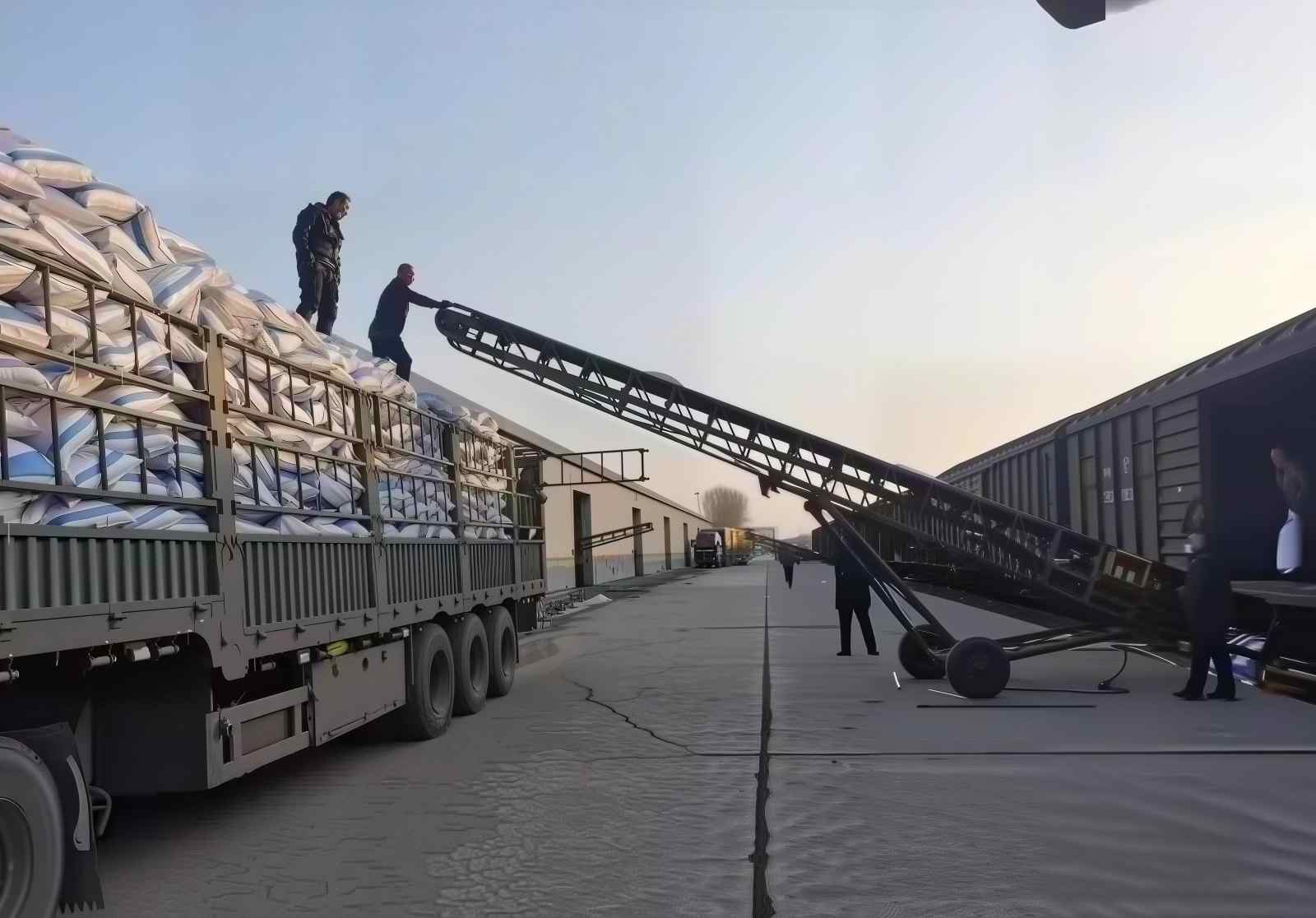
Fertilizer Handling Conveyor Systems
Corrosion-resistant conveyor systems for urea, DAP, and potash. HDPE rollers, enclosed Pipe conveyors, and belt cleaners for chemical resistance and carryback control in hygroscopic material applications.
Iron & Steel Conveyor Systems
Heavy-duty, high-temperature resistant conveyor systems for integrated steel mills. Heat-resistant belts for sinter and hot coke, with tungsten carbide belt cleaners for abrasive material carryback control.
Need Help Configuring Your Belt Cleaning System?
Contact our engineering team for blade material recommendations, system configuration, and installation guidance.
Contact Us WhatsApp