 ZOOMRY

Selecting the right Conveyor Belt is one of the most consequential decisions in bulk material handling. The belt typically accounts for 30–50% of total conveyor system cost, and the wrong selection can double annual maintenance budgets through premature wear, splice failures, and unplanned downtime. This guide compares the five most common conveyor belt types — steel cord, fabric (EP), nylon, solid woven, and heat-resistant — with practical selection criteria for mining, cement, port, and power applications.
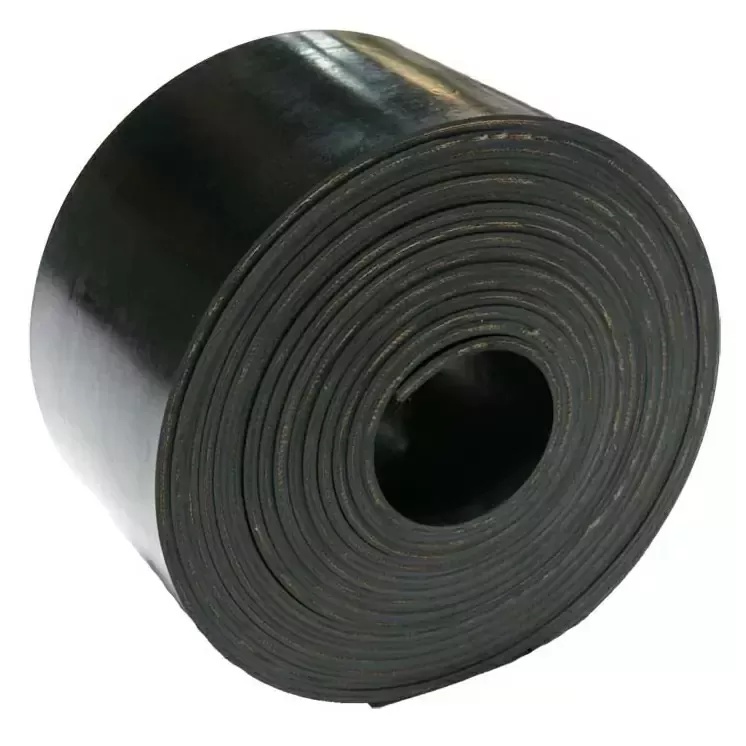
Conveyor Belt Types at a Glance
| Belt Type | Tensile Strength | Best Application | Typical Cost |
|---|---|---|---|
| Steel Cord Belt | 500–4,000 N/mm | Long-distance overland, high-capacity mining | High |
| EP (Polyester-Nylon) Belt | 80–450 N/mm | General bulk handling, aggregates, grain | Medium |
| Nylon (NN) Belt | 80–630 N/mm | Medium-distance, high-impact, troughing | Medium |
| Solid Woven Belt | 800–2,000 N/mm | Underground coal mining (flame-retardant) | Medium-High |
| Heat-Resistant Belt | Varies by carcass | Cement clinker, sinter, hot coke (up to 200°C) | High |
Steel Cord Conveyor Belt — For Long Distance and High Tension
Steel cord conveyor belts use longitudinal steel cables as the tension-carrying element, embedded in a rubber matrix. With tensile strengths from 500 to 4,000 N/mm, they are the only practical choice for long-distance overland conveyors exceeding 3 km and high-lift applications where belt tension exceeds what fabric carcasses can handle.
Key specifications to consider:
- Cord diameter: 2.5–12.5mm, selected based on tension requirements. Larger diameters provide higher strength but increase belt weight and minimum pulley diameter.
- Cord pitch: 8–25mm between adjacent cords. Closer pitch provides higher breaking strength per meter of belt width but reduces transverse flexibility.
- Cover grade: DIN W (wear-resistant, ≤90 mm³ abrasion) for iron ore and aggregates; DIN X (cut-resistant, ≤110 mm³) for sharp, coarse materials; DIN Y (general, ≤150 mm³) for coal and grain.
- Splice type: Hot vulcanization only — mechanical fasteners cannot achieve the strength required for steel cord splices. Splice length is typically 0.4–0.6× belt width for ST1600–ST4000 grades.
Steel cord belts dominate in iron ore, copper, and bauxite mining where single-flight conveyors span 5–15 km. Their near-zero elongation eliminates the need for frequent take-up adjustments, and their high impact resistance handles lump sizes up to 400mm at transfer points.
EP (Polyester-Nylon) Conveyor Belt — The Versatile Workhorse
EP conveyor belts use polyester fibers in the warp (longitudinal) direction and nylon fibers in the weft (transverse) direction. This combination provides low elongation (1.5–2.5%) in the running direction with excellent troughability and impact resistance across the belt width. EP belts are available in fabric grades from EP-80 to EP-450, with cover grades up to 26 MPa tensile strength and belt widths up to 2,500mm.
Where EP belts excel:
- Aggregate and quarry: EP-200 to EP-315 with DIN W covers for abrasive sand, gravel, and crushed stone. Conveying distances up to 2 km at belt speeds up to 4 m/s.
- Grain handling: EP-125 to EP-160 with food-grade covers (FDA/EU 10/2011 compliant). Low elongation maintains consistent belt tension through temperature and humidity changes in silo environments.
- Port terminals: EP-250 to EP-400 with DIN Y covers. Adequate strength for typical terminal conveyor lengths (200–1,000m) at lower cost than steel cord.
- Chemical and fertilizer plants: EP-160 to EP-250 with oil-resistant or chemical-resistant covers. Polyester's inherent moisture resistance prevents carcass degradation in humid processing environments.
EP belts are the default choice for conveyors under 2 km with belt tensions below 450 N/mm. Their lower cost per meter and simpler splicing (mechanical or cold vulcanization options) make them the economical option where steel cord's higher strength is not required.
Nylon (NN) Conveyor Belt — High Impact and Deep Troughing
Nylon conveyor belts (NN belts) use nylon fibers in both warp and weft directions. Nylon's higher elasticity compared to polyester provides superior impact absorption and deep troughing capability — making NN belts the preferred choice for conveyors with 45° troughing idlers and loading zones with heavy impact from large lump sizes.
Key characteristics:
- Higher elongation (3–5%) than EP belts — requires more take-up travel but absorbs impact better at loading zones.
- Superior troughing: NN belts form a deeper, more stable trough profile on 45° idlers compared to EP belts of the same strength rating.
- Available in NN-100 to NN-630 grades, covering medium-distance conveying up to 3 km.
- Interlayer adhesion: Nylon's natural affinity for rubber compounds provides 20–30% higher ply adhesion than polyester carcasses.
NN belts are widely used in coal handling, metallurgical plants, and construction aggregate where the combination of impact resistance and deep troughing justifies their slightly higher elongation compared to EP belts.
Solid Woven Conveyor Belt — Underground Mining Safety
Solid woven conveyor belts feature a single-layer integrated carcass that eliminates the delamination risk of multi-ply fabric belts. Available in PVC (standard) and PVG (rubber-covered) constructions, both grades meet ISO 340 flame-retardant and ISO 284 anti-static requirements — mandatory for underground coal mining in most jurisdictions.
Solid woven belts are specified for:
- Underground coal mine gate roads and main slope conveyors — where fire resistance is non-negotiable.
- Gassy mine environments (ATEX/IECEx zones) — PVG covers provide spark-resistant operation.
- Conveyors under 2 km with belt tensions up to 2,000 N/mm — the single-layer carcass provides consistent strength without ply separation.
Mechanical fasteners (FLEXCO Bolt Hinged or Rivet Hinged) are the standard splicing method for solid woven belts in underground applications — hot vulcanization is impractical in potentially explosive atmospheres.
Heat-Resistant Conveyor Belt — For Cement, Sinter, and Hot Coke
Heat-resistant conveyor belts use EPDM (ethylene propylene diene monomer) or SBR (styrene-butadiene) rubber compounds in the covers to withstand material temperatures that would degrade standard rubber belts. Three performance grades cover different temperature ranges:
- HR (T1): Continuous material temperature up to 120°C, peak 150°C. For clinker conveyors, steel mill slag, and asphalt plants.
- SHR (T2): Continuous up to 170°C, peak 200°C. For sinter conveyors, hot coke transfer, and cement kiln discharge.
- UHR (T3): Continuous up to 200°C. For the most demanding applications — typically foundry sand and direct furnace discharge.
Heat-resistant belts require special attention to splice design — cold vulcanization is preferred over hot vulcanization to avoid thermal degradation of the heat-resistant rubber compounds during splicing. Pulley lagging should be ceramic for T2 and T3 grades to dissipate heat at the drive pulley.
How to Select the Right Conveyor Belt — Four Decision Factors
1. Tension Requirements
Calculate the maximum belt tension (T1) using ISO 5048 or CEMA standards. The belt's rated tensile strength must exceed T1 with a safety factor of 6.7:1 for steel cord and 10:1 for fabric belts. A 5 km overland conveyor with 200m lift generating 800 N/mm T1 requires a minimum ST2000 steel cord belt (2,000 N/mm ÷ 6.7 = 298 N/mm margin).
2. Material Characteristics
Match cover grade to material abrasiveness and temperature. DIN W for iron ore (abrasion ≤90 mm³), DIN X for sharp aggregates, DIN Y for coal and grain. For materials above 120°C, heat-resistant belts are mandatory — standard covers harden and crack within weeks at elevated temperatures.
3. Conveying Distance and Speed
Under 2 km and under 450 N/mm tension: EP or NN fabric belts are the economical choice. Over 3 km or over 500 N/mm: steel cord belts are required. Belt speed also matters — above 4 m/s, steel cord's lower elongation provides more stable tracking than fabric belts.
4. Operating Environment
Underground coal mining requires fire-resistant belts (ISO 340). Chemical plants require oil-resistant or acid-resistant covers. High-humidity environments favor EP over NN belts — polyester's moisture resistance prevents the carcass degradation that nylon can experience in wet conditions.
Belt Selection Quick Reference
| Application | Recommended Belt | Cover Grade | Splice Method |
|---|---|---|---|
| Long-distance overland (>3 km) | Steel Cord ST1600–ST4000 | DIN W / DIN X | Hot vulcanization |
| Quarry aggregate (<2 km) | EP-250 to EP-400 | DIN W | Mechanical or hot vulcanization |
| Grain handling | EP-125 to EP-160 | FDA/EU 10/2011 food grade | Mechanical or cold vulcanization |
| Underground coal mining | Solid Woven PVC/PVG | ISO 340 flame-retardant | Mechanical fasteners |
| Cement clinker (hot) | Heat-Resistant T2/T3 | EPDM (up to 200°C) | Cold vulcanization |
| Coal handling (surface) | NN-200 to NN-315 | DIN Y | Mechanical or hot vulcanization |
The right conveyor belt selection saves money every day it runs — through lower energy consumption, fewer splice repairs, and longer replacement intervals. As a manufacturer with a 40,000m² production facility, ZOOMRY produces all conveyor belt types in-house with full-process quality testing to ISO 9001 standards, ensuring the belt that arrives on site matches the specification that was ordered. View ZOOMRY's conveyor belt EPC project cases to see belt specifications proven in mining, cement, port, and power applications worldwide.
Related Products
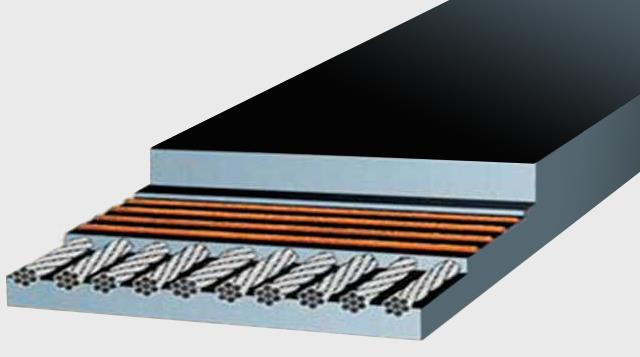
Tensile strength up to 4,000 N/mm — for long-distance conveying
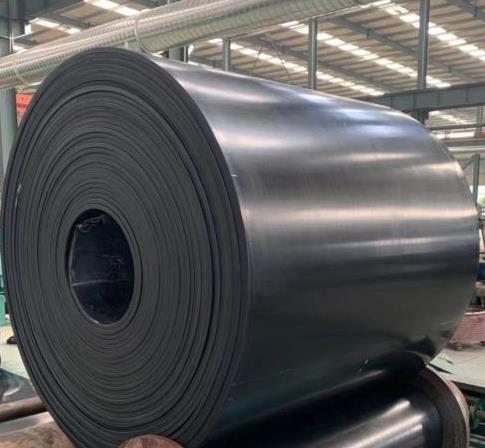
Polyester-nylon carcass — low elongation, excellent troughability
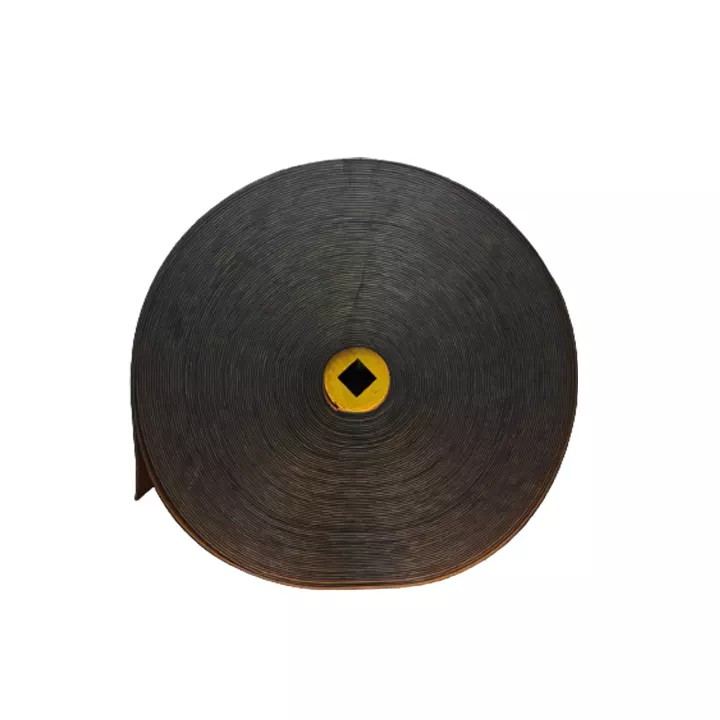
EPDM covers — continuous operation up to 200°C
Industry Applications
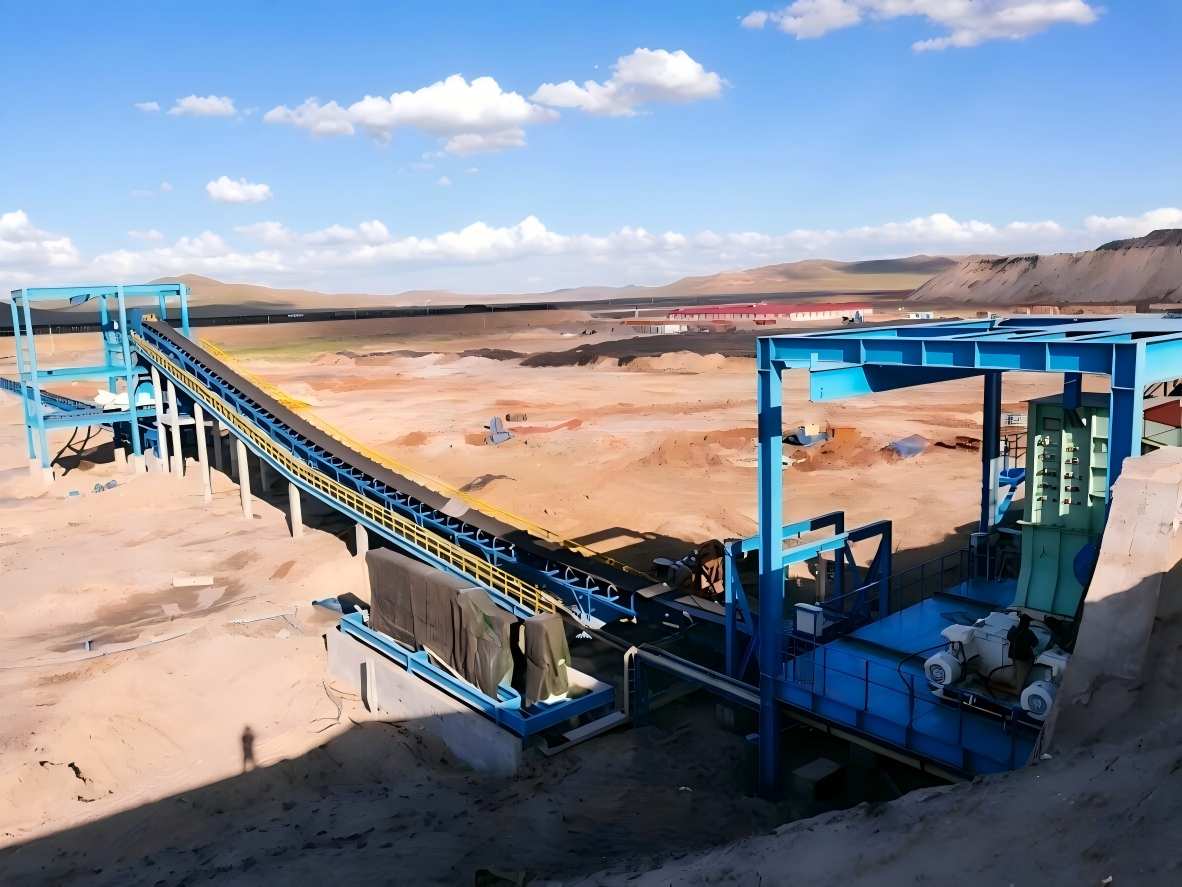
Steel cord and solid woven belts for mine conveyors
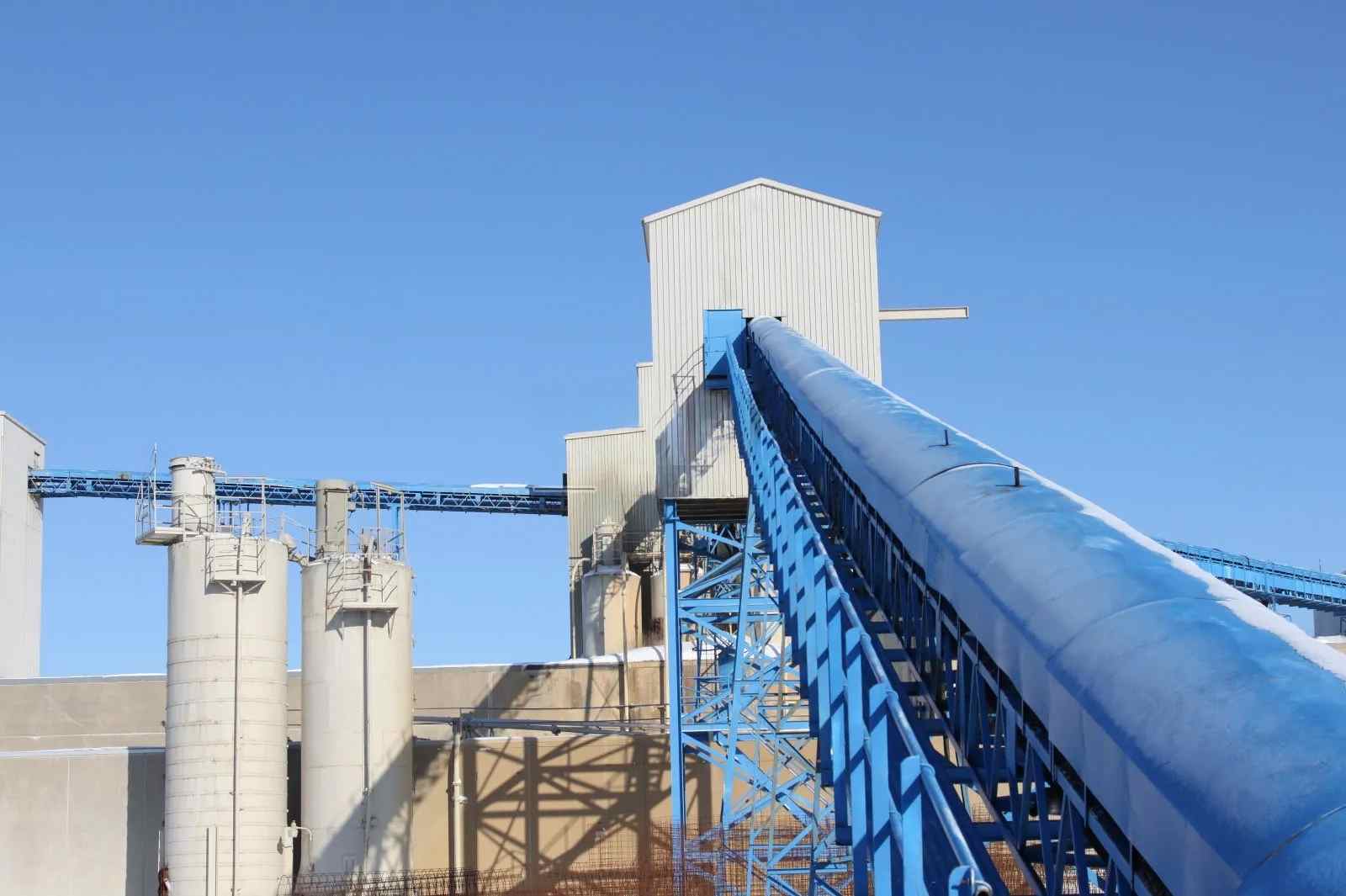
Heat-resistant belts for cement and clinker handling
Need Help Selecting the Right Conveyor Belt?
Contact ZOOMRY for conveyor belt specifications, tensile strength calculations, and expert recommendations tailored to your material, distance, and operating conditions.
Contact Us →