 ZOOMRY

Product Overview
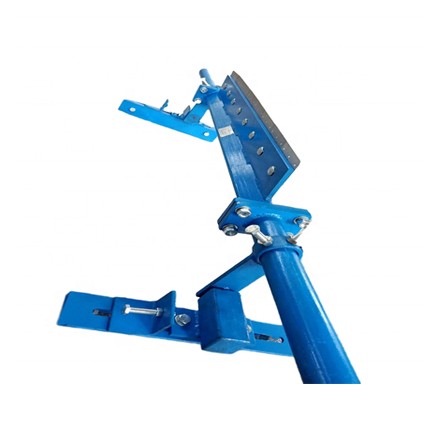
ZOOMRY secondary Belt Cleaner mounts on the return side of the head pulley to capture fine residual carryback that escapes the primary belt cleaner — typically removing particles down to 0.1 mm and achieving up to 95% combined cleaning efficiency. The tungsten carbide blade tips deliver 3–5× longer service life than standard polyurethane in abrasive mining and cement applications, with quick-change cartridge replacement in under 10 minutes.
How to Choose Between Tungsten Carbide and Polyurethane Secondary Blades?
The blade material decision directly impacts cleaning performance and operating cost:
| Factor | Tungsten Carbide | Polyurethane (PU) |
|---|---|---|
| Best for | Abrasive ores, coal, clinker, sinter | Fine powders, grain, fertilizers, non-abrasive bulk |
| Blade life | 15,000–25,000 operating hours | 5,000–8,000 operating hours |
| Cleaning precision | Down to 0.1 mm | Down to 0.3 mm |
| Belt wear risk | Moderate — requires correct tension | Low — gentler on belt surface |
Advantages
- Smooth welding region — free of bubbles and imperfections, resulting in higher bearing capacity.
- Improved wear resistance — polyurethane cleaner blade has no surface bubbles, enhancing durability.
- Wide temperature range — operates reliably from -45°C to +60°C.
- Flexible blade options — choice of cleaning blades for fixing slots and aluminum cores.
- High‑strength carbon steel — manufactured using 35# high strength carbon steel.
- Quick blade replacement — optional built‑in cleaner blade design allows faster changeouts, reducing downtime.
Specifications – Secondary Belt Cleaner
| Model No. | Belt Width (mm) | Blade Width (mm) | AOL(G) (mm) | Pulley Dia. (mm) | L1 (mm) | L2 (mm) |
|---|---|---|---|---|---|---|
| DCCD500S-1 | 500 | 400 | 1200 | 500 / 630 / 800 / 1000 / 1250 / 1400 / 1600 | 326–436 | 195–735 |
| DCCD650S-1 | 650 | 600 | 1300 | 500 / 630 / 800 / 1000 / 1250 / 1400 / 1600 | 338–436 | 258–735 |
| DCCD800S-1 | 800 | 800 | 1500 | 500 / 630 / 800 / 1000 / 1250 / 1400 / 1600 | 356–436 | 342–735 |
| DCCD1000S-1 | 1000 | 1000 | 1700 | 500 / 630 / 800 / 1000 / 1250 / 1400 / 1600 | 376–436 | 441–735 |
| DCCD1200S-1 | 1200 | 1200 | 1900 | 500 / 630 / 800 / 1000 / 1250 / 1400 / 1600 | 400–436 | 563–735 |
| DCCD1400S-1 | 1400 | 1400 | 2100 | 500 / 630 / 800 / 1000 / 1250 / 1400 / 1600 | 416–436 | 636–735 |
| DCCD1600S-1 | 1600 | 1600 | 2300 | 500 / 630 / 800 / 1000 / 1250 / 1400 / 1600 | 436 | 735 |
| DCCD1800S-1 | 1800 | 1800 | 2500 | 500 / 630 / 800 / 1000 / 1250 / 1400 / 1600 | 336–446 | 189–729 |
| DCCD2000S-1 | 2000 | 2000 | 2700 | 500 / 630 / 800 / 1000 / 1250 / 1400 / 1600 | 348–446 | 252–729 |
| DCCD2200S-1 | 2200 | 2200 | 2900 | 500 / 630 / 800 / 1000 / 1250 / 1400 / 1600 | 366–446 | 336–729 |
※ For custom belt widths or special blade materials (tungsten carbide, ceramic), please contact ZOOMRY engineering team.
Where Should the Secondary Cleaner Be Positioned for Maximum Efficiency?
The ideal installation point is on the return side of the head pulley, at 300–500 mm behind the primary blade on belts running over 3.0 m/s. The blade should contact the Conveyor Belt at a 15–20° approach angle — too steep and it gouges the belt, too shallow and it skims over residue. In coal handling and aggregate quarrying, correct positioning reduces return roller buildup by up to 80%.
Common Applications
- Mining and mineral processing — fine iron ore, copper concentrate, and gold tailings that form a sticky paste layer on belts.
- Coal preparation plants — removing damp coal fines that compact onto return rollers and cause belt mistracking.
- Cement and clinker production — high-temperature secondary cleaning behind clinker cooler belts and raw meal conveyors.
- Fertilizer and chemical plants — corrosion-resistant configurations for urea, DAP, and potash handling where material residue attracts moisture.
- Port and terminal conveyors — high-capacity belt lines where unscheduled downtime for cleanup costs thousands per hour.
Manufacturing Process Video
Related Industry Solutions
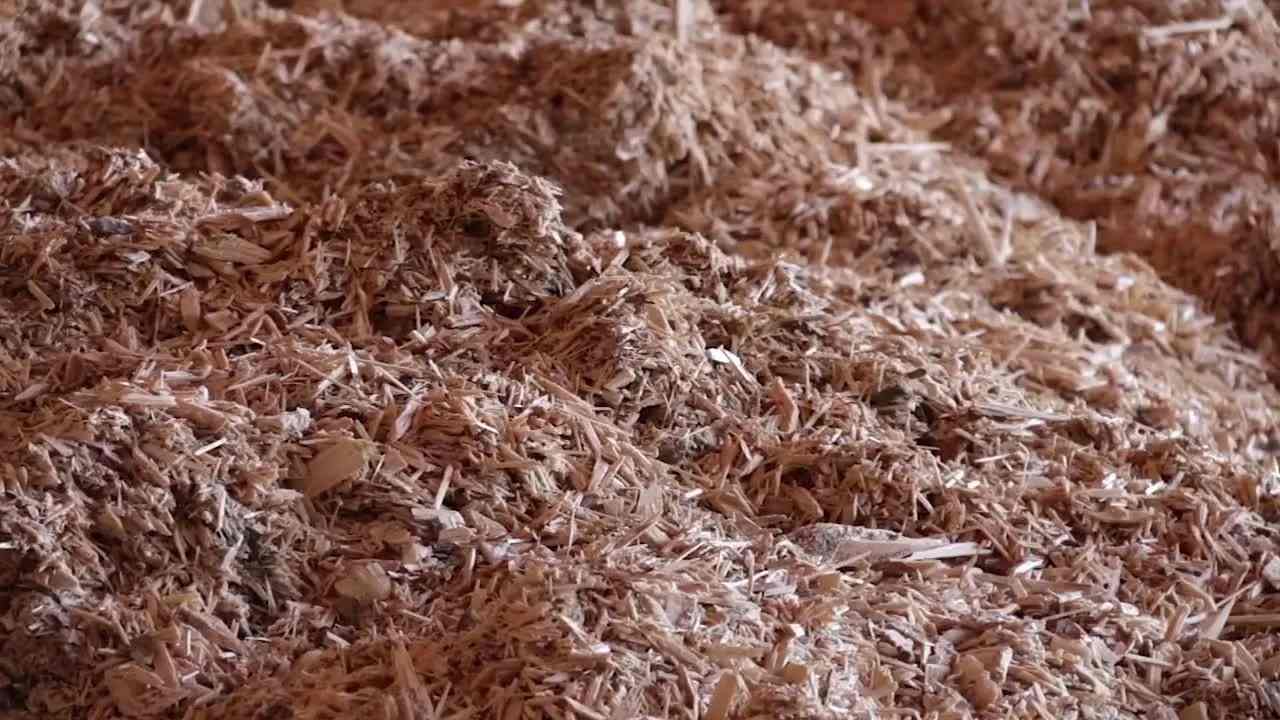
Woodchips & Sawdust Conveyor Systems
Enclosed, dust-free conveyor systems for woodchips, sawdust, and biomass handling. Pipe conveyors, mobile stackers, and truck unloaders designed for combustible dust safety and moisture protection.
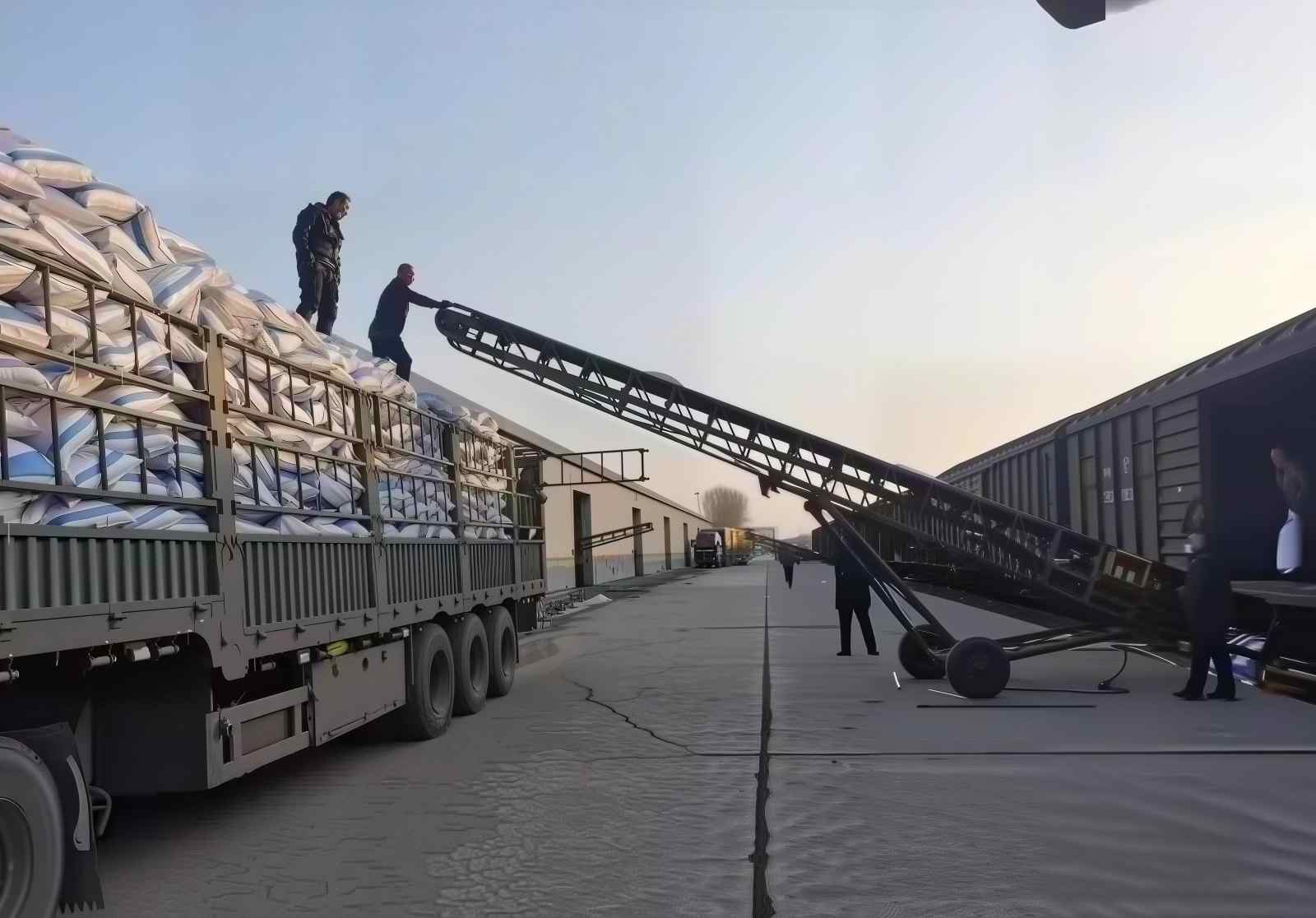
Fertilizer Handling Conveyor Systems
Corrosion-resistant, enclosed conveyor systems for urea, DAP, MAP, and potash handling. HDPE rollers, stainless steel hopper feeders, and fertilizer shiploaders for chemical resistance and dust control.
Need a Custom Secondary Belt Cleaner?
Contact our engineering team for blade material recommendations and custom sizing.
Contact Us WhatsApp