 ZOOMRY

Selecting the right telescopic stacker is one of the most critical decisions in bulk material handling. The wrong choice leads to insufficient stockpile capacity, excessive operating costs, or equipment that cannot keep pace with production demands. But with five standard models — from the compact ZR80SF to the high-capacity ZR160SF — how do you determine which telescopic stacker matches your operation?
This guide walks you through the key selection criteria: material type, required throughput, stockpile dimensions, site mobility needs, and budget. By the end, you will have a clear framework for matching the right ZOOMRY telescopic stacker model to your specific application — whether you are stockpiling coal at a port terminal, limestone at a cement plant, or iron ore at a mine site.
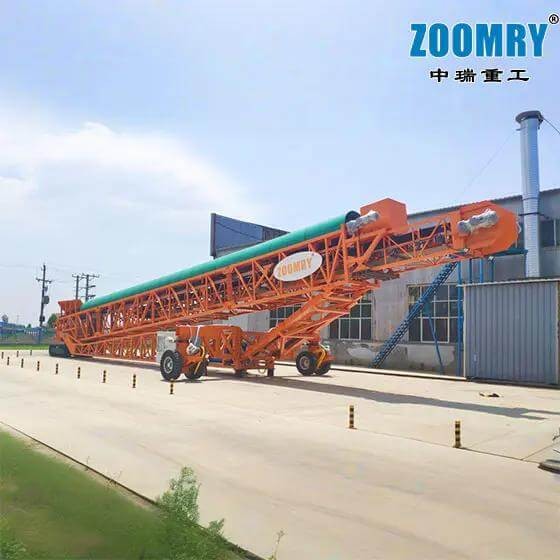
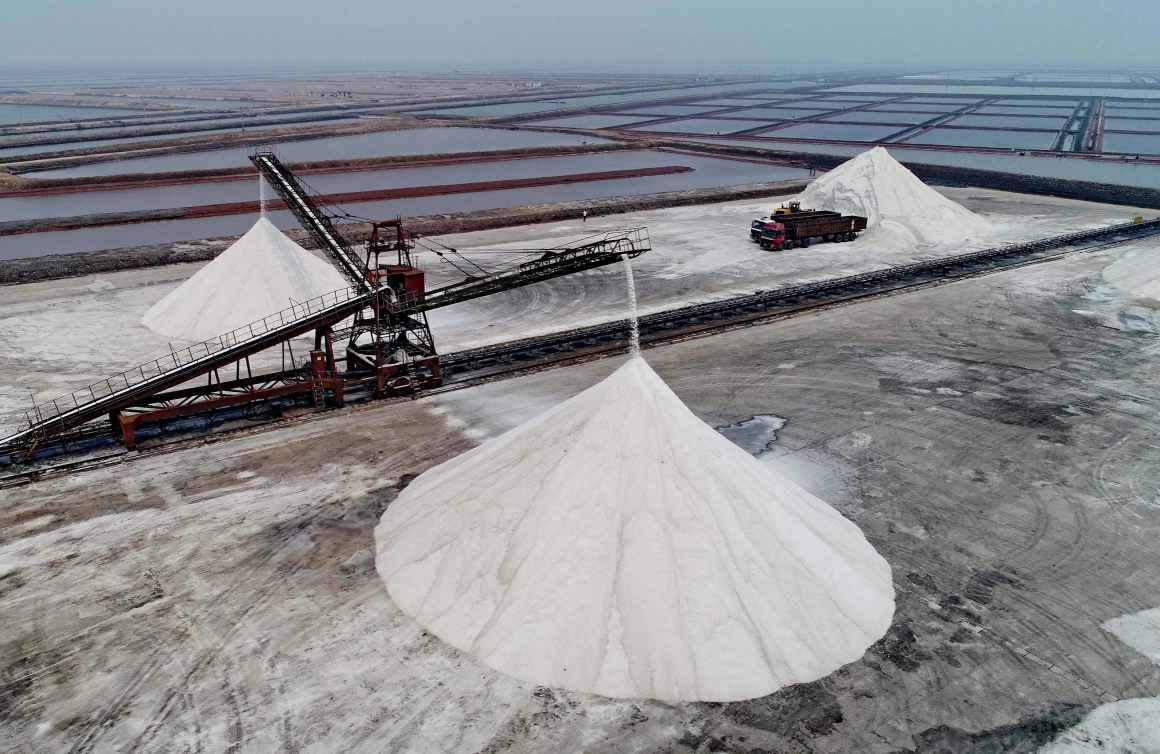
ZOOMRY Telescopic Stacker — Building a layered stockpile with 360° radial slewing at a quarry operation
Telescopic Stacker Model Comparison at a Glance
| Model | Belt Width (mm) | Max Capacity (m³/h) | Telescopic Length (m) | Best For | Typical Industry |
|---|---|---|---|---|---|
| ZR80SF | 800 | 450 | 40 | Small to medium stockpiles | Quarry, Sand & Gravel |
| ZR100SF | 1000 | 700 | 40 | Multi-site operations | Mining, Coal |
| ZR120SF | 1200 | 1000 | 50 | High-throughput quarry & mine | Mining, Cement |
| ZR140SF | 1400 | 1500 | 50 | Large mine & port terminal | Port, Iron & Steel |
| ZR160SF | 1600 | 2400 | 55 | Maximum throughput | Port, Iron Ore |
What Factors Should You Consider When Selecting a Telescopic Stacker?
1. Material Type and Characteristics
Different materials place different demands on your stacking equipment. Abrasive materials like iron ore and granite require wider Conveyor Belts with higher cover grades to resist wear. Light, free-flowing materials like grain and woodchips allow higher belt speeds on narrower belts. Sticky materials like clay or wet limestone benefit from Belt Cleaners and wider discharge openings. Match the belt width and speed to your material density — ZOOMRY offers belts from 800mm to 1,600mm with speeds up to 4.0 m/s.
2. Required Stockpile Capacity and Height
How much material do you need to store, and how high can you stack it? The telescopic boom length directly determines your stockpile radius and height. A ZR80SF with a 40m boom can build piles up to 10m high across a modest yard. A ZR160SF with a 55m boom reaches 20m stacking height, creating stockpiles that hold tens of thousands of tons without repositioning. For operations where yard space is limited, the taller, narrower pile profile of a longer boom model maximizes storage per square meter.
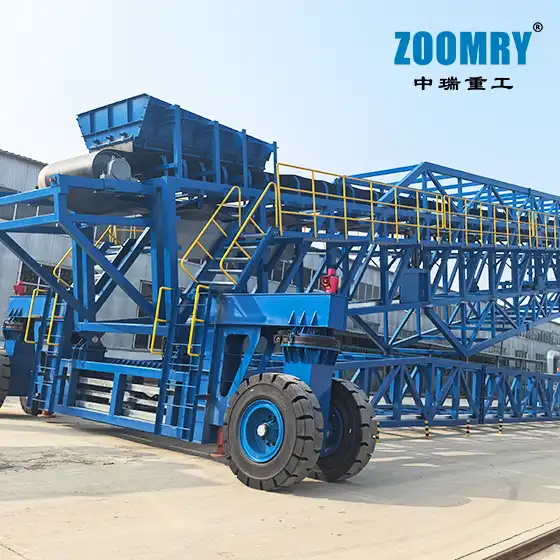
ZOOMRY Mobile Telescopic Stacker — High-capacity stockpiling with 55m telescopic boom at a mining operation
3. Mobility Requirements
Will your stacker stay in one location or move between sites? For permanent installations, a fixed radial telescopic stacker provides maximum stability with the same telescopic benefits. For multi-site operations, the wheeled mobile telescopic stacker moves between stockpile zones under its own power. For soft or uneven terrain — such as undeveloped mine sites — a tracked radial stacker offers superior flotation and gradeability. Choose based on your ground conditions and relocation frequency.
4. Integration with Existing Equipment
A telescopic stacker rarely works alone. Consider how material reaches the stacker: from a crusher, a screening plant, a hopper feeder, or a truck unloader. ZOOMRY stackers integrate seamlessly with grasshopper conveyors, belt conveyor systems, and mobile ship loaders — forming a complete mobile stockpiling system. If you plan to add reclaiming capability later, consider pairing with a Bucket Wheel Stacker Reclaimer for combined stacking and reclaiming operations.
Recommended Complementary Equipment for Your Stacking System
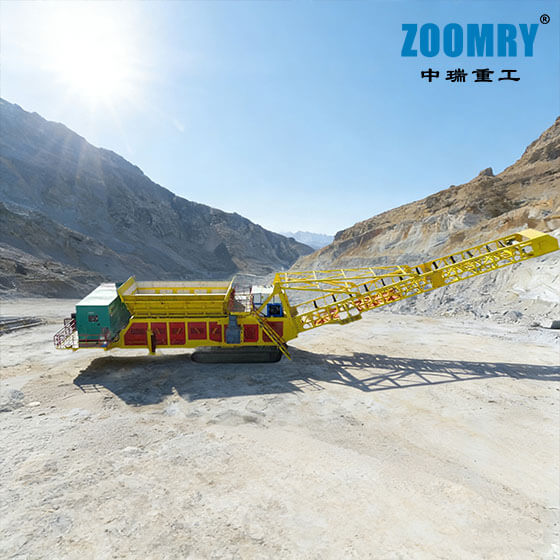
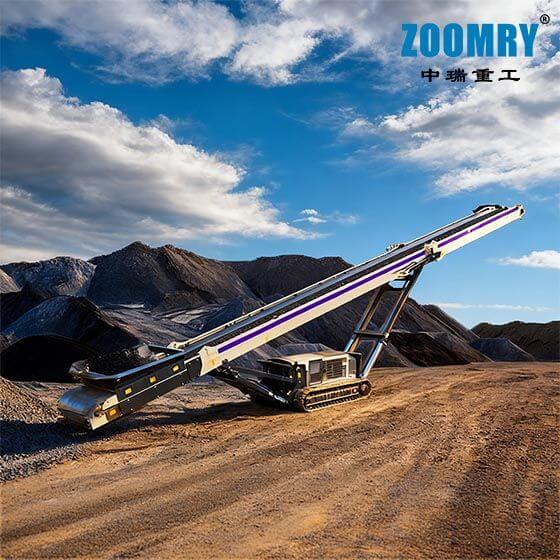
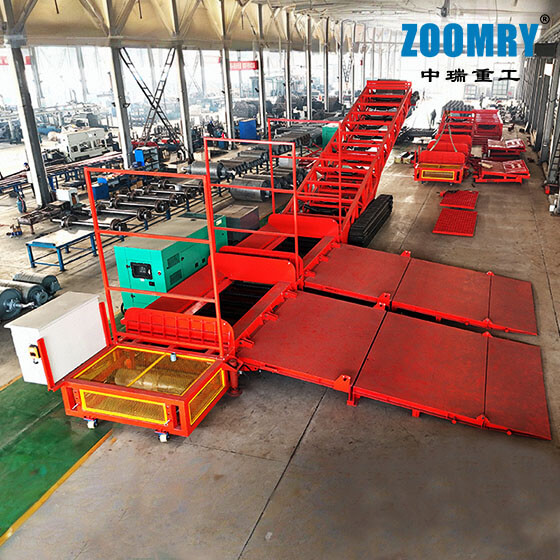
To build a complete mobile stockpiling system, consider these essential complementary products that work seamlessly with your telescopic stacker:
When Should You Choose a Telescopic Stacker Over Other Stacking Solutions?
Telescopic stackers excel when you need flexibility without sacrificing capacity. Compared to fixed conveyors, they offer radial slewing and adjustable discharge height — building larger, more uniform stockpiles. Compared to wheel loaders, they reduce fuel consumption by 40-60% and eliminate material segregation through controlled layered stacking. Compared to portable stackers, they provide greater reach (up to 55m vs 14-15m) and higher throughput (up to 2,400 m³/h vs 550 t/h).
Choose a telescopic stacker when your operation requires: stockpile heights exceeding 10m, throughput above 450 m³/h, the ability to serve multiple stockpile zones from one feed point, or frequent relocation between project sites. For lighter-duty, short-term applications — such as farm storage or small construction sites — a portable stacker may offer a more cost-effective solution with faster deployment.
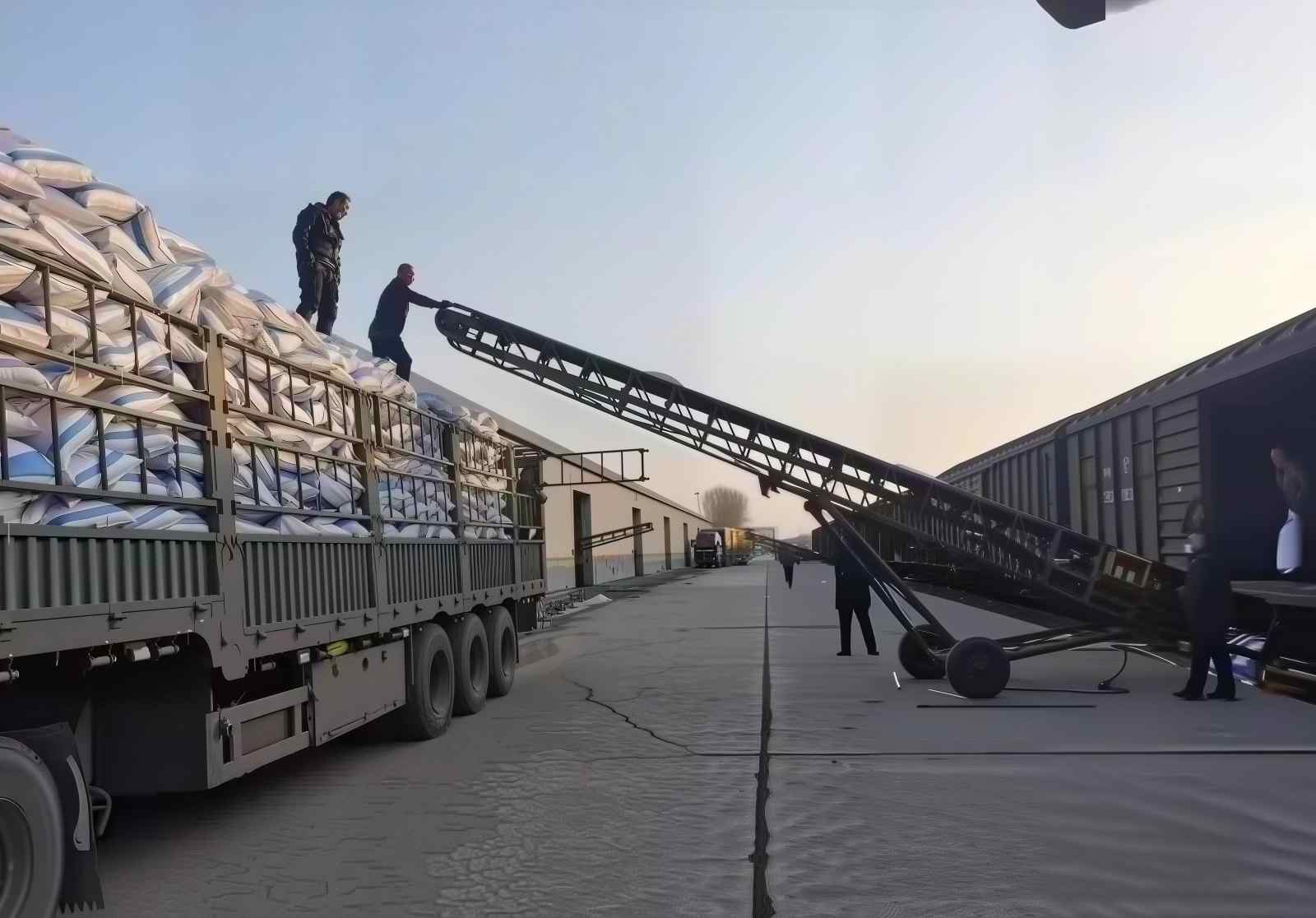
Related Industry Solutions
Need Help Selecting the Right Stacker Model?
Contact ZOOMRY for a personalized stacker recommendation based on your material, site, and throughput requirements — backed by 20+ years of bulk material handling expertise.
Contact Us Today