 ZOOMRY

Rubber lagging, ceramic lagging, or replaceable lagging — which type is right for your conveyor drive pulley? A complete comparison guide for mining, cement, and quarry applications.
Pulley lagging is the layer of material bonded to the surface of a conveyor drive pulley. It serves three critical functions: increasing friction between the pulley and the Conveyor Belt to prevent slippage, protecting the pulley shell from abrasive wear, and shedding water and debris to maintain consistent grip. Choosing the wrong lagging type — or delaying replacement when lagging is worn — leads to belt slip, accelerated pulley wear, increased energy consumption, and unplanned downtime.
This guide compares the three main types of pulley lagging — rubber, ceramic, and replaceable — across friction coefficient, service life, installation method, and total cost. With over 20 years of experience in bulk material handling across mining, cement, and quarry operations, ZOOMRY helps customers select the right lagging for their specific application.
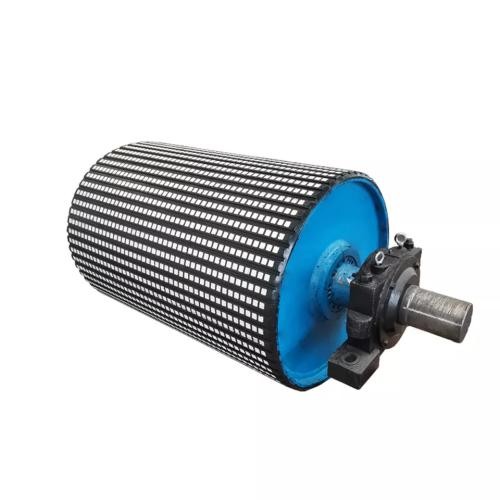
ZOOMRY Pulley Lagging — Rubber, Ceramic & Replaceable Options for Mining, Cement & Quarry Drive Pulleys
Why Does Pulley Lagging Matter for Conveyor Performance?
The drive pulley is the heart of any belt conveyor's power transmission system. It converts motor torque into belt motion through friction — and lagging is what makes that friction possible. Without lagging, the smooth steel pulley surface offers minimal grip, especially when wet or dusty. The belt slips, energy is wasted, and both the belt cover and pulley shell wear rapidly.
With properly selected and maintained lagging, the drive pulley achieves its designed friction coefficient, transmits power efficiently, and protects both the belt and the pulley from premature wear. In high-tension applications — such as long-distance overland conveyors or inclined mine trunk conveyors — the right lagging can be the difference between reliable 24/7 operation and frequent, costly maintenance shutdowns.
How Do the Three Lagging Types Compare?
| Feature | Rubber Lagging | Ceramic Lagging | Replaceable Lagging |
|---|---|---|---|
| Friction Coefficient | 0.30–0.35 | ≥ 0.45 | 0.30–0.45 (depends on material) |
| Service Life | Standard | 3–5x longer than rubber | Standard (but plates replaceable) |
| Best For | Standard-duty, non-drive pulleys | High-tension drive pulleys, abrasive materials | Critical pulleys where downtime must be minimized |
| Wet Condition Performance | Moderate (diamond groove helps) | Excellent (raised tiles shed water) | Good (depends on material choice) |
| Installation | Vulcanized or cold-bond | Vulcanized or cold-bond | Slide-in plates, on-site, no pulley removal |
| Relative Cost | $ (Lowest) | $$$ (Highest initial) | $$ (Moderate initial, lowest lifecycle) |
When Should You Choose Rubber Lagging?
Rubber lagging is the most economical and widely used lagging type. It is the standard choice for non-drive pulleys — tail pulleys, snub pulleys, and take-up pulleys — where grip requirements are moderate and the main purpose is to protect the pulley shell from wear and corrosion. Diamond-grooved rubber lagging provides improved water-shedding for wet environments, while plain rubber offers the lowest cost for indoor or climate-controlled applications.
For drive pulleys in standard-duty applications — such as short conveyors in aggregate plants or moderate-load transfer conveyors — rubber lagging provides adequate grip at an economical price point. ZOOMRY's rubber lagging is available in thicknesses from 6mm to 25mm, with hot vulcanized application for maximum bond strength.
When Should You Upgrade to Ceramic Lagging?
Ceramic pulley lagging is the premium choice for high-tension drive pulleys in abrasive mining and quarry environments. Alumina ceramic tiles embedded in a rubber backing provide a friction coefficient of ≥ 0.45 — up to 50% higher than standard rubber lagging — and maintain this grip even in wet, muddy conditions. The ceramic tiles resist the cutting and gouging that rapidly degrades rubber lagging, lasting 3–5 times longer in the same application.
The investment case for ceramic lagging is straightforward: if your drive pulley requires re-lagging every 12–18 months with rubber, ceramic lagging will last 3–5 years or more. The higher initial cost is recovered within the first extended maintenance cycle through reduced downtime, lower replacement labor, and elimination of belt slip-related energy waste. For long-distance overland conveyors, mine trunk conveyors, and any application where unplanned drive pulley maintenance stops production, ceramic lagging is the correct specification.
When Is Replaceable Lagging the Best Solution?
Replaceable pulley lagging solves a fundamental problem with traditional lagging: when it wears out, the entire pulley must be removed from the conveyor, transported to a workshop, stripped, re-lagged, and reinstalled — a multi-day process that halts production. Replaceable lagging eliminates this entirely by using pre-manufactured slide-in plates secured by metal retainers welded to the pulley face. When lagging wears, maintenance crews simply slide out the worn plates and slide in new ones — on-site, in hours, without removing the pulley or the belt.
This system is ideal for critical drive pulleys where downtime directly impacts revenue — mine trunk conveyors, cement plant raw material lines, and port ship loading conveyors. A small inventory of spare lagging plates kept on-site enables immediate maintenance response. Available in both rubber and ceramic options, replaceable lagging delivers the same friction performance as traditional lagging with dramatically lower lifecycle maintenance costs. The labor savings alone — up to 70% less installation time — often justify the initial investment within the first replacement cycle.
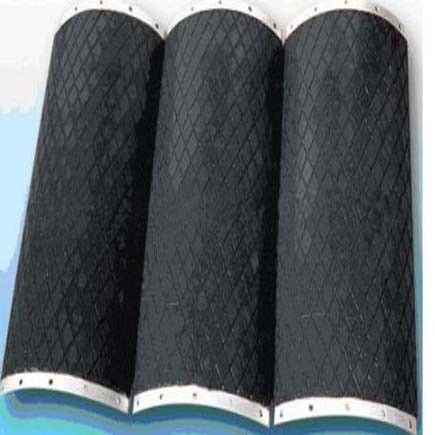
ZOOMRY Replaceable Pulley Lagging — On-Site Installation, No Pulley Removal, Up to 70% Labor Savings
How to Decide: A Quick Selection Guide
| Your Situation | Recommended Lagging |
|---|---|
| Non-drive pulley, moderate environment | Plain Rubber Lagging |
| Drive pulley, wet conditions | Diamond-Grooved Rubber Lagging |
| Drive pulley, abrasive material, high tension | Ceramic Lagging |
| Drive pulley, abrasive + wet + high tension | Ceramic Lagging (high priority) |
| Critical pulley, downtime extremely costly | Replaceable Lagging (rubber or ceramic) |
| Remote mine site, no workshop nearby | Replaceable Lagging with spare plates on-site |
Related Industry Solutions
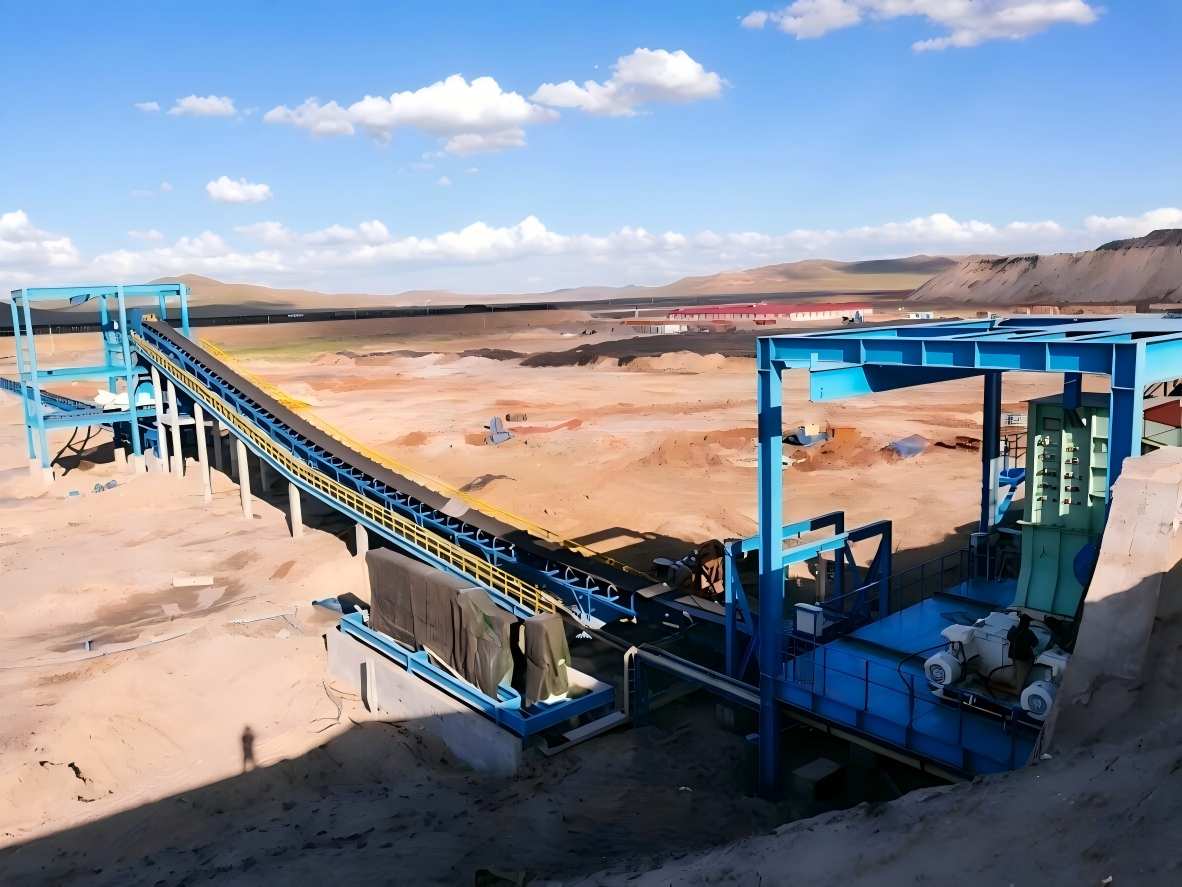
Mining Conveyor Solutions
Heavy-duty conveyor systems for surface and underground mining — long-distance curved belt conveyors, Pipe conveyors, and Bucket Wheel Stacker Reclaimers for abrasive ores and 24/7 operation.
Learn More →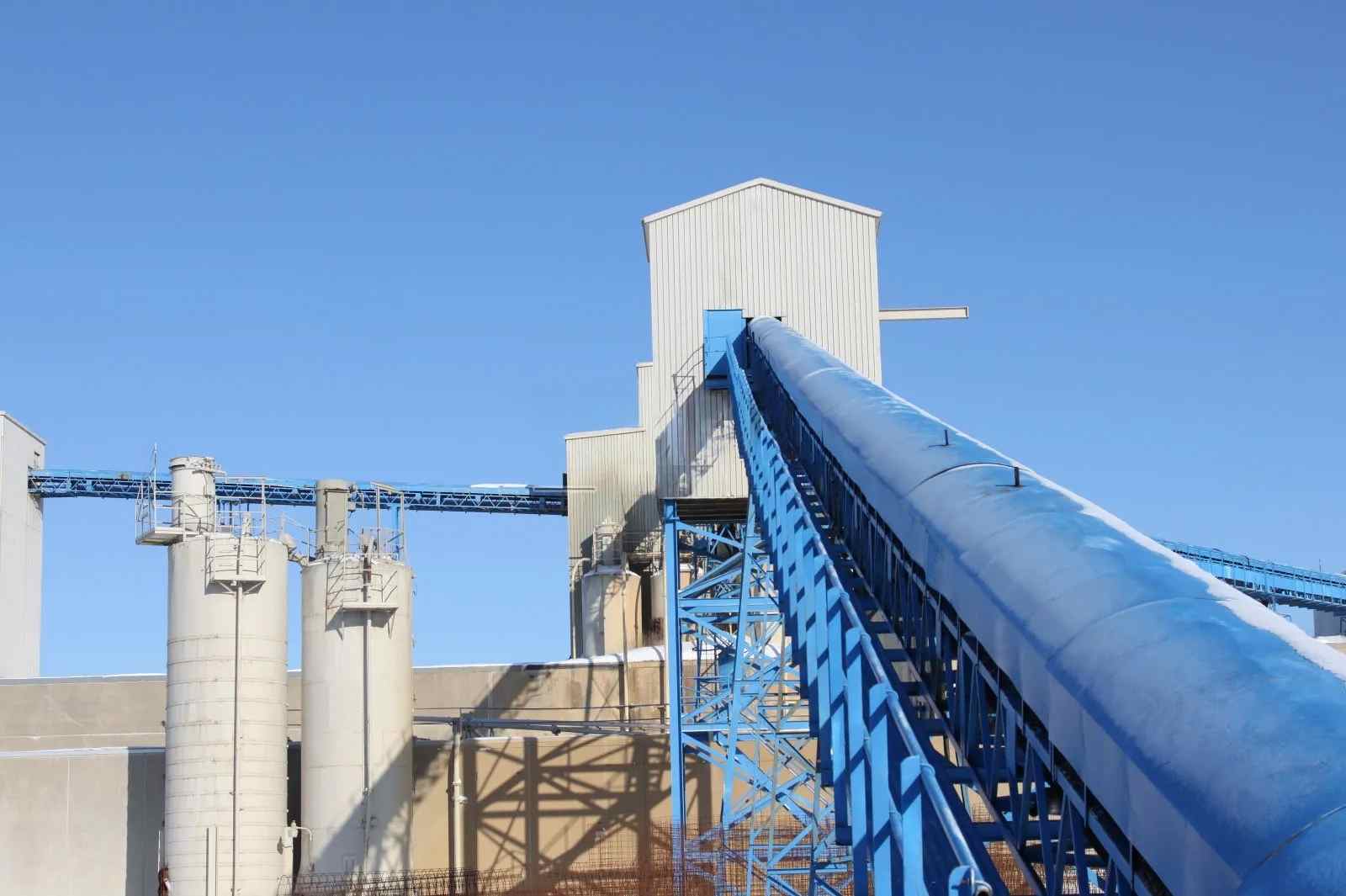
Cement & Clinker Conveyor Solutions
Complete conveyor systems for cement plants — long-distance curved belt conveyors for quarry-to-plant limestone transport, enclosed pipe conveyors for dust-free raw meal handling, and heat-resistant belts for clinker up to 200°C.
Learn More →Need Help Selecting the Right Pulley Lagging?
Contact ZOOMRY's engineering team for expert lagging selection advice — backed by 20+ years of conveyor component experience.
Contact Us Today