 ZOOMRY

How to choose the right Conveyor Belt roller for your bulk material handling application — a complete selection guide covering steel, HDPE, impact, and return rollers.
Conveyor belt rollers are the most numerous component in any belt conveyor system — a single long-distance conveyor may contain thousands of them. Choosing the wrong roller type for your application leads to premature bearing failure, increased energy consumption, belt mistracking, and unplanned downtime. Yet roller selection is often treated as an afterthought, with purchasing decisions driven by initial price rather than lifecycle cost.
This guide walks you through the key factors in conveyor roller selection — material, seal type, bearing quality, and application environment — so you can match the right roller to your specific operating conditions. Whether you're specifying rollers for an abrasive mining operation, a corrosive fertilizer plant, or a high-capacity port terminal, ZOOMRY's engineering team has over 20 years of experience helping customers make the right choice.
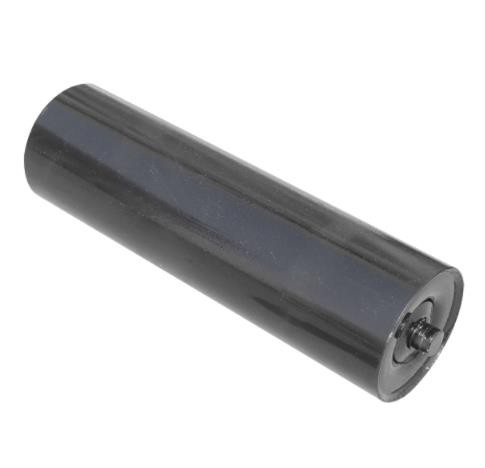
ZOOMRY Conveyor Rollers — Steel, HDPE, Impact & Return Types for Mining, Cement, Port & Chemical Applications
What Are the Different Types of Conveyor Belt Rollers?
Conveyor rollers are not one-size-fits-all. Each type is engineered for a specific position on the conveyor and a specific set of operating conditions. Understanding the differences is the first step in making the right selection:
Steel Rollers — Heavy-Duty Standard for Most Applications
Steel conveyor rollers are the industry standard for general bulk material transport. Manufactured from precision steel pipe with high-quality bearings, they provide reliable load support on both the carrying and return sides of the belt. ZOOMRY steel rollers feature low rotation resistance (≤2N), radial runout within 0.4mm, and a service life exceeding 50,000 hours. They are the most cost-effective choice for standard-duty applications in mining, quarrying, and aggregate handling where the operating environment is not highly corrosive.
HDPE Rollers — Corrosion-Resistant for Chemical & Coastal Environments
HDPE conveyor rollers are specifically engineered for environments where standard steel rollers corrode rapidly — high-salinity coastal ports, fertilizer production lines, and chemical processing plants. The non-corrosive HDPE shell is lightweight (reducing belt energy consumption), non-magnetic, and anti-static. With a service life of 40,000+ hours in corrosive conditions that would destroy steel rollers within months, HDPE rollers are the clear choice for fertilizer, salt, and coastal port applications.
Impact Rollers — Shock Absorption for Loading Zones
Impact rollers are designed for the conveyor loading area where falling material creates high-energy impacts that can damage both the belt and standard rollers. Fitted with rubber disc rings that absorb shock and distribute impact forces, these rollers protect the belt carcass from puncture and extend belt splice life. In high-drop loading zones — such as primary crusher discharge conveyors in quarry operations — impact rollers are not optional; they are essential for preventing catastrophic belt damage.
Return Rollers — Belt Support & Self-Cleaning on the Return Side
Return rollers support the empty belt on its return journey. Standard return rollers can be steel or HDPE, but for applications where sticky materials adhere to the belt surface, specialized designs make a significant difference. Rubber disc return rollers prevent material buildup that causes belt mistracking, while steel spiral return rollers provide a self-cleaning action that sheds sticky material automatically — ideal for coal, clay, and other adhesive materials.
How to Match Roller Material to Your Operating Environment?
The operating environment is the single most important factor in roller selection. A steel roller that lasts 50,000+ hours in a dry quarry may corrode and seize within months in a coastal fertilizer terminal. Here is a quick reference for matching roller material to environment:
| Environment | Recommended Roller | Key Reason |
|---|---|---|
| Dry mining / quarry | Steel Roller | Cost-effective, high strength, long service life |
| Coastal port / high humidity | HDPE Roller | Non-corrosive, salt-spray resistant |
| Chemical / fertilizer plant | Corrosion-Resistant HDPE Roller | Acid and alkali resistant, anti-static |
| Coal mine (underground) | Steel Roller + Fire-Resistant Seals | Flame-retardant, anti-static requirements |
| High-drop loading zone | Impact Roller | Shock absorption, belt protection |
| Sticky material (coal, clay) | Steel Spiral Return Roller | Self-cleaning, prevents buildup |
What Key Specifications Should You Evaluate When Selecting Rollers?
Beyond material type, several technical specifications determine how well a roller will perform in your specific conveyor system:
Seal Type — The First Line of Defense Against Contamination
Bearing contamination is the leading cause of premature roller failure. ZOOMRY offers multi-stage labyrinth seals as standard, with IP66-rated sealing optional for wet and dusty environments. The labyrinth design creates a tortuous path that prevents dust, water, and slurry from reaching the bearing — without the friction penalty of full-contact seals. For applications where the conveyor is regularly washed down or exposed to heavy rain, IP66 sealing provides an additional level of protection.
Bearing Quality — The Heart of Roller Performance
A roller is only as good as its bearing. ZOOMRY uses SKF, FAG, and ZWZ bearings selected for their proven performance in continuous-duty conveyor applications. Key bearing specifications to evaluate include: C3 internal clearance (allows for thermal expansion in high-temperature environments), 2RS double-contact sealing (prevents lubricant loss and contaminant ingress), and high-quality lithium-based grease (maintains viscosity across a wide temperature range).
Rotation Resistance — Direct Impact on Energy Consumption
Low rotation resistance is not just about bearing quality — it directly affects your energy bill. ZOOMRY rollers maintain rotation resistance ≤2N (compared to the industry standard of 3N). Across a long-distance conveyor with 10,000+ rollers, this 1N difference translates into measurable energy savings over the conveyor's operating life. Always specify rotation resistance when comparing rollers from different manufacturers.
How to Calculate the True Cost of Conveyor Rollers?
The purchase price of a roller is only a fraction of its true cost. A cheaper roller that fails after 15,000 hours requires replacement labor, production downtime, and risks damaging the conveyor belt itself — a single belt splice repair can cost more than the entire batch of rollers. ZOOMRY's approach is to engineer rollers for lowest total cost of ownership:
- Longer service life (50,000+ hours) — fewer replacements, less downtime, lower maintenance labor costs
- Lower rotation resistance (≤2N) — reduced motor power consumption across the entire conveyor system
- Better belt protection — precision manufacturing (radial runout ≤0.4mm) prevents belt mistracking and edge wear
- Standardized dimensions — interchangeable with CEMA-standard rollers, simplifying spare parts management
When evaluating roller suppliers, ask for the total lifecycle cost — not just the unit price. A roller that costs 20% more but lasts 3x longer delivers far better value over the conveyor's operating life.
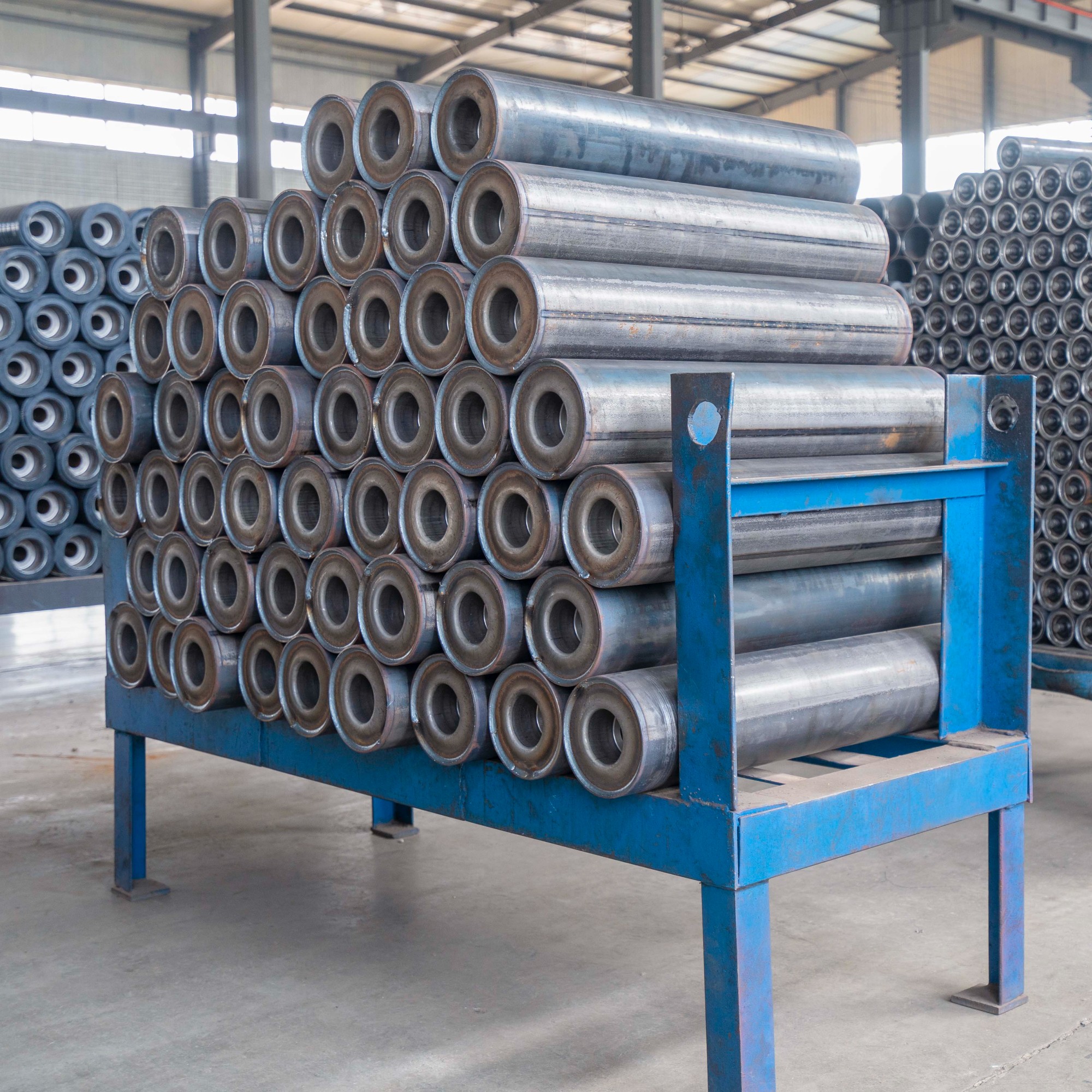
ZOOMRY Conveyor Roller — Multi-Stage Labyrinth Seal, Precision Bearings, 50,000+ Hour Service Life
Related Industry Solutions
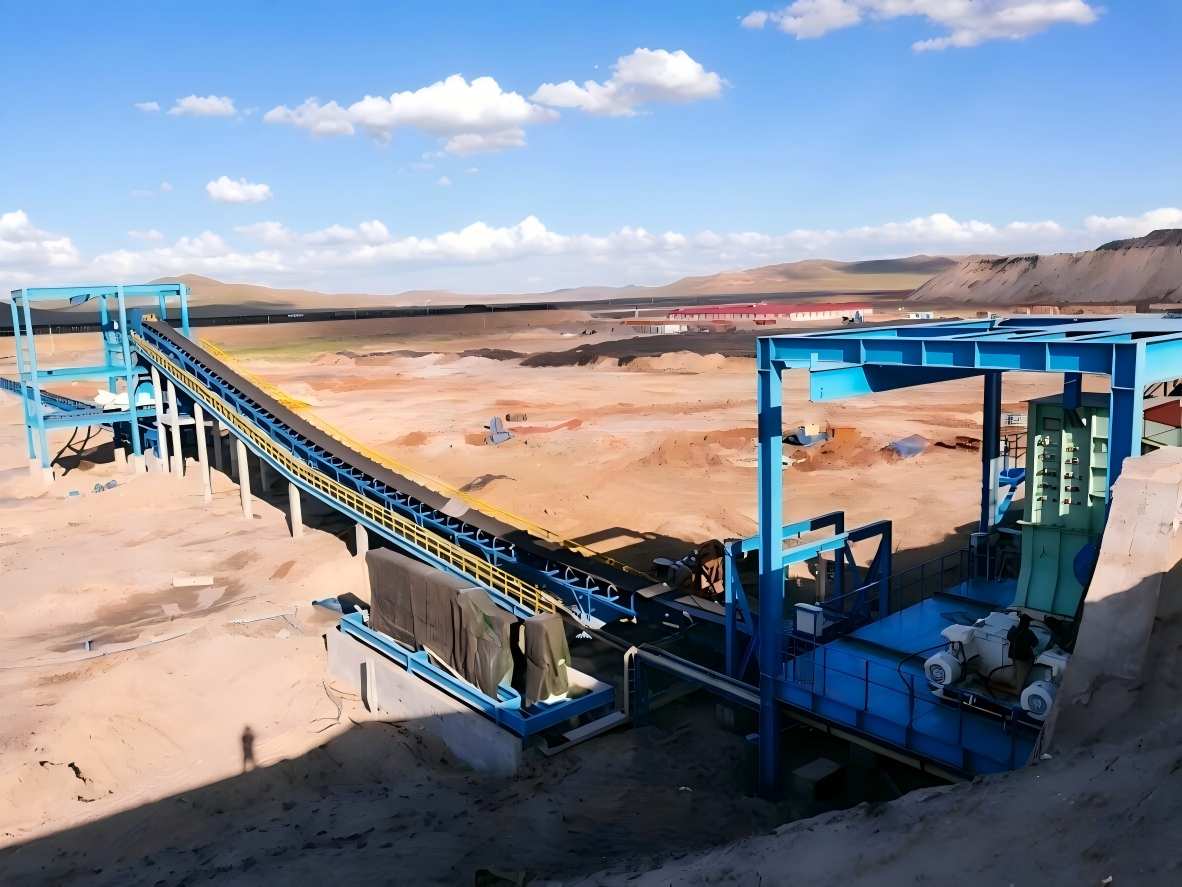
Mining Conveyor Solutions
Heavy-duty conveyor systems for surface and underground mining — long-distance curved belt conveyors, Pipe conveyors, and Bucket Wheel Stacker Reclaimers for abrasive ores and 24/7 operation.
Learn More →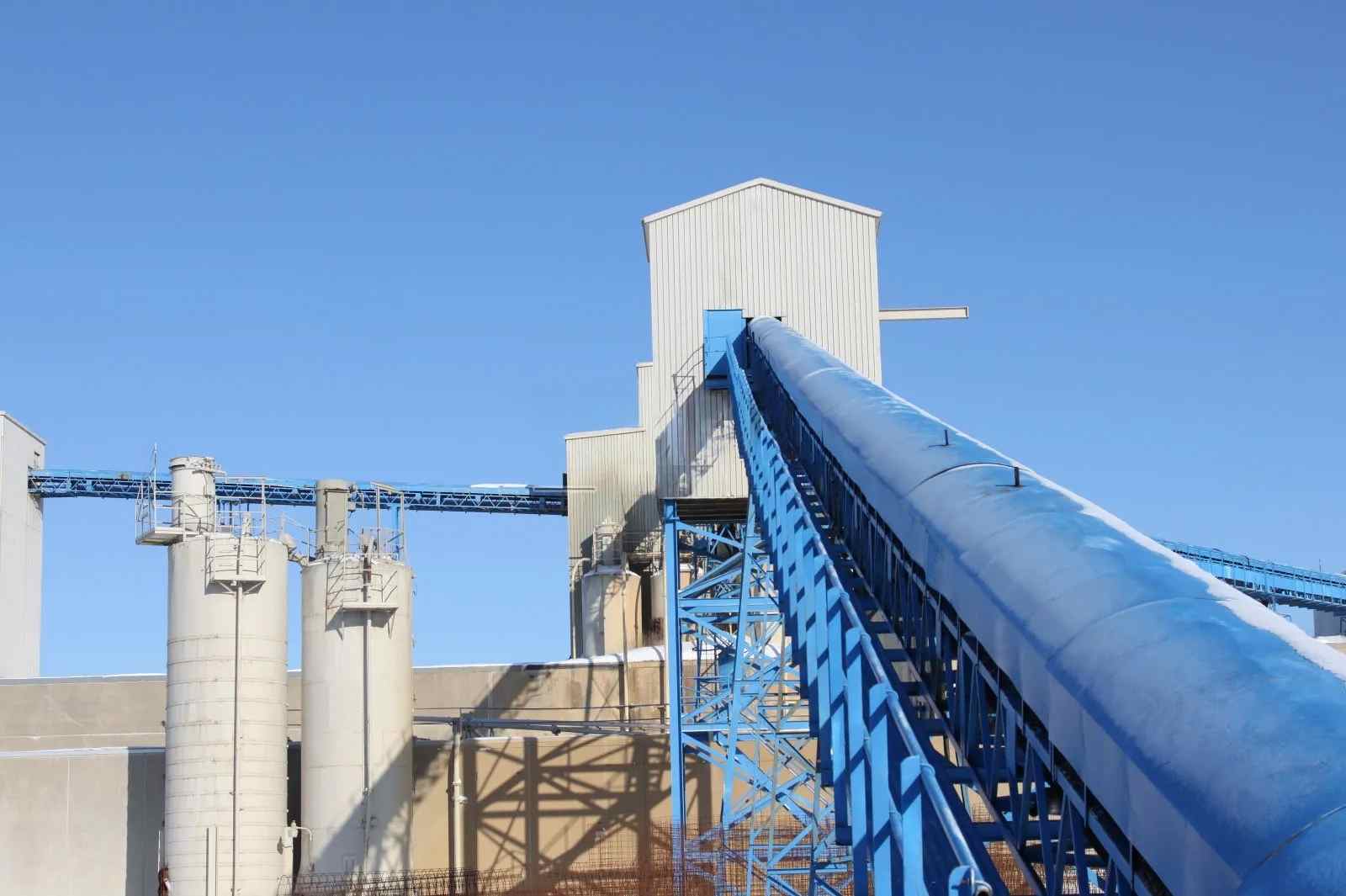
Cement & Clinker Conveyor Solutions
Complete conveyor systems for cement plants — long-distance curved belt conveyors for quarry-to-plant limestone transport, enclosed pipe conveyors for dust-free raw meal handling, and heat-resistant belts for clinker up to 200°C.
Learn More →Need Help Selecting the Right Conveyor Rollers?
Contact ZOOMRY's engineering team for expert roller selection advice — backed by 20+ years of conveyor component experience across 100+ countries.
Contact Us Today