 ZOOMRY

A mobile ship loader gives ports, river terminals, mining operations, and export yards a practical way to load bulk materials without committing to a permanent rail-mounted installation. Instead of moving the vessel or relying on multiple fixed transfer points, operators can position the machine along the quay and use its boom movement to serve different holds. The right configuration depends on more than rated capacity: berth surface condition, vessel size, loading pattern, incoming material flow, dust requirements, and the need to serve one or multiple berths all affect the selection.
This guide explains how to compare radial telescopic, all-travel wheeled, and tracked ship loading configurations. It also outlines the system components that support efficient loading of coal, iron ore, grain, fertilizer, aggregates, PKE, and PKS, helping project teams define a solution that matches actual terminal conditions rather than a generic equipment specification.
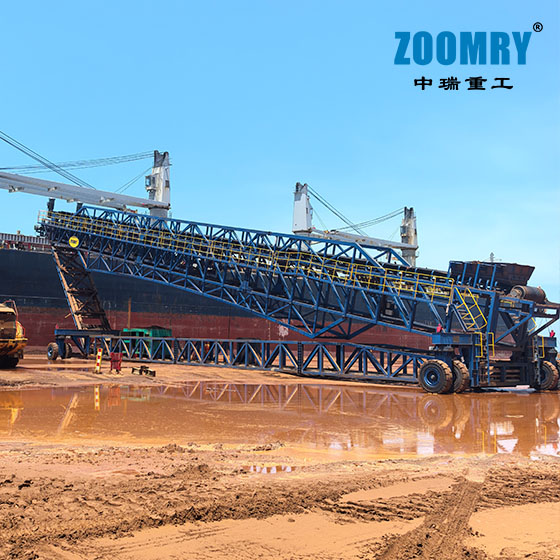
Start With the Loading Duty
The first step is to define the loading duty in operational terms. Required throughput is important, but it should be evaluated together with annual tonnage, operating hours, vessel turnaround targets, material bulk density, particle size, moisture content, and loading sequence. A system sized only around peak tonnes per hour may still create delays if it cannot reach all hatches efficiently or if the upstream feed arrangement cannot sustain the target rate.
ZOOMRY ship loading solutions are available in capacities from 100 to 3,500 t/h, with conveyor lengths up to 65 m depending on the configuration. This range supports applications from barges and inland terminals to Panamax and Capesize bulk carriers. The final duty should be confirmed using the actual material flow rate, berth layout, vessel hatch geometry, and the available feed conveyor or truck receiving system.
- For intermittent barge loading: prioritize fast deployment, simple feed integration, and adequate boom reach over maximum installed capacity.
- For export terminals: prioritize continuous feed, high loading rates, controlled hatch trimming, dust management, and reliable movement between loading positions.
- For multiple materials: define the most demanding material first, including abrasiveness, corrosion risk, dust behavior, and contamination requirements.
Choose the Right Mobility Configuration
Mobility determines how the equipment works within the terminal. A quay with stable pavement and several vessel positions requires a different machine from a temporary port with soft ground or an unpaved mining jetty. Selecting the chassis early also helps engineers define cable routing, diesel or electric power supply, turning space, ground bearing requirements, and interfaces with upstream conveyors.
Radial Telescopic Configuration
A radial telescopic shiploader is designed for flexible boom positioning. Radial slewing helps the operator reach across a hatch, while telescoping allows the discharge point to move closer to the loading area. This configuration is suitable where the loader is fed from a fixed point or a short link conveyor and must distribute material across several hatch positions with fewer machine movements.
All-Travel Wheeled Configuration
An all-travel mobile shiploader moves along the dock on wheels, allowing a single unit to serve multiple holds or berths without rail infrastructure. It is a strong option for paved quays where berth usage changes frequently and terminal operators want to avoid repositioning the vessel for each loading area.
Tracked Configuration
A tracked ship loader is intended for unpaved quaysides, remote loading areas, and soft or variable ground conditions. Crawler mobility distributes machine weight over a larger area and supports on-site repositioning without towing equipment. It is particularly relevant for temporary docks, mining ports, and terminals where civil infrastructure is limited.
Match the System to the Material
A ship loading system is not only a conveyor on a mobile chassis. Material properties influence belt selection, chute design, liners, sealing, corrosion protection, dust suppression, and the preferred discharge method. Coal and iron ore can demand heavy-duty wear protection, while fertilizer, salt, and potash require corrosion-resistant components and better moisture control. Grain and biomass materials require careful handling to reduce degradation, leakage, and dust accumulation.
- Coal and iron ore: specify wear-resistant liners, reinforced transfer zones, impact protection, and dust suppression suitable for continuous heavy-duty loading.
- Fertilizer and potash: consider sealed chutes, corrosion-resistant cladding, HDPE rollers where appropriate, and material-contact components selected for chemical exposure.
- Grain, PKE, and PKS: focus on controlled transfer, enclosed loading paths, anti-leakage features, and discharge arrangements that limit product loss.
- Aggregates: confirm lump size, abrasiveness, and the required impact protection at feed and transfer points.
For dust-sensitive loading, the discharge end should be considered as part of the system rather than as an accessory. A ship loader chute provides controlled vertical adjustment at the discharge point and can be integrated with dust collection and material level detection. This helps reduce free-fall distance, limit emissions, and improve distribution inside the hold.
Plan the Complete Material Flow
Loading performance is limited by the weakest point in the material flow. Before selecting the loader, project teams should map the full route from receiving to vessel: truck unloading or stockpile reclaiming, feeding, transfer conveyors, loading conveyor, discharge chute, and vessel hold. A well-matched machine cannot deliver its rated output if trucks queue at the receiving point or if the feed conveyor is undersized.
For truck-fed operations, a truck unloader for barge and ship loading can receive bulk materials from road vehicles and transfer them to the downstream loading line. Where a buffer and controlled feed rate are needed, a hopper feeder can regulate material flow to the loader. These modules allow a port to create a flexible truck-to-vessel system without building a large permanent receiving station.
| Project Condition | Recommended Approach |
|---|---|
| Paved quay, multiple holds or berths, no rail installation | All-travel wheeled configuration |
| One feed point with the need to reach across several hatch positions | Radial telescopic configuration |
| Temporary dock, remote port, or soft ground | Tracked configuration |
| Truck-delivered material without a fixed receiving station | Truck unloader plus hopper feeder and link conveyor |
| Dusty, corrosive, or leakage-sensitive bulk materials | Sealed chute, dust control, and material-specific protection |
Confirm Operational and Safety Requirements
The final specification should cover movement controls, emergency stops, belt protection, access platforms, lighting, wind conditions, power supply, and maintenance access. Operators may choose diesel, electric, or dual-power arrangements depending on terminal utilities, emissions requirements, and expected travel distance. Radio remote control can simplify positioning and loading operations, while PLC integration can connect the loader with upstream receiving and conveying equipment.
For large projects, loading equipment should be designed with the wider terminal plan in mind. As a manufacturer of bulk handling equipment, ZOOMRY can combine ship loading equipment with conveyors, feeders, truck unloading systems, and stockyard equipment as part of an integrated material handling solution. This approach helps align capacities, transfer elevations, controls, and environmental measures across the complete route.
Frequently Asked Questions
What information is needed to size a mobile ship loader?
Provide the material type, bulk density, particle size, moisture level, target capacity, annual tonnage, vessel dimensions, hatch arrangement, berth layout, available power, and upstream feed method. Ground conditions and local dust-control requirements are also important for selecting the chassis and discharge system.
Can one unit load different vessel holds?
Yes. Radial slewing, telescoping boom movement, and dock travel can be combined to reach different loading positions. The appropriate configuration depends on the vessel hatch arrangement, quay length, and whether the unit must serve one berth or several berths.
Is a fixed rail system required for ship loading?
No. Wheeled all-travel and tracked equipment can operate without rail infrastructure. This can reduce civil works and improve deployment flexibility, especially for temporary, expanding, or multi-berth terminals.
How can dust be controlled during vessel loading?
Dust control typically combines enclosed or sealed transfer points, a telescopic loading chute, controlled discharge height, and dust suppression or extraction equipment. The final arrangement should be selected according to the material and applicable environmental requirements.
Related Products
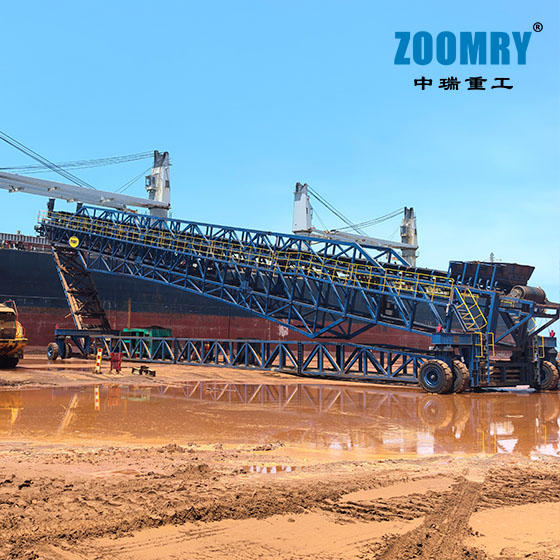
Radial and telescopic boom movement for flexible hatch coverage.
Wheeled dock travel for serving multiple holds and berths.
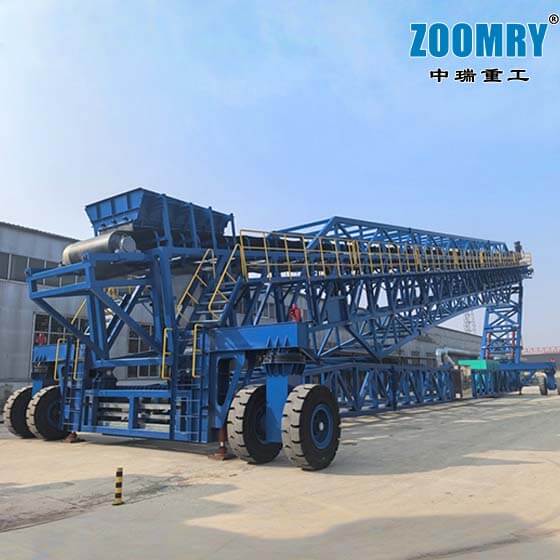
Crawler mobility for remote sites, soft ground, and unpaved quays.
Industry Applications
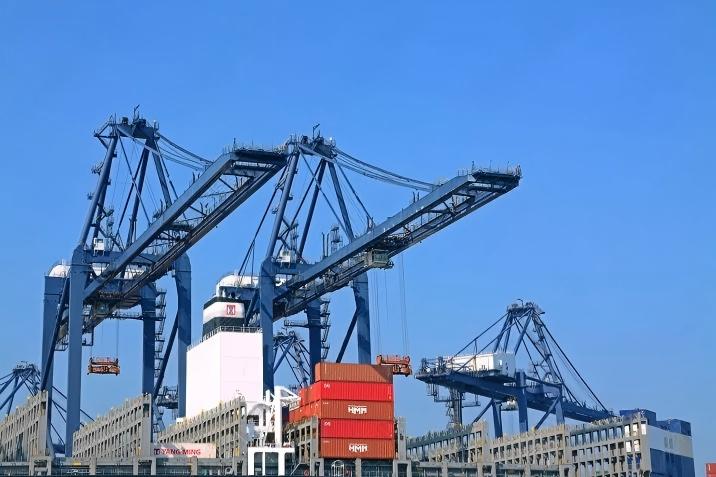
Integrated loading, feeding, conveying, and terminal material handling solutions.
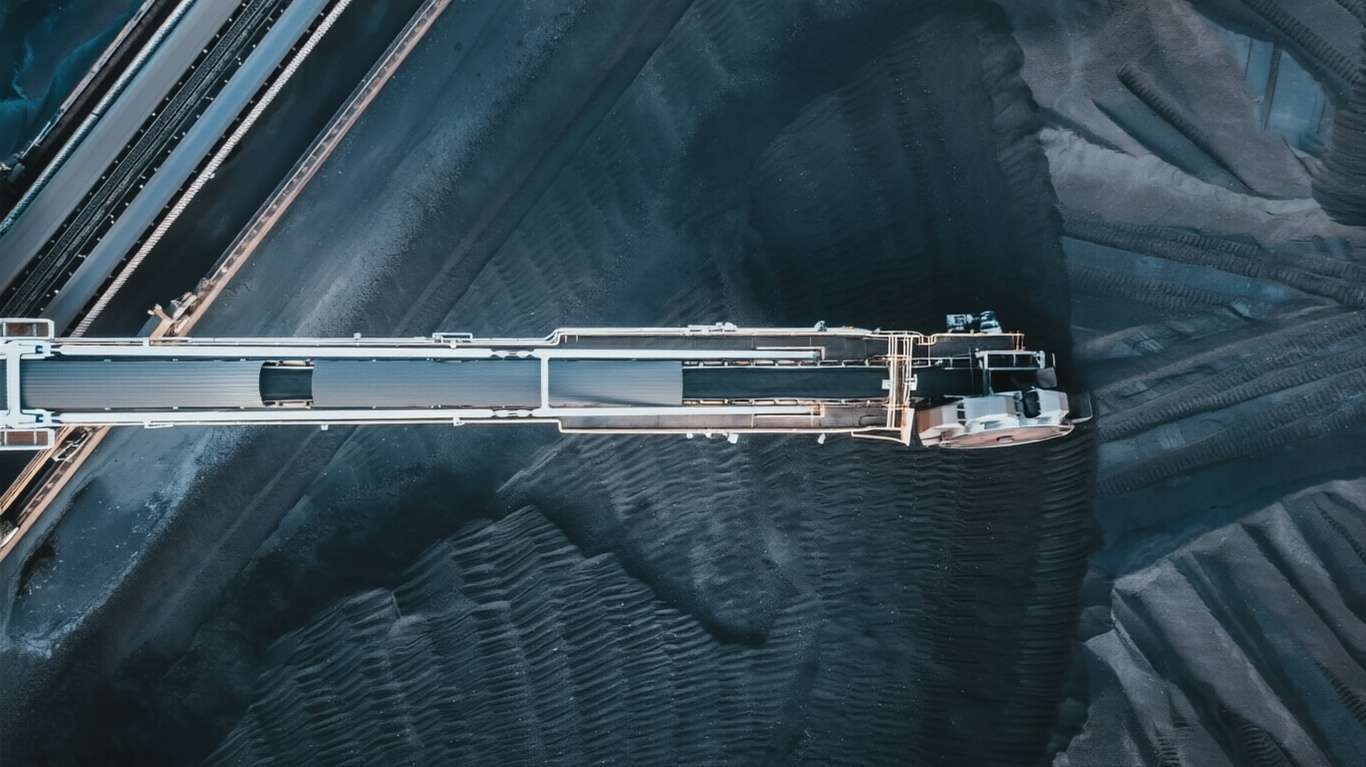
Bulk conveying solutions from mine and stockyard to export loading.
Need a Mobile Ship Loader for Your Operation?
Tell us your material, required capacity, vessel details, berth conditions, and feed arrangement. ZOOMRY's engineering team can help define a practical loading configuration for your terminal.
Contact Us →