 ZOOMRY

conveyor rollers are the most numerous rotating components in any belt conveyor system — directly influencing belt life, energy consumption, and maintenance frequency. A single seized roller can damage a Conveyor Belt within hours. Yet rollers are often treated as a commodity item, selected on price alone. This guide explains the five factors that determine conveyor roller performance and how to make selection decisions that reduce total cost of ownership.
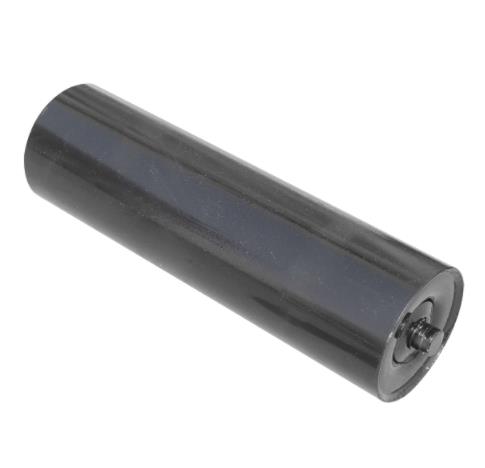
Factor 1: Shell Material — Steel vs. HDPE vs. Rubber
The roller shell is the surface the belt rides on. It determines wear resistance, corrosion resistance, and how the roller interacts with the belt cover. Three materials dominate:
- Steel rollers — Q235 carbon steel is the standard for general applications. For abrasive ores, manganese steel (Mn13) with HRC58-62 hardness extends service life over standard steel. Steel handles high temperatures (up to 120°C continuous) but is susceptible to corrosion in wet or salt-spray environments.
- HDPE rollers — High-Density Polyethylene shells are non-corrosive, lightweight, and naturally non-stick. They help reduce belt cover wear compared to steel. The trade-off: lower impact resistance and maximum operating temperature of 80°C. Ideal for fertilizer plants, coastal ports, and chemical processing.
- Rubber disc return rollers — Steel core with rubber rings. The rings self-clean by flexing as they roll, shedding sticky material like wet coal or clay. Useful for return-side applications where material buildup would otherwise cause belt mistracking.
Factor 2: Bearing and Sealing System
The bearing and seal determine how long the roller spins freely before dust, water, or corrosion causes it to seize. A seized roller doesn't just stop turning — it becomes a stationary grinding surface against a moving belt. Bearing failure is one of the most common roller failure modes.
Key specifications to check:
- Seal type: Labyrinth seals (non-contact, zero friction) are standard. Triple-lip contact seals add a physical barrier for wet environments. For high-pressure washdown applications, look for IP66-rated sealing.
- Bearing quality: Deep groove ball bearings (6204, 6205, 6206 series) are the industry standard. Premium manufacturers use C3 clearance bearings with polyurea-thickened grease (service temperature -40°C to +180°C).
- Rotation resistance: ZOOMRY rollers are rated at ≤2N rotation resistance for a 159mm diameter roller. Lower rotation resistance reduces energy consumption across the conveyor system.
Factor 3: Roller Type by Position
Different positions on the conveyor demand different roller designs. Using the wrong type in the wrong place is a common and expensive mistake:
| Roller Type | Position | Key Feature |
|---|---|---|
| Carrying rollers | Carrying side (top) | 20°/35°/45° trough angles; support the loaded belt |
| Return rollers | Return side (bottom) | Flat or rubber disc; support the empty belt |
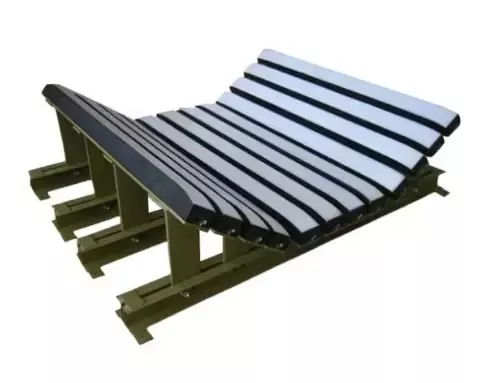
| Impact rollers | Loading zones | Rubber rings absorb impact; protect belt from falling material |
| Spiral return rollers | Return side (sticky materials) | Steel spiral grooves help clean the belt surface |
| Garland rollers | Heavy-duty carrying side | Chain-linked sets absorb heavy impact from large lump sizes |
Factor 4: Diameter and Wall Thickness
Roller diameter affects belt speed capability and bearing size. Wall thickness determines load capacity and impact resistance. Common CEMA-standard diameters:
- 89-108mm — Light-duty applications, belt widths up to 800mm, belt speed ≤2.0 m/s
- 133-159mm — Medium-duty, belt widths up to 1600mm, belt speed ≤4.0 m/s
- 178-194mm — Heavy-duty mining applications, belt widths up to 2400mm, belt speed up to 6.5 m/s
Wall thickness typically ranges from 3.0mm (light duty) to 4.5mm (heavy duty). A common mistake is specifying the correct diameter but under-specifying wall thickness — the roller shell deflects under load, causing bearing misalignment and premature failure. For iron ore and copper concentrate applications, 4.5mm minimum wall thickness is recommended.
Factor 5: Manufacturing Quality Standards
Not all rollers are made equal, even when they share the same specification sheet. Key manufacturing quality indicators:
- Shell concentricity: ±0.5mm maximum deviation. Poor concentricity causes belt vibration and accelerated bearing wear.
- Weld quality: Shell-to-end-disc welds should be continuous and penetration-tested. Spot welds create stress concentrations that can crack under cyclic loading.
- Shaft straightness: ≤0.1mm runout over the full shaft length. Bent shafts preload bearings and cause early failure.
- Balance grade: G6.3 minimum (ISO 1940 standard). Unbalanced rollers at belt speeds above 3.5 m/s can generate destructive vibration.
- Certification: ISO 9001 for quality management; CEMA B/C/D/E for load rating classification. CE and EAC for market access in Europe and Russia.
Roller selection is ultimately a lifecycle cost calculation. A lower-cost steel roller that fails early in a corrosive environment may cost more per operating hour than a properly specified HDPE roller that lasts several times longer. The procurement savings from buying the cheaper roller can disappear quickly when replacement labor and downtime are factored in. View ZOOMRY's conveyor EPC project cases to see roller specifications proven in mining, port, and cement applications worldwide.
Related Products
Steel, HDPE, and impact rollers — designed for extended service life
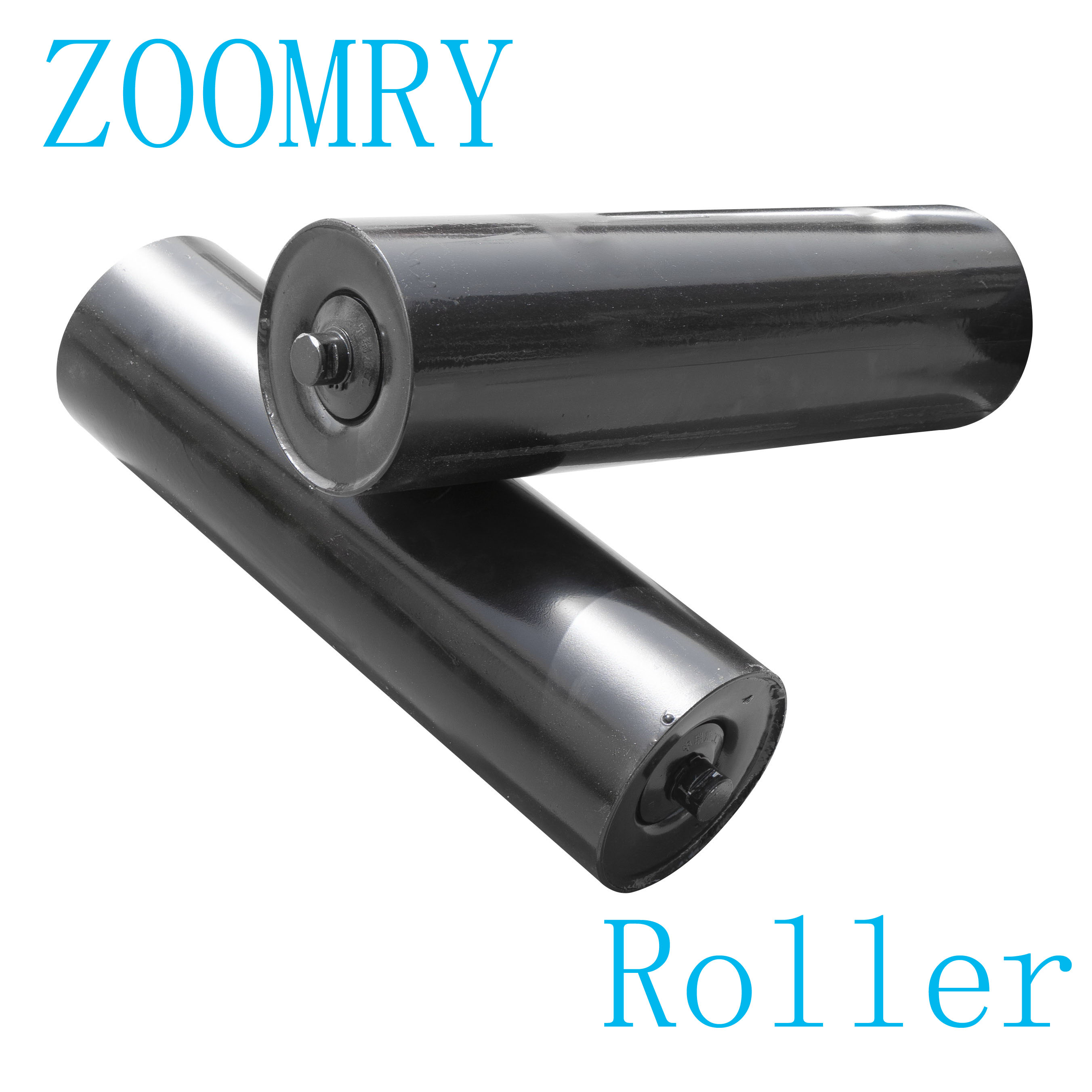
CEMA B/C/D/E series — 20°, 35°, 45° trough angles
Industry Applications
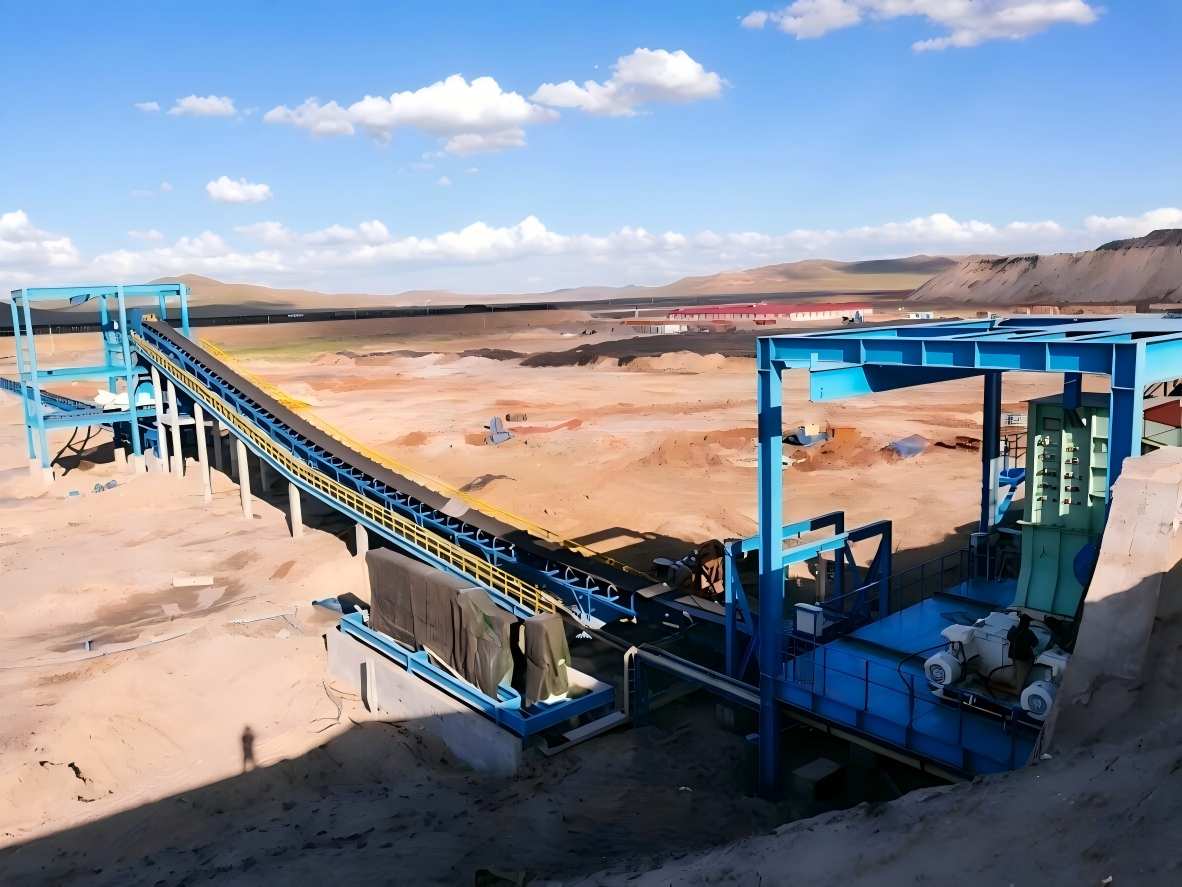
Heavy-duty rollers for ore, coal, and mineral conveyors
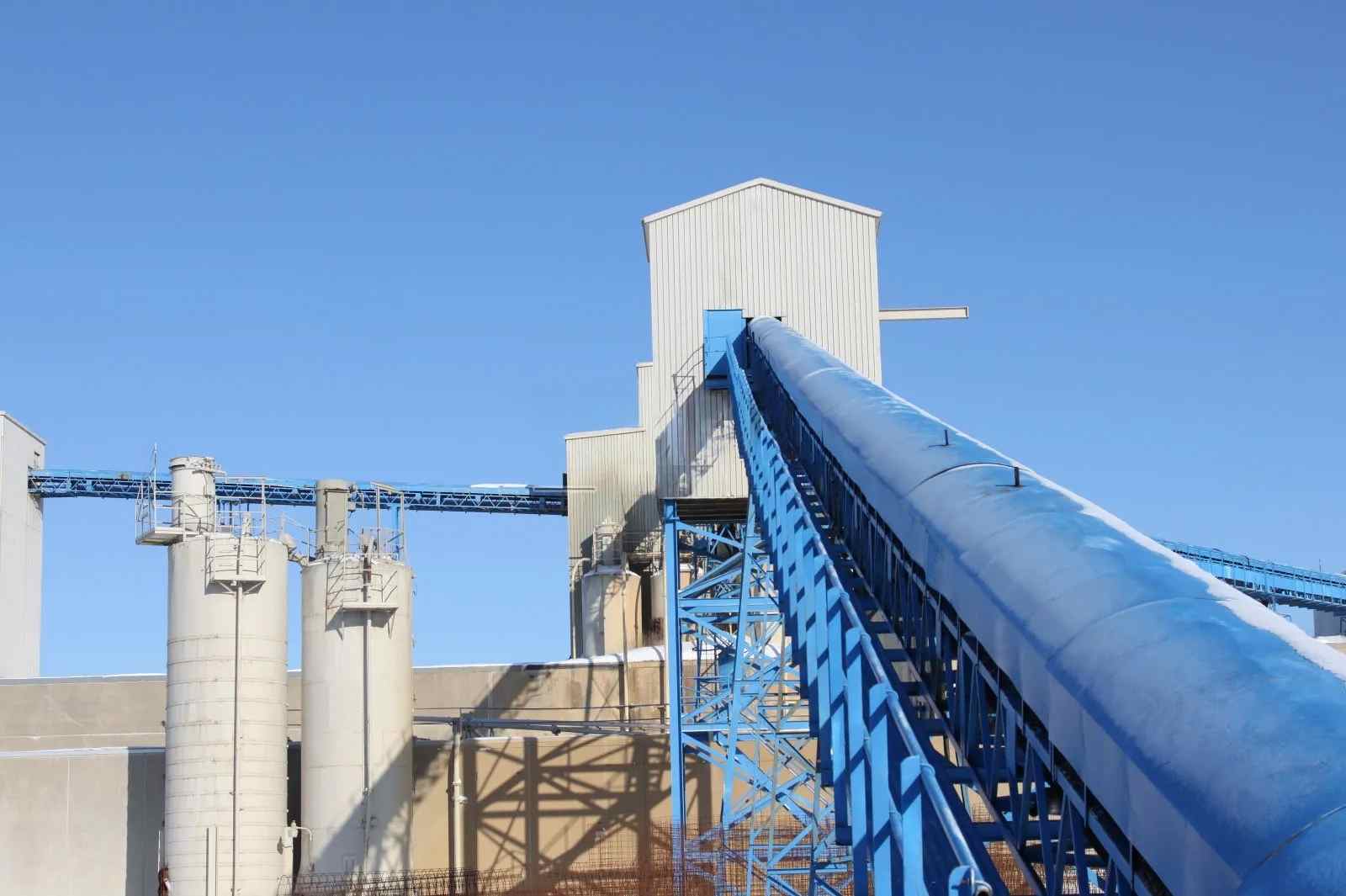
Corrosion-resistant rollers for cement plant conveyors
Need Help Selecting Conveyor Rollers for Your Application?
Contact ZOOMRY for conveyor roller specifications, material selection guidance, and lifecycle cost analysis tailored to your material and operating conditions.
Contact Us →