 ZOOMRY

Types of Conveyor Belts – Complete Product Range
ZOOMRY offers a complete conveyor belt overview covering 11 specialized types. Each belt is engineered for specific material characteristics, conveying distances, environmental conditions, and incline angles. Click on any type below to view detailed specifications, cover grades, and technical data.
Fabric Conveyor Belts
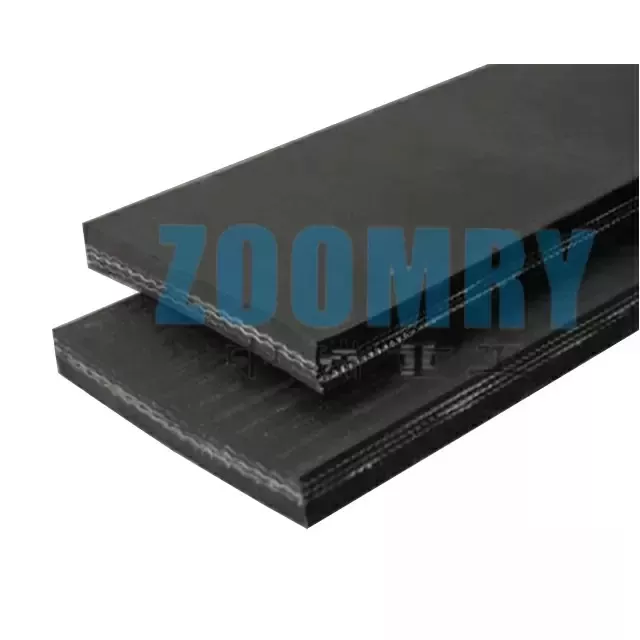
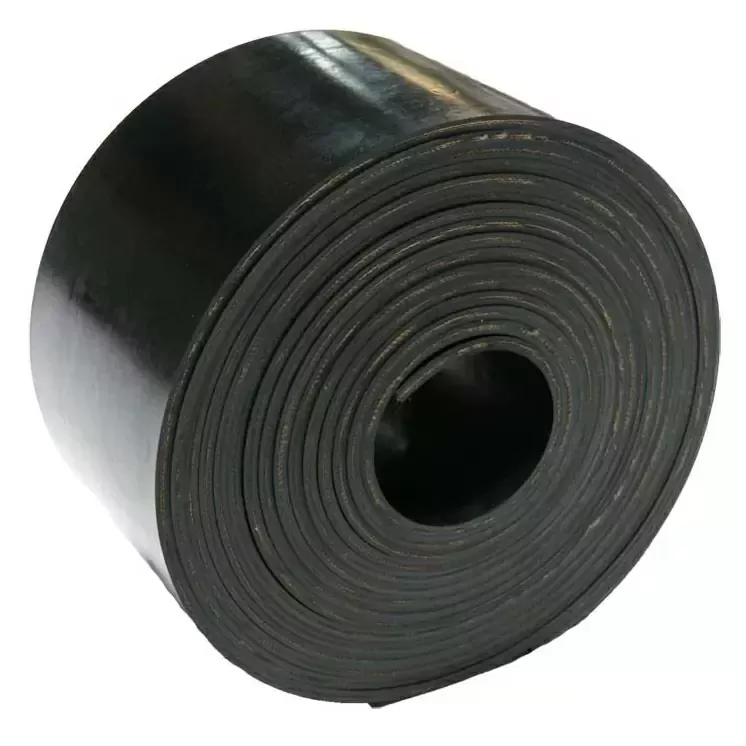
Multi-ply EP and nylon carcass belts — economical choice for moderate distances and loads with excellent troughability.
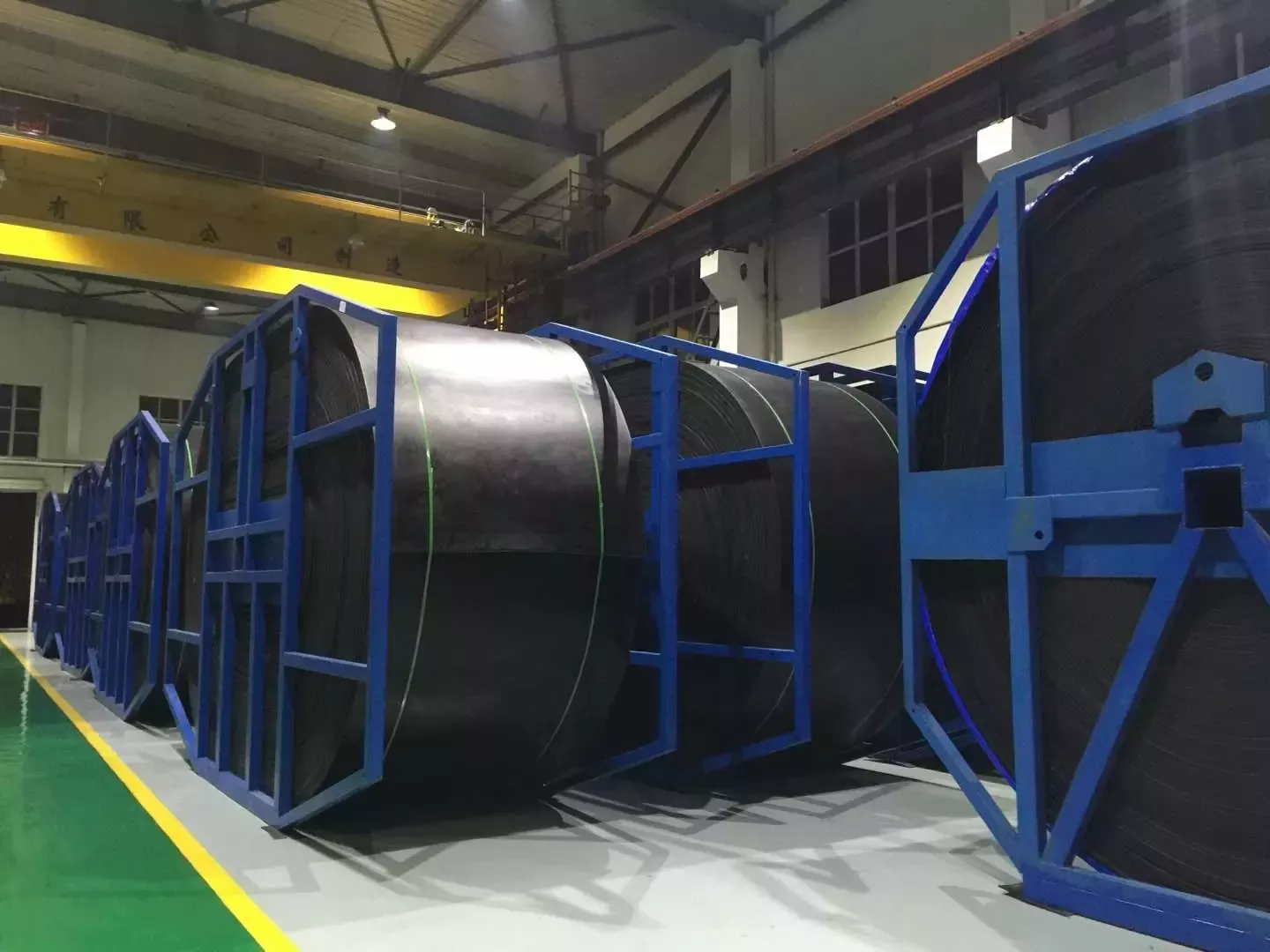
Polyester warp + nylon weft — low elongation, excellent moisture resistance, widths up to 2,500 mm.
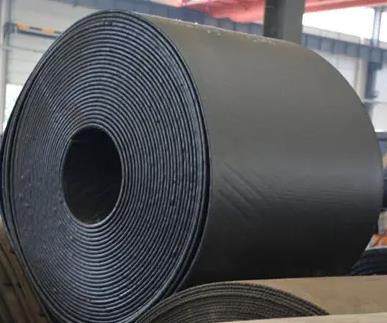
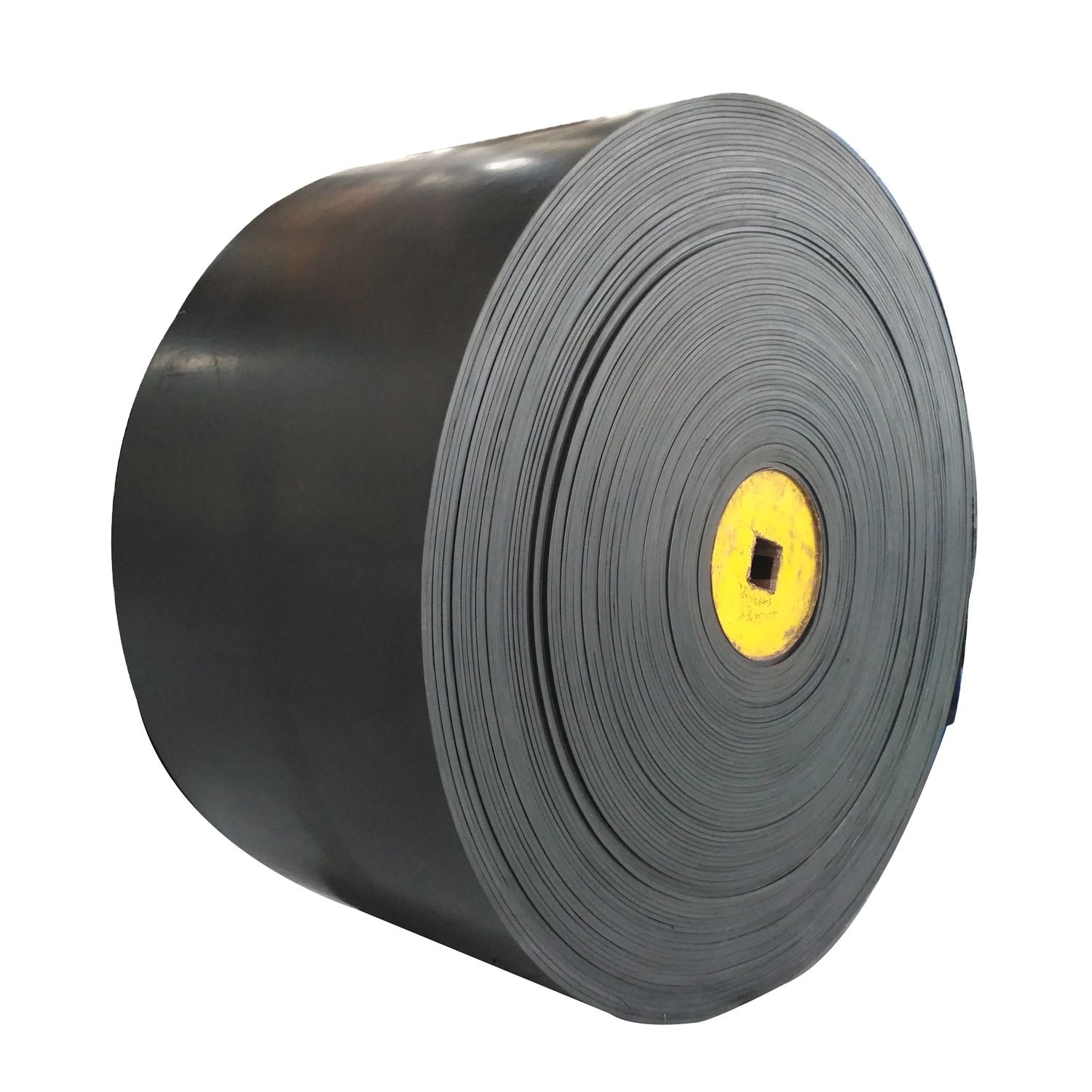
All-nylon NN belts — high elasticity, impact-resistant, ideal for heavy-load medium-to-long distance conveying.
Steel Cord & Solid Woven Belts
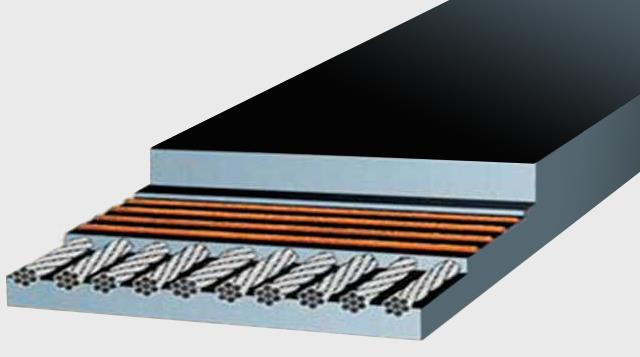
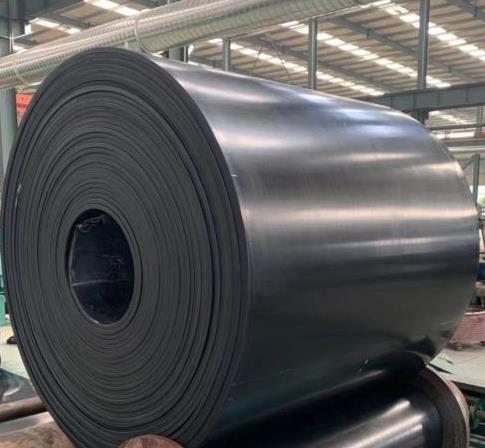
ST630–ST4000 high-tensile belts — ultra-low elongation for long distance overland conveying up to 15+ km.
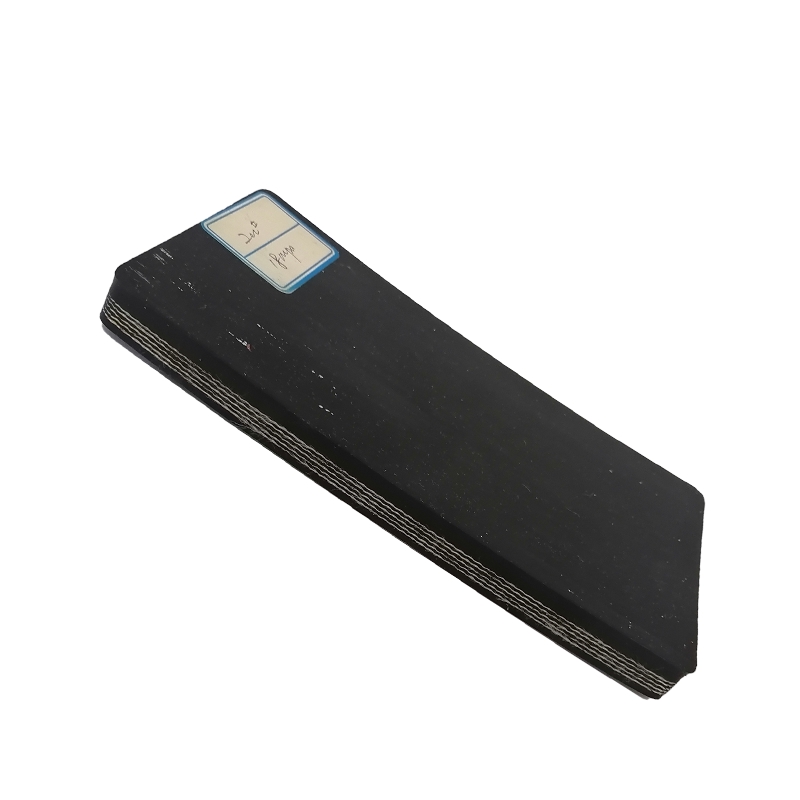
PVC/PVG flame-retardant belts — anti-static, ISO 340 certified for underground coal mining safety.
Pipe & Enclosed Conveyor Belts
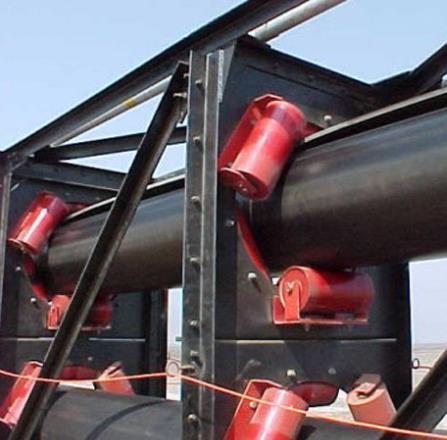
Enclosed tubular belts for dust-free, spillage-free transport — handles inclines up to 30° and tight 3D curves.
Patterned & Incline Conveyor Belts
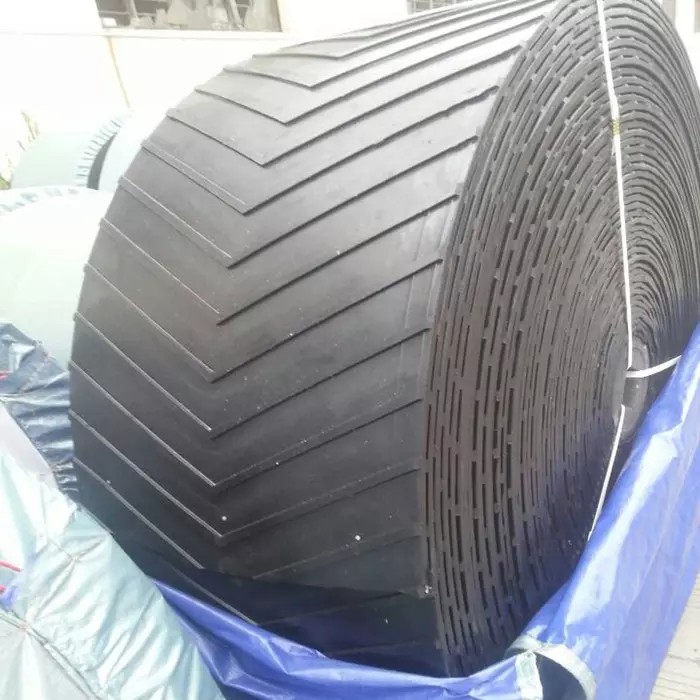
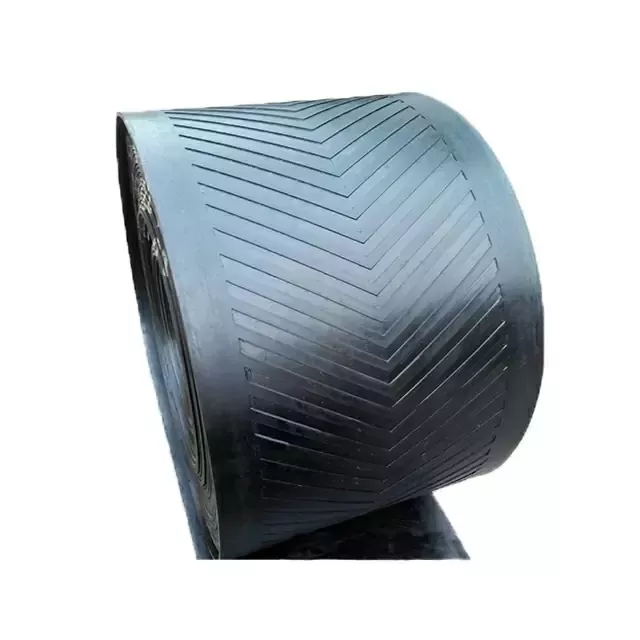
Chevron, herringbone, rough top & diamond profiles — open and closed types for inclines up to 45°.
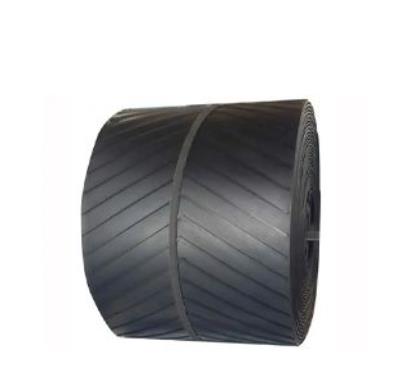
Cupped V-groove pattern for steep incline conveying — ideal for grain, aggregates, and mining.
Fire & Heat Resistant Conveyor Belts
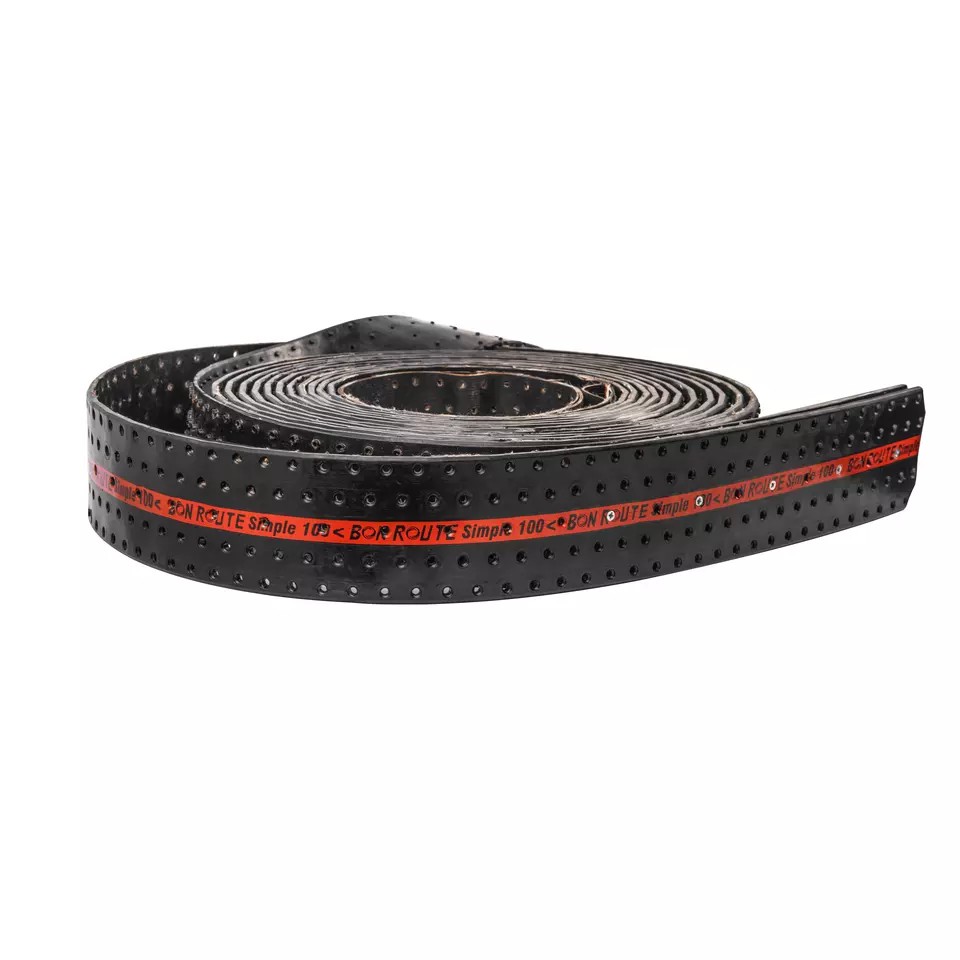
Self-extinguishing belts — ISO 340 compliant FR and FRU grades for combustible material transport.
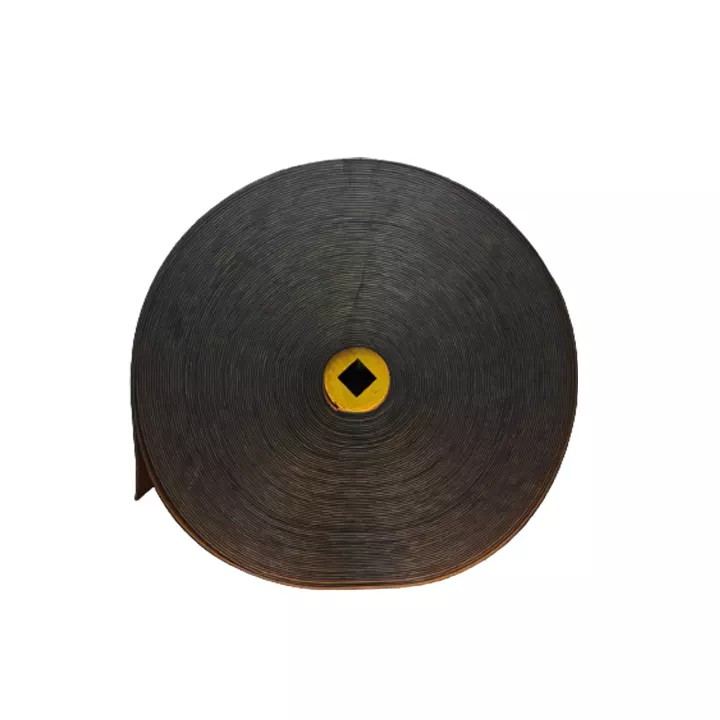
T1/T2/T3 grades — continuous operation up to 200°C for cement clinker, sinter, and hot casting.
How to Select the Right Conveyor Belt
Selecting the right industrial conveyor belt system depends on five key factors:
| Selection Factor | Considerations | Recommended Belt Type |
|---|---|---|
| Conveying Distance | Short (<500m) vs medium vs long (>1,000m) |
Short: Fabric/EP/Nylon Long: Steel Cord |
| Material Characteristics | Abrasiveness, lump size, moisture, temperature |
Abrasive: Abrasion-resistant cover Hot: Heat Resistant |
| Incline Angle | Flat vs incline up to 45° |
Flat: Fabric/Steel Cord Steep: Patterned / Chevron |
| Environmental Conditions | Dust, moisture, chemical exposure, fire risk |
Underground: Solid Woven / Fire Resistant Dust-sensitive: Pipe Belt |
| Safety Requirements | Flame retardant, anti-static, ATEX | Solid Woven PVC/PVG / Fire Resistant FR/FRU |
Frequently Asked Questions
Q: What is the difference between steel cord and fabric conveyor belts?
Steel cord belts use a single layer of steel cables for tensile strength (up to 4,000 N/mm) with ultra-low elongation — ideal for long distance conveying. Fabric belts use multiple plies of EP or nylon textile, are more economical, and work better on smaller pulleys. For a detailed comparison, see our guide: Steel Cord vs Fabric Conveyor Belt: Which One Do You Need?
Q: Which conveyor belt is best for underground mining?
For underground coal mining, solid woven PVC/PVG belts are the industry standard — they are flame-retardant, anti-static, and comply with ISO 340 and ISO 284 safety standards. For surface applications with fire risk, fire resistant belts in FR and FRU grades provide self-extinguishing properties.
Q: How do I choose between EP and nylon conveyor belts?
EP belts (polyester warp + nylon weft) offer low elongation and excellent moisture resistance — ideal for wet environments and long conveyors. Nylon (NN) belts provide higher elasticity and impact resistance — better for heavy-load, high-impact applications with frequent start-stop cycles.
Industry Solutions
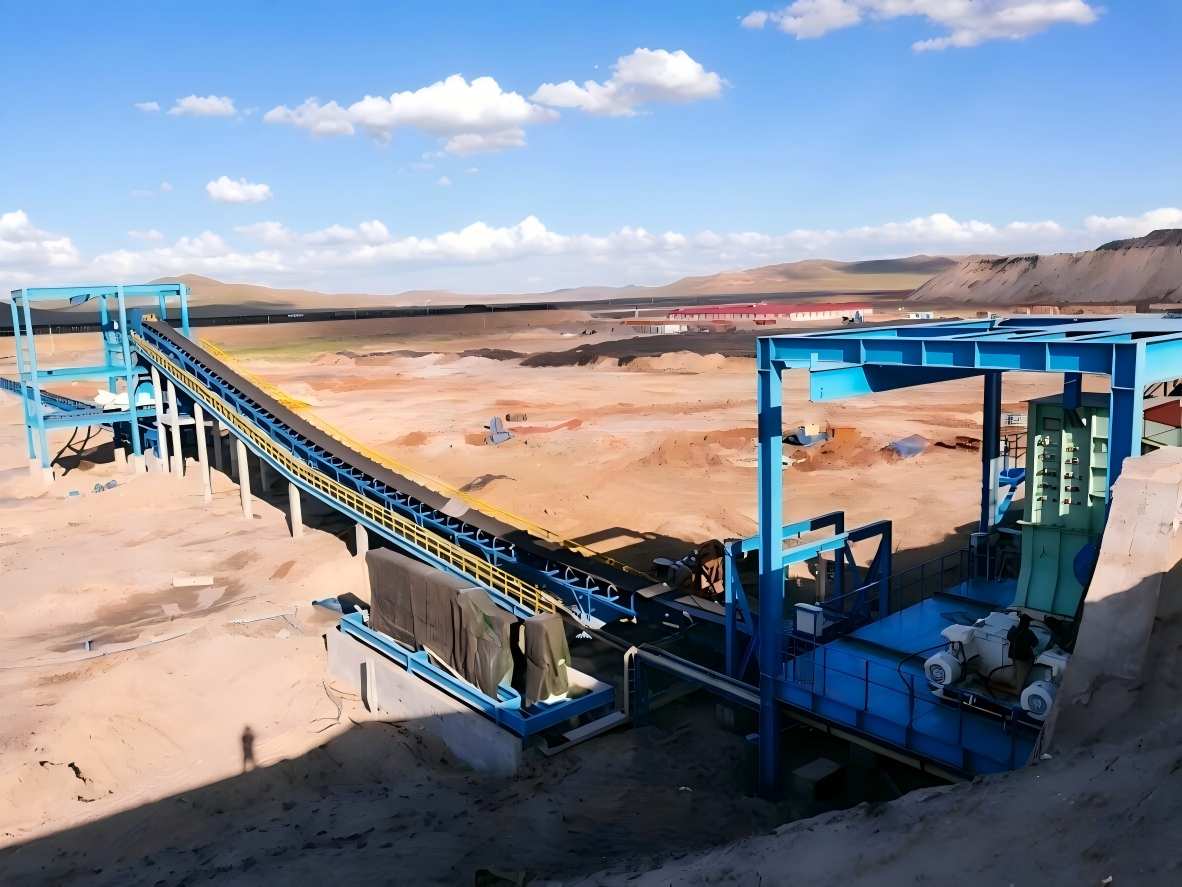
Steel cord, solid woven, and fire resistant belts for surface and underground mining operations.
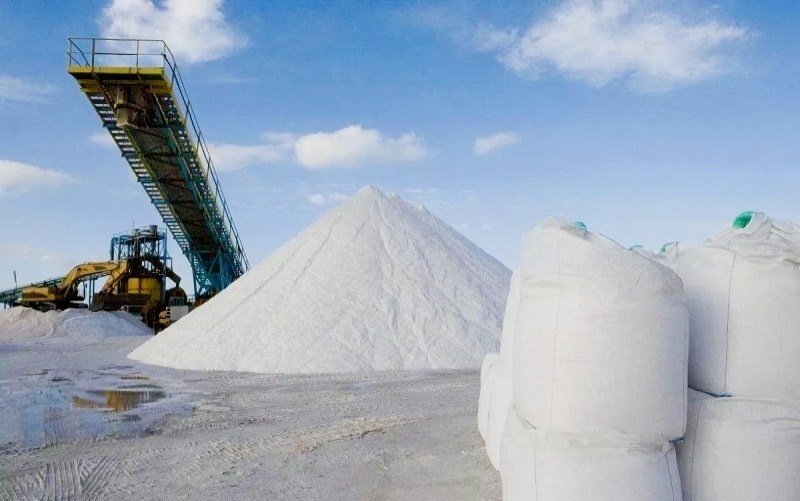
Chemical-resistant cover grades for long distance trona and soda ash conveying.
Need Help Selecting a Conveyor Belt?
Tell us your material type, conveyor length, and operating conditions. Our engineers will recommend the optimal conveyor belt type and cover grade.
Get a Quote →