 ZOOMRY

Quick answer: Conveyors are classified in four main ways: by belt profile (trough, pipe, curved, steep incline), by mobility (fixed, mobile, tracked), by application (mining, port, power plant, cement), and by function (transport, stacking, ship loading, truck unloading). ZOOMRY manufactures belt conveyors from 400 to 2,400 mm wide, with capacities from 100 to 17,000 m³/h, and single-flight lengths up to 15 km.
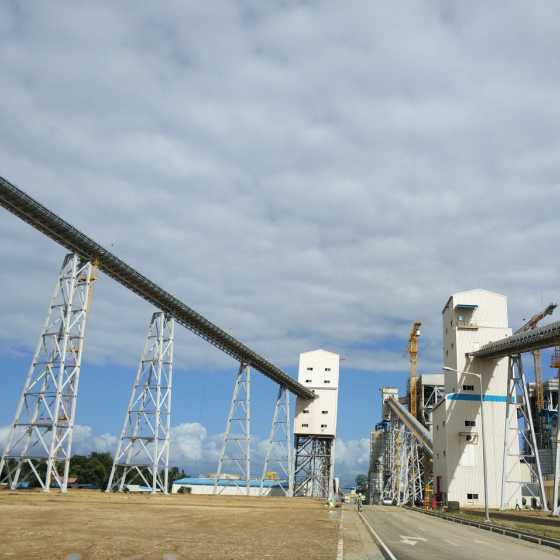
What Are Conveyors and Why They Matter
A conveyor is a mechanical handling system that moves bulk materials — coal, iron ore, grain, fertilizer, aggregates, cement — continuously from one point to another. Unlike truck haulage, a conveyor operates 24/7, requires no fuel per ton, and produces no vehicle emissions at the point of transport.
In mining, ports, power plants, and cement plants, conveyors are the backbone of material flow. A single overland conveyor can replace dozens of trucks, reducing cost per ton by up to 60% and eliminating traffic, dust, and road maintenance.
Types of Conveyors by Belt Profile
Trough Belt Conveyor
The most common type. The belt is supported by three-roller idler sets in a trough shape, keeping material centered. ZOOMRY trough conveyors cover belt widths from 400 to 2,400 mm and capacities up to 17,000 m³/h.
Pipe conveyor (Tubular Conveyor)
The belt is folded into a closed tube using hexagonal idler groups. This contains dust, allows tight 3D curves, and handles inclines up to 30°. ZOOMRY pipe conveyors are available in 11 pipe diameters from 100 mm to 850 mm.
Curved Belt Conveyor
Designed to navigate horizontal curves without transfer points. ZOOMRY curved conveyors handle curve angles up to 180° and single-flight lengths up to 15 km. A ZOOMRY project in Hubei uses an 8,617 m curved conveyor with 9 horizontal curves (max 36°).
Steep Incline Conveyor
Uses chevron, cleated, or corrugated sidewall belts to handle inclines up to 60°. ZOOMRY steep incline conveyors cover belt widths from 800 to 1,600 mm and capacities up to 15,000 m³/h.
Types of Conveyors by Mobility
Fixed Conveyor
Installed permanently on steel structures, foundations, or tunnels. Used for long-distance overland transport, plant-to-port lines, and stockyard feed systems. ZOOMRY fixed conveyors are used in projects such as the 9.6 km Jiangxi Hengchuang gallery.
Mobile Conveyor
Wheeled or tracked, designed for temporary or relocatable operations. ZOOMRY mobile stackers, grasshopper conveyors, and truck unloaders are all mobile configurations.
Tracked Conveyor
Crawler-mounted for soft ground, unpaved yards, and temporary docks. ZOOMRY tracked radial stackers use hydraulic drive and 360° radial slewing.
Types of Conveyors by Application
| Application | Typical Conveyor Type | ZOOMRY Product |
|---|---|---|
| Mining | Long-distance curved, pipe, steep incline | Long Distance Belt Conveyor |
| Ports & Terminals | Ship loader feed, truck-to-ship, stockyard | Mobile Shiploader |
| Power Plants | Coal handling, enclosed pipe conveyor | Pipe Conveyor |
| Cement Plants | Limestone transport, clinker, raw meal | Curved Belt Conveyor |
| Quarries | Stockpiling, radial stacking | Tracked Radial Stacker |
Types of Conveyors by Function
Transport Conveyors
Move material from A to B. Includes overland, curved, pipe, and steep incline conveyors.
Stacking Conveyors
Build stockpiles in conical or radial shapes. ZOOMRY telescopic stackers cover 500–3,500 m³/h and stacking heights up to 20 m.
Ship Loading Conveyors
Load bulk material onto vessels. ZOOMRY mobile shiploaders cover 100–3,500 t/h and vessel classes from barge to Capesize.
Truck Unloading Conveyors
Receive trucks and discharge into downstream systems. ZOOMRY truck unloaders cover 200–1,800 t/h, with custom configurations up to 3,000 t/h.
Conveyor Comparison at a Glance
| Type | Belt Width | Capacity | Best For |
|---|---|---|---|
| Trough Conveyor | 400–2,400 mm | Up to 17,000 m³/h | High-capacity, straight or gentle curves |
| Pipe Conveyor | 430–3,100 mm | 100–850 mm pipe | Dust-sensitive, tight 3D curves |
| Curved Conveyor | 400–2,400 mm | Up to 17,000 m³/h | Complex terrain, up to 180° curves |
| Steep Incline | 800–1,600 mm | Up to 15,000 m³/h | Space-constrained, up to 60° inclines |
How to Choose the Right Conveyor
- Material type: Abrasive ore requires heavy-duty belts; dust-sensitive materials favor pipe conveyors.
- Route complexity: Tight 3D curves favor pipe conveyors; long straight runs favor trough conveyors.
- Required capacity: High capacity favors trough conveyors; enclosed transport favors pipe conveyors.
- Mobility: Temporary operations favor mobile or tracked conveyors.
- Dust requirements: Strict emission limits favor pipe conveyors.
Project Data — ZOOMRY Conveyor Installations
Project 1: Hubei 8,617 m Curved Conveyor
- Belt width: 1,200 mm
- Capacity: 2,500 t/h
- Length: 8,617 m
- Horizontal curves: 9 (max 36°)
- Material: sand and gravel aggregate
Project 2: Shandong 1,568 m Pipe Conveyor
- Pipe diameter: 400 mm
- Capacity: 1,800 t/h
- Length: 1,568 m
- Dust emission: 35 → 7.5 mg/m³
- Material: coal
Project 3: Hebei 3,300 m Long Distance Conveyor
- Belt width: 1,400 mm
- Capacity: 2,000 t/h
- Length: 3,300 m
- Belt type: ST3150 steel cord
- Equipment availability: 99.3%
Frequently Asked Questions
What are the main types of conveyors?
The main types are trough belt conveyors, pipe conveyors, curved belt conveyors, and steep incline conveyors. They can also be classified by mobility (fixed, mobile, tracked), application (mining, port, power, cement), and function (transport, stacking, ship loading, truck unloading).
What is the difference between a belt conveyor and a pipe conveyor?
A belt conveyor keeps the belt open in a trough profile, offering higher capacity per belt width. A pipe conveyor folds the belt into a closed tube, containing dust and allowing tight 3D curves. The choice depends on dust requirements, terrain, and capacity.
What is the longest conveyor in the world?
The world's longest single-flight conveyor is the 98 km phosphate conveyor in Western Sahara. ZOOMRY long-distance conveyors support single-flight lengths up to 15 km, with multi-flight systems covering up to 70 km.
What is the maximum incline for a conveyor?
Trough conveyors typically handle inclines up to 20°. Pipe conveyors can handle up to 30°. Steep incline conveyors with chevron, cleated, or sidewall belts can handle up to 60°.
How do I choose the right conveyor for my project?
Start with material type, route complexity, required capacity, mobility, and dust requirements. Abrasive ore favors heavy-duty trough conveyors; dust-sensitive materials favor pipe conveyors; complex terrain favors curved conveyors; space-constrained sites favor steep incline conveyors.
Related Products
Trough, curved, and long-distance systems
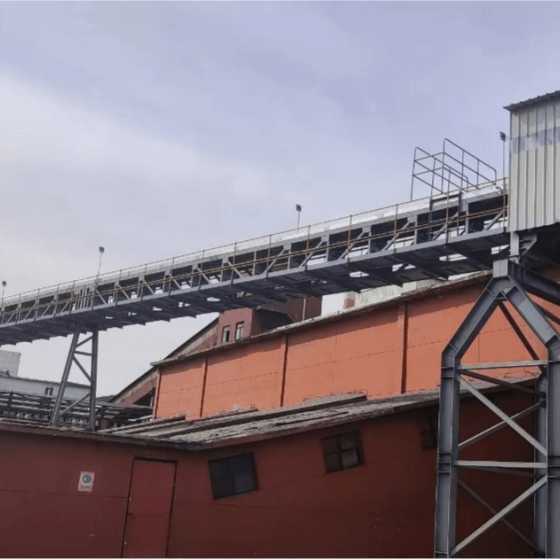
Enclosed tubular transport for dust-sensitive materials
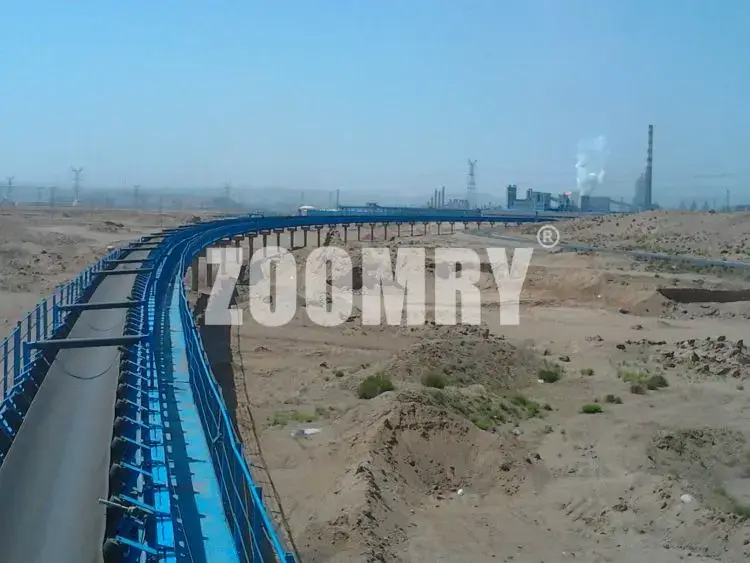
Long-distance curved conveyor for complex terrain
Industry Applications
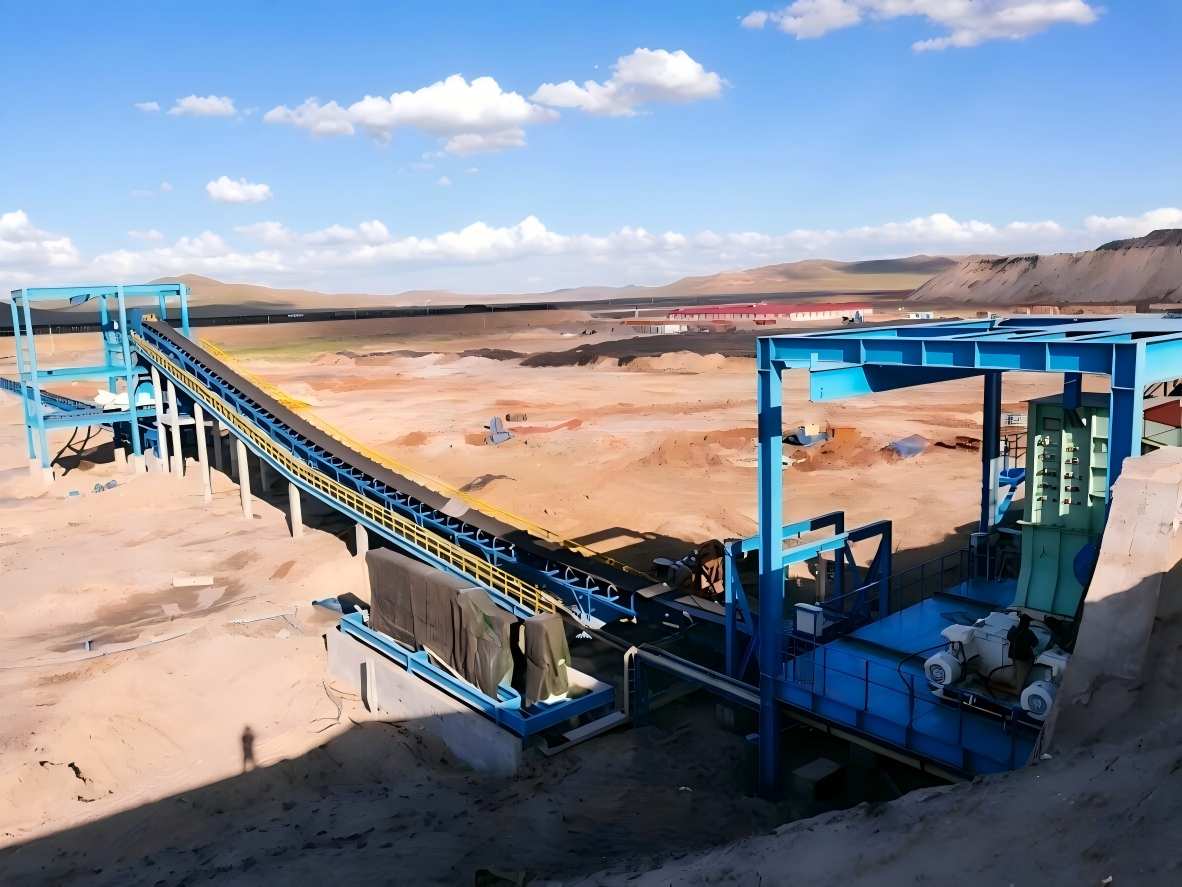
Long-distance and curved conveyors for mines
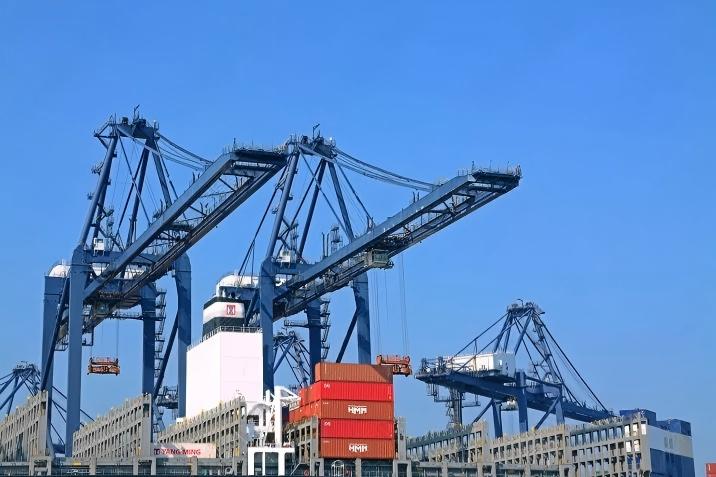
Ship loading and terminal conveyor systems
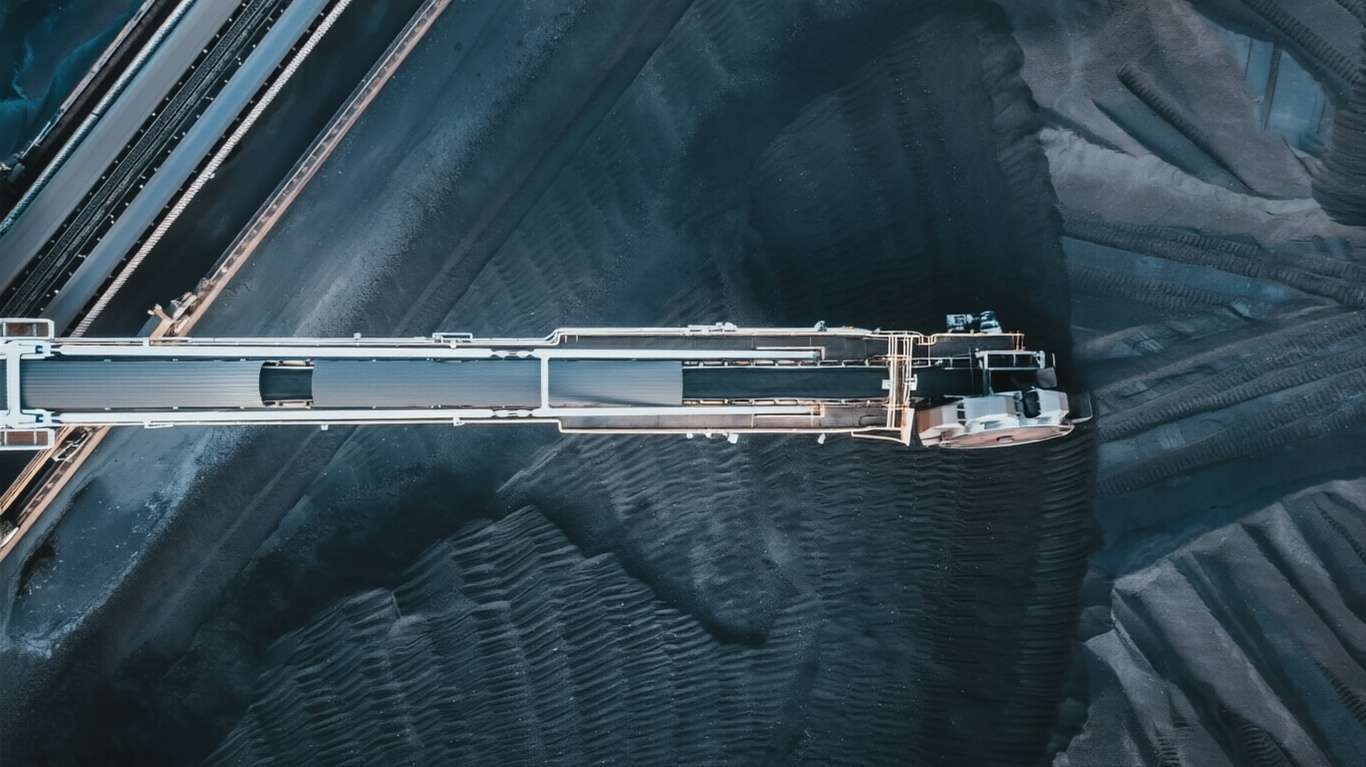
Dust-controlled coal transport with pipe conveyors
Need Help Choosing the Right Conveyor?
Share your material type, route, required capacity, and site conditions. ZOOMRY can help determine the right conveyor configuration for your project.
Contact Us →