 ZOOMRY

The difference between a telescopic stacker and a radial stacker lies in how the discharge point moves across the stockpile. A telescopic stacker extends and retracts its boom, moving the discharge point along the length of the stockpile without repositioning the machine. A radial stacker rotates its boom around a pivot point, sweeping the discharge point through an arc to build fan-shaped stockpiles. Many modern stackers combine both functions — the radial telescopic stacker — but understanding each function separately clarifies which configuration fits a given stockyard layout.
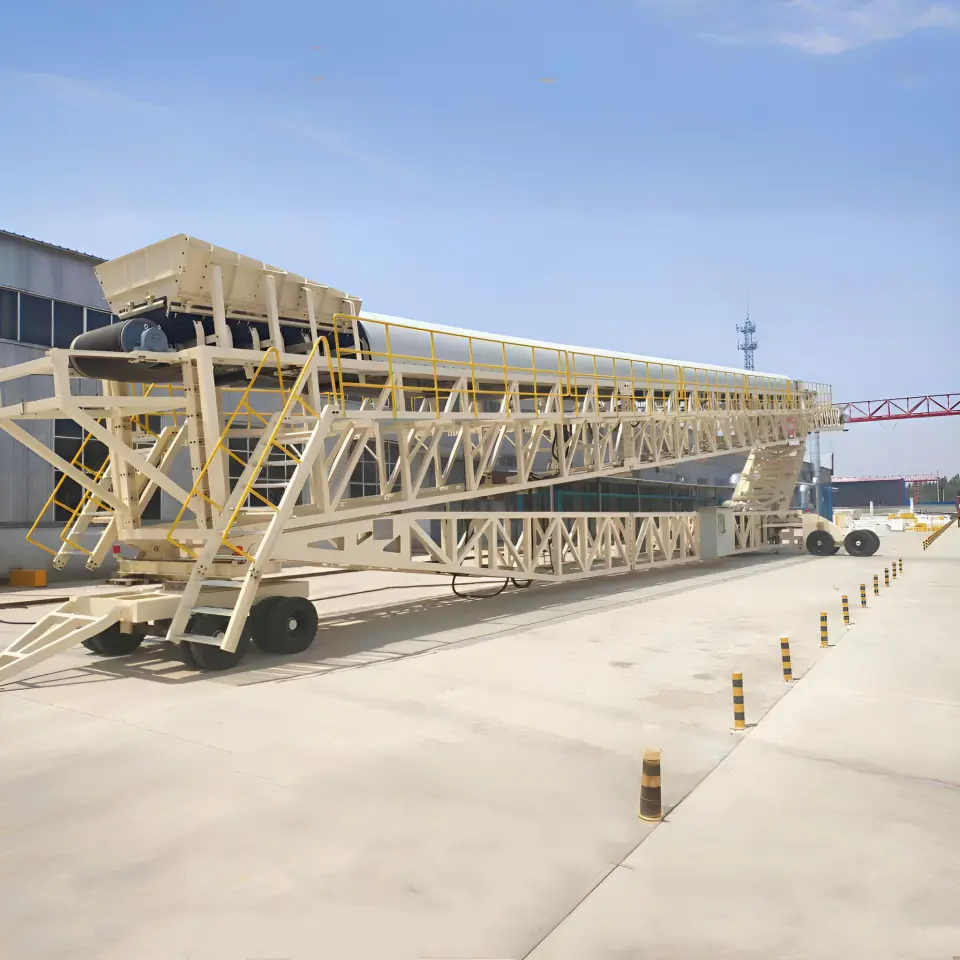
Core Functional Difference
A telescopic stacker uses a boom that slides within itself — an inner section extends from the outer section under hydraulic power. This changes the distance between the tail pivot and the discharge point. The stacker can build a longer, more uniform stockpile from a single feed position, and the operator can adjust the discharge point to control where material lands on the pile.
A radial stacker uses a boom that rotates around a pivot at the tail end. The discharge point sweeps through an arc — typically 360° — building a fan-shaped stockpile. Radial stacking covers a wide area from one feed position, reducing the need to relocate the machine as the pile grows.
Key Differences at a Glance
| Comparison Factor | Telescopic Stacker | Radial Stacker |
|---|---|---|
| Discharge movement | Boom extends and retracts | Boom rotates around pivot |
| Stockpile shape | Long, uniform, or layered pile | Fan-shaped or circular arc |
| Coverage from one position | Along the boom axis | Wide arc around the pivot |
| Key mechanism | Hydraulic telescopic boom section | Slewing bearing and drive |
| Relocation frequency | Low — boom covers pile length | Low — boom covers wide area |
| Segregation control | Layered stacking with adjustable discharge height | Layered stacking across the arc |
| Typical capacity | 500–3,500 m³/h | 500–3,500 m³/h |
When a Telescopic Stacker Makes Sense
Telescopic stackers are selected when the stockpile layout favors length over width, or when layered stacking is important for material quality.
- Long, narrow stockyards: When the available yard space is longer than it is wide, a telescopic boom covers the pile length without repositioning.
- Layered stacking for material quality: The extendable boom allows the operator to build the pile in controlled layers, reducing segregation of fine and coarse particles.
- Feed conveyor alignment: When the feed conveyor runs along the yard axis, a telescopic stacker discharges along the same axis without needing a wide slewing arc.
- Rail or road access along one side: Telescopic stacking keeps the machine and its discharge path aligned with the yard, leaving the opposite side clear for access.
When a Radial Stacker Makes Sense
Radial stackers are selected when the stockpile layout favors coverage area, or when multiple piles must be built from one feed position.
- Wide stockyard areas: A radial boom covers a large arc from one feed position, maximizing storage capacity without moving the machine.
- Multiple stockpile zones: One radial stacker can serve several adjacent stockpile areas by rotating between them.
- Fan-shaped piles for reclaiming: Fan-shaped stockpiles built by radial stacking are often easier to reclaim with front-end loaders or Bucket Wheel Reclaimers.
- Reduced machine relocation: Because the boom sweeps across a wide area, the machine stays in one position longer before needing to move.
Combined Configuration: Radial Telescopic Stacker
A radial telescopic stacker combines both functions in one machine. The boom slews around the pivot and extends or retracts, giving the operator full control over the discharge point across a wide arc and along the boom axis. This configuration is common in modern stockyards because it covers both long and wide stockpile layouts without repositioning.
Mobility Options
Both telescopic and radial stackers are available in several mobility configurations:
- Wheel-mounted: For prepared surfaces and towable relocation between stockpile zones.
- Tracked: For soft ground, unpaved stockyards, and heap leaching pads where low ground pressure is required.
- Fixed radial telescopic: For permanent stockyard installations with a stable feed position.
Capacity and Boom Length
Telescopic and radial stackers are specified by belt width, boom length, and drive power. The ZR-SF series covers belt widths from 800 to 1,600 mm, capacities from 500 to 3,500 m³/h, and boom lengths from 40 to 67 meters. The telescopic extension range is typically 10 to 22 meters, and stacking height reaches up to 20 meters depending on configuration.
Key Selection Factors
- Stockpile layout: Long and narrow favors telescopic; wide and open favors radial.
- Material segregation control: Both configurations support layered stacking, but the way layers are placed differs.
- Number of stockpile zones: Multiple zones favor radial; single long pile favors telescopic.
- Feed position: A feed conveyor aligned with the yard axis suits telescopic; a feed position at the center of a wide yard suits radial.
- Reclaiming method: Fan-shaped piles may suit different reclaiming equipment than long linear piles.
- Budget and complexity: Telescopic-only configurations are simpler; radial telescopic configurations add flexibility at higher cost.
Frequently Asked Questions
Can a telescopic stacker build a fan-shaped stockpile?
A telescopic-only stacker builds a linear or elongated pile along the boom axis. To build a fan-shaped stockpile, the machine needs a slewing function — which is the defining feature of a radial stacker. A radial telescopic stacker combines both and can build fan-shaped piles with controlled layering.
Can a radial stacker extend its boom?
A radial-only stacker has a fixed boom length and rotates around its pivot. A radial telescopic stacker adds the telescopic function, so the boom can both rotate and extend. The choice depends on whether the stockpile layout requires coverage along the boom axis in addition to the slewing arc.
Which configuration is better for heap leaching?
Heap leaching operations typically use tracked radial stackers or radial telescopic stackers with low ground pressure undercarriages. The radial function allows controlled placement of ore across the leach pad, and the tracked undercarriage handles the soft, uncompacted pad surface.
Which configuration has higher capacity?
Both telescopic and radial stackers cover similar capacity ranges — typically 500 to 3,500 m³/h depending on belt width and drive power. Capacity is determined by belt width, material characteristics, and drive configuration rather than by the telescopic or radial function itself.
Related Products
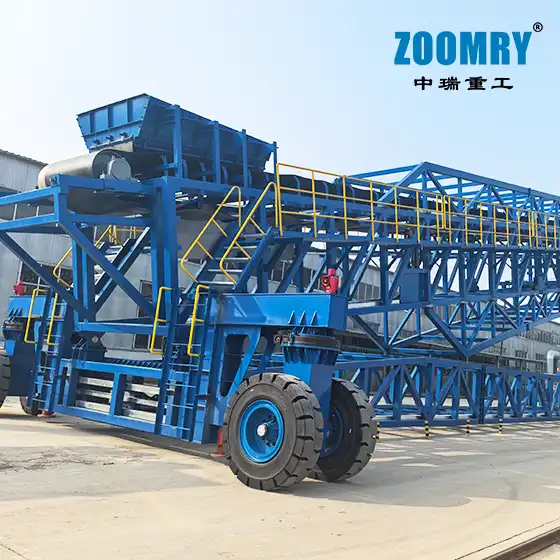
Extendable boom with 360° slewing for flexible stockpiling
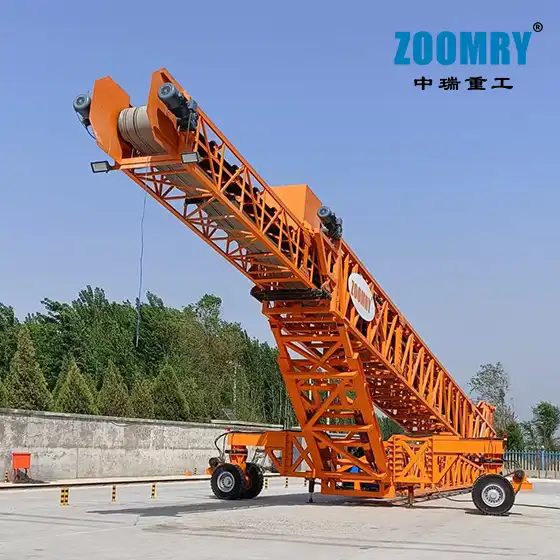
Radial slewing for fan-shaped stockpiles
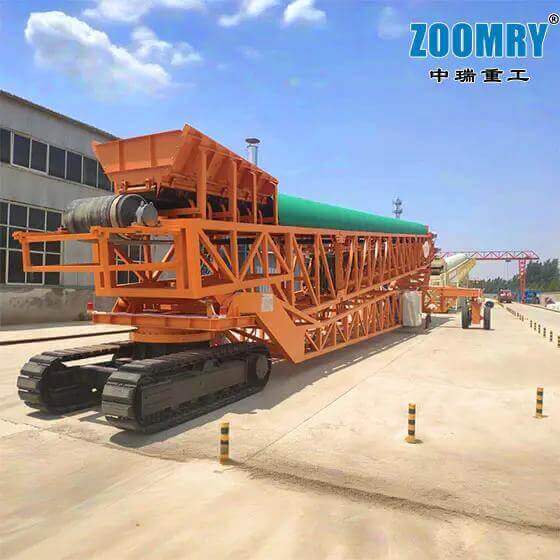
Crawler mobility for soft ground and heap leaching
Industry Applications
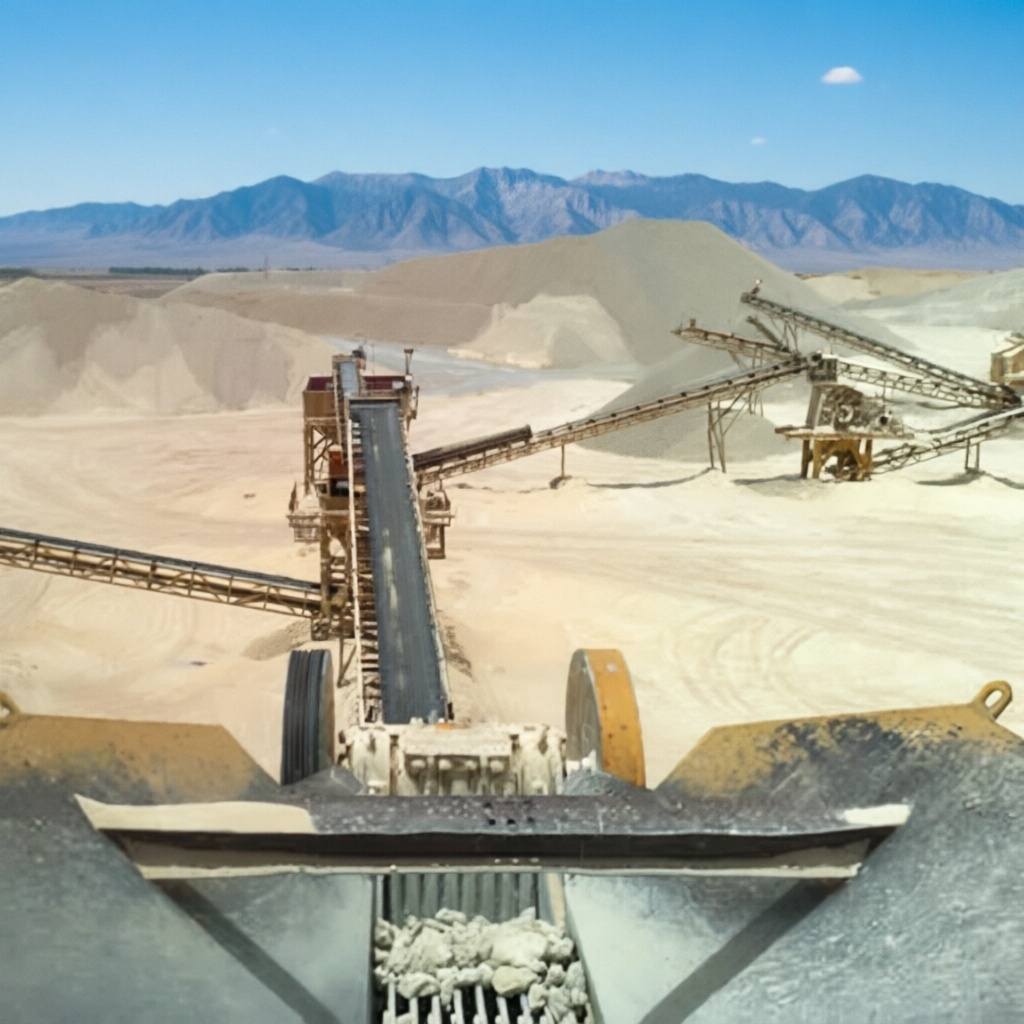
Stockpile management with telescopic and radial stackers
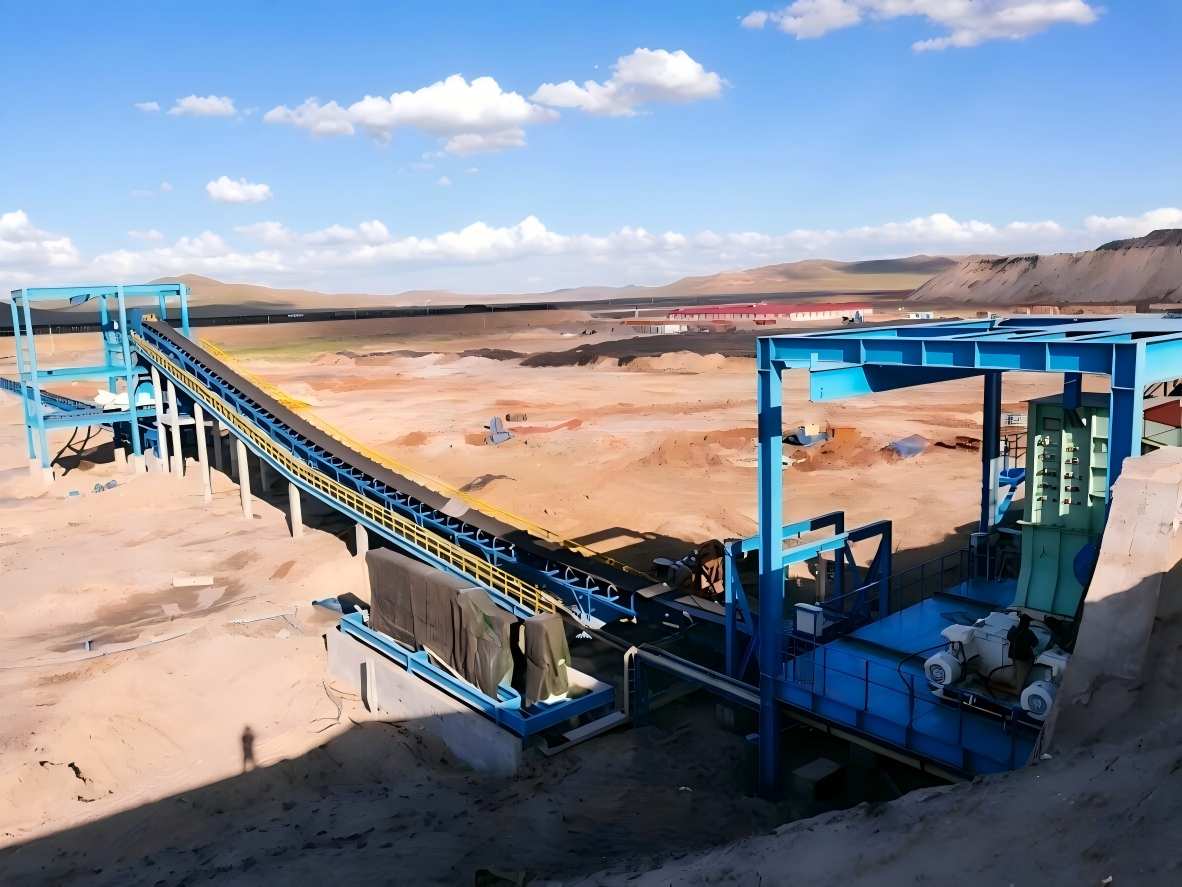
Stockpile building for surface and underground mines
Choosing Between a Telescopic Stacker and a Radial Stacker?
Share your stockpile layout, material type, and capacity requirements. ZOOMRY can help determine whether a telescopic, radial, or radial telescopic stacker configuration fits your operation.
Contact Us →