 ZOOMRY

Quick answer: ZOOMRY engineered a 6.4 km cross-sea aggregate conveying gallery for Zhejiang East Mining. The system features an 1,800 mm belt width, reaching a Phase 1 capacity of 4,500 t/h and a Phase 2 capacity of 5,500 t/h, with an annual output exceeding 17.5 million tons. The project integrates cross-sea embankment construction, intelligent inspection robots, and a belt turnover device.

Project Background
Zhejiang East Mining requires massive volumes of sand and gravel aggregate to be transported from the mine to the port terminal. The challenge was a 6.4 km stretch of water and coastal terrain, which completely ruled out traditional truck haulage and standard overland conveyor layouts.
ZOOMRY was contracted to provide a complete cross-sea conveying solution, including the structural embankment, the conveyor system, and intelligent operation systems.
| Parameter | Value |
|---|---|
| Project location | Zhejiang, China (Cross-sea) |
| System length | 6.4 km |
| Belt width | 1,800 mm |
| Phase 1 capacity | 4,500 t/h |
| Phase 2 capacity | 5,500 t/h |
| Annual output | Over 17.5 million tons |
| Minimum curve radius | 1,500 m |
Engineering Challenge 1: Cross-Sea Embankment Construction
The route required a continuous structure over water. ZOOMRY designed and constructed a cross-sea embankment to support the conveyor gallery. This required geotechnical analysis for seabed stability, corrosion protection for the steel structures, and a design that could withstand extreme weather conditions.
Solution: Modular Steel Gallery on Sealed Embankment
The conveyor gallery was built as a fully enclosed steel structure on top of the embankment. This protects the material from wind and rain, and prevents spillage into the sea environment.
Engineering Challenge 2: 5,500 t/h on an 1,800 mm Belt
Moving 5,500 tons per hour of heavy aggregate requires an 1,800 mm belt running at high speed with a large trough angle. The challenge was managing belt tension and ensuring stable tracking over the 6.4 km route.
Solution: High-Capacity Belt Design with Belt Turnover
ZOOMRY selected a heavy-duty fabric/steel cord hybrid belt and installed a belt turnover device. The turnover device rotates the belt 180° after discharge, so the clean side of the belt runs on the return idlers. This prevents sticky aggregate from building up on the pulleys and idlers, extending belt life and reducing maintenance.
Engineering Challenge 3: Minimum Curve Radius of 1,500 m
The coastal terrain required horizontal curves with a minimum radius of 1,500 m. While a large radius is easier to navigate than the tight curves in the Hubei project, the high speed and heavy load of the belt still required precise tracking.
Solution: Self-Aligning Idlers and Continuous Monitoring
The system uses self-aligning idler sets at critical points, combined with a continuous monitoring system that tracks belt position and tension in real-time.
Engineering Challenge 4: Environmental Protection and Intelligent Inspection
Operating over a marine environment means strict environmental controls. The client also requested high automation to reduce the need for manual patrols along the 6.4 km route.
Solution: Water-Wash Cleaning and Intelligent Inspection Robots
The system includes a water-wash cleaning system to remove dust and salt buildup. ZOOMRY also installed intelligent inspection robots that travel along the gallery, using cameras and sensors to detect belt damage, roller overheating, and structural issues.
Measured Results
| Metric | Result |
|---|---|
| Conveying length | 6.4 km |
| Phase 1 / Phase 2 capacity | 4,500 t/h / 5,500 t/h |
| Annual output | Over 17.5 million tons |
| Structure | Cross-sea enclosed steel gallery |
| Special features | Belt turnover device, water-wash cleaning, intelligent inspection robots |
Key Engineering Takeaways
- Cross-sea conveying is feasible at scale: With a properly engineered embankment and enclosed gallery, a 6.4 km cross-sea conveyor can handle 5,500 t/h continuously.
- Belt turnover is essential for sticky materials: It prevents carryback buildup on the return side, which is critical over long distances.
- Intelligent inspection reduces maintenance cost: Robots and sensors along the 6.4 km route reduce manual patrols and detect issues early.
- Environmental protection is built-in: The enclosed gallery and water-wash system prevent material spillage and dust emissions into the marine environment.
Frequently Asked Questions
What is the capacity of the 6.4 km cross-sea conveyor?
The system has a Phase 1 capacity of 4,500 t/h and a Phase 2 capacity of 5,500 t/h, with an annual output exceeding 17.5 million tons.
How is the conveyor supported over the sea?
The conveyor is supported by a cross-sea embankment and a fully enclosed steel gallery. This protects the material from the marine environment and prevents spillage.
What is a belt turnover device?
A belt turnover device rotates the belt 180° so the clean side runs on the return idlers. This prevents material buildup on the return side and extends belt life.
How is the conveyor inspected?
The 6.4 km system uses intelligent inspection robots equipped with cameras and sensors. They detect belt damage, roller overheating, and structural issues, reducing manual patrols.
Related Products
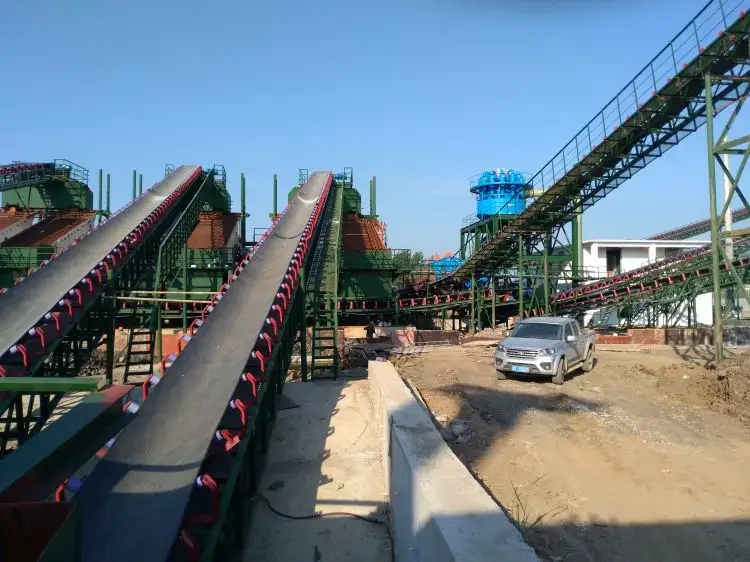
Overland and cross-sea conveying systems
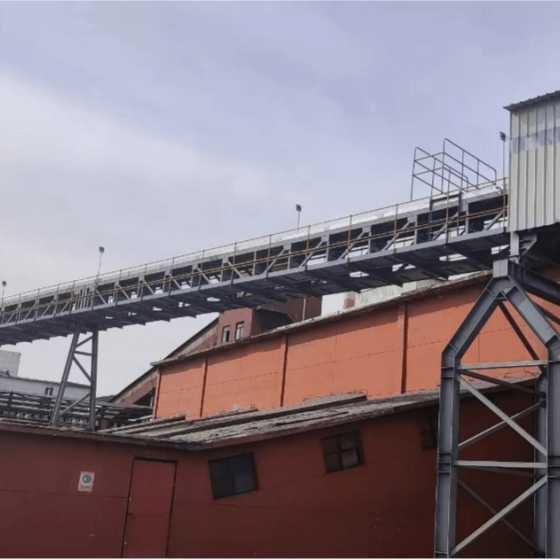
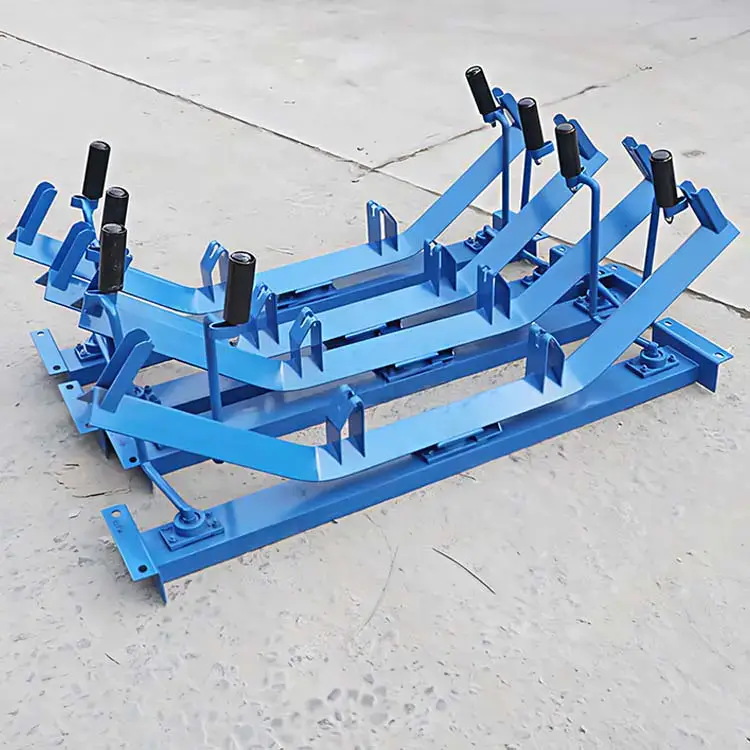
Automatic belt tracking for long conveyors
Industry Applications
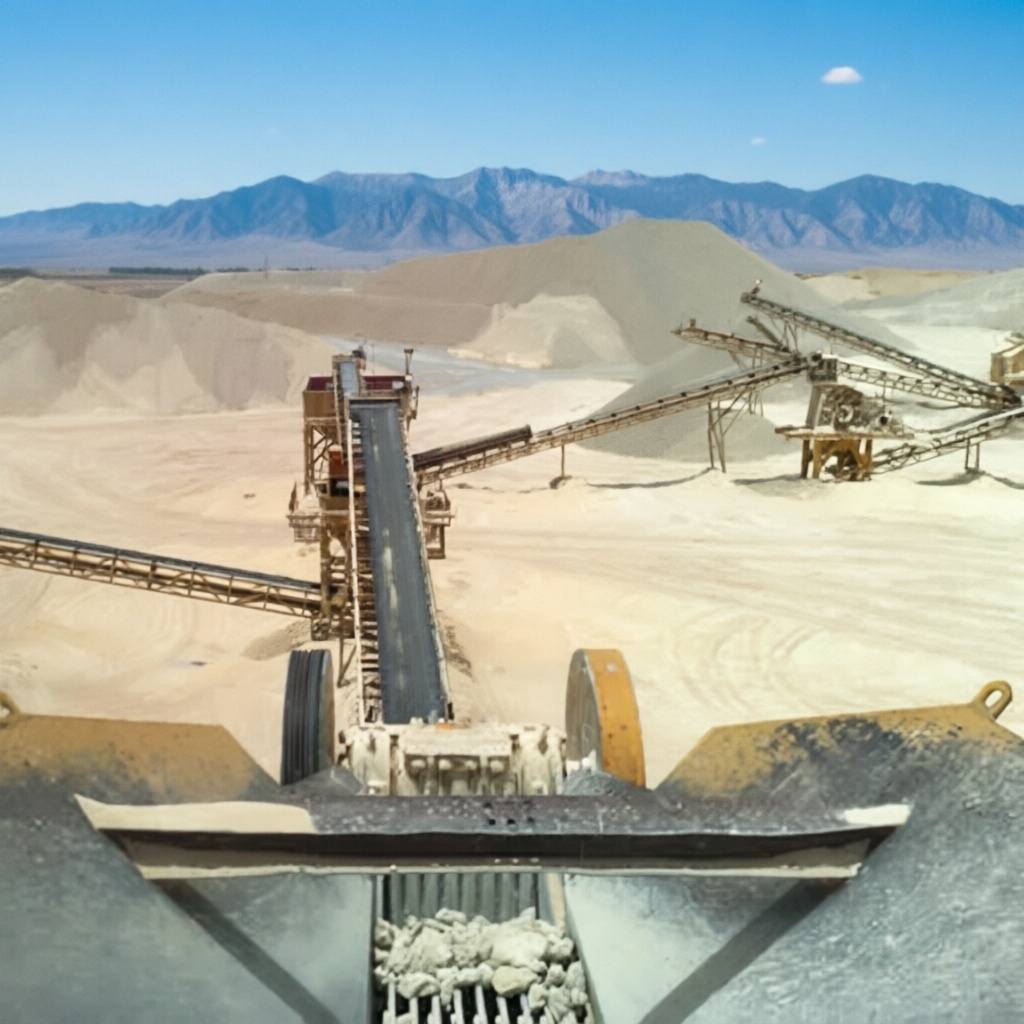
Long-distance conveyors for aggregates
Terminal conveyor systems
Mine-to-port conveyor systems
Planning a Cross-Sea or Ultra-Long Conveyor Project?
Share your route, capacity requirements, and site conditions. ZOOMRY’s engineering team can evaluate feasibility and provide EPC solutions.
Contact Us →