
Tel: 189-2061-6125    E-mail: Oversea@zoomry.cn
About  Contact  |

ZOOMRY

Engaged in conveyor system field more than two decades.

Conveyor Pulley

Conveyor pully

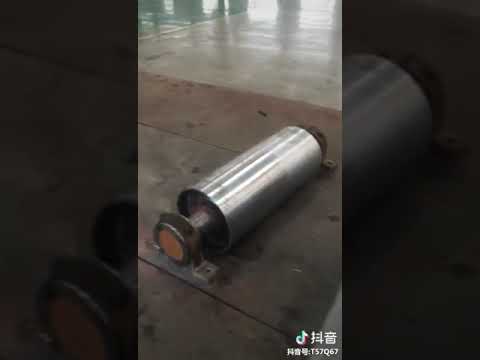
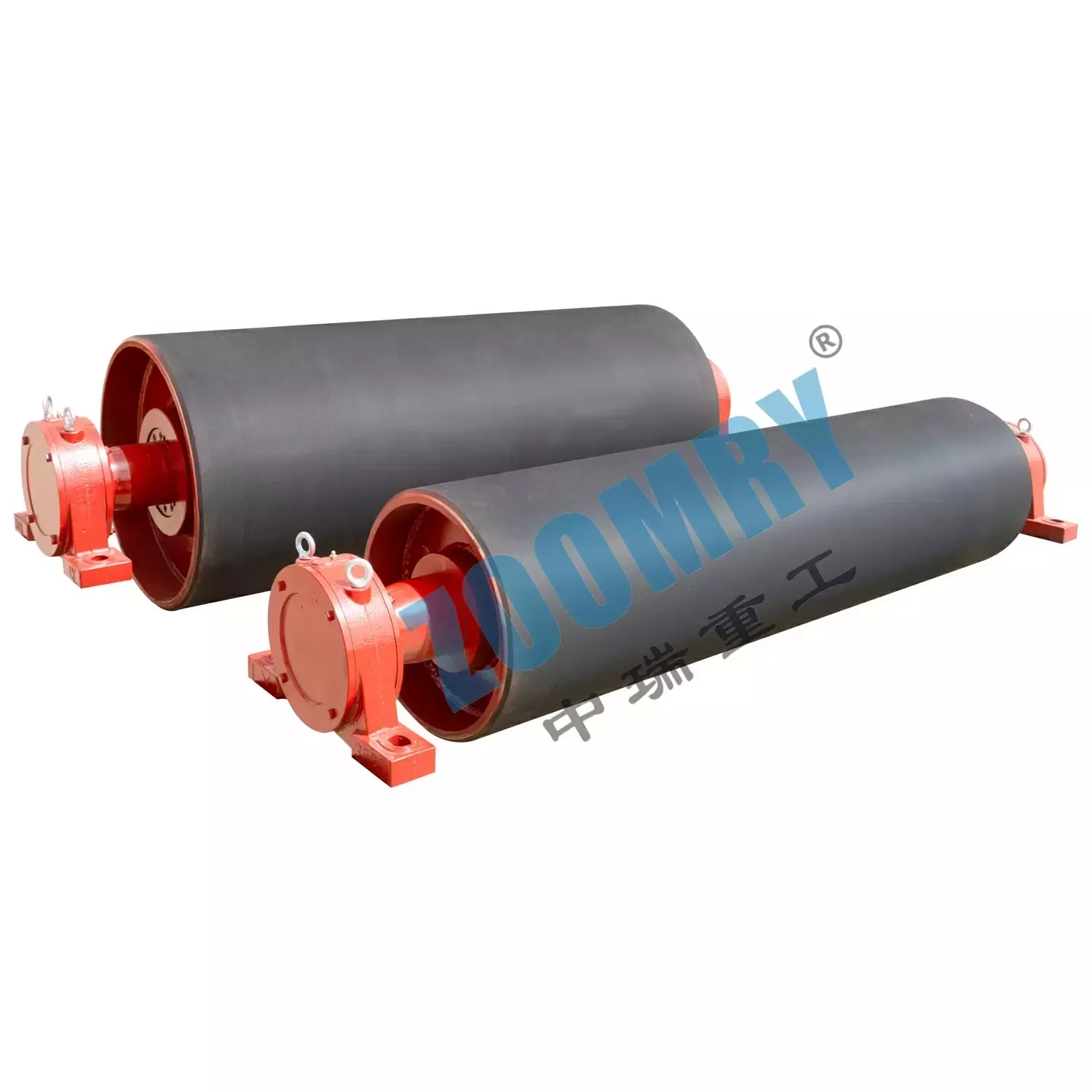
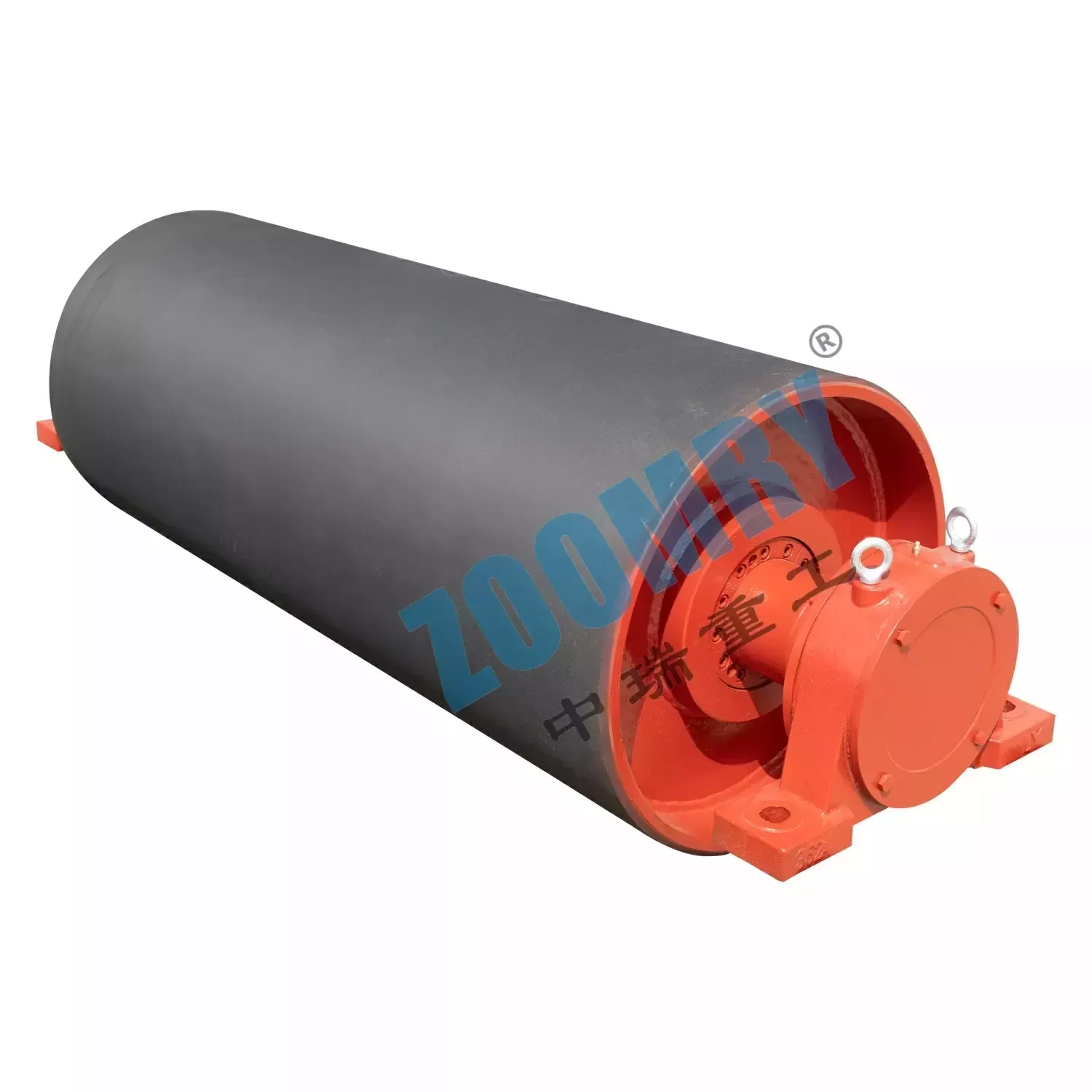
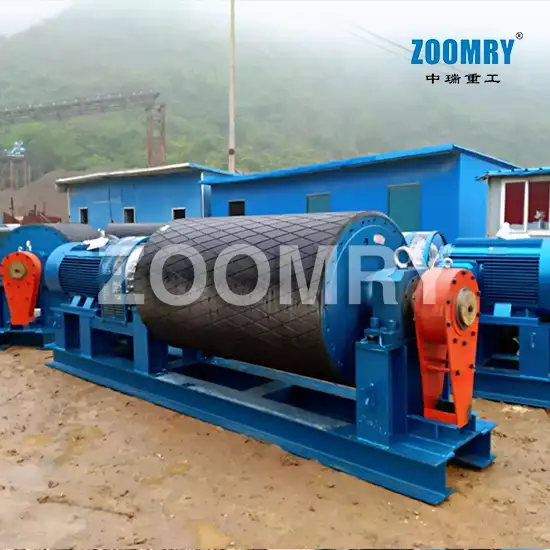
ZOOMRY conveyor pulleys are essential components for belt conveyor systems, providing driving force, directional changes, and proper belt tension. The range includes drive pulleys (head pulleys), bend pulleys, tail pulleys, take-up pulleys, and snub pulleys — engineered for reliable operation in mining, quarrying, cement, and bulk material handling applications. Manufactured with 16Mn steel shells and 45#/40Cr/42CrMo shafts, each pulley undergoes CNC four-roll rounding, ultrasonic flaw detection, and tempering stress relief to support ovality below 1.5 mm and extended service life under normal operating conditions. Rubber or ceramic lagging options available. Custom diameters, face widths, and configurations to match specific conveyor requirements.

Service Life Extended service life under normal operating conditions
Material 16Mn steel shell / 45# & 40Cr & 42CrMo shafts
Quality Control CNC rounding + ultrasonic flaw detection + tempering stress relief
Applications Mining, quarrying, cement, bulk material handling
  • Product Detail
  • Selection Guide
  • FAQ
  • Related Resources

Conveyor Pulley Overview

ZOOMRY conveyor pulleys are core components of belt conveyor systems, serving driving, redirecting, and tensioning functions. The comprehensive range covers drive pulleys (head pulleys), bend pulleys, tail pulleys, take-up pulleys, and snub pulleys — engineered for mining, quarrying, cement, and bulk material handling applications.

Manufactured with 16Mn steel shells and 45#/40Cr/42CrMo shafts, each pulley undergoes CNC four-roll rounding, ultrasonic flaw detection, and tempering stress relief to support ovality below 1.5 mm and extended service life under normal operating conditions. Belt widths from 400 mm to 2,400 mm with rubber or ceramic lagging options available.
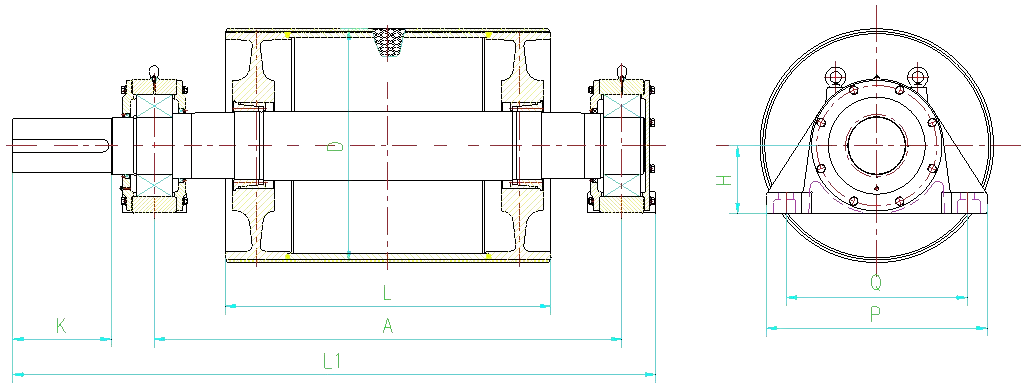
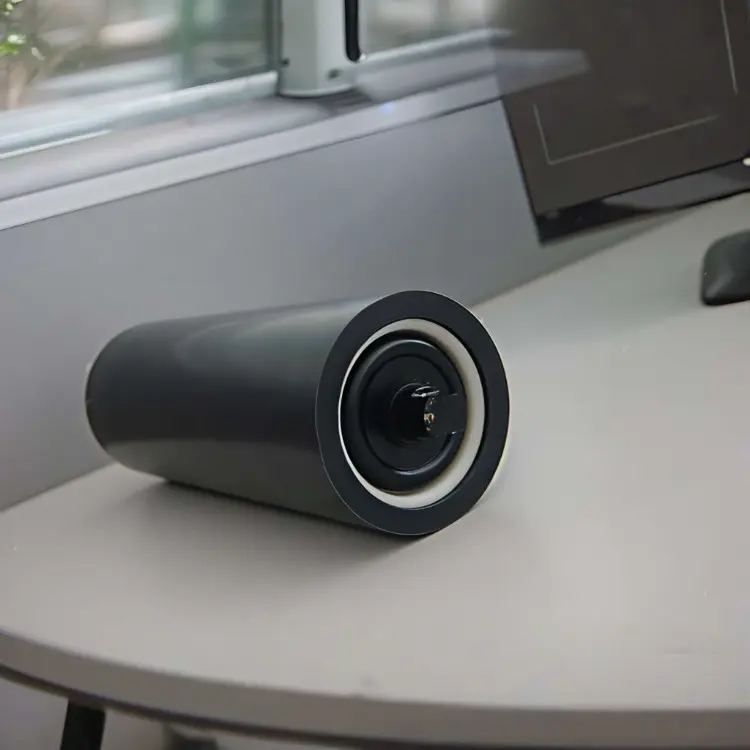
ZOOMRY conveyor pulley specifications and dimensions

ZOOMRY Conveyor Pulley Specifications — Custom Diameters and Lagging Configurations


What Types of Conveyor Pulleys Does ZOOMRY Offer?

  • Drive Pulley (Head Pulley): Transmits torque from the drive motor to the Conveyor Belt. Available with rubber or ceramic lagging.
  • Tail Pulley / Bend Pulley: Redirects the belt at the loading end or changes belt direction at system bends.
  • Take-up Pulley: Maintains proper belt tension to prevent slippage. Gravity-weighted designs compensate for belt stretch.
  • Snub Pulley: Increases belt wrap angle around the drive pulley for improved traction.
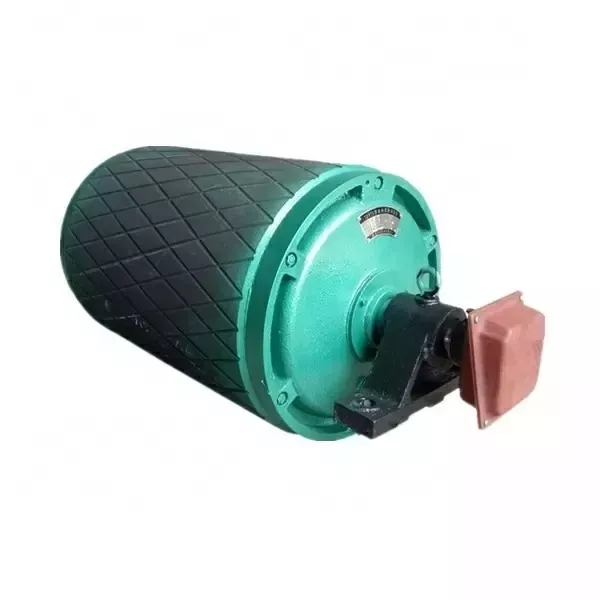
  • Motorized Pulley: Self-contained drive unit integrating motor, reducer, and bearings inside the pulley shell.
  • Lagged Pulley: Rubber, ceramic, or replaceable lagging to increase friction and extend service life.
  • Quarry Duty Pulley: Rugged design for abrasive materials and continuous operation.

Materials

  • Shaft Materials: 45# steel, 40Cr, 42CrMo — selected for strength and wear resistance.
  • Shell Material: 16Mn steel plate — weldability, strength, and impact resistance.
  • Lagging Options: Rubber lagging for standard applications, ceramic lagging for abrasive environments, replaceable lagging for maintenance efficiency.

Bend Pulley Specifications

Available bend pulley diameters for various belt widths:

Pulley Diameter 500 650 800 1000 1200 1400 1600 1800 2000 2200
400 mm ✓ ✓ ✓ ✓ ✓ ✓ — — — —
500 mm ✓ ✓ ✓ ✓ ✓ ✓ — — — —
630 mm — ✓ ✓ ✓ ✓ ✓ ✓ — — —
800 mm — — ✓ ✓ ✓ ✓ ✓ — — —
1000 mm — — ✓ ✓ ✓ ✓ ✓ ✓ — —
1250 mm — — — ✓ ✓ ✓ ✓ ✓ ✓ —
1400 mm — — — ✓ ✓ ✓ ✓ ✓ ✓ —
1600 mm — — — — ✓ ✓ ✓ ✓ ✓ —
1800 mm — — — — — — ✓ ✓ ✓ ✓
2000 mm — — — — — — — ✓ ✓ ✓

Reference table for preliminary selection. Final pulley diameter and configuration confirmed during quotation based on belt tension and wrap angle requirements.


Video

Industry Solutions
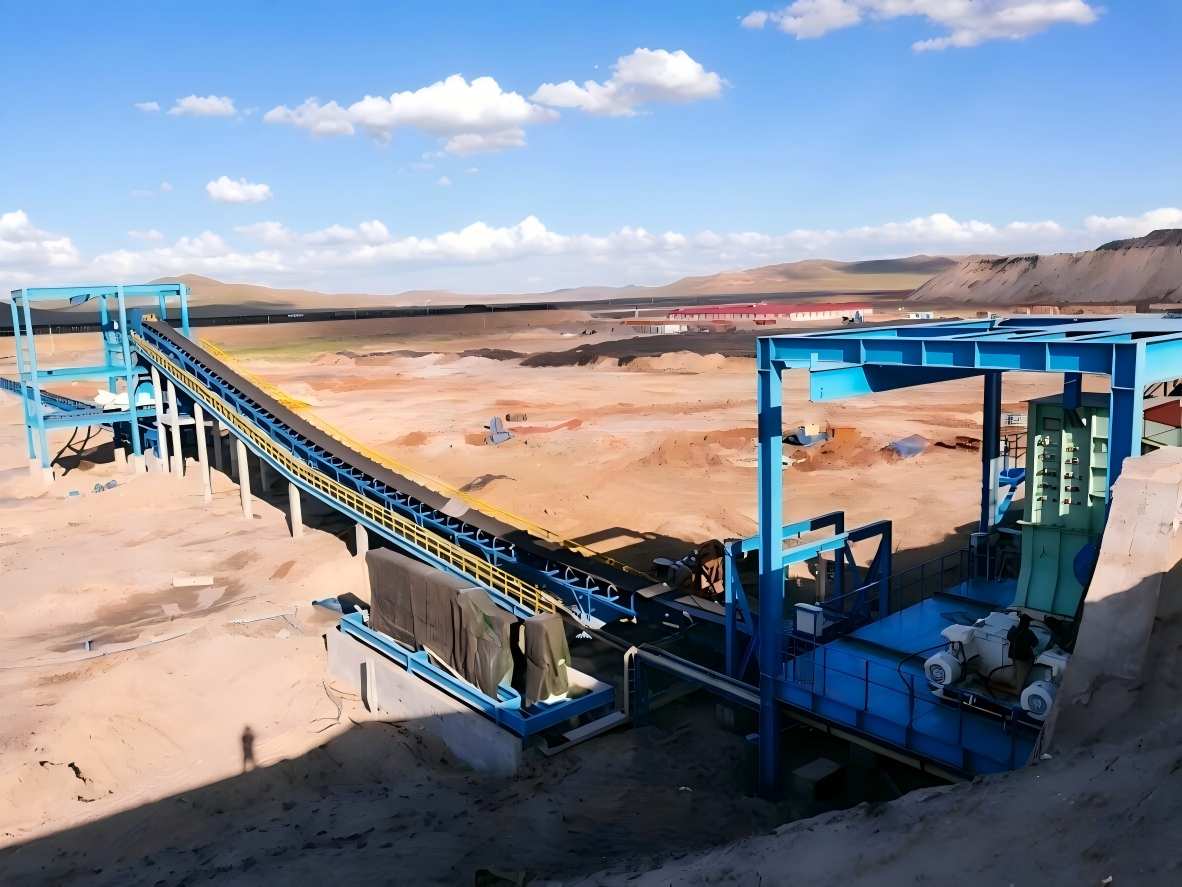
Mining Solutions
Mining

Heavy-duty conveyor pulleys for abrasive ore conveying.
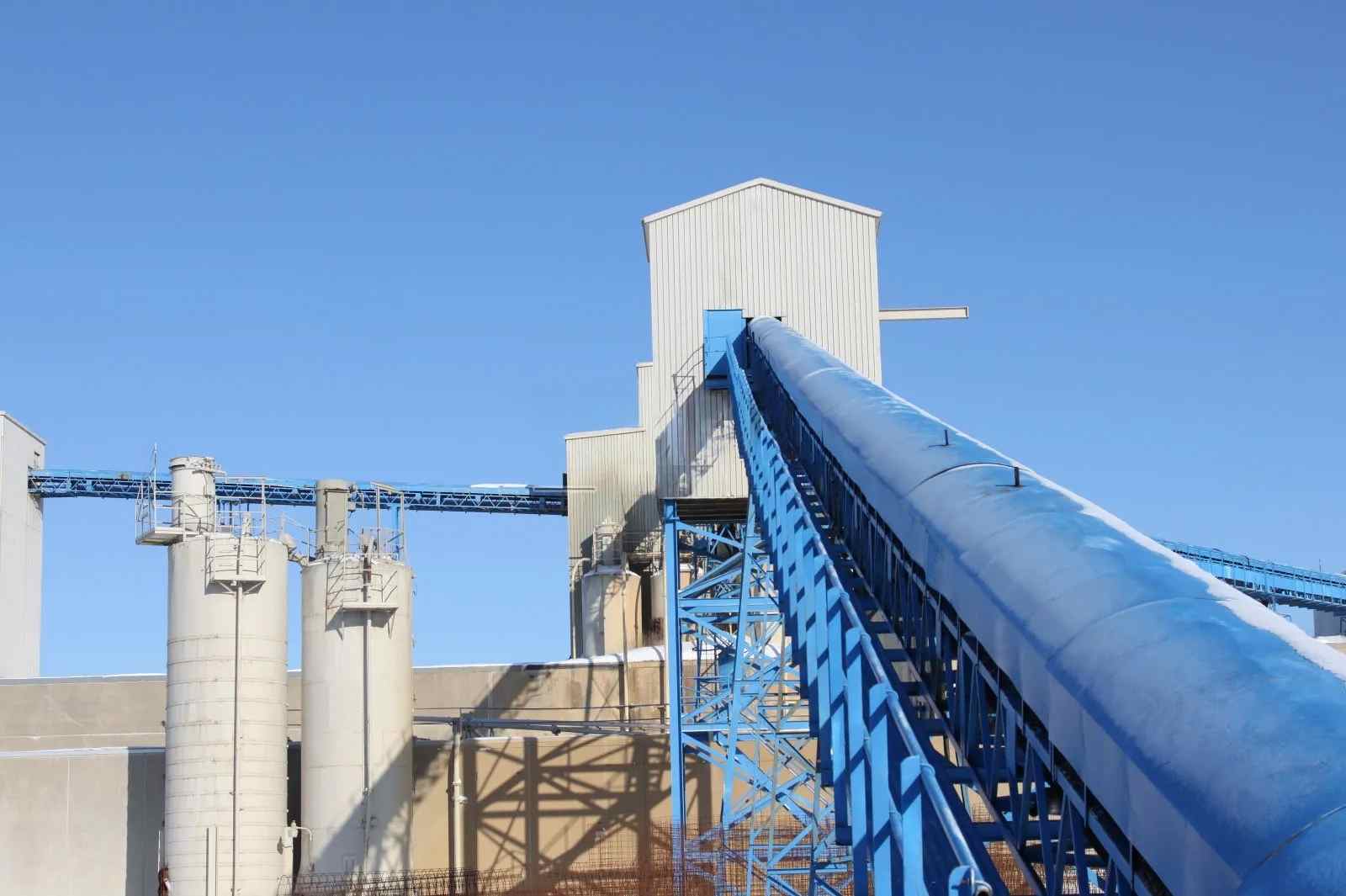
Cement and Clinker Solutions
Cement & Clinker

Drive and bend pulleys for cement plant conveyor systems.


Need Custom Conveyor Pulleys for Your System?

Tell us your belt width, pulley diameter, and application — our engineers will recommend the right pulley type and lagging configuration.

Request Conveyor Pulley Quote →
How to Choose the Right Conveyor Pulley

Selecting the correct conveyor pulley depends on its position and function within the belt conveyor circuit:

Drive Pulley (Head Pulley)

  • Transmits torque from motor to belt — requires highest structural strength
  • Belt width, wrap angle, and tension determine diameter
  • Ceramic lagging recommended for wet or abrasive conditions

Bend Pulley / Tail Pulley

  • Changes belt direction — lower tension than drive pulley
  • Diameter typically 50-70% of drive pulley diameter
  • Smooth or rubber lagged depending on material conditions

Snub Pulley

  • Increases wrap angle around drive pulley for better traction
  • Smaller diameter acceptable due to lower load

Take-up Pulley

  • Maintains belt tension — often gravity-weighted
  • Must allow belt travel for stretch compensation

For a specific recommendation, share your belt width, conveyor length, drive power, and application conditions.

Conveyor Pulley FAQ

Q: What is a conveyor pulley and what does it do?

A conveyor pulley is a rotating cylindrical component in a belt conveyor system that drives, redirects, or tensions the conveyor belt. Common types include drive pulleys, head pulleys, tail pulleys, bend pulleys, snub pulleys, and take-up pulleys — each serving a specific function in the conveyor circuit.

Q: What is the difference between a drive pulley and a head pulley?

These terms are often used interchangeably. A drive pulley transmits torque from the motor to the belt and is typically located at the discharge (head) end. A head pulley is the pulley at the head end, which may or may not be driven. In most configurations, the head pulley is also the drive pulley.

Q: How do I choose the right conveyor pulley diameter?

Pulley diameter selection depends on belt width, belt tension, wrap angle, and belt type. Larger diameters distribute stress over a wider area and extend belt life. Drive pulleys require larger diameters than bend or snub pulleys. Share your belt width and tension requirements for a specific recommendation.

Q: When should I use ceramic lagging instead of rubber lagging?

Ceramic pulley lagging is recommended for wet, abrasive, or high-tension applications where rubber lagging would wear quickly or lose traction. Rubber lagging is suitable for standard dry applications. Ceramic tiles maintain grip in muddy conditions and provide longer service life in abrasive environments.

Related Resources

Selection & Comparison Guides

Maintenance & Troubleshooting

Related Products

PREVIOUS:Mobile Stacker for Conveyor System

NEXT:Conveyor Roller

Leave a Reply