 ZOOMRY

The drive system is the heart of any belt conveyor — it determines starting performance, energy efficiency, and long-term reliability. Choosing the wrong drive method leads to belt slippage, motor burnout, excessive maintenance, and unplanned downtime. As a professional bulk material handling solution provider, ZOOMRY engineers complete conveyor drive systems for mining, cement, and port applications. This guide compares the four most common drive methods — electric roller, Y-motor + coupling + reducer, torque-limiting hydraulic coupling, and speed-adjustable hydraulic coupling — to help you choose the right one for your conveyor.
1. Electric Roller (Motorized Pulley)
The electric roller — also known as a motorized pulley — integrates the motor, gear reducer, and bearings inside a hermetically sealed drum. This compact design eliminates external motor mounts, couplings, and chain drives, making it ideal for space-constrained installations. Electric rollers come in two types:
- Built-in type: Motor installed inside the drum — poor heat dissipation. Suitable for conveyors under 30 kW and 150 m length.
- External type: Motor mounted outside and rigidly connected — better heat dissipation. Suitable for conveyors under 45 kW and 150 m length.
Best for: Short, low-power conveyors where space is limited and simplicity is valued — mobile equipment, package handling, and short transfer conveyors.
2. Y-Type Motor + Coupling + Reducer
This is the simplest traditional drive configuration. A standard Y-type motor connects to a reducer through a coupling between motor and reducer. ZOOMRY's SL series snake spring couplings absorb shock loads and compensate for minor misalignment while transmitting torque up to 800,000 Nm. This drive method is typically used on conveyors with power under 45 kW and length under 150 m.
Best for: Small, budget-sensitive conveyors where initial cost is the primary concern and soft-start is not required.
3. Y-Type Motor + Torque-Limiting Hydraulic Coupling + Reducer
This is the most widely used drive method for medium-length conveyors. A torque-limiting hydraulic coupling sits between the motor and reducer, providing overload protection and smoother starting than direct-coupled drives. It handles single-machine power up to 630 kW and conveyor lengths up to 1,500 m. Two variants exist:
- With rear auxiliary chamber: Slower oil fill during startup → softer start but more heat. For multi-motor drives, this type balances power distribution better — always choose the larger model if two meet the power requirement.
- Without rear auxiliary chamber: Faster start, less heat generation. Choose the smaller model if two meet the power requirement.
Best for: The preferred drive method for conveyors under 1,500 m — high cost performance, motor overload protection, and multi-motor power balancing. However, not suitable for downward conveyors or applications requiring speed regulation.
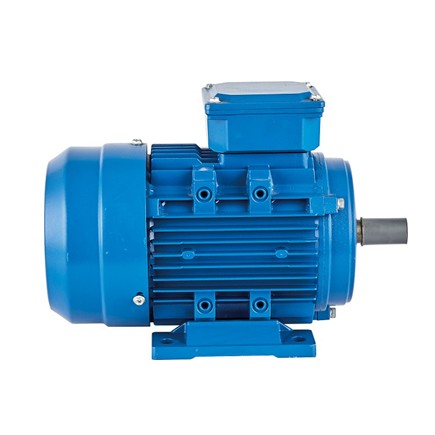
Conveyor drive system — motor, hydraulic coupling, and reducer assembly
4. Y-Type Motor + Speed-Adjustable Hydraulic Coupling + Reducer
The preferred drive method for large, long-distance belt conveyors exceeding 800 m. This configuration provides true controlled soft-start capability — both start time and acceleration curve are adjustable, protecting the belt and mechanical components from sudden tension spikes. It enables motor no-load start, overload protection, and staged multi-motor starting — critical for long distance overland conveyors spanning 10+ km.
The main limitation is that oil volume-to-speed response is non-linear with slow dynamic response — making closed-loop control challenging. Occasional oil leakage can occur. Not suitable for downward conveyors or applications requiring precision speed regulation.
Best for: Long-distance conveyors (>800 m) where controlled acceleration is critical to protect belt splices and reduce mechanical stress on pulleys and rollers.
Drive Method Comparison at a Glance
| Drive Method | Max Power | Max Length | Soft Start | Maintenance | Relative Cost |
|---|---|---|---|---|---|
| Electric Roller | ≤ 45 kW | ≤ 150 m | Poor | Low | $ |
| Y-Motor + Coupling + Reducer | ≤ 45 kW | ≤ 150 m | Poor | Low | $ |
| Torque-Limiting Hyd. Coupling | ≤ 630 kW | ≤ 1,500 m | Moderate | Moderate | $$ |
| Speed-Adjustable Hyd. Coupling | > 630 kW | > 800 m | Good | Moderate | $$$ |
How to Decide: A Quick Selection Guide
| Your Situation | Recommended Drive Method |
|---|---|
| Short conveyor (<150 m), low power (<45 kW), tight budget | Y-Motor + Coupling + Reducer — simplest, lowest cost |
| Short conveyor, space-constrained, want compact design | Electric Roller — integrated motor-pulley unit saves space |
| Medium conveyor (<1,500 m), need motor protection, multi-motor drive | Torque-Limiting Hydraulic Coupling — best cost performance for this range |
| Long conveyor (>800 m), high power, need controlled soft start | Speed-Adjustable Hydraulic Coupling — protects belt and extends splice life |
| Downward conveyor or need precise speed regulation | None of the above — consider VFD with electric soft starter instead |
Frequently Asked Questions
Q: Can I upgrade an existing conveyor from Y-motor + coupling to a hydraulic coupling drive?
Yes — a torque-limiting hydraulic coupling can be retrofitted between the existing motor and reducer. This adds overload protection and softer starting without replacing the entire drive system. However, ensure the motor frame and base plate can accommodate the additional length of the coupling assembly. ZOOMRY's engineering team can assess your existing setup and recommend the appropriate coupling model from the SL series.
Q: Why can't hydraulic coupling drives be used on downward conveyors?
Downward conveyors operate in regenerative mode — the material weight drives the belt faster than the motor. Hydraulic couplings cannot provide the braking torque needed to control belt speed in this condition. For downward or declining conveyors, a VFD-controlled drive with dynamic braking resistors or a belt arrestor for emergency holdback is required.
Q: Which drive method is best for a 500 kW, 1,200 m mining conveyor?
A torque-limiting hydraulic coupling with rear auxiliary chamber is the recommended choice. At 500 kW and 1,200 m, this falls within the optimal range for this drive type (≤630 kW, ≤1,500 m). If multi-motor drive, select the variant with rear auxiliary chamber for better load balancing. For longer conveyors or those requiring precise acceleration control, upgrade to a speed-adjustable hydraulic coupling.
Related Equipment
Integrated drive systems — motor, coupling, reducer, and backstop for belt conveyors.
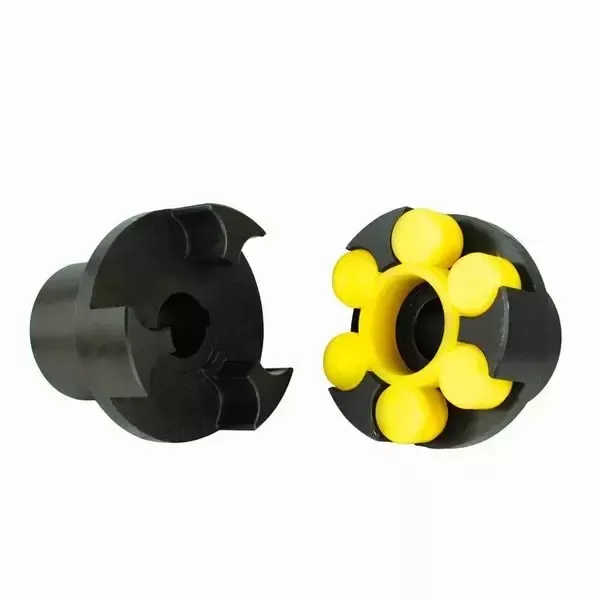
SL series snake spring coupling — 45–800,000 Nm torque with quick disassembly.
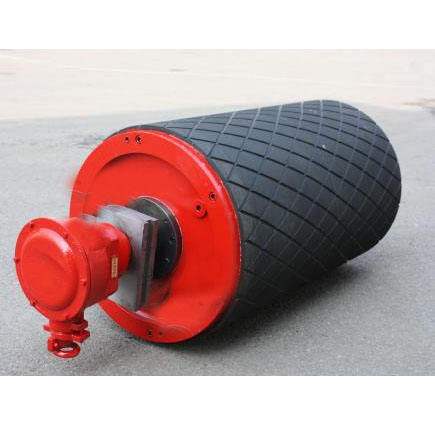
Hermetically sealed drum — motor, gear reducer, and bearings integrated into one unit.
Industry Solutions
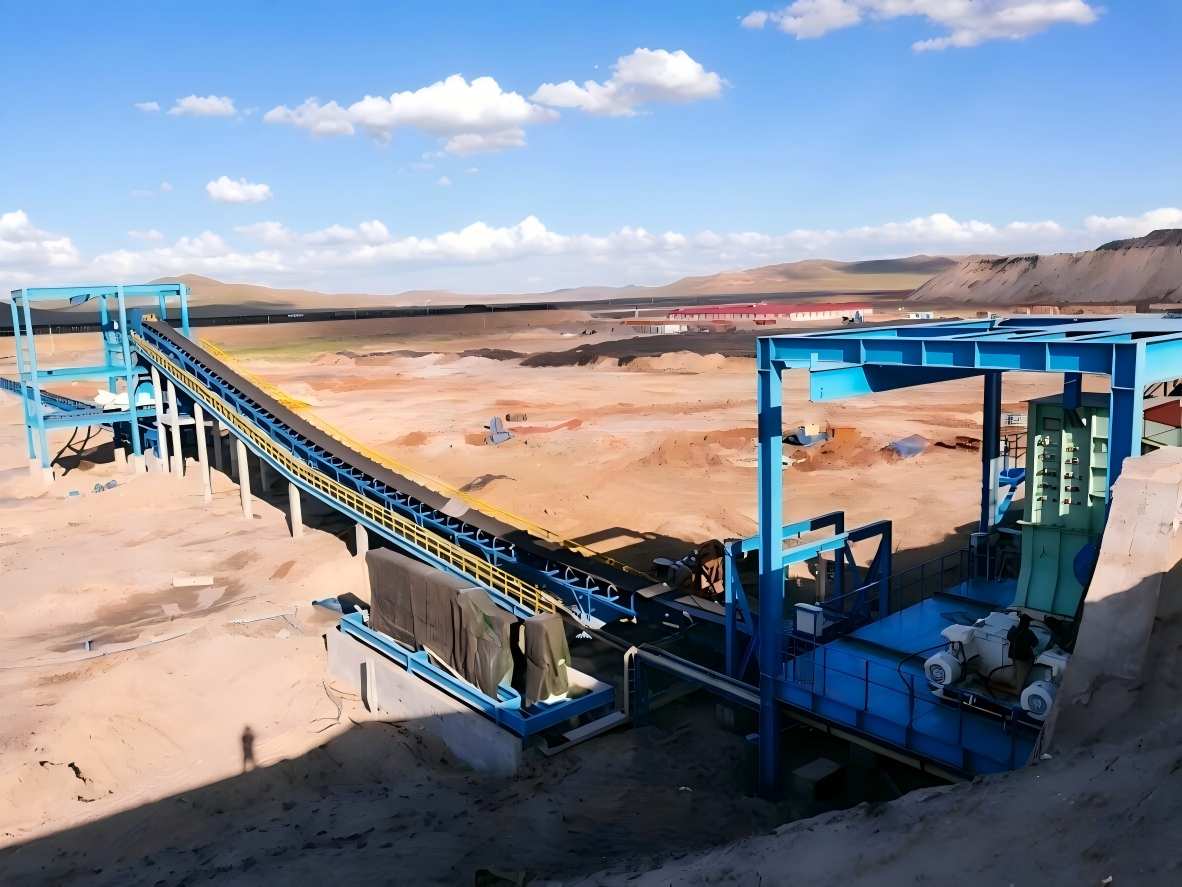
Speed-adjustable hydraulic coupling drives for long-distance overland mining conveyors.

Reliable drive systems for continuous trona conveying with minimal maintenance requirements.
Need Help Selecting a Conveyor Drive System?
Tell us your conveyor length, power requirements, and operating conditions. ZOOMRY engineers will recommend the optimal drive method and coupling configuration for your application.
Get a Quote →